Feeding a Belgian Malinois That Will Not Eat Under Stress
It's incredibly frustrating, isn't it? You've got this high-drive, energetic Belgian Malinois who you know needs every calorie to fuel their intense life, but when they're feeling the pressure of a new situation or a particularly stimulating training day, they just turn their nose up at their food. This guide is all about understanding why your Malinois might suddenly lose their appetite under stress and, more importantly, what practical, empathetic steps you can take to help them eat, settle, and thrive even when life gets a little overwhelming.
Understanding Why Your Malinois Refuses Food Under Stress
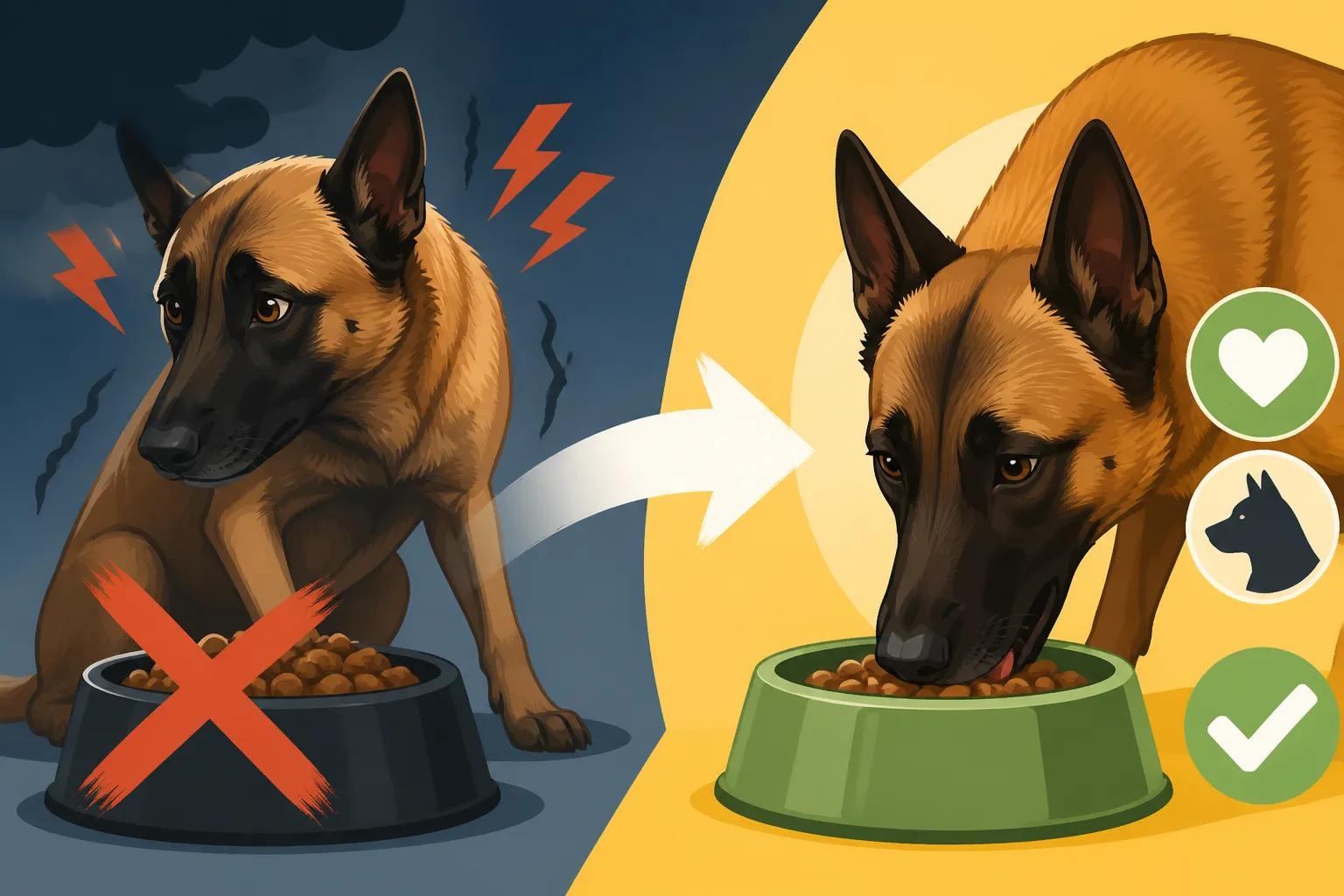
When you live with a Belgian Malinois, you quickly learn they're not just dogs; they're finely tuned athletes and highly intelligent working partners. This incredible sensitivity and drive, while fantastic for their work, can also make them acutely responsive to stress. Sometimes, that response manifests directly in their digestive system, making them refuse even the most delicious meal. It's not usually pickiness in the traditional sense; it's a physiological reaction.
The Malinois Mindset and Sensitivity to Environment
Your Malinois lives in a constant state of awareness, scanning their environment, processing stimuli at lightning speed. This hyper-vigilance, coupled with their inherent intensity, means they can easily become overstimulated or stressed by things other dogs might barely notice. Imagine being on high alert all the time; it’s exhausting, and it’s not conducive to a relaxed meal. A new training location, a noisy household, guests, travel, or even a change in their routine can throw them off. They might become hyper-focused on their surroundings, unable to switch off and focus on something as basic as eating. It's less about disliking the food and more about their brain being too busy with perceived threats or obligations to consider nourishment. We often talk about The Mental Work That Finally Tires a Malinois Out, but sometimes that mental work can lead to a shutdown of basic functions like appetite.
For example, think about bringing your Malinois to a new club for a trial. The unfamiliar smells, the sounds of other dogs, the tension from you as you prepare – all of this can stack up. Instead of eagerly gobbling down their breakfast, they might pace, whine, or simply stare at their bowl before walking away. Their system is prioritizing being ready to do something, not to digest something. Their stomach isn't just an organ; it's intricately linked to their nervous system, and when that system is in overdrive, digestion takes a backseat.
Physiological Responses to Stress in Dogs
When a dog, especially a high-drive breed like a Malinois, experiences stress, their body initiates a 'fight or flight' response. This isn't just a mental state; it's a cascade of physiological changes designed to prepare them for action. Adrenaline and cortisol flood their system. Blood is shunted away from non-essential functions like digestion and redirected to muscles, heart, and lungs. Their heart rate increases, pupils dilate, and their senses become sharper. In this state, their body essentially says, "We don't have time for eating right now; we need to be ready to run or defend."
This means that even if your Malinois wants to eat, their body might be telling them otherwise. The digestive tract slows down or even temporarily shuts off. This can lead to a loss of appetite, and if they do manage to eat, it can sometimes result in Soft Stools in a Malinois Under Training Stress due to rapid transit and poor absorption. It's a primal response, hardwired into their system for survival, but in our modern domesticated world, it often just means a skipped meal and a worried owner. Recognising this physiological mechanism helps us understand that it's not willful disobedience, but a genuine bodily reaction.
Distinguishing Stress-Related Pickiness from Health Issues
Before you dive into stress-reduction tactics, it's absolutely crucial to rule out any underlying health problems. A sudden loss of appetite can be a symptom of a wide range of medical issues, from dental pain to internal organ problems. Never assume it's "just stress" without a vet check, especially if the appetite loss is prolonged, accompanied by other symptoms like lethargy, vomiting, diarrhea, or fever. For a breed that pushes its body as hard as a Malinois, regular vet check-ups are paramount. For instance, sometimes a routine procedure requires sedation, and it’s important to understand Why Anesthesia Needs Discussing Before a Malinois Goes Under and what Pre-Anesthetic Bloodwork on a Belgian Malinois can reveal about their general health.
A visit to the vet for a thorough examination, including blood work, can give you peace of mind. If the vet gives your Malinois a clean bill of health, then you can confidently focus on environmental and behavioral strategies to address stress-related eating issues. However, if there's any doubt, a trip to the clinic is always the first, most responsible step. It's like checking the oil in a high-performance car; you wouldn't keep pushing it if the light was on without knowing why.
Strategies to Reduce Stress and Encourage Eating
Once you've ruled out health issues, it's time to become a detective of canine psychology and environmental management. Your goal is to make eating a low-pressure, positive experience that counteracts the stress response. This often involves a blend of routine, enticing food choices, and mental calm.
Creating a Predictable and Calming Feeding Environment
Consistency is king for a Malinois. These dogs thrive on routine and predictability. Feeding your Malinois at the same time every day, in the same quiet location, can dramatically reduce stress. Think about their feeding spot: Is it in a high-traffic area of the house? Is it near a window where they might see distractions? Or is it a calm, secluded corner, perhaps even their crate, which many Malinois find to be a safe haven? The goal is to minimize external stimuli during mealtime. If they normally eat in the kitchen, but the kitchen is currently bustling with activity, try moving their bowl to a quiet room or their kennel.
Establishing a pre-meal ritual can also work wonders. This isn't about making them "work" for their food, but rather helping them transition into a calm, focused state. A short, relaxing walk on a leash, a brief session of low-key obedience commands, or even just some quiet cuddle time can signal that it's time to wind down. Avoid high-intensity play or training immediately before a meal, as this can elevate their arousal levels and make eating difficult. Remember, The Structure a Belgian Malinois Needs Every Day extends to their meal times too. If they know what's coming, it reduces anxiety.
Making Food More Appealing and Accessible
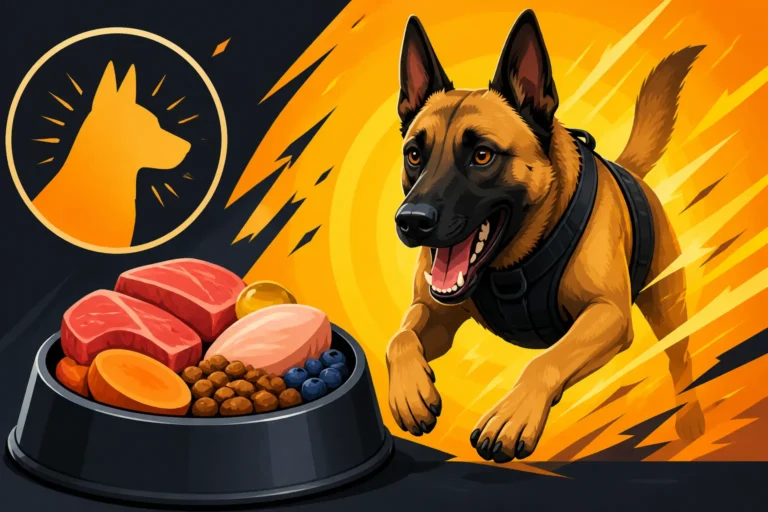
When your Malinois is stressed, their usual kibble might just not cut it. This is where you might need to pull out the "big guns" of canine cuisine. High-value food options can often override a stress-induced lack of appetite. Consider adding warm water or low-sodium chicken broth to their kibble to make it more aromatic and palatable. Many dogs, including Malinois, find a slightly warmed meal more enticing. You can also mix in small amounts of wet dog food, cooked plain chicken, sardines, cottage cheese, or a scrambled egg. Some owners even explore options like those from Ollie, which offers fresh, human-grade food that can be highly appealing.
Sometimes, it's not just the food itself but how it's presented. Some Malinois might prefer eating from a puzzle feeder, turning mealtime into a mental game that distracts them from their stress. Others might find the effort of a puzzle feeder too much when they're already overwhelmed, and simply need their food easily accessible in a quiet bowl. Observe your dog's reaction. If they're showing interest but not committing, try spoon-feeding a small amount to get them started, or even hand-feeding if it creates a positive, calming interaction. You might find that Soaking a Belgian Malinois's Kibble makes it not only easier to eat but more appealing due to the texture change.
Incorporating Training and Enrichment to Build Confidence
A well-exercised and mentally stimulated Malinois is often a calmer Malinois. Before a meal, engaging in some low-impact mental enrichment can help burn off nervous energy and shift their focus. Scent work, for instance, is a fantastic way to engage their brains without over-arousing them. Hiding a few pieces of their regular kibble (or a high-value treat) around the house for them to sniff out before their main meal can make them feel successful and ready to eat.
Positive reinforcement training sessions, focused on calm behaviors, can also build confidence. If your Malinois is stressed in a particular area, practicing simple "place" or "down-stay" commands in that area, followed by gentle praise and rewards (not necessarily food-based at first), can help them build a positive association. The idea is to reduce their overall stress levels, which in turn, should improve their appetite. Remember that for a Malinois, engagement with you is often the highest form of reward, and building that connection helps them feel secure enough to relax.
Long-Term Management and Advanced Tips
Dealing with a stress-related appetite issue isn't always a quick fix. It often requires ongoing management, a willingness to experiment, and sometimes, a little help from the pros. Your ultimate goal is to equip your Malinois with the resilience to navigate stressful situations while maintaining their well-being.
Desensitization to Stress Triggers and Gradual Exposure
If you've identified specific triggers for your Malinois's stress, a systematic desensitization program can be incredibly effective. This involves exposing your dog to the stressor at such a low intensity that they barely react, and then gradually increasing the intensity over time, always pairing the exposure with positive experiences. For example, if travel makes them anxious and unwilling to eat, start by feeding them in the parked car, then with the engine running, then on very short drives, slowly building up. The same principle applies if your Malinois struggles with refusing food at a trial; you might need to practice feeding in different, slightly distracting environments leading up to the event.
Always ensure these sessions are short, positive, and end before your dog shows significant signs of stress. The moment they show any discomfort, you've gone too far too fast. The idea is to teach them that these situations are safe, predictable, and even lead to good things – like their delicious meal. This takes immense patience and consistency, but it builds genuine confidence in your dog.
Consulting Professionals for Stubborn Cases
If you've tried all the environmental and behavioral strategies and your Malinois is still consistently struggling with stress-related appetite loss, it's time to bring in professional help beyond your regular vet. A certified veterinary behaviorist or a highly experienced professional dog trainer specializing in working breeds can offer invaluable insights and develop a tailored plan. These experts can help you pinpoint subtle stressors you might be missing and guide you through more advanced desensitization and counter-conditioning protocols.
In some severe or chronic cases of anxiety that significantly impact a dog's quality of life and health, a veterinary behaviorist might even discuss the possibility of anti-anxiety medication. This is rarely a first resort but can be a crucial tool to help a dog break the cycle of anxiety and allow behavioral modification strategies to be more effective. Additionally, don't hesitate to consult a veterinary nutritionist to ensure your Malinois is receiving all necessary nutrients, especially if they are frequently missing meals or have a reduced intake, or if you're exploring options like custom fresh food diets available through services like Chewy or Amazon, where you can find a variety of reputable brands.
Monitoring Progress and Adapting Your Approach
Managing a stress-sensitive Malinois's appetite is an ongoing journey, not a destination. Keep a journal of your dog's eating habits, noting what they ate, how much, and what was happening in their environment that day. This log can reveal patterns, helping you identify triggers and gauge the effectiveness of your strategies. You might notice that certain types of food or feeding locations work better on specific days, or that their appetite is tied directly to their training schedule.
Be flexible. What works one week might need tweaking the next. Your Malinois is a dynamic animal, and their needs and stress thresholds can change. Continue to observe them closely, celebrate small victories, and don't be discouraged by setbacks. Living with a Malinois is a partnership built on understanding, adaptation, and unwavering commitment. By consistently applying these strategies, you're not just getting your Malinois to eat; you're helping them build resilience and lead a happier, healthier life.
Here’s a quick overview of some strategies:
| Strategy Category | Actionable Tips | When to Use |
|---|---|---|
| Environmental Control | Establish consistent meal times and quiet feeding locations. | Daily, especially in busy households or during periods of change. |
| Reduce ambient noise or visual distractions during meals. | When your Malinois is easily distracted or hyper-vigilant. | |
| Food Appeal | Add warm water, broth, or high-value toppers (cooked chicken, wet food). | When a stressed Malinois shows no interest in plain kibble. |
| Offer slightly warmed food. | To enhance aroma and palatability, particularly when appetite is low. | |
| Experiment with different food textures (soaked kibble, fresh food). | If your Malinois has a preference or struggles with dry kibble under stress. | |
| Behavioral Support | Implement a calm pre-meal routine (short walk, quiet time). | To help your Malinois transition into a relaxed state before eating. |
| Try puzzle feeders for mental engagement or a plain bowl for ease of access. | Observe your dog; some thrive on work, others need simplicity when stressed. | |
| Engage in low-impact mental enrichment (scent work) before meals. | To burn nervous energy and promote a focused mindset. | |
| Desensitization | Gradually expose to stress triggers at low intensity, pairing with positive. | For known stressors (e.g., travel, new places, specific noises) causing appetite loss. |
| Professional Help | Consult a vet behaviorist or experienced trainer for persistent issues. | When home strategies are insufficient or stress is severely impacting well-being. |
| Discuss anxiety medication with a vet behaviorist if appropriate. | In severe, chronic cases where behavioral modification alone isn't enough. |
Disclaimer
This article is for general informational purposes only and does not constitute professional advice. Laws, prices and regulations vary by location and change over time. Consult a qualified professional for guidance on your specific situation.