The Mental Work That Finally Tires a Malinois Out
So many of us bring home a Belgian Malinois, utterly convinced that if we just run them enough, they'll finally crash. We take them on miles-long jogs, throw the ball for hours on end, and then scratch our heads when they're still pacing the house, looking for trouble. The truth is, while their physical stamina is legendary, what truly brings peace to a Malinois's wired brain is robust mental engagement. This guide will dive deep into the specific types of mental work that genuinely tire out your intelligent Malinois, helping them find the calm contentment they (and you!) deserve.
Why Physical Exercise Alone Falls Short for a Malinois
It's a common misconception: a tired dog is a good dog. And for many breeds, that holds true. But a Belgian Malinois isn't "many breeds." Their genetic make-up and high drive mean that simply exhausting their body often isn't enough to settle their mind. You might find yourself in a perpetual cycle, wondering why your dog has endless reserves.
The Endless Treadmill Effect
Picture this: you've just come back from an hour-long run with your Malinois. They were a blur of motion, easily keeping pace, probably pulling you along half the time. You're winded, sweaty, and ready for a nap. Your Malinois? They've had a nice warm-up. For them, that intense physical activity often just builds more endurance, conditioning them for even more activity. It's like putting premium fuel into a high-performance sports car and expecting it to suddenly want to sit still. Their engine is designed for speed and sustained effort, and physical output, while necessary, doesn't always engage the complex operating system that is their brain. Many owners find themselves on this "endless treadmill" where more physical exercise only seems to result in a dog capable of even more physical exercise, leaving them perpetually overstimulated rather than truly tired. This is why Why Walks Alone Do Nothing for a Belgian Malinois is a critical read for new owners.
Fueling the Drive, Not Draining It
What we often fail to realize is that pure physical exercise, especially repetitive activities like ball fetching, can actually fuel the Malinois's prey drive and arousal levels rather than draining them. Think about it: a ball flying through the air, a frisbee zipping by – these activate the dog's primal instincts to chase, catch, and retrieve. While exhilarating for the dog, this can leave them in a heightened state of alert and excitement. They might be physically tired, yes, but their brain is still buzzing, ready for the next "hunt." Without a proper "off switch" or mental challenge, this constant state of arousal can manifest as destructive behaviors, relentless pacing, or an inability to settle. It's not that they don't need physical exercise; it's that physical exercise needs to be balanced with mental tasks that require thought, problem-solving, and self-control to truly bring them down.
Understanding the Malinois Brain: The Need for Purpose
To effectively tire out a Belgian Malinois, you have to understand what makes them tick. These dogs were not bred to be couch potatoes or casual companions. They were bred for demanding jobs, requiring keen intelligence, incredible focus, and an unwavering desire to work alongside their human partners.
Instinctual Drives and Their Manifestation
Belgian Malinois possess a powerful combination of drives: prey drive, defense drive, and a strong genetic predisposition for working. Their ancestors were adept herders, capable of controlling livestock with precision and speed. Over generations, these traits were honed for even more intense roles in military, police, and protection work. When these instinctual drives aren't given appropriate outlets, they don't just disappear; they find other ways to manifest. This could mean "herding" your children, chasing shadows, or even becoming overly fixated on environmental stimuli like cars passing by. Engaging these drives in structured, mental tasks allows them to express these deep-seated instincts in a controlled and productive way, satisfying their innate need to "do something."
The Desire for a "Job"
More than almost any other breed, a Belgian Malinois thrives on having a "job." It's etched into their very being. Whether that job is herding sheep, tracking a suspect, or searching for narcotics, the process of learning, executing, and achieving a goal is incredibly fulfilling for them. When a Malinois is given a clear task, their intense focus and problem-solving abilities kick into high gear. This isn't just about physical exertion; it's about making decisions, concentrating amidst distractions, and utilizing their sharp intellect. Without this sense of purpose, they can quickly become bored, restless, and even anxious. Providing them with a "job" isn't just about managing their energy; it's about nurturing their core identity. Finding The Job a Pet Belgian Malinois Can Be Given is crucial for their well-being.
Practical Mental Stimulation Activities
Now that we understand why mental work is so important, let's dive into some practical activities you can implement to truly engage your Malinois's brilliant mind. These aren't just about "tricks"; they're about challenging their cognitive abilities.
Nose Work and Scent Games
Nose work, also known as scent detection, is arguably one of the most mentally taxing and inherently satisfying activities for a Malinois. Dogs experience the world through their noses, and asking them to discriminate specific odors or follow a scent trail engages their brain in a profound way. It requires intense focus, problem-solving, and sustained effort. You can start simply with a "find it" game, hiding treats around the house or yard. Graduating to snuffle mats or puzzle balls, readily available on platforms like Amazon, makes them work harder for their reward.
For a more structured approach, consider introductory scent work kits or classes that teach your Malinois to identify specific target odors, such as birch or anise. The mental fatigue that comes from using their incredible olfactory abilities is profound. After a good 20-30 minute scent session, you'll often see a Malinois collapse into a deep, contented sleep in a way that an hour of fetching might never achieve. It's a fantastic way to Starting Scent Detection With a Belgian Malinois, fulfilling an ancient instinct.
Problem-Solving Puzzles and Training Games
Interactive puzzle toys that require manipulation, pushing, or lifting to release food are excellent tools for individual mental stimulation. Brands like Nina Ottosson offer a range of difficulty levels. Start with simpler designs and gradually introduce more complex ones as your Malinois masters them. These toys encourage independent problem-solving and can be a great way to occupy your dog when you need a few minutes of peace.
Beyond physical puzzles, training games are equally effective. Teaching your Malinois to differentiate between objects by name ("fetch the ball", not the frisbee), or to perform a sequence of commands, demands intense concentration. Hide-and-seek with you or another family member, where they have to use their nose and ears to locate you, is also a fun and engaging mental exercise. The beauty of these activities is that they strengthen your bond and improve their listening skills in exciting new contexts. Puzzle Work for a Belgian Malinois Indoors can be a lifesaver on rainy days.
Structured Obedience and Learning New Skills
For a Malinois, obedience isn't just about good manners; it's a foundation for mental discipline and self-control. Think beyond the basic "sit" and "stay." Teaching complex behaviors, chaining multiple commands together, or working on precise heeling requires intense focus and cognitive effort. This kind of structured work provides the mental structure a Malinois craves. Enrolling in advanced obedience classes or online programs, like those offered by BAXTER & Bella, can provide a curriculum and guidance to push your Malinois's learning capacity.
Learning new tricks or advanced behaviors, like "spin," "weave," or even canine freestyle routines, also offers tremendous mental benefits. Each new skill forces their brain to create new neural pathways, think critically, and pay close attention to your cues. The process of breaking down a complex behavior into small, achievable steps, and rewarding each success, is incredibly reinforcing and builds their confidence and desire to work with you. This mental engagement, even for just 15-20 minutes, can be far more tiring than an hour of mindless running.
Integrating Mental Work into Daily Life
The good news is that you don't need a dedicated training facility or expensive equipment to provide effective mental stimulation. Many opportunities exist within your daily routine.
Short, Frequent Sessions are Key
Unlike physical exercise where longer durations are often sought, mental work for a Malinois is best done in short, frequent bursts. Think 10-15 minute sessions, two to three times a day, rather than one long, grueling hour. This prevents mental fatigue and frustration, keeping the activity fun and engaging. A Malinois's attention span, while formidable when focused, can wane if they're asked to concentrate for too long without breaks. Short sessions keep their motivation high and allow them to process what they've learned.
For example, a quick 10-minute session of shaping a new behavior in the morning, a 15-minute sniffari (structured sniffing walk) at midday, and another 10-minute puzzle toy or advanced obedience drill in the evening can provide significant mental enrichment without overwhelming you or your dog. Consistency is more important than duration. Gradually, you'll start to see a calmer, more thoughtful dog who is better able to relax.
Making Everyday Tasks a Mental Challenge
Everyday life offers countless chances for mental engagement. Instead of simply putting your Malinois's food bowl down, make them work for it. Use a puzzle feeder, scatter their kibble in the yard for a "hunt," or hide small portions in various spots around the house. This transforms mealtime from a quick gulp to a valuable mental exercise.
Another powerful technique is incorporating impulse control into daily routines. Make them wait patiently at the door before going out, practice a "stay" before they get their toy, or ask for a "place" command while you prepare dinner. These aren't just about manners; they're about teaching your Malinois to manage their impulses, think before acting, and defer to your direction. This type of mental discipline is profoundly tiring and builds Building an Off Switch Into a Belgian Malinois. Even a simple "wait" at the curb before crossing the street involves mental effort and focus, building their capacity for self-control in the face of distractions. It’s a key part of Structured Work Against Random Running for a Malinois.
Advanced Mental Challenges for the Keen Malinois
Once your Malinois has mastered basic mental exercises, you might find yourself needing to step up the challenge. These advanced activities tap into their incredible intelligence and drive, providing even deeper satisfaction.
Complex Obedience Chains and Discrimination
Moving beyond single commands, teaching your Malinois complex obedience chains involves linking multiple behaviors together seamlessly. For example, "heel, down, stay, come, sit, speak." This demands a high level of memory, understanding of sequential cues, and precise execution. Another advanced challenge is discrimination, where your dog learns to identify and select specific items from a group. Imagine asking them to retrieve a specific toy by name from a pile of several, or to differentiate between various scents. This kind of nuanced problem-solving pushes their cognitive abilities to their limits.
For dogs with exceptional drive and focus, advanced discrimination tasks can be incredibly engaging. This might involve learning specific objects by touch, or performing complex spatial awareness exercises. Training resources, including online videos or books found on Amazon, can offer detailed step-by-step instructions for these more intricate tasks. The precision and attention to detail required in these exercises are what truly create deep mental fatigue.
Advanced Detection or Tracking
If your Malinois excels at introductory nose work, consider delving into advanced detection or tracking. This involves more complex scent puzzles, longer and more intricate scent trails, or working in varied environments with high distractions. For example, in competitive tracking, your dog might follow a human scent trail that is several hours old, crosses different terrains, and includes turns and obstacles. This requires sustained focus, problem-solving, and a deep reliance on their natural instincts.
Similarly, advanced detection work, often seen in professional contexts, involves searching for specific target odors (like specific narcotics, explosives, or even bed bugs) in challenging environments, with varying air currents and numerous distractions. These activities are incredibly draining because they demand continuous critical thinking and sustained mental effort over extended periods. For those serious about this path, finding a local club or experienced trainer is crucial.
The Nuances of Bite Sport as Mental Work
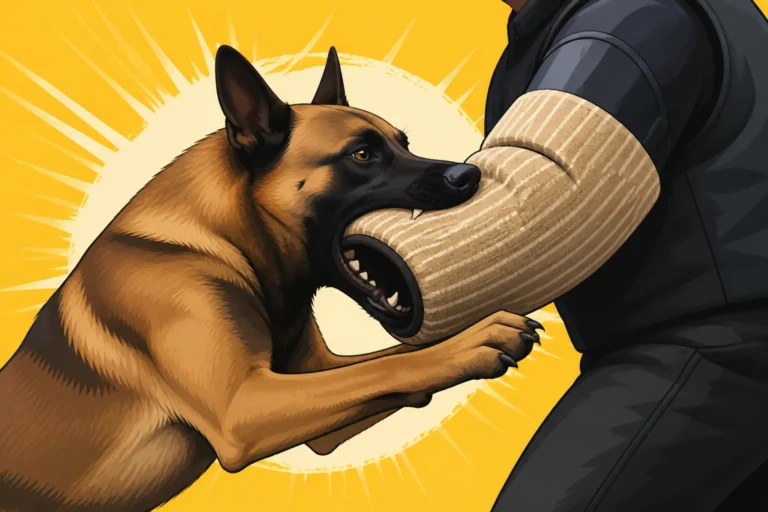
For many Belgian Malinois owners, bite sports like IGP (formerly IPO or Schutzhund), French Ring, or Mondioring represent the pinnacle of mental and physical engagement. While often perceived as purely physical, these sports are intensely mental. A dog competing in bite sport must demonstrate exceptional control, obedience, and problem-solving under extreme pressure. They need to understand complex scenarios, make decisions about when and how to engage a decoy, and demonstrate an immediate "out" (release of the bite) on command. This isn't just about biting; it's about channeling immense drive, self-control, and intelligent aggression within strict rules.
The protection phase of these sports, for instance, requires the dog to assess threats, guard, and protect their handler, often engaging a decoy in highly stylized and demanding sequences. This requires mental resilience, clear communication with the handler, and precise execution of learned behaviors. The mental processing involved in these scenarios, combined with the physical exertion, makes bite sports profoundly tiring for a Malinois. It truly demonstrates What Bite Sport Actually Asks of a Belgian Malinois, showcasing their intelligence and athleticism.
Recognizing a Mentally Satisfied Malinois
Knowing what constitutes effective mental work is one thing; recognizing when your Malinois is truly satisfied is another. It's about looking beyond the cessation of frantic energy and observing signs of genuine calm and contentment.
Signs of Calm and Contentment
A mentally satisfied Malinois isn't just lying down; they are settled. This means they are relaxed, often in a deep sleep, twitching from dreams, or quietly observing their surroundings without restlessness or hyper-vigilance. You'll notice less pacing, less demanding behavior, and a greater ability to lie down and simply "be." Their eyes will be softer, their body language more fluid, and they'll respond to cues without the frenetic energy that often accompanies an overstimulated dog.
Think about it this way: a physically tired dog might still be looking for something to do, their mind still buzzing. A mentally tired dog, however, has had their cognitive batteries drained. Their mental "to-do list" feels complete, allowing their entire system to downregulate. They're more responsive to requests for calm behavior and generally more pleasant to live with. This state of true relaxation is the ultimate goal, and it's something many owners strive for daily with The Structure a Belgian Malinois Needs Every Day.
Avoiding Over-Stimulation and Burnout
While mental work is crucial, it's also possible to overdo it, especially with a breed as intense as the Malinois. Pushing too hard or too long can lead to frustration, stress, and even behavioral regression. Signs of over-stimulation might include excessive panting even when not hot, increased irritability, difficulty focusing, or becoming overly reactive. Just like humans, dogs need downtime to process information and recharge.
It's vital to observe your dog's cues and end sessions on a positive note, before they become mentally fatigued to the point of frustration. Always allow for decompression time after intense mental activities. A quiet place to rest, a simple chew, or just some calm interaction can help them consolidate their learning and prevent burnout. The goal is a balanced dog: one who can engage intensely when asked, but also knows how to truly relax and enjoy periods of inactivity. This balance is key to a harmonious life with a Malinois, and it’s about more than just physical exhaustion. Whether a Malinois ever truly relaxes is a question many owners ponder, and mental work is the answer.
| Mental Work Type | Intensity Level | Required Equipment | Primary Benefits | Recommended Session Length |
|---|---|---|---|---|
| Scent Work/Nose Games | Low to Medium | Snuffle mat, scent articles, boxes | Builds focus, calms nervous energy, instinct fulfillment | 10-20 minutes |
| Puzzle Toys (Food Dispensing) | Low | Kong, Lick Mat, Slow Feeder, Interactive Puzzle | Encourages problem-solving, independent engagement | 15-30 minutes |
| Structured Obedience | Medium to High | Leash, collar, treats, clicker, training platform | Builds communication, self-control, mental discipline | 10-15 minutes (per session) |
| Advanced Tracking/Detection | High | Long line, harness, specific scent articles | Deep mental fatigue, instinct channeling, bond building | 30-60 minutes |
| Agility/Canine Freestyle | High | Obstacles, props, handler body language | Body awareness, creative problem-solving, handler focus | 15-30 minutes |
| Impulse Control Games | Medium | Everyday objects, treats, handler presence | Builds patience, self-regulation, respect for boundaries | 5-10 minutes (frequent) |
Disclaimer
This article is for general informational purposes only and does not constitute professional advice. Laws, prices and regulations vary by location and change over time. Consult a qualified professional for guidance on your specific situation.