The Job a Pet Belgian Malinois Can Be Given
It’s a common scenario: you brought home your incredible Belgian Malinois, admiring their intelligence and boundless energy, only to find that endless walks and games of fetch barely scratch the surface of their needs. Many pet owners quickly realize that without a true "job," their Malinois can become restless, destructive, or even anxious. This guide is here to walk you through practical, engaging "jobs" you can give your pet Malinois, transforming their intensity into focused purpose and a more harmonious home life.
Why a Pet Malinois Craves a Job
If you own a Belgian Malinois, you already know they aren't your average couch potato. These dogs were quite literally bred to work, to think, and to engage their incredible physical and mental prowess. When you bring a Malinois into your home, even if it's purely as a companion, you're welcoming a dog with an intrinsic need for purpose. Ignoring this fundamental aspect of their being is a recipe for frustration – for both you and your dog.
The Innate Drive and Energy Levels
A Belgian Malinois comes hardwired with an insatiable drive. This isn't just about physical energy, although they certainly have that in spades. It's a deep-seated desire to do something, to have a task, to solve a problem, and to work collaboratively with their handler. They possess extreme prey drive, high retrieve drive, and an intensity that can be overwhelming if not properly directed. Think of them as high-performance sports cars: you can park them in the garage, but they're built to be on the track, pushing limits and using their incredible engineering. Trying to turn a Malinois into solely a decorative pet is like asking that sports car to only drive to the grocery store once a week; it's capable, but profoundly underutilized and likely to cause issues. They thrive on engagement, on being challenged, and on feeling like they have a valuable role to play in your household, however small it might seem to us. It's not enough to simply exist; they need to contribute. This is a breed that genuinely enjoys the process of learning and performing.
Consequences of Under-Stimulation
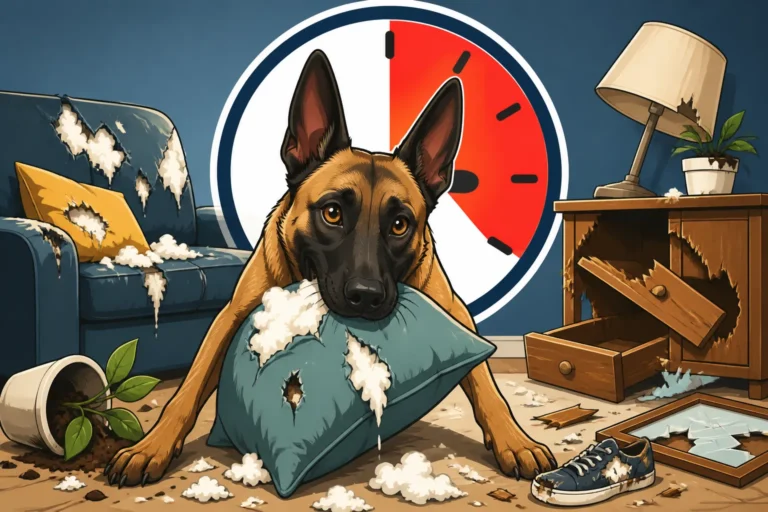
When a Malinois doesn't get the mental and physical stimulation they need, it doesn't just manifest as a little extra bouncing around. It can quickly escalate into a wide array of problematic behaviors that are deeply frustrating for owners. You might come home to shredded furniture, chewed-up doorframes, or holes dug in the yard that look like archaeological excavations. These aren't acts of malice; they are symptoms of profound boredom and misdirected energy. An under-stimulated Malinois might also develop obsessive behaviors, like shadow chasing or incessant barking. They can become hyper-vigilant and reactive to every sound and movement, turning a peaceful home into a constant battle against imagined threats. Sometimes, this can even lead to more serious issues like anxiety, stress-related digestive problems, or even aggression if their pent-up energy and drive are consistently ignored. It's like a pressure cooker without a release valve; eventually, something has to give.
Distinguishing a Malinois from Other Breeds
It's crucial to understand that a Belgian Malinois is fundamentally different from many other popular breeds often considered "active." A Labrador Retriever, for example, might be happy with a couple of long walks and a game of fetch. A Border Collie thrives on herding or agility. The Malinois combines intense physical endurance with incredible cognitive ability and an almost obsessive focus. They are often described as having an "on" switch but no "off" switch, and while we work to Building an Off Switch Into a Belgian Malinois, they truly need consistent, meaningful work to achieve that state of calm. They aren't content with passive companionship; they want to be actively involved. This isn't a dog you can leave alone for eight hours after a quick morning walk and expect to be angelic. Their drive is persistent, demanding an owner who understands this unique temperament and is prepared to channel it constructively. This is why The Handler Experience a Belgian Malinois Needs is often cited as a critical factor for success with the breed.
Mental Stimulation Over Pure Physical Exercise
Many Malinois owners, especially new ones, quickly fall into the trap of thinking that if their dog is acting out, they just need more physical exercise. While physical activity is absolutely essential for a Malinois, it's often a case of diminishing returns. You can run them for miles, throw the ball until your arm aches, and they'll still be looking at you, tail wagging, ready for the next challenge. The real secret to a balanced and fulfilled Malinois lies in engaging their sharp minds, not just their powerful bodies.
The Limitations of Just Running
Imagine you've just run a marathon. Your body is exhausted, but your mind might still be buzzing, perhaps even more so if you had a lot on your plate. For a Malinois, purely physical exercise can be much the same. A long run or a solid hour of fetch will indeed tire their muscles, but it doesn't necessarily quiet their active brains. In fact, for many high-drive Malinois, constant, un-structured physical exercise can actually build endurance and keep them in a perpetual state of "go-mode," making them even harder to settle down afterwards. You might find that after a strenuous run, your Malinois is physically tired but mentally still wound up, pacing, staring, or looking for the next thing to do. This is a common frustration for owners who feel like they're doing everything right physically, only to have their dog still wrecking the house. It's a clear sign that physical exertion is only one piece of the puzzle; The Mental Work That Finally Tires a Malinois Out is what truly brings balance.
Brain Games and Problem-Solving
This is where the magic happens for a Malinois. Engaging their intelligence through brain games and problem-solving tasks provides a deep satisfaction that physical exercise alone cannot. These "jobs" tap into their natural curiosity and drive to figure things out. Think about puzzle toys that require manipulation to release treats – there are countless options available on platforms like Amazon, from basic treat-dispensing balls to more complex sliding or lifting puzzles. Beyond commercial toys, you can create your own challenges: hide treats around the house, under cups, or inside rolled-up towels for them to sniff out. Teach them to open simple latches or push buttons to earn rewards. Start with easy tasks and gradually increase the complexity, celebrating every small success. These activities not only tire them out mentally but also build confidence and strengthen your bond as they look to you for guidance in solving these fun challenges. This is essentially Puzzle Work for a Belgian Malinois Indoors, a vital component of their daily enrichment.
Structured Training for Focus
Structured training isn't just about obedience; for a Malinois, it's a form of mental work that provides purpose and direction. Every session, no matter how short, requires them to engage their brains, listen to cues, and control their impulses. This isn't just about teaching "sit" and "stay" (though those are critical foundations). It's about building complex behaviors, chaining commands together, or teaching advanced tricks. For instance, instead of just "sit," teach "sit, stay, wait for release," adding duration and distance. Or teach them to retrieve specific named objects. These exercises demand sustained focus and mental effort, which is incredibly taxing for a Malinois. Many owners find value in online training programs, such as those offered by BAXTER & Bella, which provide structured curricula and support for teaching new behaviors and building a strong foundation of communication. These programs can help you teach your Malinois to truly think through tasks, rather than just react instinctively, giving them a meaningful cognitive workout.
Accessible "Jobs" for the Average Pet Owner
You don't need to sign up for competitive bite sports or advanced agility classes to give your Malinois a job. While those are certainly excellent outlets, many pet owners can integrate meaningful "work" into their daily routines using household tasks, structured play, and consistent obedience training. The key is consistency and understanding that even seemingly simple tasks can be highly fulfilling for a Malinois if presented as their special contribution.
Household Chores and Routine Tasks
One of the most straightforward ways to give your Malinois a sense of purpose is by assigning them "chores" around the house. These tasks leverage their natural desire to be involved and helpful. Think about teaching them to retrieve specific items: "bring me your leash," "get my slippers," or "fetch your toy basket." This isn't just a trick; it gives them a role in the household's functioning. You can also teach them to "put away" their toys by dropping them into a designated bin. Some Malinois even enjoy "helping" with laundry by retrieving socks or small items. The process of learning these cues, executing the task, and receiving praise or a high-value reward provides immense satisfaction. It taps into their innate drive to interact with objects and to please their handler, turning routine activities into engaging work sessions. Just be sure to start with simple, clear commands and build up gradually, always making it a positive and rewarding experience.
Basic Obedience as a Foundation
While advanced obedience can be a job in itself, even mastering and consistently practicing basic obedience is crucial groundwork and a continuous "job" for your Malinois. Commands like sit, stay, down, come, and heel are not merely about control; they are about communication and structure. For a Malinois, executing these commands flawlessly, especially in distracting environments, requires significant mental effort and focus. Make daily obedience practice a non-negotiable part of your routine. These short, sharp bursts of mental engagement are far more effective than an hour of aimless running. Think of it as their daily mental workout. The Structure a Belgian Malinois Needs Every Day goes far beyond just physical activity, encompassing consistent expectations and mental challenges. Regular, rigorous obedience sessions build their understanding of boundaries and expectations, giving them a clear framework within which to operate, which itself is a job.
Enrichment Toys and DIY Puzzles
Beyond formal training, enrichment toys and homemade puzzles can provide ongoing, self-directed "jobs" for your Malinois. These are fantastic for those times when you can't actively engage with them or need them to settle down. Kongs stuffed with frozen treats or peanut butter can keep a Malinois occupied for a significant period, requiring focused effort to extract the contents. Snuffle mats, where treats are hidden within fabric strips, encourage their natural foraging instincts and scenting abilities. As mentioned earlier, various interactive puzzle feeders found on sites like Amazon challenge them to manipulate parts to get rewards. You can also create simple DIY puzzles: hide treats inside cardboard boxes, toilet paper rolls, or under overturned plastic cups. Rotate these toys and puzzles to keep things fresh and interesting, ensuring your Malinois always has a new problem to solve. These aren't just toys; they are tools for mental enrichment, giving your dog a constructive outlet for their intelligence and drive when direct human interaction isn't possible.
Leveraging Natural Malinois Instincts
The Belgian Malinois, at its core, is a herding dog with strong protective instincts. While you might not have sheep to herd or a criminal to apprehend, you can channel these inherent drives into appropriate and safe "jobs" that fulfill your pet Malinois. This involves understanding what motivates them and designing activities that tap into these deep-seated natural behaviors in a controlled and positive manner.
Introduction to Scent Work
Scent work is an absolutely phenomenal "job" for a Malinois, tapping directly into their incredible olfactory abilities and intense focus. Dogs naturally explore the world through their noses, and Malinois excel at it. This isn't just a fun game; it's mentally exhausting and incredibly satisfying for them. You can start with simple "find the treat" games, hiding high-value treats in various spots around a room or yard and encouraging your dog to sniff them out. Gradually increase the difficulty by hiding treats in more obscure locations or using multiple scents. Once your dog understands the game, you can introduce specific target odors, such as essential oils (birch, anise, clove) used in competitive nose work, if you choose to explore that path. Many online resources and local clubs offer classes for beginners in scent detection. This activity builds immense confidence and focuses their high drive into a calm, methodical search. It's an accessible job that requires minimal equipment, mostly just treats and a willingness to hide things! This can easily become Starting Scent Detection With a Belgian Malinois for any pet owner.
Controlled Tug and Object Guarding
For a Malinois, few things are as satisfying as a good game of tug. This activity directly channels their strong prey drive and desire to grip, which is a foundational element of many working dog disciplines. However, it's crucial that tug is played with rules and control. This isn't about letting your dog dominate the game; it's a structured interaction. Teach commands like "take it," "hold," and, most importantly, "out" or "drop" to release the tug on command. Use a sturdy tug toy, not just any old item they might destroy. This controlled play provides an incredible physical and mental workout, allowing them to express their natural drives in a safe, constructive way.
You can extend this to a form of "object guarding" or "possession work" by having them "guard" a specific toy or object for a short period. Place a favorite toy, like a Kong or durable ball (many options on Amazon), between their paws while they're in a "down" or "stay" position. Reward them for calmly maintaining possession until you give a release command. This teaches impulse control around valuable items and provides a sense of purpose without needing an actual "intruder." This is a fantastic way to satisfy their protective instincts in a low-stakes, safe environment, reinforcing their understanding of boundaries around objects. Channeling a Belgian Malinois's Prey Drive Into a Tug is essential for harnessing this drive safely.
Foundation for Agility or Herding Games
Even if you never plan to compete, introducing basic elements of agility or herding can be a fantastic job for your Malinois. These activities build body awareness, problem-solving skills, and a deeper bond. For agility, you don't need fancy equipment. You can use household items to create a mini course: jump over a broomstick laid on cinder blocks, weave through garden stakes, or tunnel under a blanket draped over chairs. Focus on teaching them how to navigate obstacles safely and enthusiastically.
For herding games (without actual livestock), you can use large exercise balls (sometimes called "herding balls" or "fit balls") or even large inflatable beach balls. The idea is for your Malinois to learn to push and control the movement of the ball, mimicking the concept of moving livestock. This taps into their genetic predisposition for gathering and driving. This provides an immense mental and physical challenge and can be done in a fenced yard. Always supervise these activities closely, especially in the beginning, to ensure safety and prevent injury. These activities provide a structured outlet for their innate instincts, giving them a meaningful and engaging "job."
| Job Type | Description | Primary Malinois Instinct Engaged | Benefits | Equipment (Basic) |
|---|---|---|---|---|
| Scent Work | Finding hidden treats or specific odors | Olfactory, Foraging | Mental exhaustion, focus, confidence, calming | Treats, boxes, essential oils |
| Controlled Tug/Retrieve | Structured play with rules around retrieving/tugging | Prey Drive, Grip, Cooperation | Physical outlet, impulse control, bond reinforcement | Durable tug toy, tennis ball |
| Object Guarding | Calmy maintaining possession of an item on command | Protective, Possession | Impulse control, mental focus, sense of purpose | Favorite durable toy |
| Household Chores | Retrieving items, putting toys away | Cooperation, Intelligence | Mental engagement, integration into family life, sense of value | Designated items, treat rewards |
| Basic Agility/Parkour | Navigating simple obstacles (jumps, weaves, tunnels) | Physicality, Body Awareness | Physical fitness, problem-solving, confidence | Household items, low jumps |
| Herding Games | Pushing a large ball in a controlled manner | Herding, Control | Mental stimulation, physical outlet, instinct fulfillment | Large exercise/herding ball |
Integrating "Work" into Daily Life
The idea of giving your Malinois a "job" might sound like a massive undertaking, but it doesn't have to be. The most successful approach is to weave these activities into your daily routine, making them a consistent and expected part of your dog's life. This isn't about adding hours of extra work for you; it's about making the time you already spend with your dog more meaningful and impactful.
Scheduling Dedicated Work Sessions
Even short, dedicated work sessions can make a huge difference. Aim for 10-15 minutes, two to three times a day, specifically focused on a "job" rather than just free play. This could be a scent work session in the morning, a structured obedience session before lunch, and a controlled tug game in the evening. By scheduling these, you ensure they happen, and your Malinois learns to anticipate these opportunities for focused engagement. It helps them understand that there's a time for "work" and a time for relaxation, contributing to that elusive "off switch." Just as you have your own work schedule, giving your Malinois a predictable routine for their mental and physical engagement provides immense security and fulfillment. These sessions don't need to be long or exhaustive to be effective; quality over quantity is key here.
Short, Frequent Bursts of Engagement
Instead of trying to cram all their mental stimulation into one long session, break it up throughout the day. A Malinois benefits greatly from short, frequent bursts of engagement. While you're making coffee, ask for a few "sits" and "downs" with high-value rewards. During commercial breaks, practice a new trick or a series of commands. When you walk into a different room, give them a "place" command on their bed or mat. Every time you open the fridge, have them perform a quick obedience exercise. These micro-sessions add up, keeping their brain ticking over and reinforcing their bond with you. This constant, varied interaction prevents boredom from setting in and reinforces the idea that you are the source of all good things and interesting challenges. Remember, Two Hours and a Job a Belgian Malinois Demands Daily doesn't mean two consecutive hours; it means consistent engagement throughout the day.
Consistency is Key
Perhaps the most critical aspect of integrating work into your Malinois's life is consistency. A Malinois thrives on routine and clear expectations. If "jobs" are sporadic, only happening when you have extra time or when your dog is acting out, it sends mixed signals. They need to know what to expect and when. This doesn't mean every day has to be identical, but the principle of daily mental engagement should remain constant. Whether it's a puzzle toy, a scent game, or a short obedience drill, make sure their brain is being exercised consistently. Consistency builds trust, reinforces learning, and helps your Malinois understand their role and boundaries within the home. Without it, you might find that What an Untrained Malinois Does With an Intruder or other challenging behaviors become more prevalent because the dog hasn't been given the clear, consistent guidance it needs to thrive. A consistent routine, even a flexible one, provides the mental stability that these intelligent dogs crave.
Knowing When Your Malinois is Fulfilled
It's one thing to provide "jobs" for your Belgian Malinois, and another to truly understand if those efforts are genuinely fulfilling their needs. A contented Malinois is a joy to live with, but recognizing the signs of fulfillment – and also knowing when you might be doing too much – is crucial for maintaining balance and preventing burnout in such a high-drive dog.
Signs of a Content Malinois
A Malinois that is truly fulfilled by their "job" will exhibit a range of positive behaviors. First and foremost, you'll see a dog that can settle. This means they're not pacing incessantly, staring blankly, or constantly seeking attention with nudges or barks. They'll be able to relax, lie down, chew a bone calmly, or even nap soundly. Their destructive behaviors will significantly decrease or disappear, as they're no longer seeking to entertain themselves through inappropriate chewing or digging. You'll observe increased focus during training sessions and a quicker response to commands. A fulfilled Malinois is often more receptive to affection and more tolerant of downtime. Their eyes will look engaged and bright, rather than antsy or stressed. Essentially, you'll have a dog that is present and calm in the home, yet still eager and ready for action when it's time for their next "job." This balance is the ultimate goal.
Avoiding Over-Stimulation
While under-stimulation is a significant problem for Malinois, it's also possible to inadvertently over-stimulate them. This often happens when owners, trying their best, constantly engage their dog with high-arousal activities without any "off" time or teaching them how to settle. A Malinois that is constantly "on" – always chasing, always working, always pushing – can become just as frantic and difficult to live with as an under-stimulated one. Signs of over-stimulation include an inability to relax even after intense exercise, hyper-vigilance, reactivity to minor stimuli, stress panting, excessive whining, or even self-mutilation (like constant paw licking). They might struggle to fall asleep or wake up at the slightest sound. It's a delicate balance; you want to engage their drive, but also teach them that there are times for rest and quiet. This is where Building an Off Switch Into a Belgian Malinois becomes absolutely paramount, teaching them to exist peacefully in the absence of a task.
Adjusting the Workload
The amount and type of "job" your Malinois needs will naturally change over time. A young Malinois puppy going through The Shark Phase Every Malinois Puppy Goes Through will need different outlets than a mature adult or an older dog whose The Age a Working Malinois Starts to Slow. You need to be observant and flexible. On days with poor weather, focus more on indoor puzzle games or scent work. On days when your dog seems particularly restless, you might add an extra short training session. If you notice signs of over-stimulation, it might be time to dial back the high-arousal activities and increase relaxation training or passive enrichment. Pay attention to their energy levels, their ability to settle, and their overall demeanor. If they are consistently happy, engaged, and calm when not working, you've likely found the right balance. Don't be afraid to experiment with different types of jobs, observe your dog's response, and adjust their "workload" accordingly. It's an ongoing conversation with your incredible canine partner.
Disclaimer
This article is for general informational purposes only and does not constitute professional advice. Laws, prices and regulations vary by location and change over time. Consult a qualified professional for guidance on your specific situation.