What an Untrained Malinois Does With an Intruder
It's a common, yet often dangerous, misconception that simply owning a Belgian Malinois means you have an automatic, infallible guard dog. The reality is far more complex and, frankly, quite risky if that Malinois is untrained. This guide will delve into the unpredictable and potentially perilous ways an untrained Malinois might react when confronted with an intruder, shedding light on why relying solely on instinct is a recipe for disaster for both dog and owner.
The Chasm Between "Untrained" and "Protection Trained"
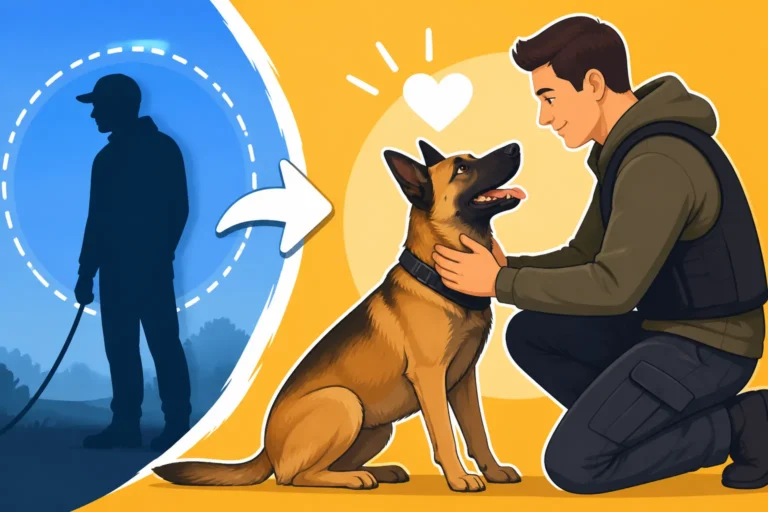
When we talk about an "untrained" Belgian Malinois, it's crucial to understand that we're not just referring to a dog that doesn't know how to "sit" or "stay" perfectly. For a breed with the innate drives and power of a Malinois, "untrained" means lacking structured guidance in crucial areas like impulse control, nerve stability, handler responsiveness under pressure, and clear communication on appropriate and inappropriate responses to threats. This isn't just about manners; it's about channeling immense natural ability into a predictable, controllable asset.
A Malinois operating purely on instinct, without the benefit of a thoughtful training program, is a wildcard. Their reactions can range from fear-based avoidance to chaotic, uncontrolled aggression, neither of which serves the owner's best interest in a true protection scenario. Many owners get a Malinois hoping its reputation will deter threats, but without active, consistent engagement and training, that reputation is just that – a reputation, not a guarantee of safety or effective defense. A dog that is not specifically trained for protection work lacks the discernment to distinguish between a truly dangerous intruder and, say, a child who has wandered into the yard, or even an invited guest acting suspiciously. The nuanced decision-making required for real protection comes from dedicated, professional training, not simply from a breed's genetics.
Think of it this way: a powerful sports car is incredibly capable, but without a skilled driver, it's just a fast vehicle prone to crashing. A Belgian Malinois is that sports car; the owner is the driver, and training is the driving school. Without it, you're just hoping for the best. This is why many lament, Why Most Belgian Malinois Owners Underestimate the Breed.
The Raw Instincts That Take Over
When an unfamiliar person enters a Malinois's territory unexpectedly, especially under potentially threatening circumstances, several powerful instincts can kick in. These are hardwired into the breed, stemming from their heritage as herding and working dogs. However, without specific training, these instincts are blunt instruments, not surgical tools.
Territoriality and Alarm Barking
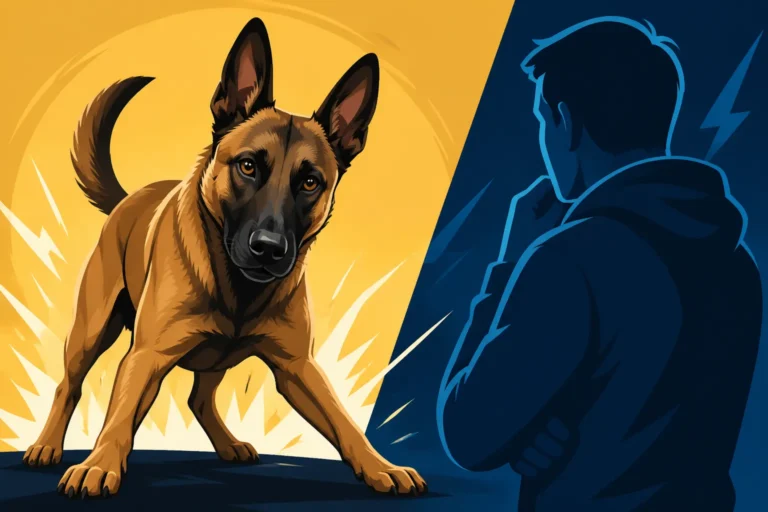
Many Malinois possess a strong sense of territoriality. This often manifests first as intense alarm barking. They might bark relentlessly, deep and authoritative, attempting to make the intruder aware they've been detected and warn them off. This can be a very effective deterrent in itself; many intruders are looking for an easy target and a loud, persistent dog can be enough to send them packing. However, an untrained Malinois might bark, but then retreat if the intruder persists, or, conversely, escalate into an attack without the "off switch" that a trained dog possesses. The barking can be a great first line of defense, but it’s not always the complete solution you might imagine. It simply announces a presence, not necessarily a controlled response.
Prey Drive: A Double-Edged Sword
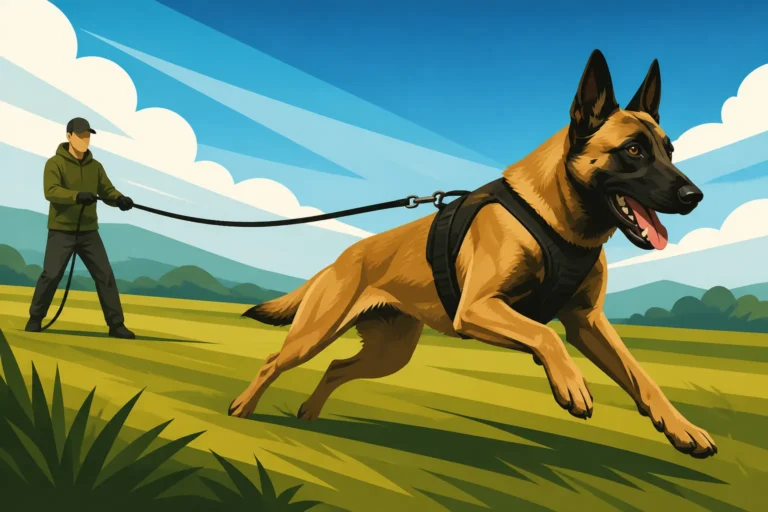
Belgian Malinois are famously high in prey drive. This is the instinct to chase, capture, and "kill" (in a simulated sense, like with a tug or sleeve) moving objects. When an intruder appears, especially if they try to run, this prey drive can be ignited. An untrained Malinois might see the intruder's movement as an invitation to engage in a high-speed chase, biting and holding onto whatever it can get. This might sound good on the surface – a dog engaging an intruder! – but it’s incredibly dangerous. Without specific bite work training, the dog doesn't know where to bite, how hard to bite, or most critically, when to release. It's not a controlled "take down" but an uncontrolled animal acting on its most primal urge. The dog could latch on and not let go, causing severe injury, but without any ability for the handler to call it off. This is a far cry from Channeling a Belgian Malinois's Prey Drive Into a Tug in a controlled sport setting.
Fight, Flight, or Freeze: Unpredictable Responses
In a high-stress situation, any animal, including a Malinois, can default to one of three primary responses: fight, flight, or freeze.
- Fight: This is what most owners hope for – the dog bravely confronting the threat. But for an untrained Malinois, "fight" can mean indiscriminate, panicked biting, not a strategic defense. It can be born of fear just as much as courage, leading to dangerous overreactions.
- Flight: A Malinois, even a tough one, might become overwhelmed by the sudden appearance of an intruder and choose to retreat, hide, or flee. This is especially true if the dog is not confident or lacks proper socialization. An owner expecting a protector might find their dog cowering in another room, which can be a difficult pill to swallow but is a perfectly natural canine response to fear.
- Freeze: Some dogs might simply freeze in place, unsure of how to react, barking nervously or remaining still. This is often a sign of immense stress and confusion, rendering them ineffective as a deterrent.
The critical takeaway is that an untrained Malinois lacks the consistent temperament and clear direction to reliably choose the "fight" option in a controlled, effective, and legally sound manner. Their reactions are a roll of the dice.
Potential Scenarios: From Confusion to Crisis
Let's walk through some realistic scenarios of how an untrained Malinois might behave with an intruder, highlighting the sheer unpredictability.
The Loud, Ineffective Bluff
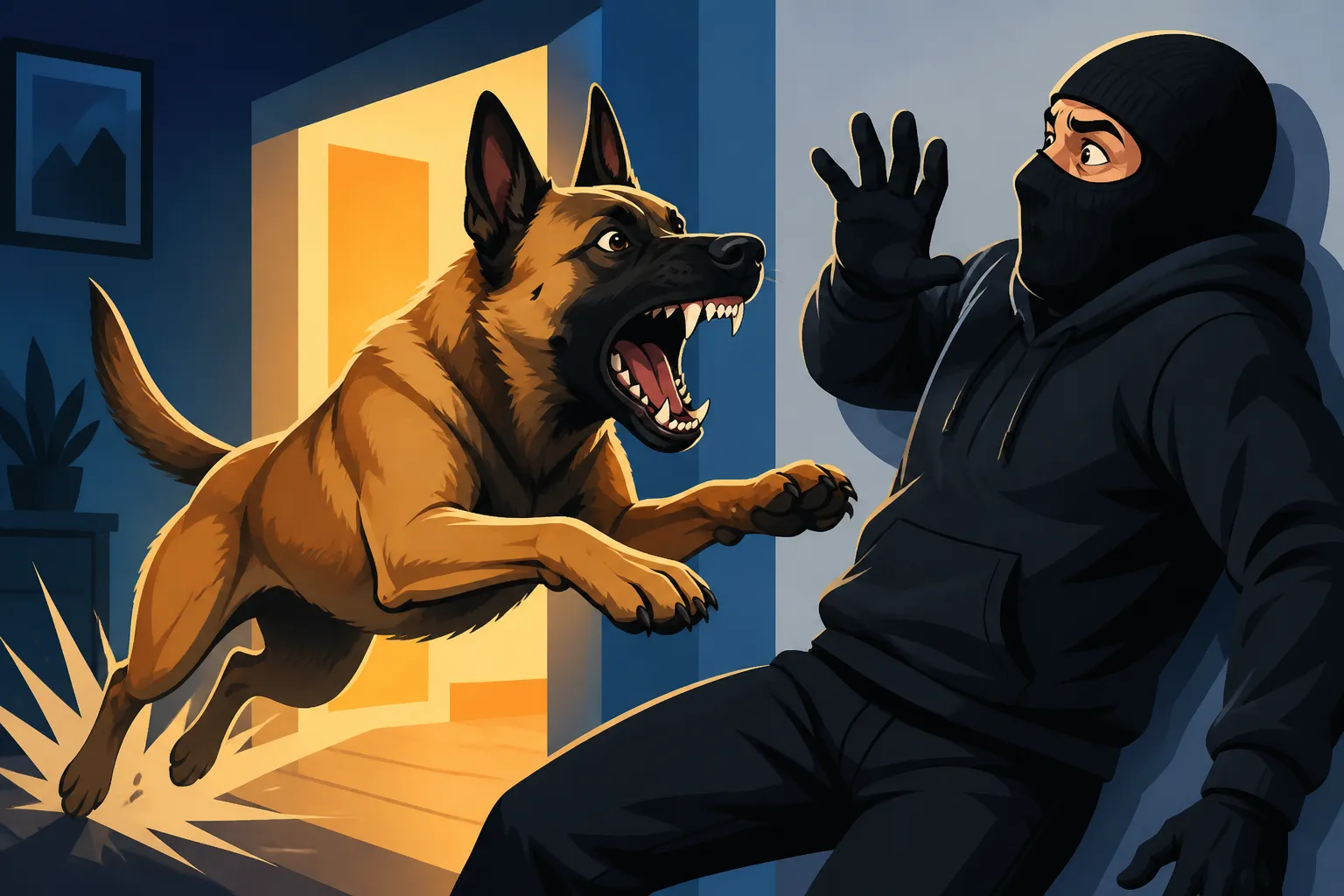
In this scenario, an intruder attempts to force entry. The untrained Malinois barks furiously, perhaps charging the door or window. The sound and intensity are impressive. The intruder might be startled and initially retreat, thinking, "Okay, this place has a serious dog." However, if the intruder is determined and calls the dog's bluff, perhaps by yelling back or even attempting to kick at the door, the Malinois might back down. The dog might continue to bark, but without the underlying training and confidence that it must follow through, it might simply be making noise. The owner is left with a barking dog but no real defense, or worse, a dog that gets injured when the intruder discovers it's all bark and no controlled bite.
The Uncontrolled Latch-On
This is perhaps the most dangerous scenario from a legal and safety perspective. An intruder manages to get inside. The untrained Malinois, driven by a mix of territoriality, prey drive, and sheer panic, engages. It might lunge, bite, and latch onto the intruder wherever it can – an arm, a leg, even the torso. The problem is, without a trained "out" or release command, the dog might not let go. The intruder could sustain severe, debilitating injuries. While an owner might initially feel relief that their dog "protected" them, this quickly turns into a nightmare when law enforcement arrives. The dog is now seen as out of control, a public menace. This is entirely different from the precision and handler control seen in structured sports like IGP or Mondioring, where What Bite Sport Actually Asks of a Belgian Malinois is a carefully orchestrated sequence.
The Fearful Retreat
In contrast to the above, an intruder enters, and the untrained Malinois, despite its imposing breed, becomes fearful. It might initially bark, but then retreats to a corner, hides under a bed, or even attempts to flee the house if an exit is available. This isn't a sign of cowardice but often a lack of confidence and the absence of clear direction. The dog doesn't understand its role, hasn't been put in similar, controlled training scenarios to build its resilience and response, and so defaults to self-preservation. The owner, expecting a protector, is left vulnerable, and the dog is likely traumatized by the experience.
The Friendly (But Still Potentially Dangerous) Greeting
Believe it or not, some untrained Malinois, if they haven't been taught to be suspicious of strangers, might actually be curious or even approach an intruder in a friendly manner. This is rare for a true "intruder" scenario, but it speaks to the lack of discernment. If the intruder then acts aggressively towards the dog, or tries to harm the owner, the dog's reaction might shift to chaotic defense. This lack of initial suspicion is why proper socialization and controlled exposure, rather than just raw instinct, are crucial. A course like those offered by BAXTER & Bella can provide fundamental obedience and confidence-building for your Malinois, helping to prevent such dangerous ambiguities.
The Accidental Bite
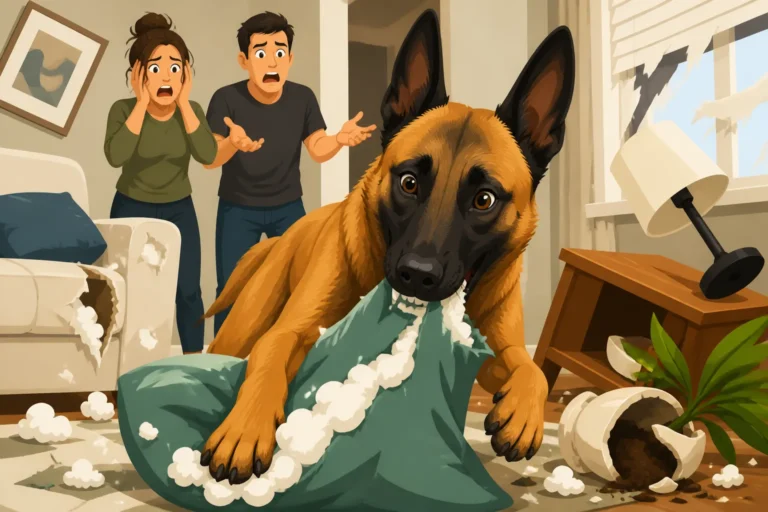
Sometimes, an untrained Malinois, in its confusion and high arousal, might accidentally bite a family member in the chaos. In a stressful home invasion, with people moving quickly and emotions running high, a dog without proper control can easily misdirect its actions. This is a devastating outcome, as the dog meant to protect ends up harming its own family. This underscores why Building an Off Switch Into a Belgian Malinois is so paramount.
The Grave Risks and Realities for the Owner
Relying on an untrained Malinois for protection isn't just ineffective; it carries significant risks and real-world consequences for the owner.
Legal Liability: A Heavy Burden
This is perhaps the most immediate and impactful consequence. If your untrained Malinois bites an intruder, even if that person was breaking into your home, you could face severe legal repercussions. Laws regarding self-defense and dog bites vary dramatically by location, but generally, an owner is responsible for their dog's actions. Without clear evidence of provocation and proof that your dog was under control or trained appropriately for protection (a highly specialized field with its own legal standards), you could be liable for medical expenses, pain and suffering, and other damages. This can lead to substantial financial penalties and legal battles. It's not uncommon for cities to have breed-specific legislation or "dangerous dog" designations that can lead to fines, mandatory muzzling, strict containment requirements, or even euthanasia for a dog involved in an uncontrolled bite incident. Understanding What a Belgian Malinois Bite Costs an Owner is crucial.
Injury to Your Dog or Family
An untrained dog, rushing into a confrontation, is also at high risk of injury. An intruder might carry a weapon, lash out in fear or anger, or otherwise harm your dog. Additionally, as mentioned before, in the chaos of an uncontrolled situation, your Malinois could accidentally injure a family member. The emotional toll of your dog being hurt while trying to protect you, especially when that protection was untrained and chaotic, can be immense.
False Sense of Security
Perhaps one of the most insidious risks is the false sense of security an owner develops. Believing that their "tough" Malinois will automatically deter or handle an intruder can lead to complacency. They might not take other security measures, only to find their dog's reaction is unpredictable or ineffective when a real threat emerges. True protection comes from a multi-layered approach, with a professionally trained dog being just one, highly specialized component.
Psychological Fallout for the Dog
An uncontrolled, traumatic encounter with an intruder can have lasting psychological effects on your Malinois. It might become more reactive, anxious, or fearful in other situations, leading to ongoing behavioral problems. A dog that was already high-strung could develop severe stress-related issues, making daily life challenging. This is especially true if the dog was forced into a situation it wasn't prepared for. Imagine the stress of A Malinois That Screams Rather Than Settles amplified by a home invasion.
Strain on the Human-Animal Bond
An incident where your Malinois acts unpredictably or causes harm can severely strain the bond you share. You might feel a loss of trust, anxiety about future interactions, or guilt over putting your dog in such a position. This powerful, empathetic connection with your Malinois is one of the joys of ownership; don't let a lack of training jeopardize it.
The Path to Responsible Ownership
If your goal is for your Belgian Malinois to be a true protector, it requires far more than natural instinct; it demands professional, specialized training. This is not something you can DIY from a few YouTube videos. It involves:
- Solid Foundation in Obedience: Before any protection work, a Malinois needs impeccable obedience. Commands like "sit," "stay," "come," and "down" must be rock-solid, even under extreme distraction. This forms the basis of control. Resources like comprehensive online guides or courses, often available on platforms like Amazon or specialized dog training sites, can help establish this foundational work. A strong Recall on a Belgian Malinois in Full Drive is essential for safety and control in any scenario.
- Advanced Control and Temperament Assessment: A reputable protection trainer will assess your dog's nerves, confidence, and drive to determine if it's even a suitable candidate for protection work. Not every Malinois, even from working lines, has the right mental makeup for it.
- Controlled Protection Training: This involves working with experienced decoys (people wearing protective suits) in highly structured scenarios. The dog learns when to engage, how to bite effectively and safely, and most importantly, to release on command. This is about precision and handler control, not uncontrolled aggression. Whether Bite Work Belongs in a Pet Malinois's Life is a question that leads many to consider these structured environments.
- Ongoing Maintenance: Protection training is not a one-and-done deal. It requires continuous practice and reinforcement to maintain the dog's skills and ensure they remain reliable and safe.
Without this level of commitment, your Belgian Malinois is just a powerful dog with strong instincts. While their presence might deter some, their actual response to an intruder will be a gamble, with potentially dire consequences for everyone involved. Even simple safety measures like Muzzle Conditioning Before a Malinois Ever Needs One are vital for an untrained dog in high-stress situations.
Conclusion
The idea of an untrained Belgian Malinois instinctively taking down an intruder like a Hollywood action hero is a dangerous fantasy. In reality, an untrained Malinois encountering a true threat is a scenario fraught with unpredictability and significant risk. Their natural drives are immense, but without proper guidance, they can lead to chaotic, ineffective, or even legally detrimental outcomes for the owner. Responsible ownership of such a powerful breed means understanding and actively channeling their abilities through dedicated, professional training. Don't rely on luck; invest in training that keeps both your family and your loyal companion safe and secure.
Disclaimer
This article is for general informational purposes only and does not constitute professional advice. Laws, prices and regulations vary by location and change over time. Consult a qualified professional for guidance on your specific situation.