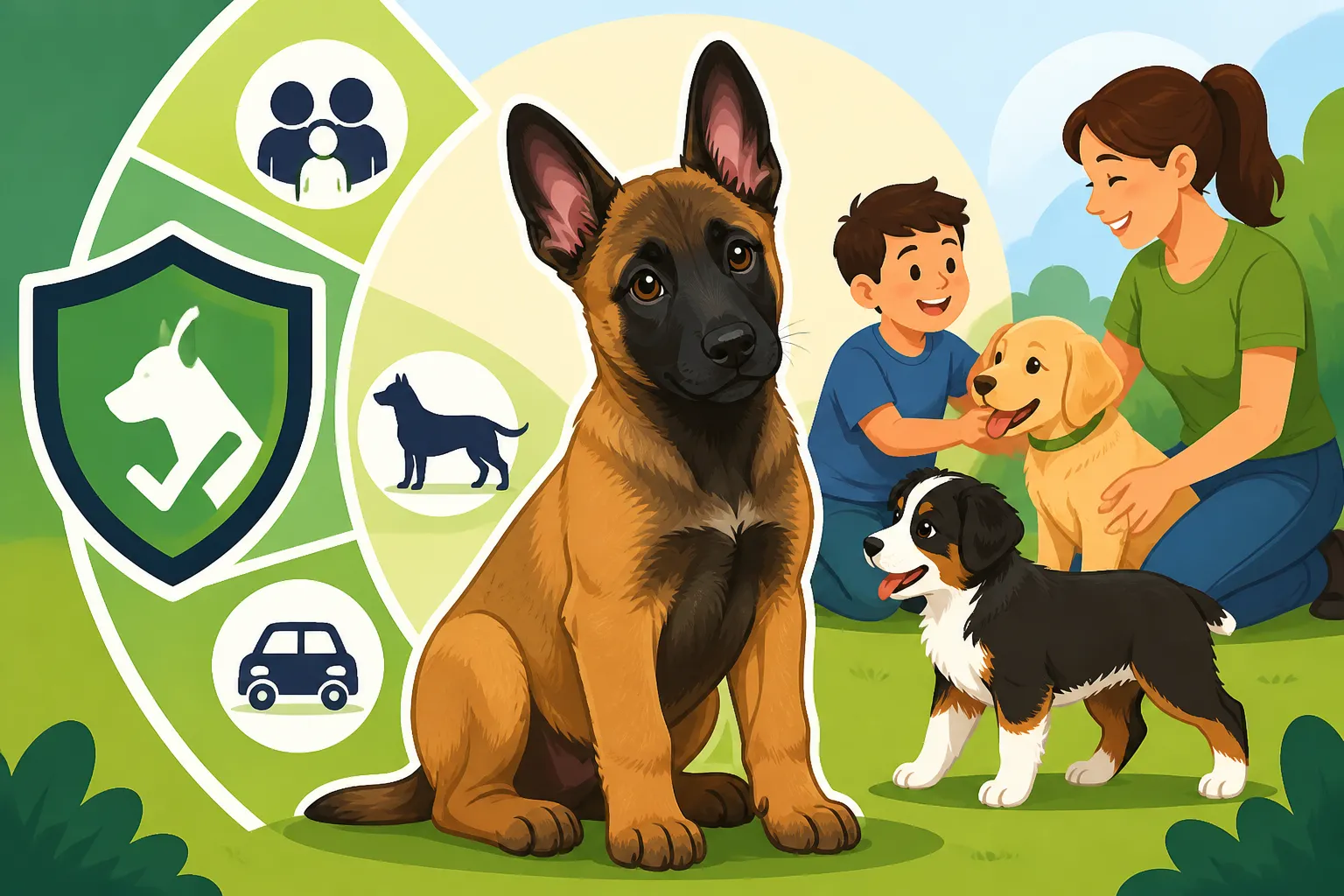
Socializing a Belgian Malinois Puppy Safely
Bringing a Belgian Malinois puppy home is an exhilarating experience, but soon after the initial joy, the daunting task of socializing such an intelligent, high-drive breed can feel overwhelming. Many new owners worry about doing it wrong, leading to reactivity or fear down the line. This guide is here to walk you through safe, structured methods for socializing your Malinois puppy, ensuring they grow into a confident, well-adjusted companion without unnecessary stress or pitfalls.
Understanding the Malinois Puppy's Worldview
It’s easy to approach puppy socialization with the same mindset you might for a Golden Retriever or a Labrador, but a Belgian Malinois puppy operates on a different frequency. Their intense drive, sharp intelligence, and inherent protective instincts mean that every single interaction, every new sound, every novel sight, is absorbed and processed with an incredible depth. This isn't a breed you can just "throw into the deep end" and expect them to swim calmly. They need guidance, reassurance, and a very clear understanding from you that you are their anchor in a sometimes chaotic world.
More Than Just Play Dates: The Depth of Malinois Sensitivity
Unlike some other breeds that might brush off a startling noise or a rude dog encounter, a Malinois puppy often logs these experiences with precision. A single negative interaction – a dog that snaps, a child that screams unexpectedly, or an unfamiliar object that causes fear – can etch itself into their memory and shape their reactions for weeks, months, or even years. This isn't to say your Malinois puppy is fragile, but rather profoundly impressionable. You aren't just introducing them to the world; you're teaching them how to interpret the world, and your steady, calm presence is the most vital lesson.
Because of this profound sensitivity, the quality of early experiences far outweighs the sheer quantity. It's better to have fewer, carefully managed, positive exposures than many chaotic, potentially negative ones. Think of it as laying down a foundational blueprint for their emotional landscape. If that blueprint is filled with anxiety or fear, it’s much harder to build confidence upon it later. We want to build a sturdy, resilient framework, and that starts with understanding their unique processing style.
Many owners mistakenly believe that the more dogs or people their Malinois puppy meets, the better. While exposure is key, the nature of that exposure is paramount for this breed. Uncontrolled interactions can teach a Malinois puppy to be wary, reactive, or even aggressive, rather than genuinely social. Your goal is to foster neutrality and confidence, not necessarily boisterous friendliness with every living thing they encounter. Remember, a confident Malinois is often a neutral Malinois, comfortable in its own skin and secure in your leadership, rather than one frantically trying to engage with everything.
The Drive to Interact: Not Always Social Cues
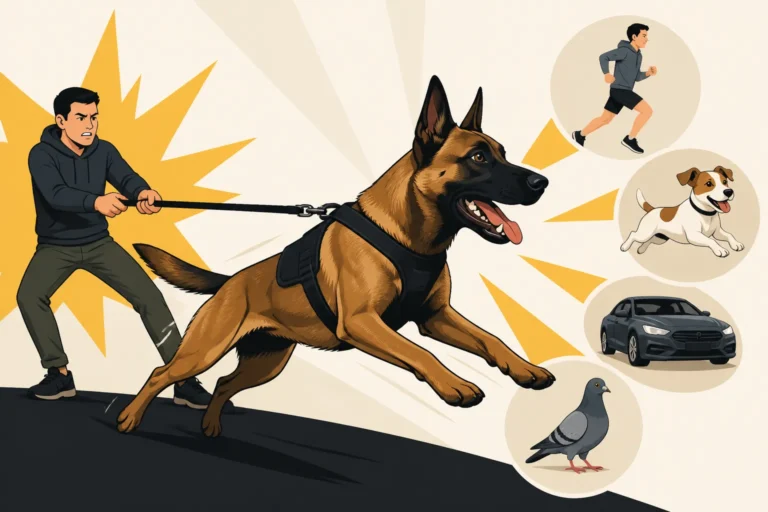
A Malinois puppy's high drive manifests in many ways, and sometimes that intensity can be misread as social outgoingness. They might fixate on other dogs or people, pull hard on the leash, or even lunge with what appears to be enthusiastic curiosity. However, this intense focus can often be rooted in prey drive, a desire to control space, or an overabundance of energy rather than a true interest in polite, reciprocal social interaction. Other dogs, especially more laid-back breeds, can find this intensity overwhelming or even threatening, leading to negative encounters.
For example, a Malinois puppy might spot another dog across a field and charge towards it with incredible speed and focus. To an untrained eye, this might look like an eager greeting. But for the Malinois, it could be the thrill of the chase, the excitement of a moving target, or an assertive move to investigate and potentially dominate. This is why controlled observation, where the puppy is learning to be calm and look to you for direction, is often far more beneficial in the early stages than unsupervised "free play" with unknown dogs. This approach also helps manage The Shark Phase Every Malinois Puppy Goes Through, where their puppy biting can be intense and misdirected.
Understanding this distinction is crucial. Your Malinois puppy needs to learn that not every moving object is a target, and not every encounter requires intense engagement. They need to learn to exist calmly in the world, processing stimuli without feeling the need to react explosively. This is where your guidance comes in, teaching them appropriate responses and channeling their incredible drive into productive activities rather than undirected, potentially problematic social behaviors. You want them to be able to share space politely, not necessarily be the life of the party at the dog park.
Building Foundational Trust and Calm Exposure
Effective socialization for a Belgian Malinois puppy isn't about exposing them to as many novel things as possible. It's about building a solid foundation of trust with you, their handler, and then carefully guiding them through new experiences in a way that reinforces that trust and encourages a calm, neutral demeanor. Your puppy needs to know that you are their safe harbor, their protector, and their most reliable source of information about the world.
The Human-Malinois Bond as the Anchor
Your relationship with your Malinois puppy is the single most important factor in successful socialization. They need to view you as their leader, their protector, and the source of all good things. This bond, built on clear communication, consistency, and positive reinforcement, acts as an emotional anchor. When your puppy encounters something new or potentially startling, they should instinctively look to you for guidance and reassurance, rather than reacting independently out of fear or over-excitement.
Controlled exposure is key here. Instead of letting your puppy roam freely in a busy environment, hold them, keep them on a short leash, or even carry them. Allow them to observe the world from a safe distance, rewarding calm glances and relaxed body language with high-value treats. Every positive, low-stress experience strengthens their confidence and solidifies your role as their guide. If they seem overwhelmed, simply increase the distance, distract them, or remove them from the situation entirely. Never force an interaction that makes your puppy uncomfortable. Resources like BAXTER & Bella offer structured online programs that can help you systematically build this foundational bond and guide you through early socialization steps from the comfort of your home.
This constant reinforcement teaches your puppy that new things aren't inherently scary, and that when they are uncertain, looking to you for direction yields positive results. This proactive guidance prevents them from developing their own, potentially negative, coping mechanisms. Think about it: a puppy that learns to bark and lunge at strangers because they feel unprotected is a puppy that hasn't had its bond with its handler properly established in novel situations. Focusing on this bond from The First Week With a Belgian Malinois Puppy is absolutely crucial for their long-term stability and confidence.
Structured Exposure to Novel Environments and Sounds
Once your puppy understands that you are their safe zone, you can begin structured exposure to various environments and sounds. The goal isn't for them to interact with everything, but to learn to exist calmly amidst diverse stimuli. This involves taking them to different places and letting them process the new sights, sounds, and smells from a controlled distance.
Consider taking your puppy to a local park during off-peak hours, a quiet shopping center (carrying them or in a cart if appropriate), or walking them on sidewalks near moderate traffic. Let them experience different surfaces like grass, concrete, gravel, and even grates. Expose them to the sounds of children playing, car horns, construction noises, and other everyday sounds, always ensuring they are at a comfortable distance where they can observe without becoming overwhelmed. Reward any calm or neutral reactions with praise and treats. You can find excellent training treats and long lines on platforms like Amazon, which are invaluable tools for these controlled exposures.
The key is to make these exposures brief, positive, and non-confrontational. A five-minute session of observing a bustling street from a safe distance, ending on a high note with a treat and praise, is far more beneficial than a thirty-minute walk through a crowded market where your puppy becomes anxious. Remember, you're teaching them to be comfortable in the world, not necessarily to be outgoing with everyone they meet. Consistent, positive exposure to new things, always under your calm guidance, is the bedrock of a well-adjusted Malinois. This also includes things like ensuring Crate Work With a Malinois Puppy That Screams is addressed early, so they can settle in varied environments.
Introducing Other Dogs and People Thoughtfully
Introducing your Malinois puppy to other dogs and people needs to be done with extreme care and intentionality. The wrong experiences at a young age can lead to significant behavioral issues later on. Your goal is to cultivate polite, neutral behavior, not necessarily enthusiastic greetings with every dog or person.
The "Right" Playmates: Selective and Supervised
When it comes to other dogs, selectivity is paramount for a Malinois puppy. You absolutely must avoid the temptation to just let them "figure it out" with any random dog. Seek out calm, stable, well-socialized adult dogs who are known to be good with puppies. These dogs should have a history of appropriate social behavior and ideally, belong to a trusted friend or fellow responsible dog owner. Avoid dogs that are overly boisterous, possessive, fear-reactive, or aggressive, as a single bad experience can be incredibly detrimental to your Malinois's social development.
Supervision is non-negotiable during these interactions. Keep play sessions short – five to ten minutes is often plenty – and intervene before play escalates into anything too rough or overwhelming for your puppy. Look for signs of stress or discomfort in your puppy, such as lip licking, yawning, tucking the tail, or trying to hide. End the session if either dog seems stressed or if the play becomes one-sided. These interactions should always be about positive learning, not about allowing your puppy to be bullied or to bully another dog.
Remember, the goal is to teach your Malinois puppy how to coexist politely, not necessarily to be a social butterfly. A few high-quality interactions with appropriate playmates are infinitely better than many chaotic ones. This is why places like dog parks are generally discouraged for Malinois puppies, as you have little control over the temperament of other dogs present. For more on this topic, you might find Whether a Belgian Malinois Needs Dog Park Time insightful.
Here's a quick comparison of ideal versus problematic playmates:
| Characteristic | Ideal Playmate | Problematic Playmate |
|---|---|---|
| Temperament | Calm, patient, well-balanced, tolerant of puppy antics | Overly boisterous, reactive, fear-aggressive, easily annoyed |
| Play Style | Gentle, allows puppy to initiate, takes breaks | Rough, relentless, ignores puppy's cues, resource guards |
| Age/Experience | Mature adult (2+ years), good history with puppies | Adolescent, unknown history, puppy themselves |
| Health Status | Fully vaccinated, healthy | Unknown vaccine status, showing signs of illness |
| Handler | Responsible, attentive, understands dog behavior | Distracted, allows inappropriate interactions |
This careful selection ensures that every interaction is a positive building block. For further insights on careful introductions, consider reading Whether a Belgian Malinois Should Meet Strange Dogs.
Controlled Greetings with Humans
Just like with other dogs, introducing your Malinois puppy to new people requires a thoughtful and controlled approach. You want to foster positive associations without allowing your puppy to be overwhelmed or to develop pushy, jumping behaviors. Teach your puppy to greet people politely – four paws on the floor is the golden rule.
Have new people approach your puppy calmly and gently. Ask them to crouch down (if the puppy is comfortable) and offer a treat, rather than immediately reaching to pet. A good practice is to have a friend sit on the floor, ignoring the puppy initially, and only offering a treat once the puppy approaches calmly on its own. This teaches the puppy that calm behavior yields rewards and that new people are a source of good things. You can stock up on high-value training treats from Amazon to make these interactions extra positive.
Avoid allowing strangers, especially children, to rush at your puppy, grab at them, or overwhelm them with excessive petting. If your puppy seems uncomfortable, calmly step between them and the person, or remove your puppy from the situation. You are your puppy's advocate and protector. By managing these interactions, you teach your Malinois that humans are generally safe and friendly, but also that you are in control of these encounters. This careful process contributes to a well-adjusted adult dog that is respectful of people. For guidance on teaching your puppy to be comfortable with handling, refer to Teaching a Belgian Malinois to Accept a Stranger's Hands.
Avoiding Common Socialization Pitfalls
Even with the best intentions, it's easy to fall into common traps when socializing a high-drive breed like the Belgian Malinois. What might be acceptable for a different dog can be detrimental to a Malinois, potentially leading to reactivity, fear, or over-stimulation. Understanding these pitfalls is crucial for long-term success.
The Dangers of the Dog Park and Uncontrolled Interactions
This might sound like a broken record, but it bears repeating: dog parks are generally not suitable environments for socializing a Belgian Malinois puppy. While they might seem like an easy way to get your puppy exposed to many dogs, the reality is that dog parks are breeding grounds for bad experiences. You have no control over the other dogs' temperaments, training levels, or health status. Your puppy could encounter aggressive dogs, rude dogs, or dogs that simply play too rough, leading to a traumatic experience that could permanently damage their social confidence.
Beyond the risk of negative encounters, dog parks can also inadvertently teach your Malinois puppy undesirable behaviors. The constant, uncontrolled chaos can foster over-arousal, reactivity, and a lack of focus on you. Instead of learning to be calm and neutral, your puppy might learn to bark, lunge, or chase other dogs, reinforcing exactly the behaviors you want to avoid. For a breed like the Malinois, which thrives on structure and clear leadership, the lack of boundaries and consistent rules in a dog park is counterproductive to true socialization. You want to teach them control, not chaos.
Many owners feel guilt about not taking their puppy to the dog park, thinking they are depriving their dog of vital socialization. Validate that feeling, but understand that structured, positive interactions are far more valuable for a Malinois. Think of quality over quantity. Instead of the dog park, opt for carefully arranged playdates with known, stable dogs, or enroll in a well-run puppy class where interactions are supervised by experienced trainers. These alternatives offer controlled environments where your puppy can learn appropriate social cues without the inherent risks of a free-for-all. For more depth on this, review Whether a Belgian Malinois Needs Dog Park Time.
Over-Socialization and Desensitization
While the term "socialization" often implies more exposure, it's important to understand the concept of over-socialization and "flooding" for a Malinois. Flooding means exposing a dog to an overwhelming amount of a stimulus in the hope that they will "get over it." With a Malinois, this approach almost always backfires, leading to increased fear, anxiety, or reactivity as the puppy feels helpless and unsupported. Too much, too fast, or too intense exposure can literally fry their developing nervous system, making them more prone to stress in the long run.
The goal is not to have your Malinois puppy be excited by every dog or person, but rather to be neutral to most stimuli, focusing on you. An "over-socialized" Malinois, in the negative sense, might be one that constantly pulls towards other dogs, barks at people, or struggles to maintain focus on its handler because it's been taught that everything is an opportunity for interaction. This constant state of arousal is exhausting for the dog and challenging for the owner. We want to teach them to observe calmly, to trust your judgment, and to understand when it's appropriate to engage and when it's best to simply ignore.
Remember that socialization is an ongoing process throughout your dog's life, not a one-time event that ends at 16 weeks. Even a well-socialized adult Malinois benefits from continued structured exposure to different environments and people, reinforcing their neutrality and confidence. The aim is to build an Off Switch Into a Belgian Malinois, ensuring they can settle and be calm even in novel settings. This sustained effort helps foster a balanced temperament, allowing your Malinois to truly relax and thrive, which is explored further in Whether a Belgian Malinois Ever Truly Relaxes.
Disclaimer
This article is for general informational purposes only and does not constitute professional advice. Laws, prices and regulations vary by location and change over time. Consult a qualified professional for guidance on your specific situation.