Whether a Malinois Distinguishes Sleeve From Arm
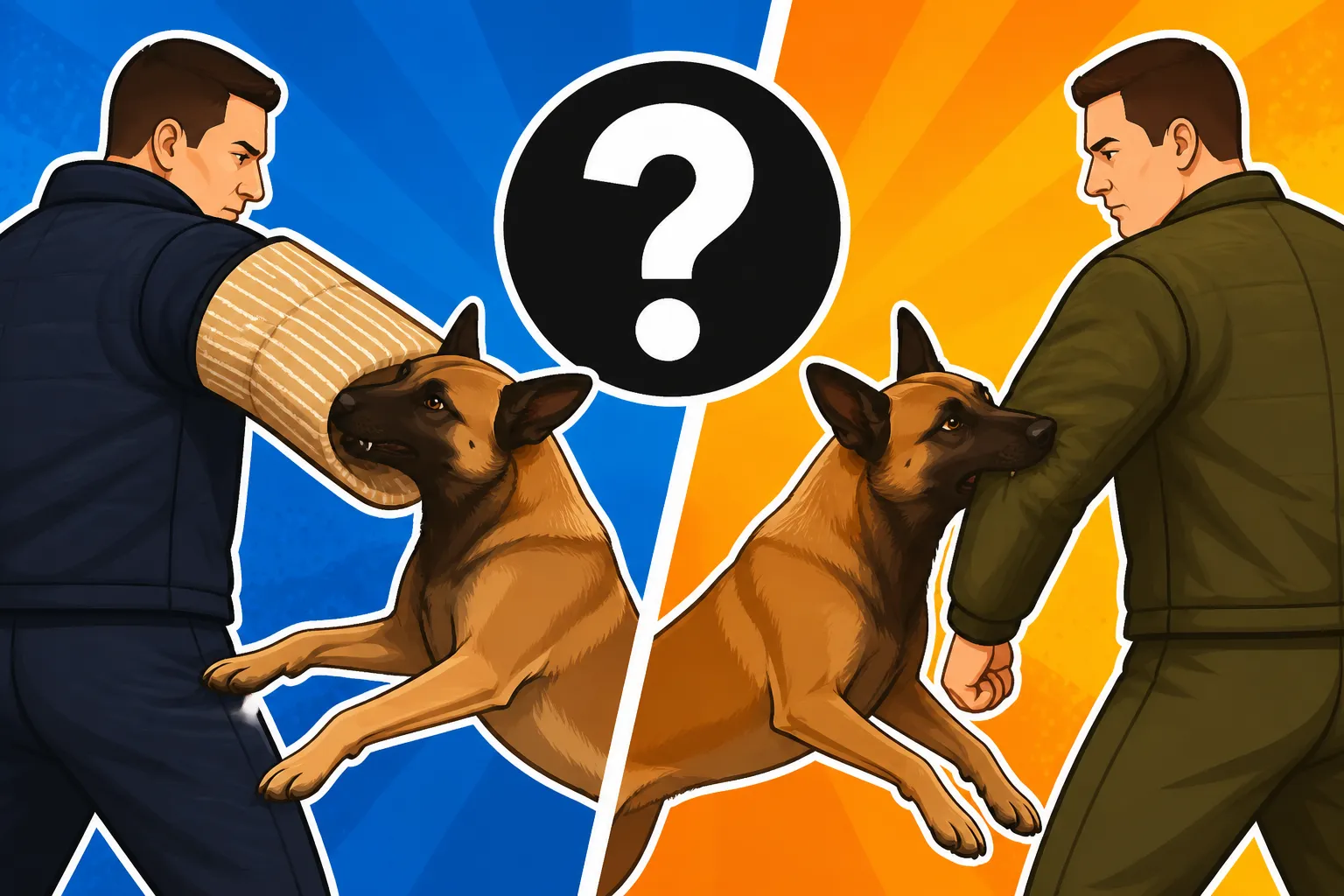
One of the most profound concerns for anyone considering a Belgian Malinois, especially if they’re curious about protection sports or even just managing a high-drive dog, is whether these powerful animals truly understand the difference between a training sleeve and a human arm. It's a natural fear, and it speaks to the immense responsibility we take on with these incredible canines. This guide will explore the intricate world of Malinois training, shedding light on how they are taught to engage with equipment, the critical role of discernment, and the unwavering dedication required from a handler to ensure safety and clarity.
The Core of Bite Work: Prey Drive and Object Association
When we talk about a Belgian Malinois engaging in bite work, whether for sport like IGP or actual protection, it's crucial to understand the foundational drives at play. These dogs possess an incredible amount of prey drive – that intrinsic desire to chase, catch, and hold. Proper training channels this powerful instinct toward specific, acceptable targets, turning what could be chaotic into a highly controlled skill. They aren't taught to bite people indiscriminately; they are taught to engage with objects that are presented as part of a structured game or job.
Channeling Instincts into Targeted Equipment
From the very beginning, a Malinois puppy’s natural inclination to chase and tug is honed. Trainers don't just let a puppy chew on anything; they introduce specific, designated bite items. These might start as simple rags or small tugs, moving on to puppy sleeves and ultimately adult sleeves. The dog learns that the "game" involves engaging with these specific items. Think of it like a child learning to play fetch with a ball – they learn to bring back the ball, not the stick, the rock, or your phone. This object association is paramount. The texture, feel, and even the smell of the equipment become key identifiers for the dog, signaling that it's "game on." Owners can find excellent starting equipment like durable tugs and bite pillows on platforms like Amazon, but always ensure they are appropriate for a puppy’s developing teeth and jaws.
The Decoy's Role in Presenting the "Game"
The decoy in bite work isn't just a person; they are a highly skilled trainer whose primary role is to present the bite equipment in a way that ignites and channels the dog's prey drive. They move, make sounds, and use body language to entice the dog to engage with the sleeve, not their body. The decoy becomes an extension of the game, a vital component in making the equipment the most desirable target. They are teaching the dog that the thrill, the reward, and the satisfaction come from a full, firm grip on the sleeve. This controlled interaction, repeated thousands of times, builds a deep-seated understanding in the dog: the target is the equipment. This is a fundamental aspect of What Bite Sport Actually Asks of a Belgian Malinois.
Beyond the Material: A Malinois's Understanding
It's a common misconception that a Malinois, once trained in bite work, just sees any limb as fair game. This couldn't be further from the truth in a properly trained dog. While their drive is immense, Malinois are also incredibly intelligent and capable of complex learning. They learn context, rules, and cues that define when and how they are expected to engage. It’s not about an instinctive attack on flesh, but a highly conditional response to a specific set of circumstances and the presence of a recognized object.
The "Context" of the Bite: Rules and Repetition
For a Malinois, bite work is a highly ritualized activity. There are clear rules, and these rules are reinforced with countless repetitions. The dog learns that the "game" only starts when certain commands are given, when the decoy is in a specific posture, and, most importantly, when the bite equipment is present. Outside of this precise context, the behavior is not expected or permitted. This is where the foundation of obedience becomes critical. Before any protection work begins, a Malinois needs rock-solid obedience. Obedience a Malinois Needs Before Protection Work is not just a suggestion; it's a prerequisite. Commands like "sit," "stay," and "heel" aren't just polite manners; they are control mechanisms that define the boundaries of acceptable behavior, even in high-drive scenarios.
Developing the All-Important "Out" Command
Perhaps the most critical command in bite work, and indeed for any high-drive dog, is the "out" command – telling the dog to release the bite. This command is not just about letting go; it's about control and discernment. A Malinois must learn to release the sleeve immediately upon command, no matter how high their drive is. This is a non-negotiable part of their training, ensuring that the handler always maintains ultimate authority over the dog's actions. The process for training a Belgian Malinois to out is rigorous and essential, often involving careful timing and reward to ensure the dog understands that releasing the sleeve leads to even greater satisfaction, whether that’s a thrown ball, a verbal praise, or a food reward. A dog that won’t out is not a trained dog; it’s a liability.
From Sport Field to Real World: The Critical Distinction
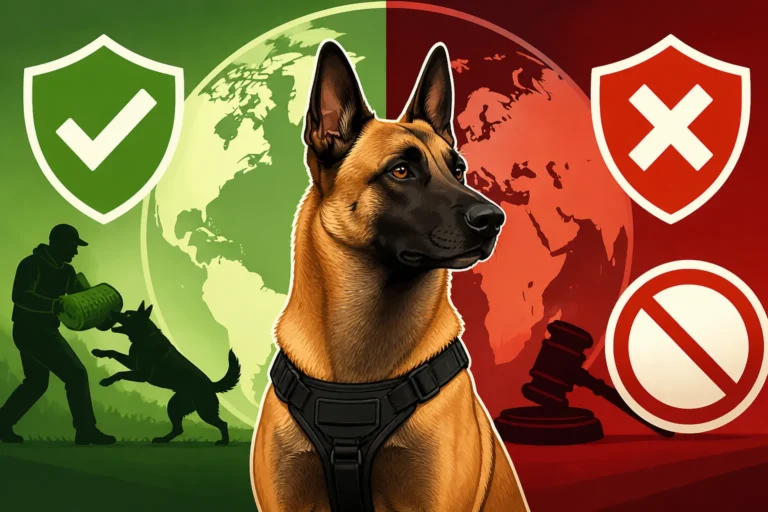
While sport training focuses on precision and control within a defined framework, the nuances shift when considering real-world protection. This is where the distinction between a sleeve and an arm can, in theory, become more fluid, highlighting the immense responsibility of the handler and the depth of training required for true protection work. It's not about confusing the dog, but about conditioning them for a broader range of threats while maintaining absolute control.
Protection vs. Sport: Nuances in Training Goals
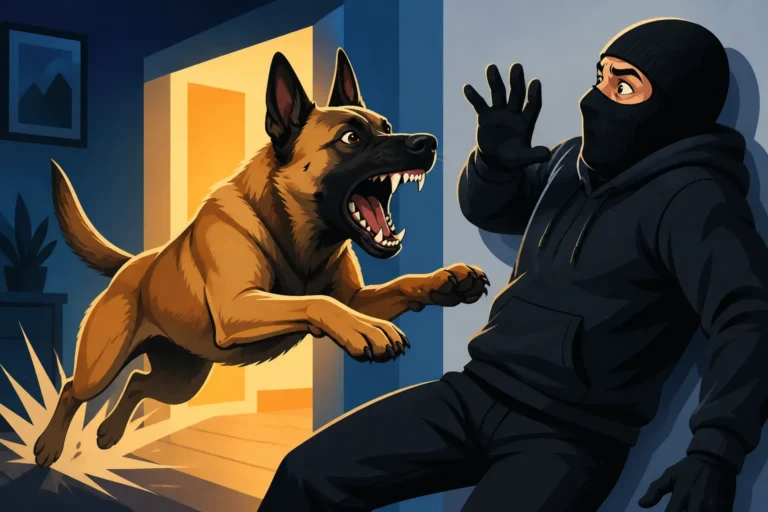
In sport, the goal is often about executing a perfect routine with specific criteria – a clean bite, a fast out, focused guarding. The "threat" is stylized. In real-world protection, the scenarios are unpredictable, and the threat is genuine. A dog trained for personal protection or police/military work is not just taught to bite a sleeve; they are taught to assess a threat, identify an aggressor, and engage appropriately, often with or without a visible "sleeve" or protective gear. This requires a much higher level of discernment, advanced scenario training, and the ability to differentiate between a playful encounter and a genuine threat. This complex training is a far cry from simply teaching a dog to bite a padded arm.
Building Discernment and Control in Varied Scenarios
True protection training involves teaching a Malinois to read human intent, react to specific threats, and, crucially, to disengage when the threat is neutralized or commanded. This means training in diverse environments, with different decoys, and under varying levels of stress. The focus moves beyond just the equipment to the intent of the person. This level of training takes years, often with experienced professionals. Programs like BAXTER & Bella, while focused on general puppy training and obedience, lay a critical groundwork for building a dog that is responsive and controllable, which is indispensable before even considering specialized protection training. It emphasizes engagement and basic commands, which are the building blocks for any advanced work. It's about building a solid, thinking partner, not just a reactive weapon. Furthermore, a crucial element in real-world scenarios is the dog’s ability to possess an 'off switch'. Without it, a dog could potentially escalate a situation unnecessarily. Learning to install Building an Off Switch Into a Belgian Malinois is fundamental for any serious handler.
The Owner's Responsibility: Ensuring Safety and Clarity
Ultimately, the question of whether a Malinois distinguishes a sleeve from an arm boils down to the quality of their training and the responsibility of their handler. A well-trained Malinois operating within its sport or working context absolutely understands the difference. The sleeve is the target. An untrained or poorly trained Malinois, however, might make no such distinction if its drives are left unchecked or misdirected. This places an enormous burden and privilege on the owner.
Choosing the Right Trainer and Club
If you are considering bite work for your Malinois, whether for sport or legitimate protection, it is paramount to seek out highly experienced and ethical trainers. Look for clubs and individuals with a proven track record, clear training methodologies, and a strong emphasis on control and safety. A good club will prioritize the dog's well-being, the handler's education, and public safety above all else. They understand that a Malinois is a serious dog requiring serious training. They will guide you through the process, ensuring that the decoy knows What a Decoy Does With a Young Malinois and how to progress safely. When looking for a training environment, researching and Finding a Club That Will Take a Belgian Malinois is a vital first step, as not all clubs are equipped to handle the unique demands of this breed.
Socialization and Management Beyond Bite Work
Even with expert bite work training, a Malinois remains a powerful and instinct-driven animal. Their training is highly specific. Therefore, continued socialization and vigilant management in all aspects of life are non-negotiable. A Malinois should be a balanced dog, comfortable in various environments, and responsive to their handler’s commands regardless of distractions. They need a job, mental stimulation, and clear boundaries in everyday life, not just on the training field. This comprehensive approach ensures that the dog knows when the "game" is on, and more importantly, when it is absolutely off. An owner must consistently reinforce these boundaries and continue their education as a handler. Without a doubt, handling A Belgian Malinois That Will Not Release the Sleeve requires immediate intervention and retraining, as this demonstrates a critical lack of control. Responsible ownership means understanding that Whether Bite Work Makes a Belgian Malinois Dangerous is not about the sport itself, but about the dedication and expertise of those involved in the training and handling.
| Feature | Sport Bite Work (e.g., IGP, Ring) | Real-World Protection Scenarios |
|---|---|---|
| Primary Target | Designated padded equipment (sleeve, suit, tug) | Aggressor's body (often limbs, depending on training) |
| Trigger | Handler command, decoy presentation, specific context | Perceived threat, aggressor intent, handler command |
| Control Requirement | Extremely high; immediate "out" and guarding on command | Absolute; discernment of threat, "out" on command |
| Environment | Controlled training field, specific rules | Unpredictable, varied locations and situations |
| Goal | Showcase skill, evaluate genetic drives, earn titles | Neutralize threat, protect handler/property |
| Discernment | Within structured rules of the game | High-level assessment of intent and action |
| Equipment Use | Always present (sleeve, suit) | May or may not involve protective gear on aggressor |
Disclaimer
This article is for general informational purposes only and does not constitute professional advice. Laws, prices and regulations vary by location and change over time. Consult a qualified professional for guidance on your specific situation.