Obedience a Malinois Needs Before Protection Work
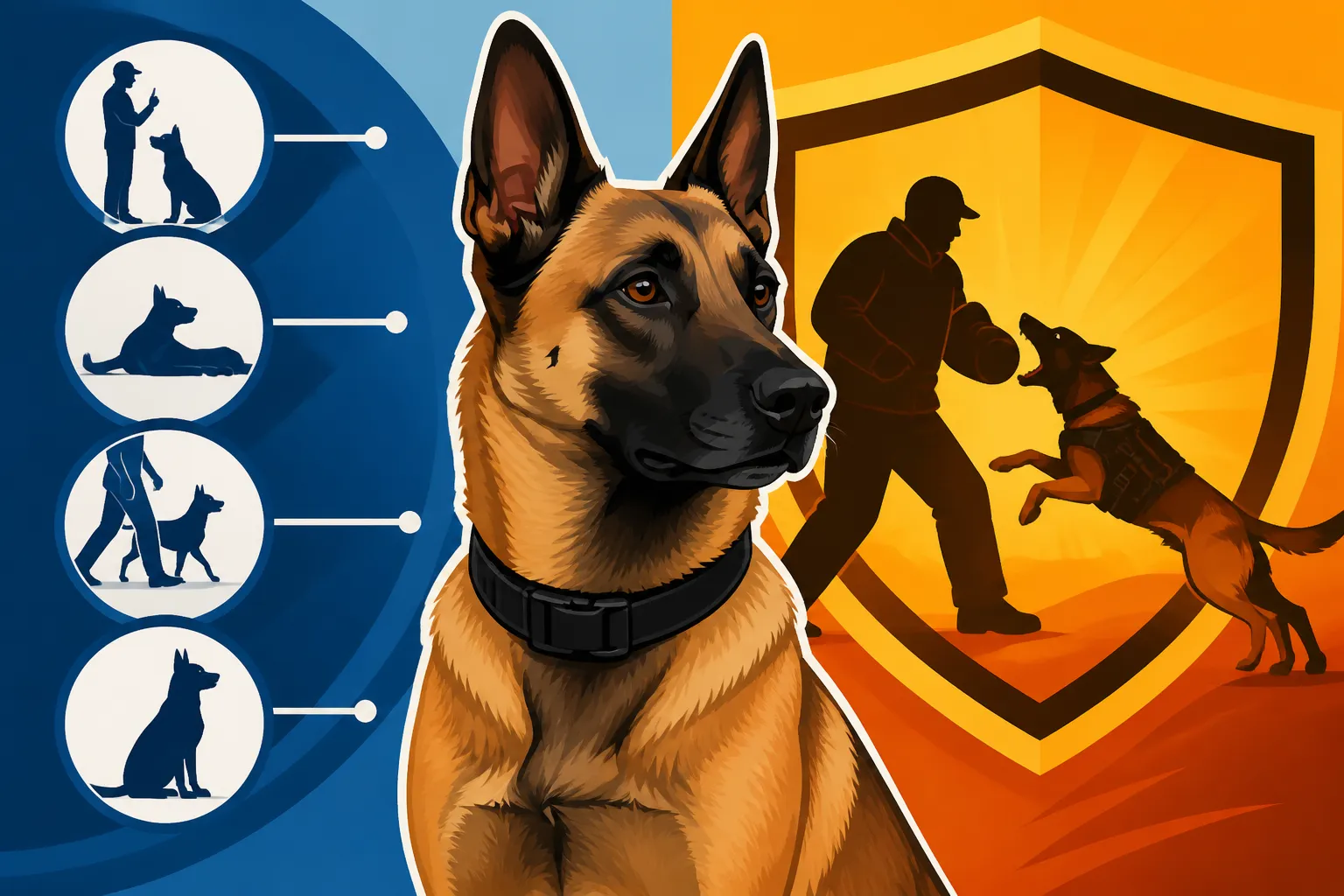
It's a common, often disheartening, scenario: a Belgian Malinois owner, eager to channel their dog's incredible drive, rushes into protection work without establishing the bedrock of foundational obedience. This usually leads to a highly frustrated handler, a dog that struggles to distinguish between "work" and "off," and ultimately, an unpredictable partner on the field. This guide will meticulously outline the crucial obedience skills your Belgian Malinois absolutely must master before you even think about introducing them to the exciting, high-stakes world of protection sports.
Why Foundational Obedience is Non-Negotiable for Protection Work
Let's be brutally honest: without a solid foundation in obedience, attempting protection work with a Belgian Malinois is like trying to build a skyscraper on a sand dune. These dogs are powerful, intelligent, and possess an innate drive that, if not properly directed and controlled, can become a liability rather than an asset. The impulse to jump straight into the "cool" bite work is strong, but it's a shortcut that almost always backfires, creating more problems than it solves in the long run.
Think about it this way: protection work isn't just about biting. It's about control, discernment, and precision. It’s about a dog that can ramp up its intensity in a split second and then, just as quickly, switch it off, returning to a calm, compliant state. Without that underlying control, you’re not training a protection dog; you’re simply cultivating an aggressive one, which is dangerous for everyone involved and completely defeats the purpose of the sport. The sport demands a highly disciplined animal, not just a motivated one.
The Risks of Rushing a Malinois into Bite Work
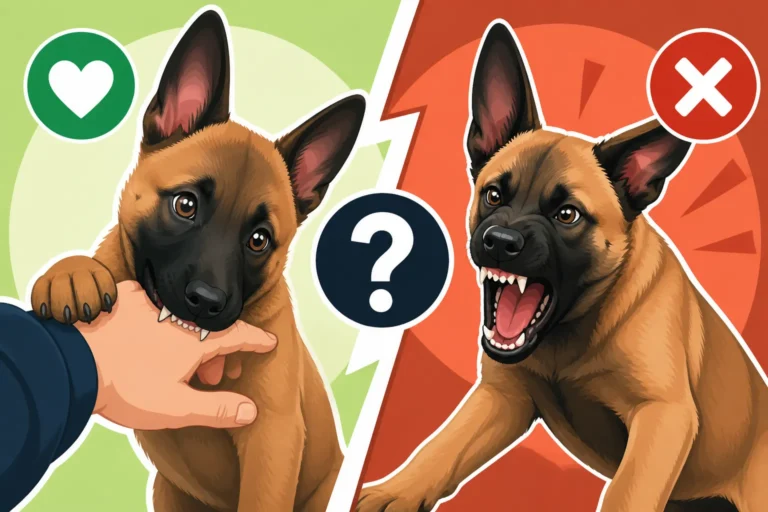
The biggest risk, hands down, is creating a dog that doesn't understand boundaries. A Malinois whose prey drive has been tapped into without an equally strong "off switch" can quickly become overwhelming, both in training and in daily life. You might see a dog that anticipates too much, breaks position prematurely, or even struggles to differentiate between a training scenario and a benign interaction. This is not only frustrating for the handler but incredibly unfair to the dog, as it sets them up for failure and potential behavioral issues.
Furthermore, rushing can lead to ingrained bad habits that are incredibly difficult, if not impossible, to undo later. Imagine a dog that constantly barks in the blind, breaks a stay at the sight of the decoy, or refuses to release the sleeve on command. These are all direct results of insufficient foundational obedience and a lack of control. Instead of building confidence and clarity, you're fostering confusion and anxiety, which can severely impact your dog's performance and enjoyment of the sport. It's far better to take your time and solidify the basics than to spend months or years trying to correct deeply embedded problems.
Building a Reliable "Off Switch" and Control
For a Belgian Malinois, a reliable "off switch" is the holy grail. These dogs are genetically wired to be "on" most of the time, observing, reacting, and ready to spring into action. Protection work, by its very nature, amplifies this drive. Therefore, training your Malinois to calmly settle, relax, and disengage from high-arousal situations is paramount. This isn't just about quiet time in their crate; it's about being able to perform a high-energy exercise, then immediately drop into a relaxed down-stay. Building an Off Switch Into a Belgian Malinois is a dedicated effort that pays dividends.
This control manifests in various ways: a dog that can hold a long down-stay even with distractions, one that doesn't constantly demand attention, or one that can be called off a high-value toy or activity. Without this deep-seated understanding of control, asking a Malinois to engage in the intense focus and controlled aggression of protection work is simply asking too much. The "off switch" isn't a magical button; it's a culmination of consistent training, clear expectations, and rewarding calm behavior just as much as you reward drive. It's about teaching your dog that stillness and relaxation are also highly valued behaviors.
Core Obedience Commands Every Protection Malinois Needs
Before any Malinois sets foot on a protection field, their core obedience must be impeccable. We're talking about commands that are not just understood, but ingrained to the point of being automatic, even under immense distraction and arousal. This is the difference between a dog that might listen and a dog that will listen, no matter what. These commands are the vocabulary through which you communicate expectations and safety during high-stakes training.
It's tempting to think that a Malinois's natural drive will somehow carry it through, but drive without direction is chaos. Every single command you teach your Malinois for daily life becomes ten times more important when you're asking them to engage with a decoy, deal with pressure, and then disengage safely. These aren't just parlor tricks; they are lifelines, ensuring both your safety and the safety of others, not to mention the success of your training.
Impeccable Recall and Emergency Stop
A flawless recall is perhaps the single most critical command for any dog, but especially for a Belgian Malinois involved in high-drive activities. In protection work, there will be scenarios where you need your dog to disengage instantly from a perceived threat or a highly stimulating situation. "Come!" or "Here!" needs to mean now, regardless of what else is happening. This isn't just for safety on the field; it’s for daily life, when a squirrel runs across the park or another dog unexpectedly appears. Recall on a Belgian Malinois in Full Drive is something you must practice relentlessly.
Beyond a standard recall, an "emergency stop" or "down in motion" is invaluable. Imagine your Malinois sprinting towards a decoy, or perhaps an unexpected bystander, and you need them to drop instantly. This command demands absolute trust and immediate compliance. It should be proofed in every environment imaginable, under all kinds of distractions, to ensure that it holds when you need it most. This level of recall and stop is built on thousands of repetitions, high-value rewards, and a relationship where your dog truly believes that coming to you is the most rewarding thing they can do.
The Unbreakable "Place" and "Down-Stay"
The "Place" command teaches your Malinois to go to a designated spot (a mat, a dog bed, a raised cot like those offered by Amazon) and remain there until released. This command is an absolute game-changer for building an "off switch" and teaching self-control, particularly in a breed prone to constant motion. It teaches patience and the ability to settle even when there's activity around them. A Malinois that can hold a "Place" for extended periods, even during household commotion or during a training session where other dogs are working, demonstrates significant control. Building a Malinois's Place Command should start early and be reinforced constantly.
The "down-stay," and specifically the long down-stay, is equally vital. In protection sports, your dog will often be required to hold a down-stay while you move away, or while distractions occur. This isn't just for trials; it's for real-world scenarios where you need your dog to remain safe and calm. An unbreakable down-stay, performed reliably for minutes at a time and from a distance, with you out of sight, is a testament to your Malinois's mental fortitude and your consistent training. These stationary commands are fundamental for managing your dog's arousal levels and ensuring they can perform controlled exercises on the field.
Loose Leash Walking and Heeling Under Pressure
While seemingly basic, truly impeccable loose-leash walking and advanced heeling are indispensable for protection work. Loose-leash walking demonstrates that your Malinois can move calmly and respectfully alongside you, without pulling or becoming over-aroused by the environment. It's a barometer of their general manners and focus. If your Malinois can't walk nicely on a leash, how can you expect precision and control on the field?
Heeling, particularly formal heeling, takes this to the next level. In protection sports, precise heeling is often a scored component and a safety requirement. Your Malinois needs to be able to heel tightly at your side, paying attention to your every subtle cue, regardless of the presence of a decoy, other dogs, or environmental stressors. This isn't just about avoiding a yank on the leash; it's about a dog that is literally joined to you, moving as one unit. Mastering Teaching a Malinois to Walk Without Dragging You is a prerequisite for any advanced work. This level of focus is built through consistent, reward-based training that makes being at your side the most desirable place to be.
Advanced Control and Focus Essential for the Field
Once your Malinois has a solid grasp of basic commands, the next step is to elevate that control and focus to a level where it can withstand the extreme pressures of protection work. This means building a dog that is not only obedient but also intensely engaged with you, responsive to subtle cues, and capable of disengaging from the highest drives on command. This is where the artistry of Malinois training truly begins, moving beyond mere compliance to true partnership.
The challenges of the protection field are unique. Your dog will be subjected to high-level distractions, auditory stimuli, visual cues from the decoy, and their own surging adrenaline. Their obedience needs to be so deeply ingrained that it becomes their default, even when every instinct screams to ignore you and engage. This isn't about crushing drive; it's about harnessing it with surgical precision.
Developing Intense Engagement and Handler Focus
A Malinois that is constantly scanning the environment for distractions, rather than looking to you for direction, is a Malinois that will struggle in protection work. Intense engagement means your dog is locked onto you, responsive to your voice, body language, and intent. This is built through play, reward, and making yourself the most interesting thing in the environment. It’s about creating a strong working relationship where your dog wants to work with you. Building Engagement With a Belgian Malinois involves everything from exciting toy play to consistent food rewards, ensuring that you are always the source of all good things.
Exercises like "watch me," rapid changes in direction during heeling, and rewarding eye contact are crucial. You want a dog that checks in with you automatically, anticipating your next command rather than waiting to be told. This handler focus is what allows for the precision required in various phases of protection work, from sends to redirects, and ensures that your communication remains crystal clear even amidst chaos. Without this strong bond and focus, the relationship on the field breaks down quickly.
Reliable "Out" and "Leave It" Commands
The "Out" command, which means to release an object from their mouth, is absolutely paramount in protection work. When your Malinois is locked onto a bite sleeve or suit, their drive is at its peak. Asking them to release that object, even when their instincts tell them to hold on, requires immense control and a deeply embedded understanding of the command. A hesitant or unreliable "Out" can be dangerous and will severely limit your progress in any bite sport. Teaching a Belgian Malinois to Out needs to be practiced thousands of times, starting with low-value objects and gradually progressing to bite equipment.
Similarly, "Leave It" is essential for preventing accidental engagements or redirecting your dog's attention away from inappropriate targets. This could be telling them to leave a dropped article on the ground, another dog's toy, or even, in a real-world scenario, a perceived threat that you've determined isn't one. Both "Out" and "Leave It" are non-negotiable for safety and control, proving that your Malinois respects your commands above their own immediate desires. Consistency and high-value rewards for compliance are key to solidifying these commands.
Proofing Obedience in High-Distraction Environments
It's one thing for your Malinois to perform a perfect down-stay in your quiet living room; it's an entirely different beast to expect the same performance at a bustling park, a noisy trial ground, or near a barking dog. Proofing means practicing known commands in increasingly challenging environments, gradually introducing distractions like other dogs, loud noises, unfamiliar people, and moving objects. This is where the rubber meets the road.
Your Malinois needs to learn that "Sit" means "Sit," regardless of where they are or what's happening around them. This stepwise increase in distraction helps them generalize their obedience and builds resilience. Start with mild distractions, then slowly layer on more intense ones. This systematic approach ensures that their responses become truly bulletproof, which is exactly what you need when you eventually introduce the extreme distractions of a decoy and bite equipment. Consider working with reputable online programs like BAXTER & Bella that often provide structured curriculums for proofing obedience in various scenarios, sometimes even offering live support from trainers.
Socialization and Environmental Resilience
While some might think "socialization" means letting your Malinois greet every dog and person, for a protection dog, it means something much more specific: neutrality and confidence. A protection Malinois needs to be comfortable in various environments, around different people and dogs, without being overtly friendly or reactive. This builds mental resilience and ensures they can focus on their job rather than being overwhelmed or distracted by their surroundings.
A dog that is constantly on edge, fearful, or overly reactive will never be a reliable protection dog. They need to be steady, confident, and able to process novel situations calmly. This is about building a well-adjusted dog that can handle the world around them without undue stress, allowing them to channel their energy and focus into their work when asked.
Appropriate Socialization with People and Dogs
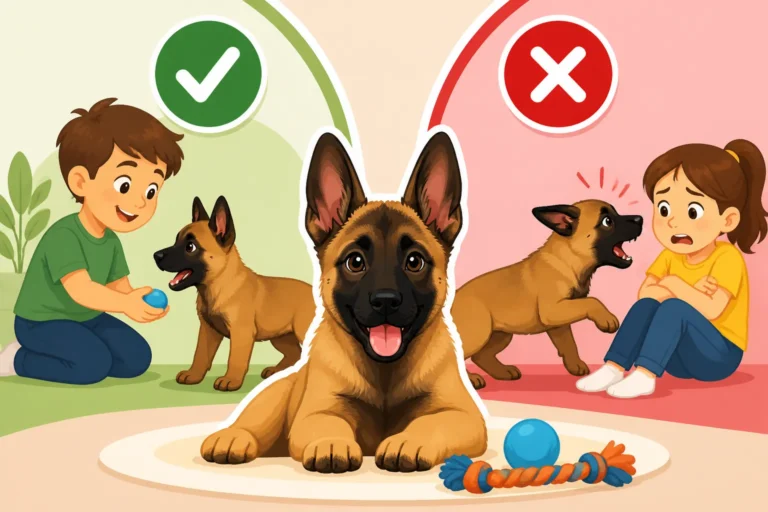
The goal of socialization for a protection Malinois is not universal friendliness, but rather a confident neutrality. Your Malinois should be able to ignore other people and dogs unless instructed otherwise. They should be unconcerned by strangers passing by and unaffected by other dogs barking or playing. This prevents them from being easily distracted on the field or from developing inappropriate guarding behaviors in public. Socializing a Belgian Malinois Puppy Safely involves controlled exposures, always positive, to a wide variety of people, sounds, and environments.
It's about exposing them to the world in a structured, positive way, teaching them that these things exist but don't require a reaction from them unless you give a command. Over-socializing, where a Malinois is allowed to greet every dog and person, can actually detract from their handler focus and make them less reliable in scenarios where you need them to be aloof or focused solely on you. A truly confident Malinois is one that can exist calmly in any environment without needing to engage with everything and everyone. A Belgian Malinois That Reacts to Other Dogs is a problem that must be resolved long before protection work.
Exposure to Novel Environments and Stimuli
A protection Malinois will be asked to work in many different locations: training fields, buildings, parking lots, sometimes even urban environments. They will encounter various surfaces, sounds, and visual stimuli. Your Malinois needs to be environmentally sound, meaning they are unfazed by new or unusual surroundings. This includes loud noises, slick floors, strange objects, and crowded areas.
Start exposing your Malinois to a wide range of environments from a young age. Take them to busy hardware stores (if allowed), walk them near construction sites, expose them to different textures like grates and steps. The more varied their positive experiences, the more resilient and confident they will become. A dog that spooks easily or gets overwhelmed by novel stimuli will have a hard time performing consistently under the pressure of protection training. This systematic exposure builds a robust mental fortitude that is crucial for a working dog.
Equipment and Training Philosophy for Success
The tools you use and the philosophy you adopt in your training are just as important as the commands themselves. For a Belgian Malinois, especially one destined for protection work, precision, consistency, and a clear understanding of your communication are paramount. Selecting the right equipment and committing to a structured, fair training approach will set you up for success.
It's not about gadgetry, but about choosing tools that facilitate clear communication and allow you to maintain control and reinforce desired behaviors effectively. Likewise, your approach to training needs to be consistent and patient, understanding that building a solid working relationship with a Malinois is a marathon, not a sprint.
Choosing the Right Tools for Precision and Safety
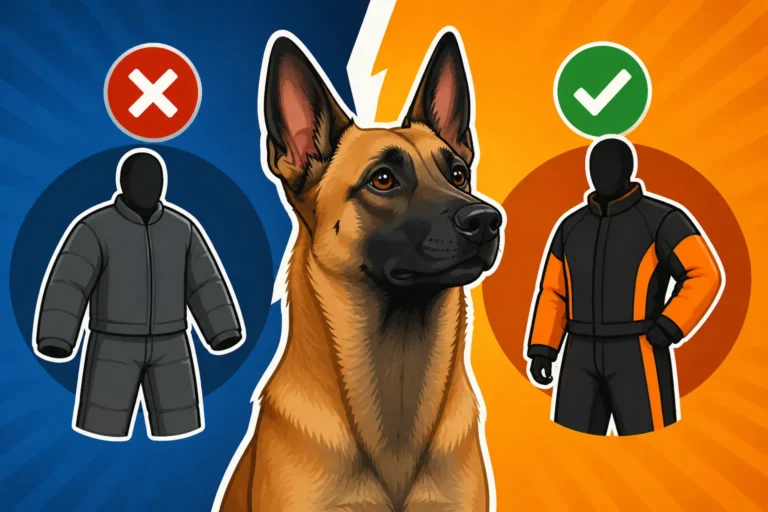
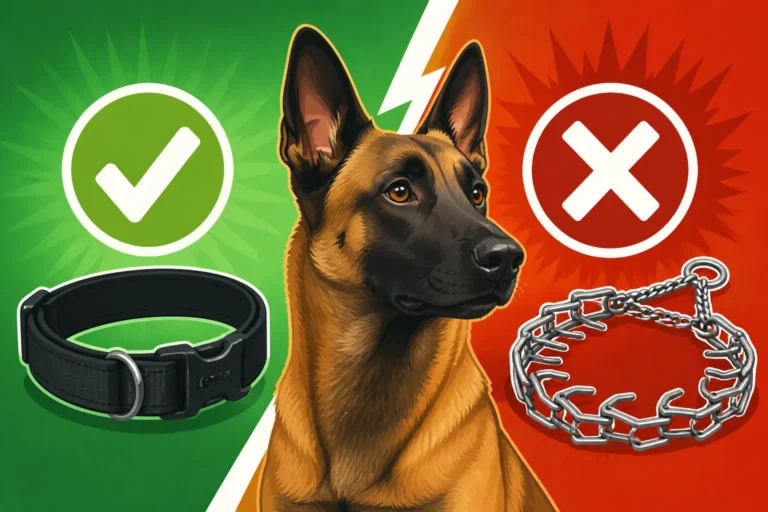
For foundational obedience, a sturdy flat collar and a quality six-foot leash are your primary tools. As you progress, tools like prong collars or e-collars (electronic collars) can be highly effective for communicating with a high-drive Malinois, but only when introduced and used correctly by an experienced handler. These are not shortcuts; they are communication aids that require careful timing and understanding. Conditioning a Belgian Malinois to an E-Collar is a process that demands precision and ethical application.
For advanced control and safety, a well-fitting muzzle might become an essential piece of equipment, particularly for public safety or during certain training exercises. It's not a punishment tool, but a safety measure. Always ensure your equipment is in good repair and fits your dog comfortably and securely. Quality equipment from brands found on Amazon or specialized dog sport vendors is an investment in your dog's safety and your training success. Avoid flimsy, poorly made gear that can fail when you need it most.
The Importance of a Structured Training Program
Finally, and perhaps most importantly, successful preparation for protection work relies on a structured, consistent training program. This isn't just a haphazard collection of commands; it's a carefully planned progression that builds one skill upon another. Whether you're working with a private trainer, attending club sessions, or following an online curriculum, a systematic approach is non-negotiable. The Handler Experience a Belgian Malinois Needs is significant, and a good program will guide even experienced handlers.
| Obedience Command | Purpose for Protection Work | Proofing Level | Key Takeaway |
|---|---|---|---|
| Recall | Immediate disengagement, safety | All environments, high distractions | Your voice > everything else |
| Place/Stay | Self-control, managing arousal | Out of sight, long duration, high distractions | Calmness on command |
| Heel | Handler focus, precision, control | Complex patterns, varied speeds, decoys present | Dog as an extension of handler |
| Out | Releasing bite object on command | High drive, varying objects/decoy pressure | Safety, controlled aggression |
| Leave It | Ignoring distractions, redirecting focus | High-value items, environmental stressors | Discernment, handler's word is law |
| Muzzle Up | Safety, public acceptance (if needed) | Calm acceptance, duration | Confidence, prevention |
Consistency is key. A Malinois thrives on routine and clear expectations. Short, frequent training sessions are often more effective than long, infrequent ones. Be patient, be fair, and always end on a positive note. Remember that training is an ongoing journey, not a destination. Even when your Malinois is proficient, maintenance training is crucial to keep those skills sharp. Enrolling in local dog sport clubs or seeking out experienced trainers early on can provide invaluable guidance and mentorship as you navigate the intense but rewarding path of training a Malinois for protection work.
Disclaimer
This article is for general informational purposes only and does not constitute professional advice. Laws, prices and regulations vary by location and change over time. Consult a qualified professional for guidance on your specific situation.