Rehabilitating a Belgian Malinois That Was Kenneled
Bringing a Belgian Malinois into your home, especially one that has spent a significant portion of its life confined to a kennel, comes with a unique set of challenges and heartbreaks. These intelligent, high-drive dogs thrive on work, connection, and purposeful activity, and a life of neglect in a kennel environment can strip them of their innate confidence and ability to cope with the world. This guide is here to walk you through the process of rehabilitating a Malinois who has known little beyond the bars of a cage, offering realistic strategies to help them heal and thrive in a loving home.
Understanding the Impact of Prolonged Confinement on a Malinois
Imagine a Belgian Malinois, a breed renowned for its intense drive, sharp intelligence, and unwavering desire for a job, being denied all of that. Prolonged confinement in a kennel isn't just physically restrictive; it's a sensory deprivation chamber for a dog wired to engage with the world. Many people picture a dog in a kennel as merely waiting, but for a Malinois, it's a profound trauma that shapes their entire being. They are built for purpose, for movement, for intricate problem-solving, and when these fundamental needs are ignored, their mental and emotional state deteriorates rapidly.
This isn't to say every kenneled Malinois will be broken, but they will certainly be different from one raised with consistent training and socialization. Their world becomes incredibly small, and their coping mechanisms often unhealthy. Some may become hyper-vigilant and reactive, others withdrawn and shut down. The rehabilitation journey is about gently expanding that small, often scary, world and teaching them new, healthy ways to interact with it. It’s about understanding that their initial reactions are not malicious, but often born from fear, confusion, and a lack of proper experience.
The Deep Psychological Scars of Isolation
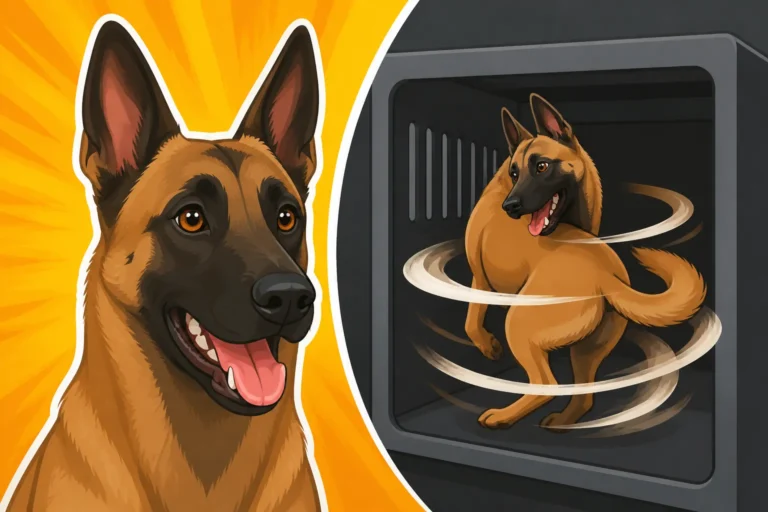
One of the most profound effects of prolonged kennel life on a Belgian Malinois is the psychological toll. These dogs crave interaction, purpose, and mental stimulation. Without it, they can develop a range of issues from severe anxiety to obsessive-compulsive behaviors. A Malinois kept in isolation might constantly pace, spin, or engage in self-mutilation, all attempts to cope with overwhelming stress and boredom. When they finally enter a home environment, the sheer volume of new stimuli can be utterly terrifying, leading to panic attacks, destructive behavior, or extreme withdrawal.
Think about a dog that has spent months or even years with limited human touch, no consistent training, and only the sounds and smells of other kenneled animals. Their brain hasn't learned how to process normal household noises, the comings and goings of people, or even the feeling of soft carpet underfoot. They might startle at the sound of a television, cower from a sudden movement, or snap out of pure fear. Building trust becomes paramount, and it’s a slow, deliberate process, often feeling like you're teaching a feral animal how to live in a human world. Patience here isn't just a virtue; it's the bedrock of their recovery.
Physical Repercussions Beyond the Kennel Bars
Beyond the mental anguish, a kenneled Malinois often suffers significant physical setbacks. Their lean, athletic bodies, designed for speed and agility, can become underdeveloped or weak from lack of proper exercise. Muscles may atrophy, their coordination might be off, and their stamina severely compromised. You might see a dull, sparse coat, brittle nails, and dental issues from poor nutrition or lack of appropriate chew items. Some may have chronic gastrointestinal issues from stress or irregular feeding schedules.
These physical issues are more than just cosmetic. They impact the dog's ability to engage in activities that would naturally help them recover mentally. A Malinois with weak hindquarters or joint stiffness can't easily join you for a brisk walk, let alone the kind of intense work Two Hours and a Job a Belgian Malinois Demands Daily might entail. Addressing these physical needs is often the first tangible step in rehabilitation. A thorough veterinary check-up is non-negotiable, not just for immediate health concerns, but to establish a baseline and plan for gradual physical conditioning. Their recovery requires a holistic approach, where body and mind heal in tandem.
Laying the Groundwork: Creating a Safe and Predictable World
The moment a kenneled Malinois steps out of that environment and into your home, their world explodes. What seems normal and comforting to us can be overwhelming and frightening to them. Your first priority must be to establish a sanctuary – a safe, predictable, and low-stress environment where they can begin to decompress and learn that they are finally safe. This isn't about rushing into training or expecting them to instantly understand household rules; it's about providing a clear, consistent structure that allows their stressed nervous system to begin to calm down.
This initial phase is often the most critical and requires immense patience. Think of it as a reset button for their entire life experience. They need to learn that food will always appear, that a soft bed is safe, and that human hands can bring comfort, not just fear or neglect. Without this foundational sense of security, any attempts at formal training will likely be met with anxiety or resistance. We’re aiming for a quiet, almost boring routine, which for a Malinois might seem counterintuitive, but it's exactly what their overstimulated, under-socialized brain needs.
The Art of Decompression and Observation
Upon arrival, your kenneled Malinois will need a period of decompression. This means minimizing expectations, limiting interactions, and providing a quiet space. A dedicated room or a large, comfortable crate (not as punishment, but as a safe den) covered with a blanket can offer a sense of security. Make sure they have access to fresh water and food, but don't force interaction. Sit quietly in the room, read a book, and let them observe you without pressure. They need to understand you are not a threat. Many Malinois coming from kennel environments will be shy or withdrawn initially, but some may also be hyper-aroused and frantic. Observe their body language carefully – lip licks, yawns, whale eyes, tail tucked low – these are all signs of stress.
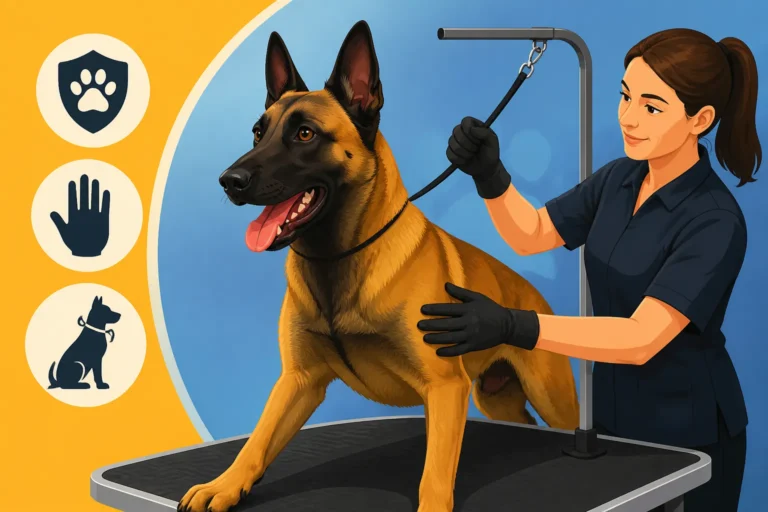
During this time, leash manners will likely be non-existent. A double-leash system (one clip to a flat collar, one to a harness) is highly recommended for safety during potty breaks, especially since flight risk can be high in new, scared dogs. Keep outings brief and focused on relief, avoiding busy areas. Focus on making their immediate living space feel like a predictable haven. You're not looking for immediate affection; you're looking for them to relax their posture, take food willingly, and perhaps even seek out a soft spot to rest. This slow introduction to a new life is crucial.
Establishing Predictable Routines and Nutritional Support
Consistency is a healing balm for a kenneled Malinois. Establish a clear routine for feeding, potty breaks, and quiet time. Feed them at the same times each day, in the same location. This predictability reduces anxiety and helps them understand what to expect. For a Malinois whose meal times might have been inconsistent or chaotic, this steady supply of food is a powerful signal of security. A high-quality diet is also essential; their bodies have likely been undernourished or fed low-quality food. Consult your vet on a suitable food, perhaps one with a higher calorie content and good digestibility to help them regain condition.
Alongside diet, a comprehensive vet visit is paramount. Many kenneled dogs arrive with untreated medical issues, from parasites to dental problems, or even more serious underlying conditions. A vet can assess their overall health, address any immediate concerns, and provide guidance on diet, supplements, and a gradual exercise plan. For instance, if they have joint stiffness, supplements might be recommended. Getting their physical health in order is a fundamental step toward mental well-being. Think of it as preparing the canvas before you can begin to paint a new picture of their life.
Building a New Foundation: Trust, Engagement, and Gentle Training
Once your Malinois has had some time to decompress and you've established a predictable daily rhythm, you can slowly begin to introduce more structured engagement. This isn't about demanding perfection or immediately launching into complex commands. It’s about teaching them how to learn, how to interact positively with humans, and how to find confidence in simple tasks. For a kenneled Malinois, many basic concepts we take for granted are completely foreign. They might not understand what a toy is for, or how to accept praise.
This phase is about positive reinforcement, patience, and making every interaction a building block of trust. We're essentially rewiring their brain to associate humans and training with positive, rewarding experiences, rather than fear or indifference. You'll be amazed at how quickly these intelligent dogs can pick up new things, even with their past, but the key is to move at their pace and celebrate every tiny success. Their enthusiasm, when it finally emerges, will be your biggest reward.
Gentle Engagement and Positive Reinforcement Techniques
Start with very short, low-pressure training sessions. Five minutes, two or three times a day, is often more effective than one long, overwhelming session. Focus on simple, foundational behaviors like making eye contact, responding to their name, or a simple hand-target. Use high-value treats and enthusiastic, but calm, verbal praise. The goal is to build a positive association with you and the act of training. Many kenneled Malinois will have no concept of play, so gently introducing soft toys or a flirt pole can be a good way to gauge their interest in engagement without direct pressure. For a dog that doesn’t understand toys, a puzzle toy from Amazon filled with a tasty treat can be a low-pressure way to start building confidence and mental engagement.
Remember, a Malinois thrives on partnership. Your calm, consistent demeanor will be their anchor. Avoid any harsh corrections, as this can easily re-traumatize a dog already wary of human interaction. Instead, focus on shaping desired behaviors through reward. If they accidentally get things wrong, simply redirect or ignore and try again. They need to feel safe to make mistakes and learn without fear of punishment. This positive foundation will be critical as you slowly start to build towards more complex work.
Basic Obedience and Structure: Reintroducing Purpose
Once some trust is established, you can gradually introduce basic obedience commands. Focus on cues that offer structure and help them navigate their new world safely. "Sit," "down," and a gentle "come" in a secure area are excellent starting points. Work on a "place" command, teaching them to settle on a mat or dog bed. This helps them understand that there are times for quiet rest and provides a predictable "off switch." Building a Malinois's Place Command is an invaluable tool for any Malinois, but especially one learning how to exist calmly indoors.
Crate training can also be re-introduced, but with a completely different approach than they might have experienced. The crate should be a safe, comfortable den, never used for punishment. Feed meals in the crate, offer special chew toys only in the crate, and ensure it's a cozy, positive space. For a Malinois who may have spent too much time in a crate, this positive association is vital to prevent regression. Understanding when to allow them free roam and when to utilize a properly introduced crate is part of The Structure a Belgian Malinois Needs Every Day.
Slowly Expanding Their World: Addressing Sensory Overload
A kenneled Malinois has likely lived in a world of limited stimuli. Suddenly encountering a bustling home, neighborhood sounds, and unfamiliar sights can lead to sensory overload. Introduce new experiences very gradually. Start with soft music, then perhaps a TV at a low volume. Take short walks in quiet areas, avoiding busy streets or dog parks initially. Observe their reactions closely. If they show signs of stress (panting, pacing, lip-licking, trying to hide), reduce the stimulus and try again later.
For dogs that are particularly sound-sensitive, desensitization exercises can be helpful. Play recordings of common household sounds (doorbells, vacuum cleaners, children playing) at a very low volume while feeding them treats, gradually increasing the volume over days or weeks. This helps them build positive associations with sounds they might otherwise find terrifying. The goal is to slowly expand their comfort zone without overwhelming them, making the big wide world less intimidating, one small step at a time.
Navigating Behavioral Hurdles and Fostering Long-Term Success
Rehabilitating a kenneled Belgian Malinois is rarely a straight line. There will be good days and challenging days, and it's essential to understand that behavioral hurdles are a normal part of the process. Your Malinois is learning how to be a dog in a world they barely knew existed, and past traumas can resurface. Be prepared for things like reactivity, separation anxiety, resource guarding, or difficulty with socialization. These aren't failures on your part, but opportunities to continue teaching and building their resilience.
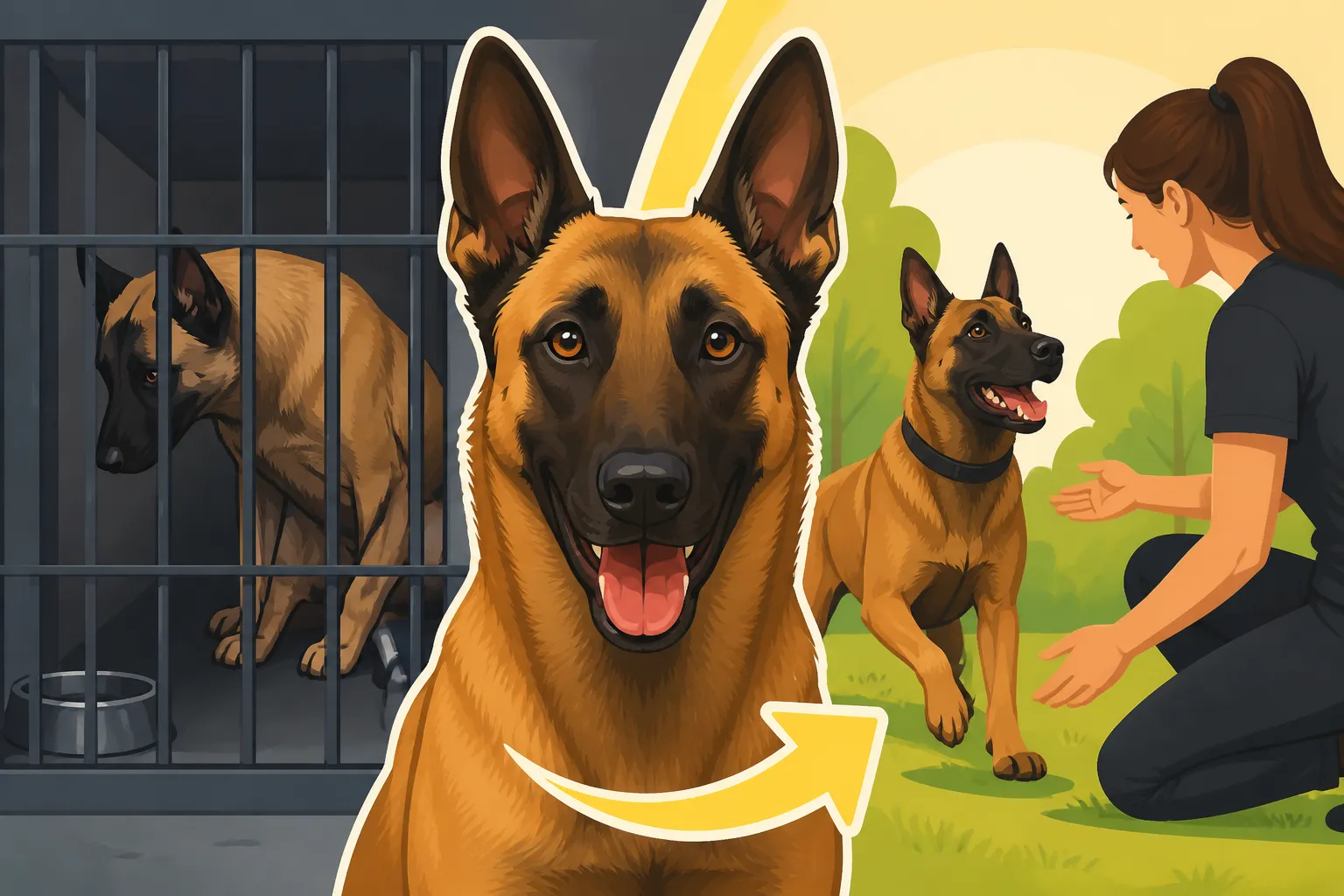
The long-term success of your Malinois hinges on continued commitment to their physical and mental well-being, consistent boundaries, and ongoing positive reinforcement. They may always carry some scars from their past, but with your dedication, they can lead incredibly rich and fulfilling lives, transforming from a scared, kenneled dog into a confident, cherished companion.
Managing Reactivity and Fear Responses
One of the most common challenges with kenneled Malinois is reactivity – barking, lunging, or freezing in response to triggers like other dogs, strangers, or even novel objects. This often stems from fear and a lack of proper socialization. A Malinois who wasn't exposed to the world properly as a puppy (and never went through something like The Shark Phase Every Malinois Puppy Goes Through in a healthy, guided way) might interpret anything new as a threat. The key here is management and counter-conditioning. Identify their triggers and keep them below threshold, meaning at a distance where they notice the trigger but don't react explosively.
Use positive reinforcement to change their emotional response to these triggers. When they see a trigger (e.g., another dog across the street), immediately reward them with high-value treats before they can react. This teaches them that the appearance of the trigger predicts something good. Gradually decrease the distance as they become more comfortable. This is a slow, methodical process that requires immense patience and keen observation. If your Malinois is exhibiting severe reactivity, seeking professional help from a certified behaviorist is highly recommended. A Belgian Malinois That Reacts to Other Dogs requires a consistent and carefully managed approach.
Enriching Their Lives: Mental and Physical Stimulation
While a kenneled Malinois needs decompression, they are still a Malinois at heart and require substantial mental and physical stimulation to thrive long-term. Once they are more settled, slowly introduce appropriate exercise. Start with leash walks in varied, but still calm, environments. As their stamina and confidence grow, you can explore activities like structured fetch in a secure yard, or short, controlled bursts of running. Remember, you want to build fitness, not overwhelm them or put undue stress on potentially underdeveloped joints.
Mental enrichment is equally, if not more, important. Puzzle toys, like those found on Amazon, can provide hours of engaging problem-solving. Scent work, even simple "find it" games indoors, is incredibly fulfilling for a Malinois. Puzzle Work for a Belgian Malinois Indoors can be a game-changer for building confidence and tiring their minds without physical exertion. Introduce new skills and tricks using positive reinforcement. This ongoing mental engagement taps into their natural intelligence and helps them channel their intense drive into productive, confidence-building activities.
Thoughtful Socialization and Building Canine Skills
For a kenneled Malinois, "socialization" often needs to be re-framed. It's not about throwing them into a dog park. It's about carefully orchestrated, positive interactions that teach them appropriate canine communication skills. Start with one calm, well-socialized dog you trust, in a neutral, controlled environment. Keep interactions brief and positive, ending before either dog shows signs of stress. Observing their body language is crucial. If they are fearful or reactive, it's too much, too soon.
The goal is quality, not quantity. They need to learn that other dogs aren't necessarily threats or competition, but neutral beings. If they show interest, reward heavily. If they ignore, that's also a win! Consider a class focused on "calm neutrality" or "parallel walking" if available, rather than free-for-all play groups. For adult dogs, the principles behind Socializing a Belgian Malinois Puppy Safely still apply – careful, controlled, positive exposures build resilience.
When to Seek Professional Guidance
Sometimes, the challenges of rehabilitating a kenneled Malinois can feel overwhelming, and that's perfectly normal. There's no shame in seeking professional help. A certified professional dog trainer, particularly one experienced with working breeds and behavioral issues, can provide invaluable guidance, tailored strategies, and support. For more severe issues like extreme fear, aggression, or debilitating separation anxiety, a veterinary behaviorist may be the best resource. They can assess the underlying causes of behavior, sometimes recommending medication in conjunction with behavior modification to help reduce anxiety and allow the dog to learn more effectively.
There are many fantastic resources available, including online platforms like BAXTER & Bella that offer comprehensive training programs, though always ensure the approach aligns with positive, fear-free methods suitable for a sensitive, recovering dog. Don't hesitate to reach out. Investing in professional guidance is investing in your Malinois's future and your peace of mind. What a Behaviorist Charges to Assess a Malinois is an important consideration, but the expertise can be priceless.
| Rehabilitation Stage | Primary Focus | Key Activities | Expected Challenges |
|---|---|---|---|
| Stage 1: Decompression | Creating Safety, Reducing Stress, Observing | Quiet space, predictable routine, minimal interaction, vet check, high-quality food | Fear, withdrawal, hyper-vigilance, house-training issues |
| Stage 2: Foundation | Building Trust, Gentle Engagement, Basic Skills | Short, positive training sessions, hand-targeting, name recognition, 'place' command | Reactivity, sensory overload, lack of play drive |
| Stage 3: Expansion | Introducing Enrichment, Gradual Exposure | Structured walks, puzzle toys, scent games, controlled exposure to sounds & sights | Threshold management, reactivity flare-ups, resource guarding |
| Stage 4: Integration | Sustained Learning, Thoughtful Socialization | Ongoing training, carefully managed dog-dog interactions, advanced mental games | Reaching limits, plateaus, needing professional guidance |
Disclaimer
This article is for general informational purposes only and does not constitute professional advice. Laws, prices and regulations vary by location and change over time. Consult a qualified professional for guidance on your specific situation.