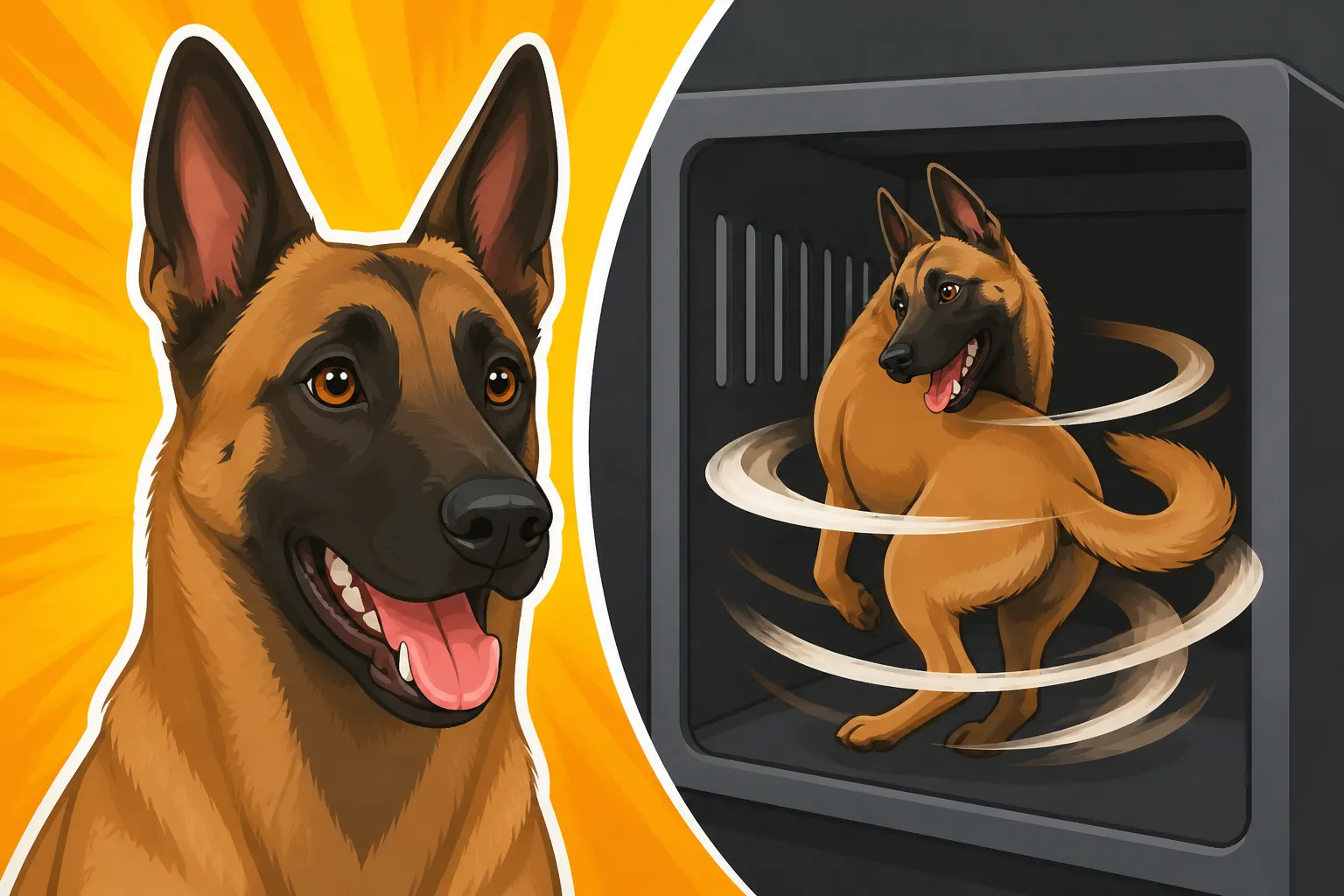
A Belgian Malinois That Spins in Its Kennel
It's incredibly frustrating, and honestly, a bit heartbreaking, to see your otherwise brilliant Belgian Malinois reduced to a frantic spinner in their kennel. You brought home a dog known for its intelligence and drive, and when that energy manifests as repetitive, anxious spinning in what should be their safe space, it feels like you're missing something crucial. This guide is here to unravel the common reasons behind why a Malinois might develop this spinning behavior in their kennel and offer practical, empathetic strategies to help your dog find peace and calmness.
Understanding the "Why" Behind Kennel Spinning
When your Belgian Malinois starts spinning in their kennel, it's not just a quirky habit; it's a communication. They are telling you, in the clearest way they know how, that something isn't quite right. For a breed as sensitive and intelligent as the Malinois, these repetitive behaviors often stem from underlying needs or anxieties that aren't being met. It’s crucial to approach this with curiosity rather than frustration, seeking to understand the root cause before attempting to address the symptom.
Excess Energy and Lack of Fulfillment
Let's be real: a Belgian Malinois isn't your average couch potato. These dogs were bred for demanding work, requiring both intense physical exercise and profound mental engagement. If your Malinois isn't getting enough of either, that pent-up energy has to go somewhere, and often, it goes into repetitive, self-stimulating behaviors like spinning. Imagine yourself locked in a room with boundless energy and nothing to do – you'd probably start pacing, fidgeting, or finding some way to burn off steam, right? It's similar for them. A quick walk around the block simply won't cut it. They need a job, a purpose, something that truly challenges their incredible minds and bodies. Without that outlet, the kennel becomes the stage for their undirected drive. This isn't just about physical exhaustion; it's about mental satisfaction. A physically tired Malinois might still be mentally buzzing if they haven't had to think and problem-solve. The Mental Work That Finally Tires a Malinois Out isn't just a suggestion, it's a necessity for this breed. They need to learn, to work, to process.
Stress, Anxiety, and Confinement Frustration
For some Malinois, the kennel isn't a safe den; it's a source of stress or anxiety. This can manifest in various ways, from whining and barking to frantic digging or, yes, spinning. The confinement itself can trigger frustration, especially if they haven't been properly conditioned to view their crate as a positive, secure space. Perhaps they weren't introduced to it correctly as a puppy, or a negative experience has tainted their perception. Dogs, particularly those with high vigilance like Malinois, can also become anxious if they feel they're missing out on activity outside the kennel, or if they hear unsettling noises. Separation anxiety is another huge culprit; if your Malinois gets anxious when left alone, spinning can be a coping mechanism to try and self-soothe in your absence. Whether Kennel Stress Ruins a Belgian Malinois is a very real concern, and these behaviors can escalate if not addressed. The world outside the kennel might be too stimulating, or perhaps the transition from high-intensity training to quiet kennel time is too abrupt, leaving them feeling agitated rather than settled.
Habit Formation and Self-Soothing Behaviors
Sometimes, what starts as a response to excess energy or stress can morph into a deeply ingrained habit, almost a compulsion. Just like humans might bite their nails or tap their foot when bored or stressed, dogs develop their own rituals. Spinning can release a small burst of dopamine, offering a temporary sense of relief or stimulation. Over time, this can become a learned behavior, performed out of habit even when the initial trigger (like boredom or acute stress) isn't as strong. It becomes their go-to activity when confined. Breaking these habits requires consistency and often a multifaceted approach. It’s not simply about stopping the spinning; it’s about replacing it with a more desirable, calmer behavior and ensuring their overall well-being. This is where patience and understanding come into play. Once a behavior is entrenched, it takes deliberate effort to re-route that neural pathway and teach your dog a new, calmer way to exist in their kennel.
Practical Strategies to Address Kennel Spinning
Addressing kennel spinning isn't about punishment; it's about proactive management, enriched environments, and thoughtful training. Since the behavior often stems from underlying issues, our strategies need to tackle those roots head-on. This breed thrives on routine and clear expectations, so consistency across all these strategies is your best friend. Remember, you're guiding them to a better place, not just trying to stop a symptom.
Re-evaluating Exercise and Mental Stimulation
This is often the first and most critical area to address for a Belgian Malinois. More isn't always just more; it needs to be right. Two hours of simply running around the yard won't cut it if it's not structured and engaging.
Consider these additions to your daily routine:
- Structured Physical Outlets: Beyond free play, incorporate activities that require focus and effort. This could be long-distance retrieves with a ball launcher, running beside a bike (once they're mature and cleared by a vet), or even formal obedience drills that get them moving with purpose. Think about introducing a flirt pole for controlled bursts of prey drive, or exploring Running a Belgian Malinois Beside a Bike.
- Intense Mental Work: This is where many owners fall short. Mental exertion is just as, if not more, tiring than physical.
- Nose Work: Scent detection is phenomenal for Malinois. Hide treats or their toys around the house or yard and have them search. Even simple "find it" games using a snuffle mat or puzzle toy can be incredibly engaging. You can find excellent puzzle toys on Amazon that make them work for their food.
- Obedience/Sport Training: Enroll in an advanced obedience class, try out IGP, or explore agility. These sports demand intense focus, problem-solving, and teamwork. Building Engagement With a Belgian Malinois is key here, as it turns training into a highly rewarding interaction.
- New Tricks & Concepts: Constantly teach them new things. Break down complex tasks into small steps. This keeps their brain active and prevents boredom. A consistent training program, like those offered by BAXTER & Bella, can provide structure and new ideas for mental engagement.
The goal isn't just to wear them out physically, but to fulfill their innate drive to work and solve problems. A Malinois that has truly worked its brain is far more likely to settle calmly in its kennel.
Optimizing the Kennel Environment
The kennel needs to be a sanctuary, not a source of frustration. If your Malinois is spinning, it often suggests they don't perceive it as a relaxing space.
- Comfort and Size: Is the kennel the right size? It should be large enough for them to stand up, turn around comfortably, and lie down stretched out, but not so big that they can relieve themselves in one corner and sleep in another. Ensure there's comfortable bedding – something durable and chew-proof for a Malinois!
- Enrichment in the Kennel: Even in the kennel, your Malinois needs something constructive to do.
- Long-Lasting Chews: Provide safe, durable chews like a Benebone or a stuffed Kong frozen with peanut butter or wet food. This keeps them occupied and provides a positive association with the kennel.
- Puzzle Feeders: Instead of just a bowl, use a puzzle feeder. This turns mealtime into a mental exercise, slowing them down and making them think.
- Location and Visual Barriers:
- Quiet Location: Place the kennel in a quieter area of the house, away from high traffic or excessive noise that might stimulate them.
- Covering the Kennel: For many Malinois, covering the kennel with a blanket can significantly reduce visual stimulation, helping them relax. It creates a den-like atmosphere, reducing their need to "guard" or react to everything they see. This is especially helpful if they are prone to A Malinois That Alerts to Every Sound Outside.
Introducing Relaxation and Calmness Protocols
Teaching an "off switch" is paramount for this breed. Malinois are often "on" all the time, and they need to learn how to self-regulate and relax.
- "Place" or "Crate" Command: Make the kennel a place they choose to go to calmly. Practice the "place" command often, rewarding them for settling quietly on their bed or in their kennel. Start with short durations and gradually increase. This teaches them to lie down and do nothing. Building a Malinois's Place Command is fundamental for creating an "off switch."
- Structured Downtime: Don't just crate them and walk away. Introduce them to the kennel when they are already somewhat tired from a productive session, not when they are bursting with energy. Give them their special chew or puzzle, and then leave them for short periods, gradually increasing the time.
- Calming Aids: Some dogs benefit from calming pheromone sprays, diffusers, or even a thundershirt. These can help reduce overall anxiety levels, making them more receptive to settling in their kennel.
- Positive Reinforcement: When your Malinois is calm in their kennel, reward them! Quiet praise, a gentle scratch, or a special treat reinforces the desired behavior. Never punish spinning; it will only increase anxiety. Instead, wait for a moment of calm, however brief, and reward that.
- Desensitization and Counter-Conditioning: If the spinning is anxiety-driven, you'll need to slowly change their emotional response to the kennel. Start with very short kennel times, always associating it with something positive (like a high-value chew). Gradually increase the time as they become more comfortable. This is similar to Crate Work With a Malinois Puppy That Screams, but applied to an older, habituated dog.
| Strategy Component | Purpose | Example Activity/Tool |
|---|---|---|
| Physical Fulfillment | Exhaust excess physical energy constructively | Long retrieves, structured runs, dog sports |
| Mental Stimulation | Satisfy intellectual needs, reduce boredom | Nose work, puzzle toys (from Amazon), obedience drills |
| Environmental Enhancement | Make the kennel a safe, comfortable, and positive space | Covered crate, durable bedding, long-lasting chews |
| Calmness Training | Teach an "off switch" and self-regulation | "Place" command, structured relaxation periods |
| Anxiety Reduction | Address underlying stress or confinement frustration | Calming pheromones, positive associations, appropriate exercise before crating |
What if my Malinois just screams in its kennel?
It's a common and extremely frustrating scenario. A Belgian Malinois that screams in its kennel is often a dog experiencing significant distress, either from unfulfilled energy, separation anxiety, or confinement phobia. Before reaching for a solution, it's vital to truly understand why they're screaming. Is it pure protest because they want to be with you and have access to stimulation, or is it genuine panic?
If it's protest, often stemming from excess energy or lack of a clear "off switch," then doubling down on the strategies above is key. Ensure they have had ample, meaningful exercise (physical and mental) before kennel time. A tired Malinois is a quiet Malinois. Implement a strong "place" command, teaching them that settling calmly is highly rewarding. Consistency is paramount. Don't reward the screaming by letting them out. Wait for a moment of quiet, even a breath, before opening the door. This can be agonizingly difficult, but it teaches them that quiet behavior gets attention.
If it's true panic, characterized by relentless screaming, panting, drooling, or attempts to escape that could lead to injury, then you're likely dealing with separation anxiety or severe confinement phobia. This requires a more delicate, gradual approach. Never leave a dog in a state of panic to "cry it out"; this only exacerbates the anxiety. Instead, you'll need to start with desensitization. Practice kennel sessions for literally seconds, rewarding calm behavior, and gradually increasing the duration. It's about changing their emotional response to the kennel, making it a positive, safe space through careful association. Sometimes, having a special, high-value chew only available in the kennel can help. Consider using a program like BAXTER & Bella, which often has resources on crate training and managing anxiety, or consult with a professional who can guide you through tailored desensitization protocols.
When to Seek Professional Help and Specialized Training
While many kennel-spinning issues can be resolved with consistent application of the strategies above, there are times when a professional's intervention is invaluable. Belgian Malinois are complex dogs, and sometimes their behaviors can be deeply ingrained or stem from more profound issues than a typical owner can address alone. Don't view seeking help as a failure; view it as giving your dog the best possible chance at a calm, fulfilling life.
Recognizing Escalating Behavior and Compulsive Disorders
If the spinning is relentless, appears ritualistic, or interferes with the dog's ability to eat, drink, or rest, it might be moving beyond a simple habit into a more serious compulsive disorder. Other signs that indicate it's time for professional intervention include:
- Self-harm: If your Malinois is injuring themselves while spinning or trying to escape the kennel (e.g., rubbing their nose raw, damaging teeth).
- Unresponsiveness to Intervention: You've diligently applied the recommended strategies for several weeks or months, and there's no improvement, or the behavior is worsening.
- Other Anxiety Symptoms: The spinning is accompanied by other severe anxiety behaviors outside the kennel, such as excessive pacing, destructive chewing, inappropriate urination/defecation, or relentless vocalization when left alone. This could indicate significant separation anxiety that needs a comprehensive behavior modification plan.
- Obsessive Nature: The spinning feels like it's taking over your dog's mind, and they seem unable to "snap out of it," even when you attempt to redirect them. This could be a sign that a Malinois that spins in its kennel has developed a full-blown behavioral disorder, such as Canine Compulsive Disorder (CCD).
In these cases, the spinning is no longer just a way to burn off steam; it's a deeply rooted issue that needs specialized attention.
The Role of a Professional Trainer or Behaviorist
Working with a certified professional can provide clarity, personalized strategies, and the support you need to navigate these challenging behaviors.
- Veterinary Behaviorist: If you suspect a compulsive disorder or severe anxiety, a veterinary behaviorist (a DVM with specialized training in animal behavior) is often the best first step. They can diagnose underlying medical or behavioral conditions, and if necessary, prescribe medication to help manage anxiety while you implement behavior modification. They look at the complete picture – physical health, environment, training, and genetics.
- Certified Professional Dog Trainer (CPDT) or Behavior Consultant (CDBC): For issues primarily related to training gaps, energy management, or milder anxiety, a reputable trainer or consultant can be incredibly helpful. They can observe your Malinois, assess your current routine, and help you implement tailored training plans. They can teach you how to effectively communicate with your dog, build engagement, and implement structured relaxation techniques. They might even guide you through specific desensitization protocols if the kennel itself is a trigger. For example, they can help you refine your E-Collar Timing on a Belgian Malinois if you use one, ensuring it's used for communication and not to suppress anxiety in a detrimental way.
- Online Resources and Courses: While not a substitute for in-person help for severe issues, platforms like BAXTER & Bella offer comprehensive online training programs that can equip you with a strong foundation in positive reinforcement and obedience. Many of these courses address common behavioral problems and provide step-by-step guidance, which can be a great starting point or supplement to professional help. Whether a Board and Train Ruins a Belgian Malinois is a legitimate concern, so choosing the right professional and approach is vital.
- Addressing the Whole Dog: A good professional will emphasize a holistic approach, looking at diet, exercise, medical history, genetics, and your household dynamics. They understand that a Malinois's behavior is a reflection of their entire world, not just a single problematic action. They can help you identify subtle triggers you might be missing and develop a truly comprehensive plan to support your dog.
Remember, patience and consistency are key. Addressing kennel spinning in a Belgian Malinois is rarely a quick fix, but with understanding, commitment, and the right support, you can help your high-drive companion find the peace and calm they deserve in their designated safe space.
Disclaimer
This article is for general informational purposes only and does not constitute professional advice. Laws, prices and regulations vary by location and change over time. Consult a qualified professional for guidance on your specific situation.