Whether a Belgian Malinois Can Learn to Ignore Livestock
One of the most common dilemmas Belgian Malinois owners face, especially those living in rural areas or near farms, is figuring out how to manage their dog's intense instincts around livestock. It's a real struggle when your highly driven companion, bred for herding and protection, suddenly sees a flock of sheep or a pen of chickens not as neighbors, but as targets for their innate drives. This guide will walk you through understanding these powerful instincts and provide actionable strategies to teach your Malinois to ignore livestock, ensuring a safer and more harmonious coexistence for everyone involved.
Understanding the Malinois's Innate Drive for Livestock
Let's be real, a Belgian Malinois wasn't just born to sit pretty on a couch. These dogs are powerhouses of instinct, bred for generations to work, to herd, and to protect. When they see livestock, it's not always malice; it's often their ancestral programming kicking in with full force, and ignoring it is an uphill battle.
The Herding Instinct and Prey Drive Blend
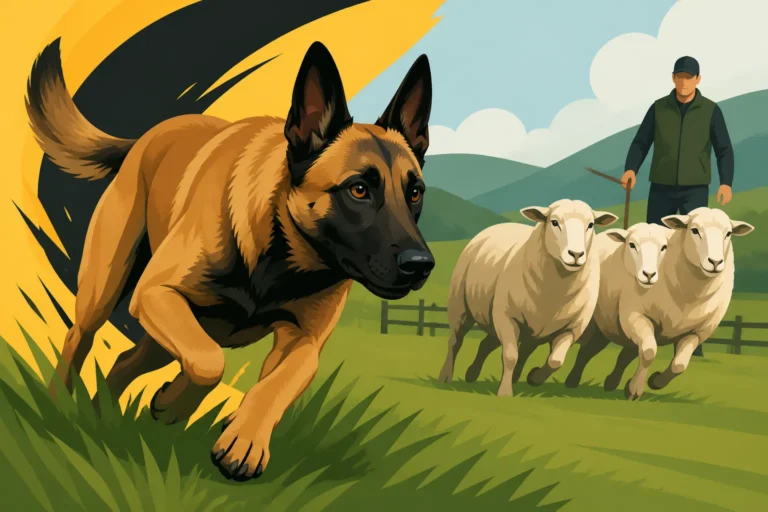
A Malinois often displays a complex interplay between its herding instinct and its prey drive. While both can manifest as a strong desire to interact with or control moving objects – like sheep, goats, or even chickens – they come from slightly different places. The herding instinct, for which The Herding Job the Belgian Malinois Was Built For is a prime example, is about gathering, driving, and controlling movement. It's often characterized by stalking, eye contact, and low, persistent movement. They aren't trying to kill the animal, but to move it, which can still be incredibly stressful and dangerous for livestock.
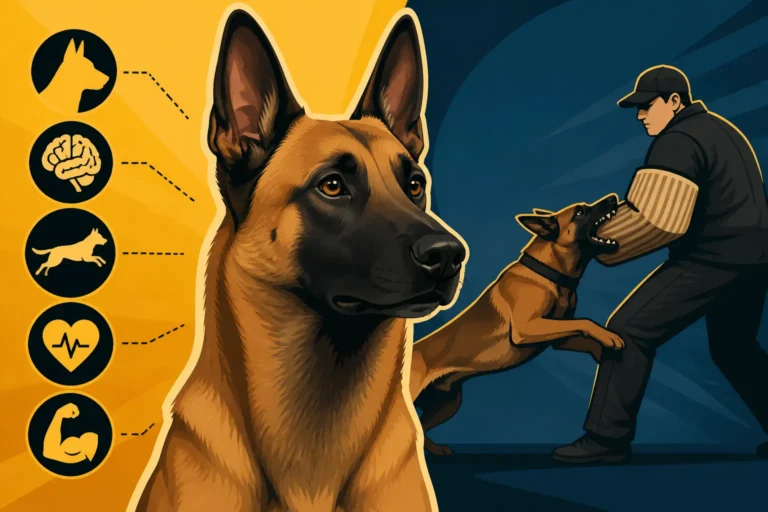
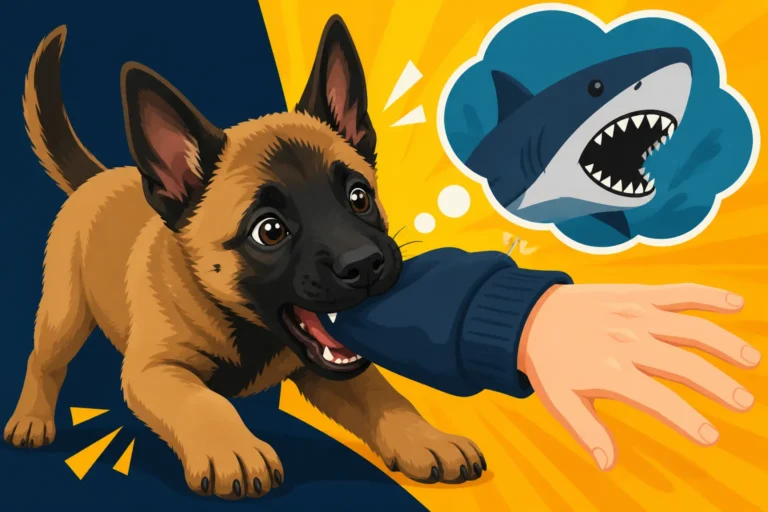
On the other hand, their powerful prey drive is less about control and more about the chase, capture, and even dispatch. This is the drive that makes them so formidable in bite sports and protection work, where they are trained to pursue and engage with a decoy. When a Malinois sees a rabbit bolt or a chicken flutter, that prey drive can ignite, turning a calm walk into a high-speed chase. For many Malinois, especially those from working lines, these two drives aren't neatly separated; they can blend and feed off each other, making livestock an irresistible, pulsating distraction.
Why Ignoring Comes Hard for a Malinois
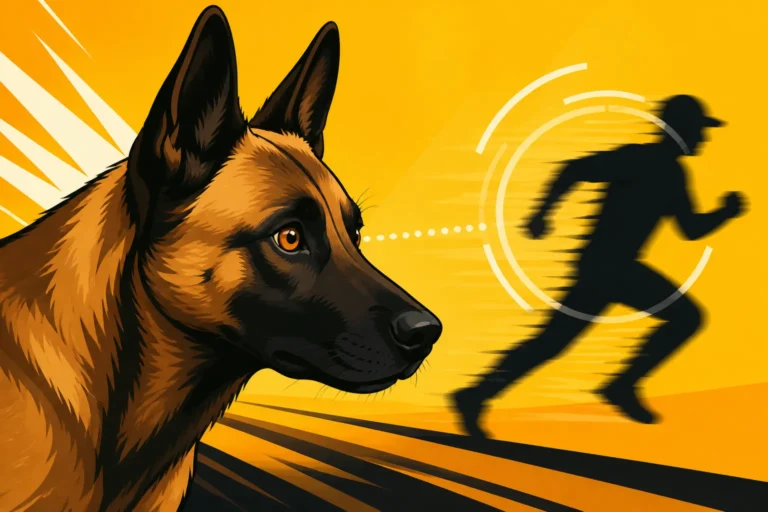
To a Belgian Malinois, a moving animal, particularly one that reacts by running, is a direct invitation to engage. It's not a matter of simply "telling" them no; it's asking them to override millions of years of selective breeding and primal instinct. Their brains are wired to observe, react, and pursue. Every twitch, every flutter, every panicked sprint from a sheep or a cow registers as a "yes" signal in their highly attentive minds. This makes it incredibly challenging for them to simply look away, especially if they haven't been taught otherwise from a very young age in a controlled manner.
Moreover, the sheer intensity and energy of a Malinois mean they rarely do anything halfway. If they engage, they engage fully. This isn't a dog that will idly watch a chicken; it's a dog that will probably try to round it up or chase it, simply because that's what their powerful internal motors are telling them to do. Their sensory input is constantly on high alert, and the sight, smell, and sound of livestock are powerful triggers that demand their attention and action.
The Risks of Unmanaged Instincts Around Farm Animals
The consequences of an unmanaged Malinois around livestock can range from inconvenient to absolutely devastating. Even a "playful" chase can lead to extreme stress for farm animals, resulting in injury, miscarriage in pregnant animals, or even death from shock or exhaustion. A small flock of chickens can be wiped out in minutes, and larger animals like sheep or goats can suffer severe injuries from being chased into fences or attacked directly. Financially, this can be ruinous for farmers, and emotionally, it's heartbreaking for both the livestock owner and the Malinois owner.
Beyond the immediate harm to animals, there's the legal and social fallout. Many jurisdictions have strict laws regarding livestock worrying, and an owner can face significant fines, legal action, and even the potential euthanasia of their dog. Your reputation in a community, especially a rural one, can be severely damaged. It's a responsibility that cannot be taken lightly, and understanding the gravity of these risks is the first step toward effective management.
Early Training and Socialization Are Key
Preventing issues is always easier than fixing them, and with a Belgian Malinois and livestock, this couldn't be truer. The foundation laid in puppyhood and early adolescence will dictate how successfully your dog can navigate these high-stimulus environments.
Puppyhood Exposure: How to Introduce a Young Malinois Safely to Farm Environments
Starting early is paramount. As soon as your Malinois puppy has had its initial vaccinations and is safely able to be out in the world, controlled exposure can begin. This doesn't mean letting them loose in a pasture. Far from it. This means bringing your puppy, on a secure leash, to the edge of a field or a barn area where livestock are present but at a safe distance. The goal is desensitization: showing them that these animals are part of the environment, not targets for interaction.
Keep these sessions short, positive, and calm. The moment your puppy notices the livestock, reward calm observation. If they get too excited, move further away until they can settle, then slowly approach again. The idea is to create a positive association with ignoring the livestock, rather than engaging. Think of it like teaching them Socializing a Belgian Malinois Puppy Safely around other dogs; it's about observation and neutrality, not direct interaction. Over time, you can gradually decrease the distance, always ensuring your puppy remains under control and calm.
Building a Rock-Solid Foundation of Obedience
Before you even think about putting your Malinois in close proximity to livestock, their basic obedience needs to be beyond reproach. We're talking about commands that are proofed in every environment imaginable, under every distraction. A solid "Leave It" command is non-negotiable. This isn't just a polite suggestion; it needs to be an immediate, automatic cessation of interest, no matter how tempting the distraction. "Come" or Recall on a Belgian Malinois in Full Drive needs to be a lifesaver, meaning your dog will return to you instantly, even if they're halfway across a field chasing a deer (or, heaven forbid, a lamb).
A strong "Heel" or "Walk" command, where your dog stays by your side without pulling, is also vital for navigating trails or roads adjacent to pastures. Furthermore, teaching a bomb-proof "Place" command, where your dog will go to a designated spot and stay there until released, can be invaluable for management around the home or in situations where livestock might be nearby. These commands need to be practiced relentlessly, not just in your backyard, but in increasingly distracting environments, long before livestock are ever introduced as a variable. Use high-value rewards and make training sessions fun and engaging to build that strong bond and responsiveness.
Counter-Conditioning and Desensitization Techniques
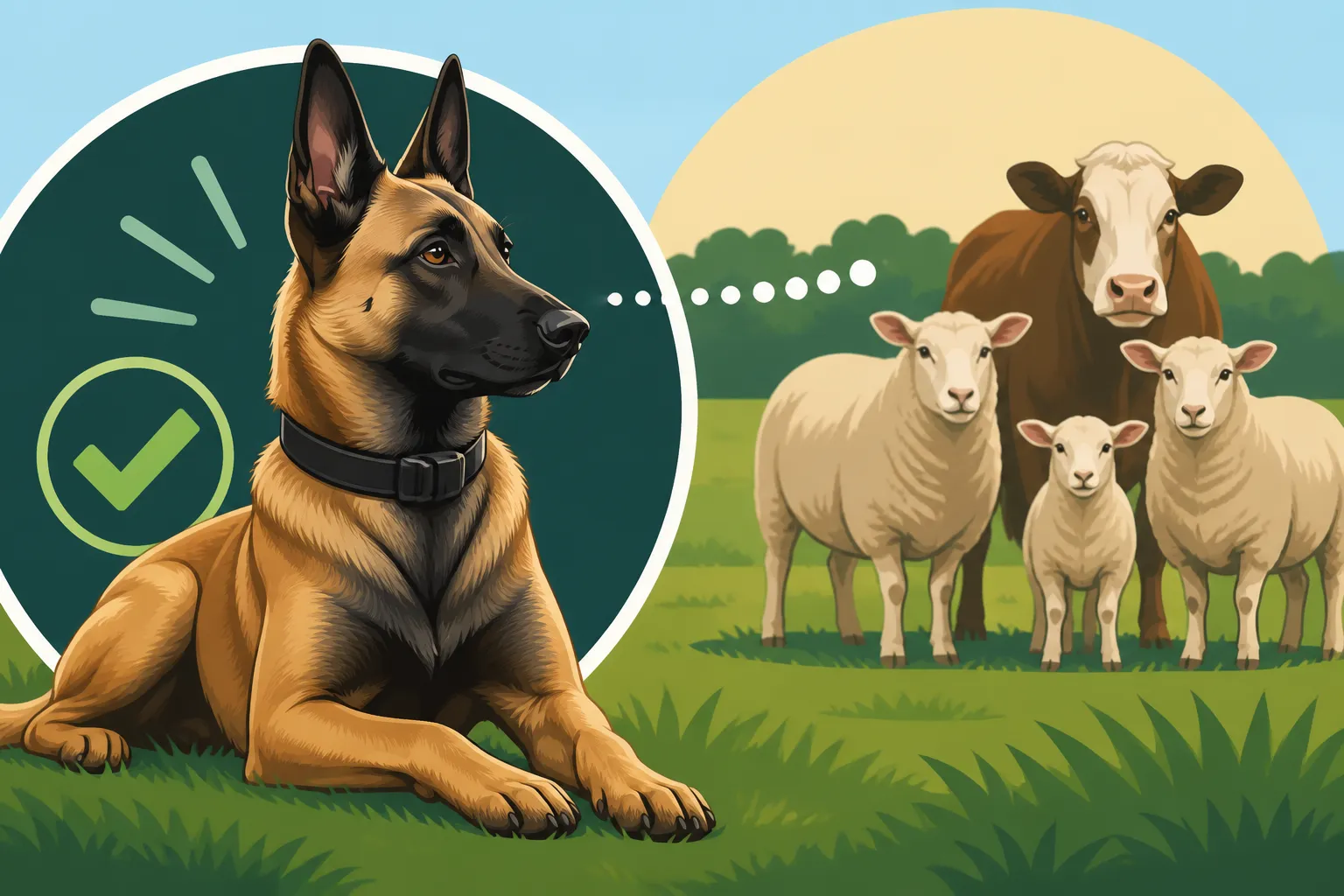
Once basic obedience is in place, you can move into more structured counter-conditioning. This involves changing your dog's emotional response to livestock from excitement/prey drive to neutrality or even disinterest. Again, this is done in highly controlled environments. Take your Malinois to a location where livestock are present but at a safe distance, ideally behind a secure fence. The moment your dog notices the animals, immediately present a super high-value treat – something they absolutely adore, like cooked chicken or cheese. The goal is for them to associate the sight of livestock with getting something amazing from you.
As they become calmer, you can gradually decrease the distance. If your Malinois becomes overstimulated or begins to fixate, you've gone too far too fast. Increase the distance again and reinforce calm behavior. This process requires immense patience and consistency. It's not about punishing their interest, but about redirecting their focus and changing their internal emotional state. Remember, you're competing with thousands of years of genetics, so celebrate every small win. This is a long-term project, not a quick fix.
Advanced Management and Ongoing Strategies
Even with excellent foundational training, managing a Belgian Malinois around livestock is an ongoing commitment. It requires vigilance, consistent reinforcement, and smart management tools to ensure safety for all.
Controlled Encounters and Leash Management
When your Malinois has demonstrated a consistent ability to remain calm and responsive around distant livestock, you can begin to introduce controlled, closer encounters. This must be done on a leash, preferably a sturdy one with a reliable collar or harness. A strong martingale collar or a well-fitted, escape-proof harness can give you better control than a flat collar if your dog suddenly decides to lunge. You might also consider a hands-free leash system, which allows you to keep both hands free for treats and handling, while still maintaining control. Many options are available on platforms like Amazon.
These encounters should always be brief and structured. Walk your Malinois calmly past a fenced pasture, rewarding every moment of indifference or engagement with you instead of the animals. If your dog starts to fixate, use your "Leave It" command and redirect their attention. If they are successful, praise them lavishly and reward them. If they fail, immediately increase the distance or end the session. The key is to set them up for success, never putting them in a situation where they are likely to fail and practice the undesired behavior. The mental energy required for this kind of focused work is immense, which can actually help with The Mental Work That Finally Tires a Malinois Out.
Creating a "Job" That Satisfies Their Drive Away From Livestock
A bored Malinois with unchanneled drive is a recipe for disaster around livestock. These dogs need a job, a purpose, something to engage their brilliant minds and powerful bodies. If they don't get it from you, they'll find it themselves, and that often involves chasing things. Instead of letting them focus on the sheep next door, channel that incredible prey drive into appropriate outlets.
Think about activities like scent work, where their incredible noses can be put to use finding hidden items or specific odors. Agility is another fantastic option, allowing them to use their athletic bodies and problem-solving skills to navigate obstacles. Even structured fetch or Channeling a Belgian Malinois's Prey Drive Into a Tug can provide a valuable outlet for their chase and retrieve instincts. For instance, brands like BAXTER & Bella offer online puppy and dog training programs that can help build a strong foundation of positive reinforcement and structured play, channeling their energy effectively. The more fulfilled your Malinois is through appropriate work, the less likely they are to seek fulfillment from chasing livestock. This kind of consistent work is part of meeting Two Hours and a Job a Belgian Malinois Demands Daily.
Tools and Aids for Responsible Livestock Management
While training is foundational, certain tools can be invaluable for managing a Malinois around livestock, particularly in emergency situations or during the learning process.
- Secure Fencing: This is your first line of defense. No amount of training can override an open gate or a hole in the fence. Ensure your property has sturdy, jump-proof, and dig-proof fencing if you live near livestock.
- Long Lines: For initial controlled exposure in larger, safer areas, a long line (20-50 feet) can give your dog a sense of freedom while maintaining your control. This allows you to practice recall and redirection from a distance.
- Muzzles: For situations where absolute safety is paramount, such as unavoidable close proximity to livestock during the early training phases, a well-fitted basket muzzle can prevent accidental nips or bites while still allowing your dog to pant and drink. Muzzle conditioning should always be a positive experience, started long before it's "needed."
- E-collars: When used correctly and humanely by an experienced handler, an e-collar can be a powerful tool for reliable communication and interruption of unwanted behavior at a distance. However, they are not a substitute for training and require careful, professional introduction. Using an e-collar incorrectly can have negative consequences, so understanding E-Collar Timing on a Belgian Malinois is crucial. This tool should only be considered after a strong foundation of positive reinforcement and classical conditioning has been established, and under the guidance of a qualified trainer.
When Professional Help Becomes Essential
Sometimes, despite your best efforts, the innate drive of a Malinois can simply be too powerful to manage on your own. There's no shame in seeking professional help; in fact, it's often the most responsible course of action for the safety of your dog and other animals.
Recognizing When You're Out of Your Depth
It's important to be honest with yourself about your capabilities and your dog's temperament. If your Malinois consistently ignores your commands in the presence of livestock, if their fixation is so intense that you cannot break their attention, or if they've had an incident (even a minor one) where they’ve engaged with livestock, it's a clear sign you need more than self-help advice. If you feel overwhelmed, frustrated, or fearful that an accident is inevitable, that's when you're out of your depth.
Another red flag is if the issue is causing significant stress in your household or community. Living with the constant worry of your dog escaping and harming livestock is not sustainable. These highly intelligent dogs are sensitive, and while they are tough, consistent failure in these high-stakes scenarios can also impact their confidence and your bond. Recognizing these signs early allows you to get help before a serious incident occurs.
Finding a Qualified Trainer for Herding Breeds
Not all dog trainers are created equal, especially when it comes to high-drive working breeds like the Belgian Malinois and specific issues like livestock management. You need a trainer with extensive experience not just with Malinois or similar herding breeds, but specifically with modifying prey drive and herding instincts around farm animals. Look for trainers who:
- Specialize in working breeds: They understand the unique drives and needs of a Malinois, beyond typical pet obedience.
- Emphasize positive reinforcement and ethical tools: While some may use e-collars, they should advocate for balanced training that starts with positive methods and introduces corrective tools thoughtfully and humanely. Understanding Whether an E-Collar Damages a Soft Malinois is vital in this selection.
- Have experience with livestock: Ideally, they should have access to a controlled environment with livestock where training can be safely conducted.
- Are transparent about their methods: They should be able to clearly explain their approach, provide references, and show you tangible results.
- Prioritize safety: Their primary concern should be the safety of both your dog and the livestock.
Avoid trainers who promise quick fixes, rely solely on punitive methods, or don't seem to grasp the intensity of a Malinois's natural drives. A good trainer will help you develop a tailored plan, teach you the skills to manage your dog, and support you through the long-term process.
Here's a quick overview of approaches:
| Training Approach | Description | Best For | Key Considerations |
|---|---|---|---|
| Desensitization | Gradual exposure to livestock at increasing proximity, rewarding calm behavior. | Young puppies, dogs with mild curiosity, building initial neutrality. | Requires immense patience and controlled environments. |
| Counter-Conditioning | Changing emotional response by associating livestock with high-value rewards from the owner. | Dogs showing excitement, mild fixation. Often paired with desensitization. | Requires high-value treats and precise timing. |
| Positive Interruption | Using a loud noise or firm command to break focus, immediately redirecting to an alternate behavior. | Dogs with moderate focus, needing redirection from impending chase. | Must be followed by rewarding the desired alternative; avoid punishment-only. |
| Structured Obedience | Reinforcing commands like "Leave It," "Come," "Heel" to override instinct. | All Malinois, as a foundational and ongoing component. | Needs to be proofed in high-distraction environments; consistency is key. |
| Drive Channeling | Providing alternative, appropriate outlets for prey/herding drive through specific dog sports/work. | All Malinois, to prevent boredom and redirected energy. | Requires consistent engagement and understanding of the dog's individual drives. |
| E-Collar (Balanced) | Using an e-collar for precise, long-distance communication to interrupt undesired behavior. | High-drive dogs, scenarios needing reliable distance control. | Requires expert handling and prior positive association; not for novice users. |
Teaching a Belgian Malinois to ignore livestock is undeniably one of the more challenging aspects of owning this incredible breed. Their ancient instincts are powerful, deeply ingrained, and for good reason—they were bred to work. But with an early start, unyielding consistency in training, a rock-solid foundation of obedience, and a willingness to channel their immense drives into appropriate outlets, it is absolutely possible for a Malinois to learn to coexist peacefully around farm animals. Remember, patience, understanding, and proactive management are your greatest allies in this journey.
Disclaimer
This article is for general informational purposes only and does not constitute professional advice. Laws, prices and regulations vary by location and change over time. Consult a qualified professional for guidance on your specific situation.