A Belgian Malinois That Fixates on Moving Things
It's an incredibly common, and let's be honest, often frustrating, scenario for Belgian Malinois owners: you're out for a walk, everything is calm, and then a squirrel darts across the path, a child rides by on a bike, or another dog appears. Suddenly, your powerful, usually attentive Malinois transforms into a laser-focused missile, lunging and pulling with an intensity that can surprise even seasoned handlers. This guide is here to help you understand why your Malinois fixates on moving things, and more importantly, how to manage, redirect, and train through this incredibly strong natural instinct. We'll delve into practical strategies and long-term solutions to help you and your Malinois navigate a world full of tempting motion.
Deconstructing the Malinois Fixation: More Than Just a Quirk
When your Belgian Malinois locks onto a moving object – whether it's a leaf skittering across the pavement, a jogging stranger, or a distant bird – it's not just being "naughty" or disobedient. This isn't some minor quirk. What you're witnessing is a profound expression of their genetic heritage, an intense drive that has been selectively bred into them for generations. Understanding the roots of this behavior is the first step toward effectively managing it, because you can't truly change who they are, but you can certainly shape what they do.
The Intense Prey Drive at Play
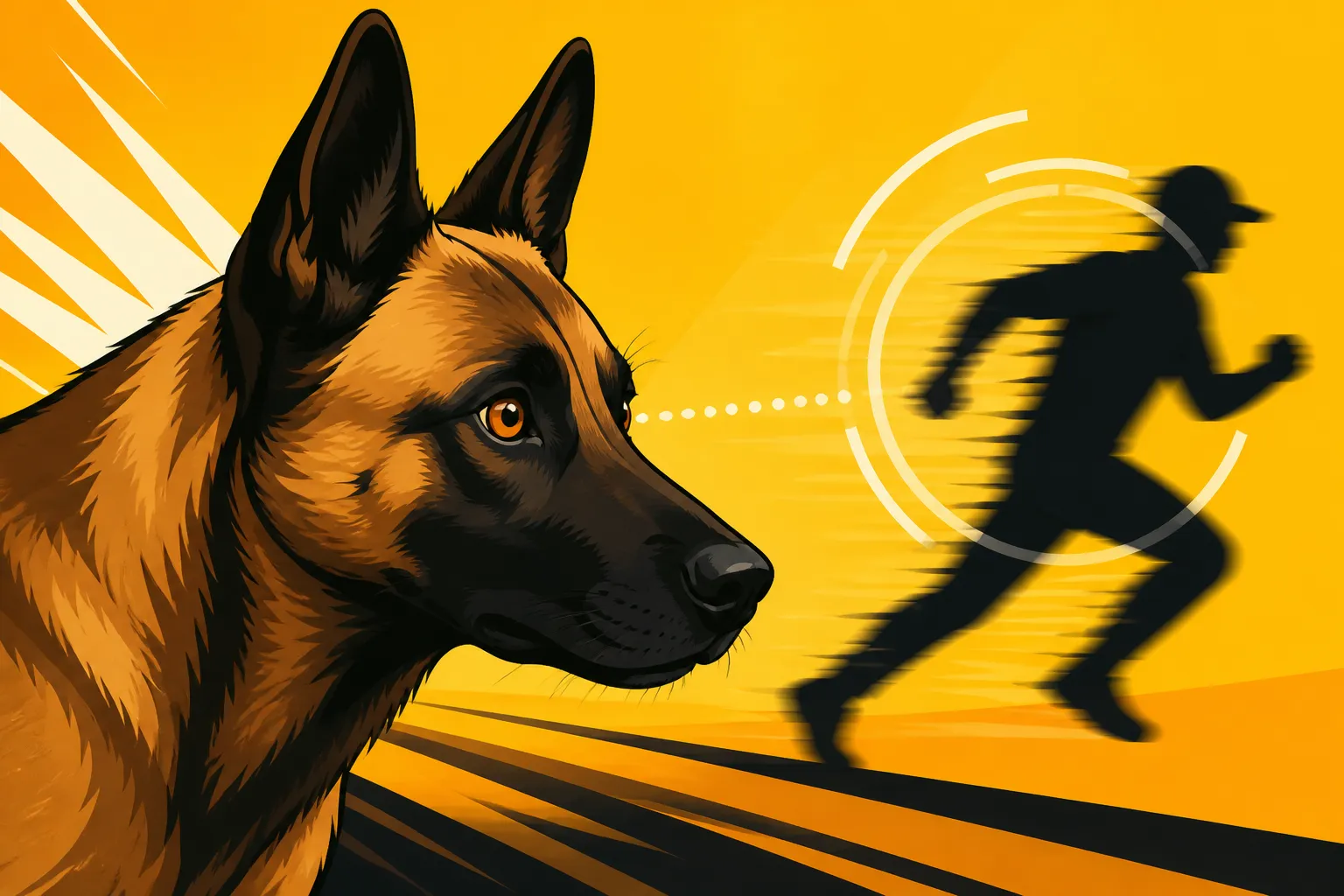
At the very core of a Malinois's being is an almost unparalleled prey drive. These dogs were developed to work, and that work often involved tracking, chasing, and apprehending. Prey drive is essentially the instinct to pursue and catch moving objects. For a Malinois, this isn't just a fleeting interest; it's a hard-wired, deeply satisfying behavioral sequence. A fluttering flag, a child running, a car passing by, or a ball bouncing – these all mimic the frantic movements of prey. When a Malinois fixates, their adrenaline surges, their senses narrow, and their entire focus is consumed by that moving target. It feels incredibly rewarding for them, which makes it a self-reinforcing behavior that's tough to break. This intense focus can often make them seem deaf to your commands, as the internal reward of the chase completely overrides external input. It’s why trying to simply yell "No!" often falls on deaf ears; their brain is literally operating in a different mode. Many new Malinois owners are taken aback by just how strong this impulse is, even in a home pet. It's not like a typical dog's curiosity; it's an undeniable force.
The Herding Instinct and Movement
Beyond pure prey drive, the Belgian Malinois also carries a strong herding legacy. While they might not be rounding up sheep in your backyard, the instinct to gather and control movement is very much alive. This means that anything that moves independently, especially if it moves away from them, can trigger that primal urge to collect or stop it. A skateboarder whizzing past, a group of kids playing tag, or even just another dog moving erratically can ignite this instinct. It’s a subtle but powerful driver behind their fixation. They're not just looking to catch something; sometimes, they're looking to control its movement. This often manifests as a strong desire to "herd" passing cars or even people, often by darting and nipping at heels if given the chance. This herding impulse, combined with their prey drive, creates a powerful cocktail that makes ignoring moving stimuli incredibly difficult for them. It's a drive that is deeply ingrained, and you'll find it referenced in discussions about their historical purpose, like how The Herding Job the Belgian Malinois Was Built For directly shaped their behavior today.
When Environmental Factors Amplify the Behavior
While genetics lay the foundation, the environment plays a huge role in how intensely this fixation manifests. A Malinois living in a quiet, rural setting might have fewer triggers and thus less opportunity to practice and reinforce these behaviors. However, a Malinois in a bustling urban or suburban environment is bombarded with moving stimuli: cars, bikes, pedestrians, other dogs, and wildlife. Each encounter, especially if not managed correctly, can strengthen the fixation. Furthermore, lack of adequate physical exercise and mental stimulation can greatly exacerbate the problem. An under-exercised Malinois has a pressure cooker of energy and drive just waiting to be released, and moving objects provide the perfect outlet. If they're bored or stressed, even a gentle breeze rustling leaves can become a source of intense, unchanneled focus. It's a vicious cycle where a lack of appropriate outlets makes them more sensitive to triggers, which in turn makes them harder to manage. Think about how much more irritable and prone to snapping you are when you're exhausted and overwhelmed – it's similar for a Malinois who isn't getting its needs met. Two Hours and a Job a Belgian Malinois Demands Daily is not an exaggeration, and unmet needs often lead to amplified problem behaviors.
Practical Management Strategies for Immediate Relief
Let's be real, you can't magically erase your Malinois's prey drive. But you can implement practical management strategies right away to prevent unwanted behaviors and keep everyone safe. These aren't necessarily "training" in the traditional sense, but they are crucial for survival in the meantime. Think of them as your immediate toolkit for navigating the world with a high-drive dog.
Mastering Leash Handling and Equipment Choices
Your leash and collar are your primary lines of defense when you’re out and about. For a Malinois prone to fixation, a standard flat collar often isn't enough. Many handlers find success with tools that offer more control, such as a head halter or a front-clip harness. A head halter (like a Halti or Gentle Leader) gives you control over the dog's head, and where the head goes, the body often follows. It’s not a muzzle, but it gives you steering power. A front-clip harness, available from brands on Amazon, discourages pulling by redirecting the dog's momentum sideways when they try to lunge forward.
Consider a longer, but robust, lead for walks in open, less stimulating areas, which can give your Malinois a bit more freedom to sniff and explore while still being attached, but always be ready to shorten your grip immediately if a trigger appears. Remember, the goal is control, not just attachment. You need to be able to stop them instantly if they decide to launch themselves after a moving object. Always use equipment that you can reliably hold onto, even with a sudden, powerful lunge. If your hands are cramping or you're losing your grip, your equipment isn't serving you well. This might also be a good time to consider Muzzle Conditioning Before a Malinois Ever Needs One for higher-risk scenarios or public access, purely as a safety measure.
Creating a Predictable and Safe Environment
While it's impossible to eliminate all moving objects from your dog's life, you can certainly minimize their exposure to known triggers, especially during the early stages of training or when you're simply trying to enjoy a calm outing. If you know certain routes are rife with squirrels, bikes, or children, choose a different path for a while. Walk at times when fewer people or less traffic are around. A well-secured yard with solid fencing can allow for safe off-leash exercise without the risk of your Malinois escaping to chase something. Remember, an invisible fence will absolutely not contain a Malinois in pursuit of prey. They will blow right through it.
Indoors, think about how moving objects outside might be triggering your dog. If they constantly bark and lunge at people walking by the window, consider blocking their view with window film or by keeping them in a different room during peak activity hours. Creating a predictable and less stimulating environment at home reduces their overall arousal levels, making them less likely to react explosively when they do encounter a trigger. This isn't about sheltering them forever, but about strategically managing exposure while you work on training, providing a foundation of calm for them.
The Power of Proactive Avoidance
This might sound like simply running away from the problem, but proactive avoidance is a critical management strategy for high-drive dogs. It means actively scanning your environment, anticipating potential triggers, and taking action before your Malinois even notices the moving object. See a jogger approaching from a distance? Cross the street. Spot a child on a scooter? Turn around or step behind a parked car to create a visual barrier. This isn't about being paranoid; it's about being prepared and responsible.
The moment your Malinois starts to fixate, their brain has already shifted into "chase mode," and it becomes incredibly difficult to regain their attention. By avoiding the situation entirely or creating distance, you prevent them from practicing and reinforcing the unwanted behavior. Every time they don't lunge, that's a small victory. This also helps keep their stress levels lower, as they aren't constantly being pushed over threshold. Learning to read your dog's subtle cues, like a slight stiffening of the body, ear flick, or intense stare, is crucial for successful avoidance. You want to intervene before the full-blown fixation takes hold. This is particularly important when dealing with strong impulses like those discussed in A Belgian Malinois That Fixates on Passing Vehicles.
Training Protocols to Redirect and Build Focus
While management helps prevent the problem in the moment, true progress comes from dedicated training. The goal isn't to suppress their natural drives entirely, but to teach them to channel that incredible focus and energy into appropriate, acceptable behaviors, and, crucially, to maintain focus on you despite distractions. This takes immense patience, consistency, and a deep understanding of what motivates your Malinois.
Building a Solid Foundation of Engagement
Before you can ask your Malinois to ignore a moving squirrel, you need to build an incredibly strong foundation of engagement with you. This means making yourself more interesting and rewarding than almost anything else in the environment. Start training in low-distraction environments (indoors, quiet yard) and use high-value rewards – think delicious, meaty treats, or a favorite tug toy from Amazon. Practice short, fun sessions focused on eye contact, name recognition, and basic obedience commands.
Play is a fantastic way to build engagement. Games like tug-of-war (with clear rules like "out" and "take it") or fetch can teach your Malinois that interacting with you is incredibly fun and fulfilling. The key is to be exciting, unpredictable, and generous with your rewards. If you are boring, the world will always be more interesting. A strong bond and consistent positive reinforcement will make your Malinois want to pay attention to you, even when there are tempting distractions. This foundation is so vital, and you can learn more about it in Building Engagement With a Belgian Malinois.
Counter-Conditioning and Desensitization Techniques
This is where you systematically change your Malinois's emotional response to triggers. Instead of reacting with intense fixation or arousal, you want them to associate moving objects with positive experiences (usually treats).
Desensitization involves gradually exposing your dog to the trigger at a distance and intensity where they don't react. Start far away from the trigger (e.g., a park where bikes are visible but very distant) and only approach closer as your dog remains calm.
Counter-conditioning means that every time your Malinois notices a moving object (but before they fixate or react), you immediately give them a high-value treat. The goal is: moving object = delicious food. This changes their internal association. You’re not waiting for them to ignore it, you're rewarding the presence of the trigger without the reaction.
Here’s how to do it:
- Identify Trigger Threshold: Find the distance at which your Malinois notices the trigger but doesn't lunge, stare intensely, or get highly aroused. This might be 50 feet for a bike, or 100 feet for another dog.
- Reward Observation: The moment your Malinois looks at the trigger, say "Yes!" (or use a clicker) and immediately give a high-value treat. Don't wait for them to look away from the trigger; reward the look.
- Repeat and Move On: After a few repetitions, move away from the trigger or wait for it to pass. Keep sessions short and positive.
- Gradually Decrease Distance: Over many, many sessions and days, slowly decrease the distance to the trigger. If your dog starts reacting, you've moved too close, too fast. Go back to where they were successful.
This process takes time and consistency. It's about slowly reprogramming their automatic response. Remember, your goal is to prevent them from going "over threshold" – the point where they can no longer think or respond to you.
Teaching an "Off Switch" and Impulse Control
Teaching an "off switch" is about helping your Malinois learn to settle and control their impulses, even when aroused. This is crucial for a breed that can go from zero to a hundred in a split second. Commands like "place" or "settle" are invaluable.
Place Command: Teach your Malinois to go to a specific mat or bed and stay there until released. Start in a quiet environment, rewarding heavily for staying. Gradually add distractions and increase duration. Building a Malinois's Place Command is a foundational skill.
Impulse Control Games:
- "It's Your Choice": Hold a treat in your closed hand. When your dog tries to get it, ignore them. The moment they back off or look away, open your hand and reward. They learn that calm behavior gets the reward.
- Controlled Tug/Fetch: Use a tug toy or ball. Engage them briefly, then ask for an "out" or "drop it." Reward immediately when they release. Resume play. This teaches them that releasing the toy means play continues, not ends. This is a great way of Channeling a Belgian Malinois's Prey Drive Into a Tug.
- "Wait" at Doors/Food Bowl: Make them wait before eating their meal or before going through a door. This builds patience and self-control.
Companies like BAXTER & Bella offer online puppy and dog training programs that emphasize these crucial foundational skills like engagement and impulse control, which are vital for a Malinois. Consistent practice of these skills in various environments will build your dog's ability to resist the urge to fixate and lunge. Building an Off Switch Into a Belgian Malinois is not just a nice-to-have; it's a necessity for living harmoniously with this breed.
Long-Term Well-being: Addressing Core Malinois Needs
Managing fixation on moving objects isn't just about specific training exercises; it's deeply intertwined with your Malinois's overall well-being. If their fundamental needs for exercise, mental stimulation, and a clear job aren't being met, any behavioral issues, including fixation, will likely persist or even worsen. You can't train away a problem that stems from an unfulfilled dog.
Meeting Their Intense Exercise Requirements
Let’s be brutally honest: a casual stroll around the block or 20 minutes in the backyard is simply not enough for most Belgian Malinois. These dogs are athletes, built for endurance and explosive speed. They need rigorous, structured physical exercise daily. This means activities that truly challenge their bodies, not just passive pottering.
Consider activities like:
- Running/Jogging: Many Malinois make excellent running partners.
- Bikejoring/Canicross: These sports allow your dog to pull you while running or cycling, providing an intense workout.
- Long-distance hikes: Covering varied terrain is mentally and physically stimulating.
- Structured fetch/flirt pole sessions: While not enough on their own, these can be part of a larger exercise regimen, teaching control and drive.
Remember that physical exhaustion alone won't solve fixation issues, but an under-exercised Malinois will have an abundance of pent-up energy that makes them hyper-reactive to stimuli. They need an outlet for that physical drive, otherwise, they'll find their own, often destructive, ways to burn it off. You need to commit to a serious exercise routine, as outlined in posts like How Many Hours a Belgian Malinois Should Work Daily and Whether Too Much Exercise Makes a Malinois Worse. It's about finding the right balance and intensity.
Providing Mental Stimulation and a Job
Just as important as physical exercise is mental stimulation. A tired body but a bored mind is a recipe for a Malinois developing behavioral issues. These dogs are intelligent and thrive on having a "job" to do, even if it's just a household task. Their brains need to be engaged and challenged regularly.
Ways to provide mental stimulation:
- Puzzle Toys: Stuff KONGs or use interactive puzzle feeders (many durable options on Amazon) to make them work for their food.
- Scent Work/Nose Work: This is incredibly tiring and fulfilling for a Malinois, tapping into their natural hunting instincts. Hide treats around the house or yard and encourage them to find them.
- Obedience Training: Ongoing, advanced obedience training keeps their minds sharp and reinforces your bond. Don't stop at the basics; continue to learn new commands and refine existing ones.
- Sport Training: Even if you're not competing, exploring dog sports like IGP (schutzhund), agility, or even just advanced trick training provides immense mental stimulation and a sense of purpose.
When a Malinois's mind is actively engaged in productive tasks, they are less likely to seek out inappropriate mental "work" like fixating on every moving object. The Mental Work That Finally Tires a Malinois Out isn't just a catchy title; it's a critical component of Malinois ownership. A fulfilled Malinois is a calmer, more responsive Malinois.
Consistency and Patience: The Unsung Heroes
Training a Belgian Malinois through a deeply ingrained behavior like fixation on moving objects is a marathon, not a sprint. There will be days of incredible progress, and then days where it feels like you've taken ten steps backward. It’s vital that you, the handler, remain consistently patient, calm, and firm. Inconsistency from you will only confuse your Malinois and slow down their learning. Every family member who interacts with the dog must be on the same page regarding rules, commands, and expectations.
Celebrate small victories, learn from setbacks, and never give up. Remember that your Malinois isn't trying to be difficult; they are simply acting on powerful instincts. Your job is to guide them, teach them, and help them navigate a human world in a way that allows them to be safe and fulfilled. Seek guidance from experienced Malinois handlers or professional trainers if you feel stuck. They can provide invaluable insight and support. Consistency in your approach over weeks, months, and even years, coupled with unwavering patience, is what will ultimately lead to success and a harmonious relationship with your incredible dog.
| Training Tool | Primary Benefit | Best for… | Important Considerations |
|---|---|---|---|
| Head Halter | Direct control over head direction | Strong pullers, highly reactive dogs | Requires positive conditioning to prevent aversion; not a muzzle. |
| Front-Clip Harness | Reduces pulling by redirecting momentum | General walks, moderate pullers, body control | Less effective for head control; ensure proper fit to prevent chafing. |
| Long Line | Allows safe distance and freedom of movement | Recall practice in open, safe areas; desensitization | Can tangle easily; requires handler attentiveness to avoid tripping hazards. |
| High-Value Treats | Enhances motivation and positive association | Counter-conditioning, engagement, reward for focus | Must be truly high-value to your dog; small, easy-to-eat pieces. |
| Durable Tug Toy | Channels prey drive, builds engagement | Reward for "out," controlled play, focus exercises | Ensure it's sturdy enough for a Malinois's bite; teach clear start/stop commands. |
| Muzzle | Prevents bites | High-risk environments, vet visits, initial public access | Absolutely requires positive conditioning; never used as punishment. |
Disclaimer
This article is for general informational purposes only and does not constitute professional advice. Laws, prices and regulations vary by location and change over time. Consult a qualified professional for guidance on your specific situation.