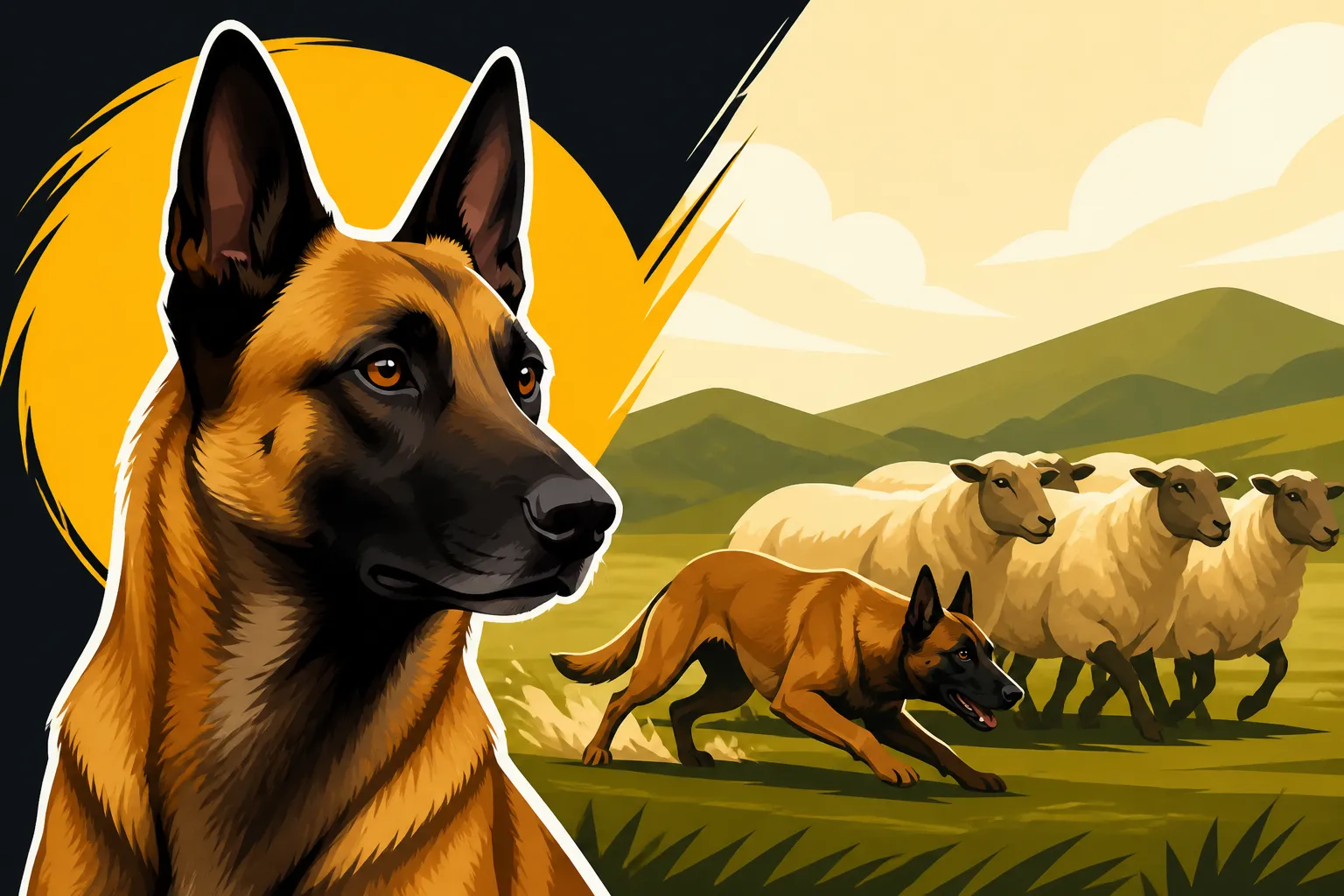
The Herding Job the Belgian Malinois Was Built For
Many new Belgian Malinois owners, or those simply captivated by the breed, often associate them primarily with police work, military roles, or high-octane protection sports. While these are certainly prominent facets of the modern Malinois, they overshadow the breed's foundational purpose, leaving many surprised to learn that this intense, driven dog was originally bred for the demanding, yet nuanced, task of herding livestock on the farms of Belgium. This guide will delve deep into the historical role of the Belgian Malinois as a herding dog, exploring the instincts and traits that made them indispensable on the farm, and how these very characteristics continue to shape the breed we know and admire today.
A Look Back: The Malinois Before the Bite Work
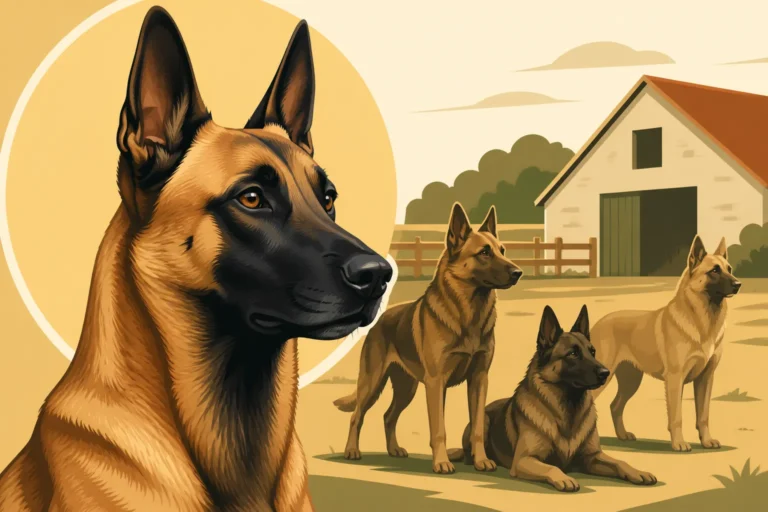
Before the Belgian Malinois became synonymous with tactical operations and Schutzhund fields, it was a humble, hardworking farm dog. The breed's origins are deeply rooted in the agricultural landscape of 19th-century Belgium, a time when a dog's worth was measured by its utility and ability to contribute to the daily grind of farm life. Understanding this past is crucial to truly appreciate the innate drives that still make the Malinois such a formidable and complex companion.
The Humble Beginnings of the Belgian Shepherds
The story of the Belgian Malinois begins with the broader category of Belgian Shepherd dogs, or Chien de Berger Belge. These were not fancy show dogs, but rather utilitarian canines developed by local farmers, shepherds, and cattlemen who needed intelligent, athletic, and resilient dogs to manage their livestock. These dogs were selected for their working ability, not their aesthetic uniformity, which is why early types varied significantly in coat length, color, and texture. What united them was their shared work ethic and incredible drive.
Back then, a farmer couldn't afford a dog that was merely a pet; every mouth to feed had to earn its keep. These dogs were expected to guard flocks from predators, move cattle from pasture to market, and keep sheep contained within vast, unfenced lands. They were an extension of the farmer's will, often working long hours in all weather conditions. The genetic foundation for the Malinois we see today, with its boundless energy and sharp intellect, was forged in this demanding, no-nonsense environment.
Why the Malinois Developed Where It Did
Specifically, the Malinois variety emerged from the area around the city of Mechelen, or Malines in French, which is how the breed got its name. The Belgian Town the Malinois Is Named After provides more insight into this geographical connection. This region was characterized by its open fields and agricultural communities, where the need for efficient and tireless herding dogs was paramount. Unlike some other European shepherd breeds that were developed in more mountainous or rugged terrain, the Malinois often worked on relatively flat, expansive plains. This environment favored a dog with incredible speed, agility, and stamina, capable of covering vast distances quickly to gather and drive livestock.
The farmers in the Mechelen region, perhaps by chance or by a particularly keen eye for talent, began to favor dogs with shorter coats, which were thought to be easier to maintain and better suited for the local climate and working conditions. These shorter-coated dogs were often fawn or reddish-brown with a distinct black mask, a hallmark that remains a key characteristic of the Malinois. Their quick movements and sharp turns were essential for managing flocks effectively without causing undue stress or injury to the animals.
Life on the Belgian Farm: A Dog's Daily Tasks
Imagine a day in the life of an ancestral Malinois. Their mornings might start before dawn, assisting the farmer in moving cows from the milking parlor to the pasture. Throughout the day, they would patrol the perimeter of grazing lands, using their keen senses to detect any stray sheep or potential threats. If a flock needed to be moved from one field to another, the Malinois would spring into action, using their natural gathering and driving instincts to guide the animals calmly and efficiently.
This wasn't just about chasing; it was about subtle control, intelligent anticipation, and understanding the nuances of livestock behavior. A good herding dog knew when to apply pressure and when to back off, when to bark, and when to silently stalk. They were the farmer's extra set of eyes and ears, often making critical decisions independently when out of sight. Their role extended beyond just herding; they were guardians, companions, and an integral part of the family economy, often sleeping near the flocks or in the barn, always alert and ready for action.
From Farm Dog to Formal Breed: Standardizing the Herder
As the 19th century drew to a close, a growing interest in standardizing and preserving native dog breeds swept across Europe. For the Belgian Shepherds, this meant moving from regional farm types to formally recognized varieties, each with specific characteristics. This was a pivotal time that solidified the Malinois's identity as a distinct breed, initially defined by its working prowess.
The Early Efforts to Classify the Belgian Varieties
In the late 1800s, a group of enthusiasts and canine academics, led by Professor Adolphe Reul of the Cureghem Veterinary School, began efforts to categorize the various types of Belgian shepherd dogs. Their goal was to identify and define the purebred dogs of Belgium, which until then had largely been known only by local names or general descriptions. This led to the identification of four distinct varieties, primarily differentiated by their coat type and color. The Four Belgian Varieties the Malinois Belongs To delves into these fascinating distinctions.
Initially, these were all considered variations of a single breed, the Belgian Shepherd Dog. The Malinois, with its short coat, was one of these recognized types. The focus of these early breed standards was heavily on working ability and temperament, reflecting their origins. Physical attributes were described to ensure dogs could perform their duties effectively, rather than purely for aesthetic appeal. The standard explicitly outlined the desired working temperament: intelligent, watchful, alert, courageous, and with an unquenchable desire to work.
Defining the Malinois by Its Working Utility
When the first breed standard for the Malinois was formalized around 1891, it wasn't just a list of physical traits. It was a blueprint for a working dog. The breed's structure, gait, and temperament were all described in terms of their functionality on the farm. A powerful, agile body was essential for endurance and quick movements. A keen, intelligent expression suggested the sharp mind needed for independent problem-solving with livestock.
The Malinois was literally built for this job. Its strong, athletic build, its medium size, and its short, weather-resistant coat were all practical advantages for a dog that spent its days outdoors, constantly on the move. Their intense focus and high energy weren't seen as challenges to manage, but rather as necessary tools for a successful herding dog. Breeders selected for traits like strong prey drive (channeled into controlling livestock), natural guarding instincts, and an unwavering loyalty to their handler. These were the qualities that made them effective, and these were the qualities explicitly sought after. What Belgian Breeders Originally Selected the Malinois For provides more depth on this selective breeding.
The Shift from General Farmhand to Specialized Herding Dog
While the early Belgian Shepherds were general farmhands, performing various duties, the formalization of the breed led to a greater focus on their specialized herding abilities. With organized trials and competitions emerging, breeders began to refine their lines, aiming for dogs that excelled specifically in herding tasks. This didn't mean abandoning their other useful traits, but rather emphasizing the precision and control needed to move and manage livestock with finesse.
The Malinois quickly gained a reputation for its intense focus and ability to work tirelessly. They were renowned for their "herding eye"—an intense stare used to intimidate and guide livestock—and their quick responsiveness to commands. This era saw the breed's natural instincts honed through structured training and selective breeding, creating a dog that was not just capable but truly masterful in the art of herding. This dedication to utility set the stage for the breed's later versatility, as these core traits proved adaptable to many other demanding roles.
The Instincts That Drove the Malinois's Work
At the heart of every Belgian Malinois, whether it's a police K9 or a beloved family companion, lies a complex array of instincts forged over generations of herding work. These deeply ingrained behaviors are what made them so effective with livestock and continue to define their character and drive today.
The Herding Eye: Stare, Focus, and Control
One of the most defining characteristics of a truly gifted herding dog is the "herding eye." This isn't just a casual glance; it's an intense, focused stare that the dog uses to exert psychological pressure and control over livestock. The Malinois, like many other herding breeds, developed this trait as a primary tool. When working sheep or cattle, a Malinois will often drop its head slightly, fix its gaze on the animals, and move with a stealthy, predatory grace.
This intense focus is not about aggression, but about projecting confidence and authority. The animals respond to this unwavering gaze, often moving in the direction the dog intends. This deep concentration allows the Malinois to anticipate the livestock's movements, predict their evasive actions, and subtly guide them without resorting to overt force. It’s a silent conversation between dog and flock, a demonstration of the Malinois's profound understanding of its role and its environment. In a pet home, this can sometimes manifest as an intense stare at a toy, a person, or even the television, reflecting that deeply ingrained concentration.
Natural Gathering and Driving Behaviors
Herding itself involves two primary behaviors: gathering and driving. Gathering is the act of bringing scattered livestock together into a cohesive group, much like a funnel. Driving is moving that consolidated group from one point to another, often away from the handler. The Malinois excels at both. They possess an innate understanding of flanking—moving around the edge of a flock—and casting, which involves a wide sweep to collect animals that are far away.
These behaviors are instinctual, often seen even in young puppies who might try to "herd" their littermates or toys. They instinctively know how to apply pressure from behind to drive animals forward, or how to arc around to the front to stop their movement or change direction. This balance of pushing and pulling, of asserting control and then releasing it, is a delicate dance that requires immense self-control and an almost telepathic connection with the handler. This natural predilection for movement and control is one of the main reasons The Herding Instinct Still in a Belgian Malinois is so strong in the breed.
The Balance of Power and Precision in Herding
Effective herding is a fine balance between raw power and delicate precision. A herding dog needs to be powerful enough to deter a stubborn steer or redirect a flock of sheep, but precise enough not to injure or unduly stress the animals. The Malinois embodies this balance perfectly. They have the physical strength and assertive nature to handle larger, more challenging livestock, but they also possess the agility and responsiveness to work with smaller, more flighty animals with incredible finesse.
Their ability to change direction at top speed, to stop on a dime, and to respond instantly to a handler's whistle or command is crucial for precision work. This isn't just brute force; it's intelligent force. They learn quickly which amount of pressure is appropriate for different animals and situations. This innate understanding of dynamic balance and control makes them exceptional working dogs, a quality that transfers well into other disciplines requiring quick reflexes and intelligent decision-making.
Beyond the Fields: How Herding Traits Transformed
The fundamental traits that made the Belgian Malinois an outstanding herding dog were so powerful and adaptable that they laid the groundwork for the breed's incredible success in a multitude of other demanding fields. These aren't just random skills; they are direct evolutions of their herding heritage.
The Herding Dog's Transition to Protection Work
It might seem like a leap from gathering sheep to apprehending suspects, but the transition of the Malinois into protection work is a logical extension of its herding lineage. What does a herding dog do? It controls movement, applies pressure, and protects its flock. These are precisely the skills needed in police, military, and personal protection roles. The same drive to "control the flock" translates into a drive to "control the threat."
The intense focus, the drive to pursue, the confidence to apply pressure, and the courage to stand their ground – all these were cultivated on the farm. A Malinois guarding its sheep from a wolf or a stray dog inherently possesses the genetic blueprint for confronting a human threat. The "herding eye" transforms into the unwavering stare of a patrol dog, fixing on a target. The quick, agile movements used to flank a flock become the lightning-fast maneuvers of a bite dog. Their natural wariness of strangers, combined with their loyalty to their "flock" (their handler and family), made them ideal candidates for roles where protection was paramount. This is a critical aspect of understanding How the Belgian Malinois Took Over Police Work and other protection roles.
Alertness and Problem-Solving in Non-Herding Roles
A good herding dog is always alert, scanning its environment for anything out of place. This hyper-vigilance, honed over centuries of watching for predators or straying livestock, is a massive asset in detection work, search and rescue, and security roles. Nothing gets past a Malinois because their senses are constantly engaged, and their minds are always processing information. They are inherently observant and reactive to changes in their surroundings.
Furthermore, herding often requires independent problem-solving. If a sheep gets stuck, or a gate is open, the dog must figure out how to manage the situation, often without direct instruction. This ability to think on their feet, to analyze a situation and act decisively, is invaluable in complex working environments. In detection, this translates to figuring out the source of a scent. In search and rescue, it means navigating difficult terrain to locate a missing person. The Malinois isn't just a physical powerhouse; it's a mental athlete, constantly analyzing and strategizing, a trait directly inherited from its days on the farm.
The Drive to Work and Please: A Constant Thread
Perhaps the most enduring legacy of the Malinois's herding past is its insatiable drive to work and its profound desire to please its handler. A herding dog's life revolved entirely around its job and its partnership with the farmer. This created a dog with an almost spiritual need for purpose and activity. An unemployed herding dog is a frustrated dog, and an unsatisfied Malinois is notorious for finding its own job, which often leads to destructive behaviors. What a Malinois Destroys in One Unsupervised Hour can certainly attest to this!
This drive to work, coupled with a high level of biddability (the desire to obey and cooperate), means the Malinois is incredibly trainable. They thrive on challenges, structured tasks, and consistent direction. They want to be actively engaged, to learn, and to accomplish tasks for their human partner. Whether it’s herding sheep, finding narcotics, or performing complex obedience routines, the Malinois approaches every task with enthusiasm, intelligence, and an unparalleled work ethic rooted in its foundational purpose. This intense drive is what makes them truly exceptional, but also incredibly demanding companions.
Modern Herding: Is the Malinois Still on the Farm?
While the spotlight often shines on the Belgian Malinois's exploits in law enforcement and military service, it's a common misconception that their herding roots are entirely a thing of the past. The truth is, many Malinois continue to embrace and excel at their original calling, albeit often in a slightly different context than a century ago.
Niche Roles in Contemporary Livestock Management
Today, large-scale commercial farming often relies on machinery and different breeds, but there are still niche roles where the Malinois's specific talents are highly valued. Smaller, diversified farms, particularly those focusing on sustainable or traditional methods, often appreciate the intelligence and agility of a Malinois for managing sheep, goats, or even cattle. Their ability to cover ground quickly and work with precision makes them excellent choices for moving animals in and out of paddocks, sorting, or gathering.
Some ranchers and farmers might choose a Malinois for its specific combination of speed, alertness, and protective instincts, especially in areas where predators are a concern. While not primarily a guardian breed, their natural vigilance, combined with their assertive nature, can be a deterrent to smaller predators. These dogs become invaluable partners, often developing a deep understanding of the specific livestock they work with and the unique challenges of their farm environment. They are still proving that Whether a Belgian Malinois Still Herds is a resounding "yes" for many.
Herding Trials as a Test of Instinct and Training
For many Malinois owners, participating in herding trials is a profound way to connect with their dog's heritage and provide a fulfilling outlet for their innate drives. These trials, often held by organizations like the American Kennel Club (AKC) or various breed clubs, aim to simulate real-world herding scenarios and evaluate a dog's natural instincts and trained skills. They offer titles and levels that reflect increasing proficiency.
In these events, a Malinois might be asked to gather a small flock of sheep or ducks, drive them through a series of gates, or pen them in a small enclosure. The judges observe the dog's "herding eye," its flanking abilities, its responsiveness to the handler's commands, and its ability to work livestock calmly and efficiently. For a Malinois, these trials are not just competitions; they are a deeply satisfying expression of their genetic programming. It's an incredible experience to watch a Malinois, born and raised perhaps in a suburban home, suddenly "switch on" when introduced to livestock, exhibiting behaviors passed down through generations. For more information on this engaging sport, check out Herding Trials With a Belgian Malinois.
The Herding Community's Appreciation for the Malinois
Within the dedicated herding community, the Belgian Malinois is highly respected for its intense focus, intelligence, and athletic prowess. While other breeds like Border Collies or Australian Shepherds might be more commonly seen, the Malinois brings a unique blend of power and precision to the field. Handlers who work with Malinois in herding often speak of the breed's incredible drive and mental fortitude, which allows them to overcome challenges and learn complex patterns.
Many breeders actively seek to preserve and enhance the breed's herding instincts, recognizing them as the cornerstone of the Malinois's working ability. They prioritize strong working lines with proven herding aptitude, ensuring that future generations maintain these vital traits. This commitment within the herding community helps safeguard the Malinois's original purpose, reminding us that despite its modern fame in other arenas, the heart of this breed still beats with the rhythm of the flock.
The Herding Drive in a Companion Malinois
Even if a Belgian Malinois never sets paw on a farm or sees a sheep in its life, its ingrained herding drive doesn't simply vanish. These deeply rooted instincts manifest in countless ways within a companion home, often leading to behaviors that can be endearing, frustrating, or downright challenging for the unsuspecting owner.
"Herding" Family Members, Pets, and Objects
One of the most common manifestations of undiverted herding instinct in a pet Malinois is the attempt to "herd" anything that moves. This can include children, other pets, or even inanimate objects. You might notice your Malinois circling family members, nudging them with its nose, or even nipping playfully at their heels, particularly if they are running. This isn't aggression; it's a dog attempting to gather and control its "flock." A Malinois That Herds Children Around a Yard is a specific concern many families face.
For other pets, especially smaller dogs or cats, this can be intense. The Malinois might constantly try to control their movement, blocking doorways, cutting off escape routes, or staring them down with that intense "herding eye." Even toys can become objects of herding. A Malinois might obsessively push a ball into a corner, then try to "pen" it, or gather all its toys into one spot. Understanding that these behaviors stem from an ancient drive, rather than malice, is the first step in managing them.
The Need for an Outlet for Their Innate Drive
An instinct as powerful as the herding drive cannot simply be suppressed; it needs a healthy, appropriate outlet. Without it, the Malinois will create its own "job," and those jobs are rarely convenient or desirable for human households. This is why mental and physical exercise, often structured and demanding, is absolutely critical for a Malinois. Thinking that a big yard or a few walks will suffice is a common misconception that leads to frustrated dogs and owners. The Mental Work That Finally Tires a Malinois Out highlights just how important this is.
If a Malinois's herding drive isn't channeled, you might see obsessive behaviors like chasing shadows, cars, or even light reflections. They might constantly patrol the yard, barking at anything that moves. They can develop anxiety or destructive habits as they try to release that pent-up energy and fulfill their innate need for purpose. Providing a substitute "flock" through activities like fetch, flirt pole play, or even advanced obedience can help, but it's important to remember that these are substitutions, and the underlying drive remains.
Preventing Undesirable Herding Behaviors in the Home
Managing a Malinois's herding drive in a pet home requires proactive training and consistent management. The key is to teach your Malinois what to herd and what not to herd, and to provide acceptable outlets.
Here are some strategies:
- Redirection: When your Malinois starts to "herd" a child or another pet, immediately redirect their attention to an appropriate toy or a structured game of fetch.
- Structured Play: Games that involve retrieving, finding hidden toys, or agility can mimic aspects of herding by engaging their chase and problem-solving drives.
- "Place" and "Stay" Commands: Teaching a strong "place" command, where your dog learns to settle on a mat or bed, is crucial for building an "off switch" and managing their constant movement.
- Leash Management: Use a leash and harness, even indoors if necessary, to prevent them from practicing unwanted herding behaviors on guests or children until they have better impulse control.
- Consistent Training: Enroll in advanced obedience classes, explore dog sports like agility, flyball, or nose work. These activities tap into the Malinois's intelligence and drive, giving them a constructive job to do.
- Safe Interaction with Children and Other Pets: Always supervise interactions and teach children to avoid running and screaming around a Malinois, as this can trigger herding instincts. Provide separate spaces for other pets if the herding behavior becomes too intense.
- Plenty of Chew Items: Sometimes, oral fixation can be part of the drive. Ensure your Malinois has access to durable, appropriate chew toys. Many owners find robust interactive toys from brands like Chewy or Kong invaluable for keeping their Malinois mentally stimulated.
By understanding the origin of these behaviors and providing clear boundaries and appropriate outlets, you can successfully integrate a Malinois's powerful herding instincts into a happy, well-adjusted companion life.
Training for Herding: Nurturing Natural Talent
For those keen to explore the Belgian Malinois's original calling, formal herding training offers an incredible opportunity to harness their innate talents and build an even deeper bond. It’s a specialized discipline that requires patience, understanding, and often the guidance of experienced instructors.
Introducing a Malinois to Livestock
The first step in herding training is typically an "instinct test," where the Malinois is introduced to a small group of livestock, often sheep or ducks, in a controlled environment. A skilled instructor will observe the dog's natural reactions: does it show interest? Does it try to gather or drive? Does it exhibit the "herding eye"? A Malinois with strong natural instincts will often take to it immediately, showing an intense focus and an eagerness to move the animals.
This initial introduction is crucial. It’s about igniting that spark and building confidence. The trainer will ensure the experience is positive, preventing the dog from becoming overly aggressive or fearful of the livestock. For some Malinois, especially those from working lines, the instinct is so strong it's like a switch flips, and they understand their purpose immediately. For others, it might take a few sessions to fully engage with the concept of working the flock. It's truly fascinating to see this transformation, as the urban-dwelling Malinois connects with its ancient heritage.
Building Skills with Experienced Handlers
Once the natural instinct is confirmed, formal training begins. This isn't something you can easily teach from a book or by yourself in a backyard. Herding is a nuanced art that requires an experienced human handler who understands both dog behavior and livestock behavior. Learning to "read" the sheep, for instance, is just as important as reading your dog.
Training typically involves teaching foundational commands like "walk up" (move forward), "come bye" (go clockwise around the flock), "away to me" (go counter-clockwise), "lie down," and "stay." These commands are often paired with whistles or verbal cues that are distinct and clear. The Malinois learns to work on a long line initially, providing the handler with control while the dog learns to apply the right amount of pressure. This process takes time, consistency, and a lot of repetition. It builds on the dog's natural intelligence, its desire to please, and its incredible athletic ability, shaping raw instinct into refined skill. It's a journey that builds incredible focus, as the dog needs to filter out distractions and concentrate solely on the task at hand.
The Value of Herding for the Modern Malinois
Even if you never plan to compete in herding trials, introducing your Malinois to livestock and some basic herding work can be immensely beneficial. It provides an unparalleled mental and physical workout, tapping into the very core of what the breed was created to do. This kind of work is incredibly fulfilling for a Malinois, often leaving them more tired and satisfied than hours of typical exercise.
For Malinois owners struggling with managing their dog's intense drive or finding appropriate outlets, herding can be a revelation. It channels that boundless energy and intelligence into a structured, purposeful activity. It strengthens the bond between dog and handler, as they learn to communicate and work as a seamless team. While herding might not be for every Malinois or every owner, for those who choose to pursue it, it offers a powerful connection to the breed's rich history and a profound appreciation for The Herding Job the Belgian Malinois Was Built For.
Traits Developed for Herding That Benefit All Malinois
The rigorous demands of herding work didn't just sculpt the Malinois's physical form; they honed a suite of psychological and behavioral traits that continue to define the breed, whether they are working stock, protecting handlers, or simply living as family companions. These attributes are foundational to the Malinois temperament and are what make them so capable, yet also so challenging.
Unwavering Focus and Problem-Solving Acumen
A herding dog cannot afford to be easily distracted. The safety of the flock and the success of the task depend on absolute, unwavering focus. This intense concentration, developed to keep an eye on every single animal and anticipate its movements, is a hallmark of the Malinois. When a Malinois is engaged in a task, it is all-consuming. This translates into exceptional trainability in other fields, as they can lock onto a command, a scent, or a target with incredible single-mindedness.
Coupled with this focus is an innate problem-solving acumen. Herding is rarely straightforward; there are always obstacles, stubborn animals, or unexpected turns. The Malinois had to be clever, able to adapt its strategy on the fly, and make independent decisions when the shepherd was out of sight. This intelligence makes them incredibly adept at learning complex tasks and excelling in sports like agility or obedience, where quick thinking and precision are paramount. They don't just follow orders; they understand the why behind them.
Stamina, Agility, and Athleticism
To control a flock over vast distances, often on varied terrain and for long hours, a herding dog needed exceptional stamina and athleticism. The Malinois was bred to be a lean, powerful, and incredibly agile dog, capable of sustained effort without faltering. Their seemingly endless energy and quick, cat-like movements are direct legacies of this demanding role. They can accelerate, stop, and change direction with astonishing speed and grace, essential for outmaneuvering nimble sheep or challenging a headstrong cow.
This physical prowess is why they excel in high-energy dog sports like IGP (formerly Schutzhund), Mondioring, or French Ring. These sports demand explosive power, incredible endurance, and precise control, all attributes honed over generations of herding. Even for a pet Malinois, this physical heritage means they require significant, structured exercise daily. Mere walks around the block simply won't cut it. They need outlets that allow them to run, jump, and use their entire body in challenging ways, reflecting their history of covering miles on the farm.
| Herding Trait | Original Herding Application | Modern Malinois Manifestation |
|---|---|---|
| Intense Focus | Keeping track of an entire flock, anticipating movement | Excelling in obedience, detection, protection work |
| Problem-Solving | Navigating obstacles, managing difficult livestock | Quick learning, adaptability in complex tasks |
| Gathering Drive | Bringing scattered animals together into a group | Chasing balls, herding children, obsessive play |
| Driving Pressure | Moving a group of animals from one place to another | Assertive behavior, leading, seeking control |
| Agility/Speed | Rapidly changing direction to control livestock | Excelling in agility, quick turns in bite work |
| Stamina/Endurance | Working long hours over varied terrain | Requiring significant daily exercise, tireless |
| Protective Instinct | Guarding the flock from predators | Strong guardian tendencies, loyalty to family |
| Biddability/Work Ethic | Eagerness to obey the shepherd, perform tasks | High trainability, constant need for a "job" |
Protective Nature and Strong Bonding
A herding dog wasn't just a mover of livestock; it was a guardian. Standing between its flock and potential danger, whether from predators or strangers, required a degree of protectiveness and courage. This protective instinct is deeply ingrained in the Malinois. While they bond intensely with their human "flock" (their family), they are often wary and reserved with strangers. This isn't aggression, but a natural discernment and a readiness to act if they perceive a threat to their charges.
This protective nature, combined with their strong pack drive, results in an incredibly loyal and devoted companion. A Malinois forms a deep, almost singular bond with its primary handler, viewing that person as the leader of its pack, its "shepherd." This loyalty is what makes them such effective police and military dogs, willing to face danger for their human partner. However, it also means early and extensive socialization is crucial for a Malinois to distinguish between a genuine threat and a harmless visitor. Without proper guidance, this protective instinct can become misdirected or overreactive. This connection to their origin is why The Reputation a Belgian Malinois Carries in Public is often misunderstood.
In essence, the traits that make the Belgian Malinois so sought after in today's high-stakes working roles are not newly developed. They are direct descendants of the characteristics carefully cultivated by Belgian shepherds centuries ago to create the ultimate herding dog. Recognizing this heritage is key to understanding, managing, and appreciating the incredible capabilities of this remarkable breed.
Disclaimer
This article is for general informational purposes only and does not constitute professional advice. Laws, prices and regulations vary by location and change over time. Consult a qualified professional for guidance on your specific situation.