The Belgian Farm Dogs the Malinois Came From
Many people today encounter the Belgian Malinois as the intense, highly-driven working dogs seen in police, military, and protection sports roles. It's easy to look at these incredible athletes and wonder where such power and focus originated, often overlooking their surprisingly humble beginnings. This guide will take you on a journey back in time, revealing the rich history of the Belgian Malinois as the indispensable farm dogs of Belgium, and how those foundational traits continue to shape the breed we know and love today.
From Humble Herders to Modern Marvels: Understanding the Malinois's Roots
When you picture a Belgian Malinois today, you probably envision a sleek, powerful canine rocketing over obstacles or locking onto a bite sleeve with unwavering intensity. It’s a far cry from the muddy fields and quiet farmyards of 19th-century Belgium, isn't it? Yet, it’s precisely in those pastoral settings that the very essence of the Malinois was forged. These weren't dogs bred for glamour or show rings; they were bred for grit, intelligence, and an unparalleled work ethic. Their survival, and indeed the survival of many small Belgian farms, depended on these qualities.
The Belgian countryside, with its scattered farms and diverse needs, fostered a type of dog that was truly an all-rounder. These dogs weren't specialists in the way some modern breeds are. They didn't just herd sheep, or just guard property, or just drive cattle. They did it all, adapting to whatever task their human companions needed them to perform. This adaptability is a hallmark of the Malinois even now, a testament to their deep-seated heritage.
The Shepherd Dogs of Belgium's Countryside
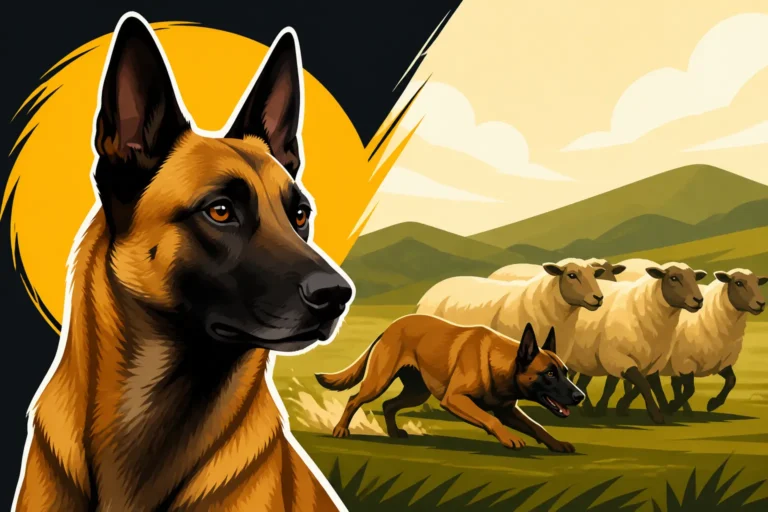
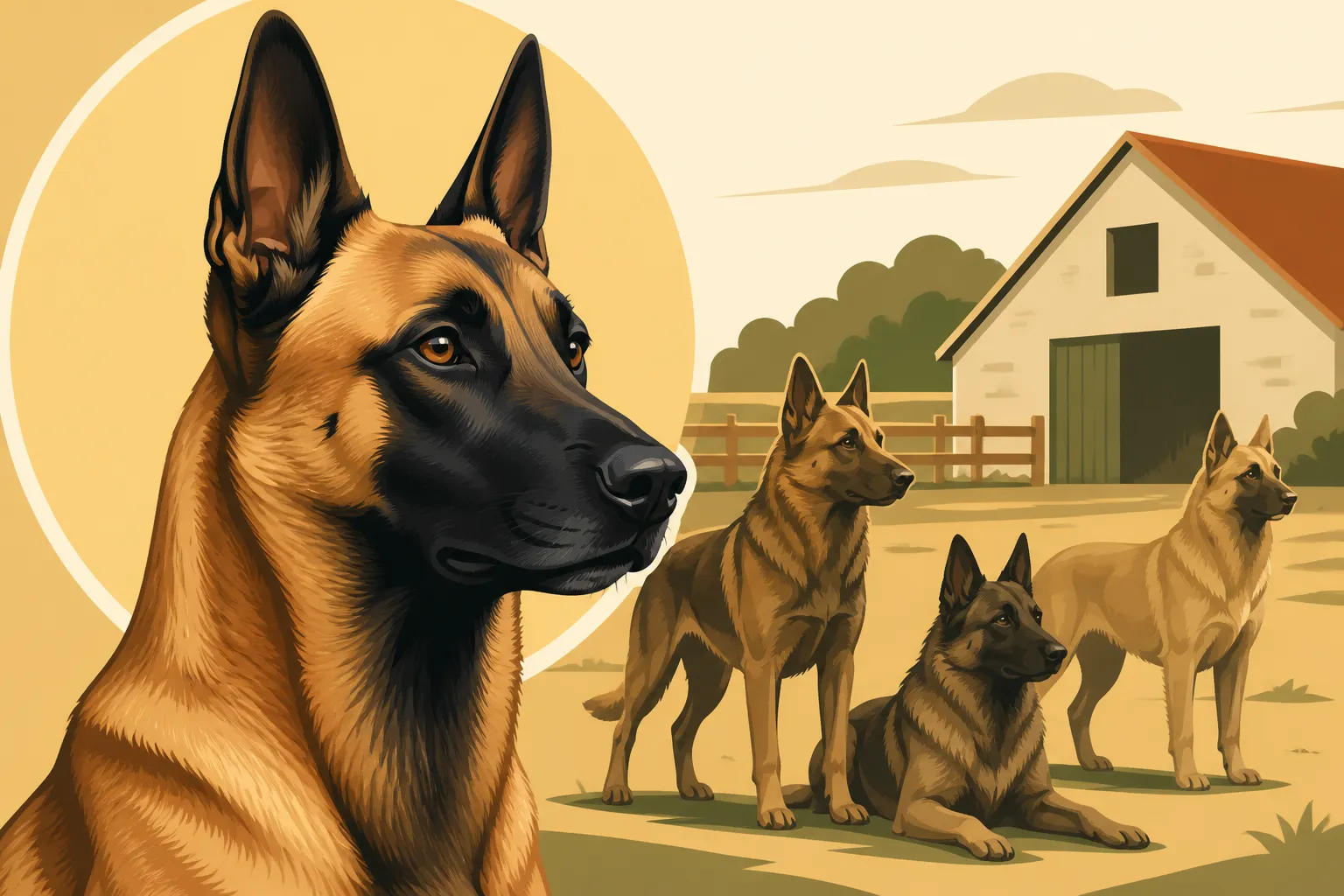
Before the advent of formal breed registries and meticulous pedigrees, the dogs roaming the Belgian countryside were, quite simply, shepherd dogs. These were not a single, unified breed but rather a collection of local types, valued purely for their working ability. Imagine a farmer needing a dog that could gather a flock of sheep, protect chickens from foxes, and keep an eye on the homestead, all while being a loyal companion. These were the demands that shaped the early Malinois. They were hardy, robust animals, often left to figure things out on their own, which bred incredible resilience and problem-solving skills. They learned by doing, by observing their human partners, and by the sheer necessity of their daily chores.
These dogs were indispensable members of the family unit, often living alongside the livestock they protected. They slept in barns, ate what was available, and faced the elements head-on. This wasn't a pampered existence; it was one of constant vigilance and physical exertion. Their diet might have been simple, perhaps supplemented with whatever scraps were left from the family meal, or even food purchased from local feed stores or online retailers like Chewy, which would later become commonplace. This hardscrabble existence ingrained a strong sense of purpose and an incredible drive to perform, traits that are unmistakable in the Malinois even today.
The Importance of Regional Variation
Belgium is a relatively small country, but even within its borders, farming practices and environmental conditions varied. This led to distinct regional variations in the local shepherd dogs. In some areas, dogs might have been slightly heavier-boned to deal with rougher terrain or larger livestock. In others, a lighter, quicker dog might have been preferred for faster-moving sheep flocks. These variations were subtle, often just local preferences, but they were the precursors to the distinct breeds that would eventually emerge.
It's important to understand that these regional types weren't yet considered "breeds" in the modern sense. There were no strict breeding programs, no written standards, and certainly no organized dog shows. Instead, farmers simply bred the best working dogs they had – those that were most intelligent, most resilient, and most effective at their jobs. This pragmatic approach to breeding, focused solely on function, is a critical piece of the Malinois puzzle. It explains why working ability has always been, and remains, the paramount consideration for many Malinois breeders, overshadowing mere aesthetics.
The Formative Years: How the Malinois 'Type' Emerged
The late 19th century was a pivotal time for dog breeds across Europe, and Belgium was no exception. There was a burgeoning interest in cataloging and preserving native dog types, a recognition that these functional farm dogs held a unique cultural and practical value. It was during this period that systematic efforts began to transform regional "types" into recognized breeds, giving structure and definition to what had previously been a fluid collection of working canines.
This drive wasn't just about aesthetics; it was deeply rooted in national pride and the desire to showcase Belgium's own distinct canine heritage. As other European nations championed their national dogs, Belgian enthusiasts felt a similar call to define and promote their own. This shift marked the beginning of the Malinois's journey from an anonymous farm dog to an internationally recognized breed.
The Drive for Standardization
The push for standardization in Belgium was spearheaded by a group of dedicated dog enthusiasts and cynologists, most notably Professor Adolphe Reul of the Cureghem Veterinary School. In the 1890s, Reul and his colleagues conducted extensive surveys of the native shepherd dogs, identifying common traits and characteristics. Their goal was to create a standard that would define these dogs and allow for organized breeding programs. This wasn't an easy task, as the dogs were diverse in appearance, united primarily by their working prowess.
The initial challenge was how to categorize these dogs without losing the functional integrity that made them so valuable. It was decided that rather than creating entirely separate breeds based on minor physical differences, they would group them under a single "Belgian Shepherd Dog" umbrella, differentiating them primarily by coat type. This practical approach allowed for the recognition of distinct varieties while still acknowledging their shared heritage and working foundation. This monumental effort laid the groundwork for the modern Belgian Shepherd Dogs, ensuring their legacy would continue for generations. You can learn more about this period in The Years the Belgian Malinois Was Standardized.
The Coat as the Primary Differentiator
Perhaps one of the most surprising aspects of the early standardization efforts was the decision to use coat type as the primary distinguishing factor among the emerging Belgian Shepherd Dog varieties. Instead of focusing on nuances of build or head shape, which were more variable, the visible differences in coat length and texture became the defining lines. This led to the identification of four distinct varieties:
- Groenendael: Long-coated black dogs.
- Tervuren: Long-coated dogs of other colors, usually fawn or red with a black overlay.
- Laekenois: Rough-coated dogs, typically fawn or red.
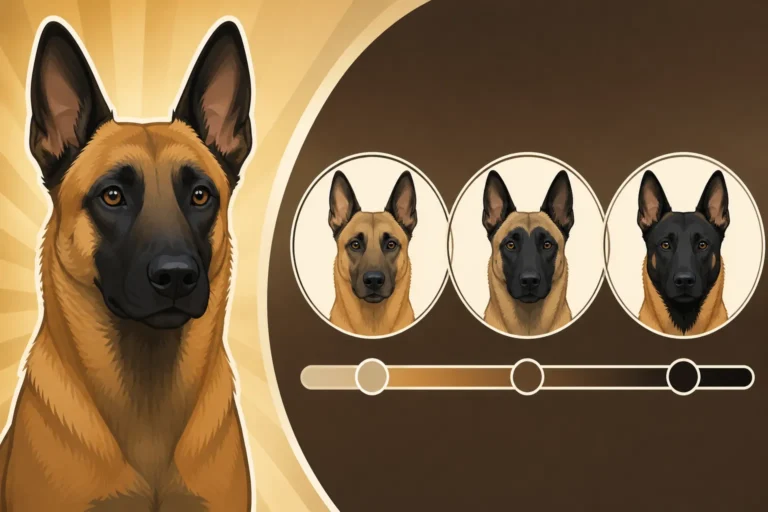
- Malinois: Short-coated dogs, typically fawn or red with a black mask.
This decision, to sort them by coat, seems almost arbitrary to us today when we think of breeds as distinct entities. But at the time, it was a logical and simple way to categorize the existing diversity. It's why, even now, all four are considered varieties of the same breed by the FCI (Fédération Cynologique Internationale), although some registries, like the American Kennel Club (AKC), recognize the Malinois as a separate breed. This historical context helps us understand the close genetic ties and shared temperament that still exist between the varieties. You can delve deeper into this interesting classification in Why Belgium Sorted the Malinois Out by Coat and The Four Belgian Varieties the Malinois Belongs To.
The Malinois's Core Purpose: A Day in the Life of a Farm Dog
To truly understand the Belgian Malinois, we must appreciate the rigorous demands of their original role. These dogs weren't just decorative farm animals; they were indispensable partners, performing a myriad of tasks that were essential for the livelihood of the farmers. Their days were long, their duties varied, and their success depended on an innate intelligence, physical prowess, and an unwavering commitment to their work. This is the crucible in which the Malinois's famous drive was forged.
Imagine a world without modern machinery or sophisticated alarm systems. The farm dog was the farmer's eyes, ears, and often, his muscle. Every trait we admire in the modern Malinois – its alertness, its intensity, its boundless energy – can be traced directly back to the practical requirements of its life on a Belgian farm. They earned their keep, day in and day out, in a way that few modern dogs truly do.
Beyond Just Herding: Versatility on the Farm
While often referred to as "shepherd dogs," the early Malinois did far more than just herd sheep. Their role on the farm was incredibly versatile, adapting to whatever challenges arose. They were generalists in the best sense of the word. They would:
- Herd and guard livestock: Not just sheep, but also cattle, goats, and poultry. They needed to move animals from pasture to barn, keep strays from wandering, and protect the flock from predators.
- Guard property and family: The farm was a family's entire world, and the dogs were its first line of defense against intruders, both human and animal. Their vigilance was constant, their bark a warning, and their presence a deterrent.
- Control vermin: Rats, mice, and other pests could decimate a farmer's stores. A good Malinois type dog would have been adept at hunting and dispatching these unwelcome visitors.
- Serve as companions and helpers: Beyond their serious duties, they were loyal members of the family, providing comfort and a watchful presence. They might have helped pull small carts or retrieve items.
This diverse workload required immense intelligence and adaptability. A dog had to understand complex commands, make independent decisions, and switch between tasks seamlessly. This isn't just about brute force; it's about a thinking dog, a problem-solver. The ability to toggle between high-energy herding and calm guarding, or intense vermin control, speaks volumes about the mental agility bred into these dogs. This is the very foundation for their success in modern protection and detection roles. For a deep dive into their traditional herding role, check out The Herding Job the Belgian Malinois Was Built For.
The Traits Shaped by Farm Life
The daily realities of farm life were a powerful natural selection process, honing specific traits that became quintessential to the Malinois. These weren't arbitrary characteristics; they were essential for survival and productivity.
- Vigilance: Constantly aware of their surroundings, these dogs needed to detect subtle changes, whether it was a predator approaching the flock or an unfamiliar person near the farmhouse. This vigilance translates directly to the modern Malinois's hyper-awareness and reactivity.
- High Energy and Stamina: Herding, patrolling, and protecting for hours on end demanded incredible physical endurance. A lazy dog wouldn't last long on a working farm. This explains the modern Malinois's legendary energy levels and their seemingly endless capacity for work. They are truly built for sustained effort.
- Trainability and Biddability: Farmers needed dogs that could learn quickly and obey reliably, often without elaborate training methods. A dog that couldn't be directed or was overly independent would be a liability. This inherent desire to work with their human partner is what makes Malinois so trainable, even if their intensity can sometimes make that training challenging.
- Protective Instincts: The safety of the livestock and the family was paramount. These dogs developed a strong instinct to protect their charges, often with courage and ferocity. This protective drive, while tempered by modern training, is still a core part of the Malinois's temperament, making them exceptional guardians.
These traits were not merely inherited; they were constantly reinforced through the demands of their environment. The dogs that possessed these qualities thrived and reproduced, passing them on to the next generation. This continuous selection for working ability over generations is why the Malinois remains such a powerful, driven breed today.
Transitioning from Farm to Formal Recognition
The journey from anonymous farm dog to recognized breed was not instantaneous. It was a gradual process, fueled by the dedication of early enthusiasts who saw the immense potential and intrinsic value in these hardworking canines. The late 19th and early 20th centuries saw the formalization of dog breeding and showing across Europe, and Belgium was keen to participate, showcasing its own unique contribution to the canine world. This transition marked a shift from purely utilitarian breeding to a more structured approach, aiming to preserve and refine the best qualities of the Belgian Shepherd Dogs.
This period brought about a fascinating blend of continued working tradition and emerging show-ring standards. The challenge was to acknowledge the aesthetic variations while never losing sight of the underlying working spirit that defined these dogs.
Early Shows and the Rise of the Breed Clubs
As the interest in native breeds grew, so did the desire to exhibit these dogs in formal settings. The first dog shows in Belgium provided a platform for farmers and enthusiasts to present their best working dogs. These early shows weren't always about pristine coats and perfect conformation; they were often about demonstrating the dog's suitability for work. Judges would assess their overall soundness, intelligence, and temperament—traits that directly impacted their effectiveness on the farm.
The establishment of breed clubs was a crucial step in this formalization process. Groups like the Club du Chien de Berger Belge (Belgian Shepherd Dog Club), founded in 1891, worked tirelessly to define a written standard for their native shepherd dogs. This standard outlined the ideal physical characteristics and temperament, guiding breeders towards a more uniform "type." These clubs organized trials and events, further solidifying the breed's identity and promoting responsible breeding practices. It was during this time that the specific region of Mechelen (Malines in French) became particularly influential in the development and popularization of the short-coated variety, lending it the name "Malinois." You can find out more about this historic connection in The Belgian Town the Malinois Is Named After.
The Malinois Gains Its Own Identity
While initially grouped as one breed with four varieties, the Malinois, with its short coat and intense drive, gradually began to carve out its own distinct identity. This wasn't always a smooth process; debates and disagreements among fanciers over classification and breeding goals were common. However, the practicality and exceptional working ability of the Malinois quickly made it a favorite, particularly as working roles for dogs expanded beyond traditional herding into police, military, and sport.
In some parts of the world, like the United States, the Malinois eventually gained recognition as a separate breed entirely, rather than just a variety of the Belgian Shepherd Dog. The American Kennel Club (AKC) officially separated the four Belgian Shepherd varieties into distinct breeds in 1959. This marked a significant moment for the Malinois, giving it full individual breed status and allowing it to be judged and bred independently. This split, however, is not universal, as the FCI still maintains them as varieties of a single breed. This fascinating divergence in classification highlights the dynamic history of the breed and its ongoing evolution. Explore this further in The 1959 Split That Made the Malinois Its Own Breed.
Echoes of the Farm: How Heritage Influences Modern Malinois
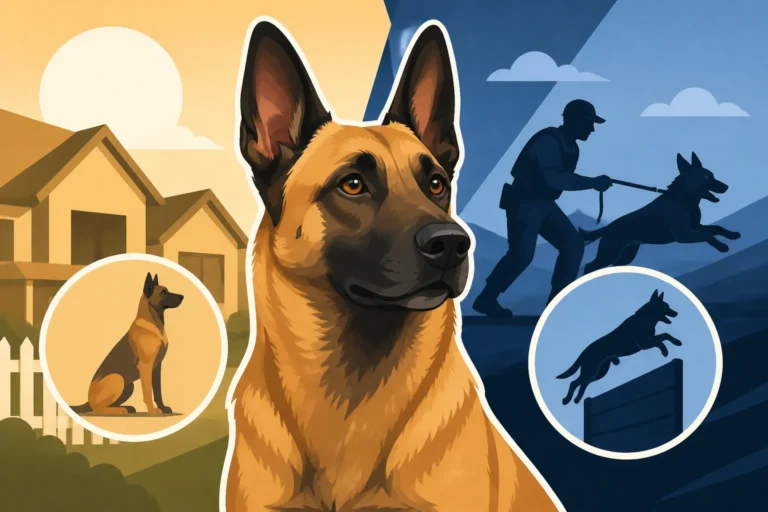
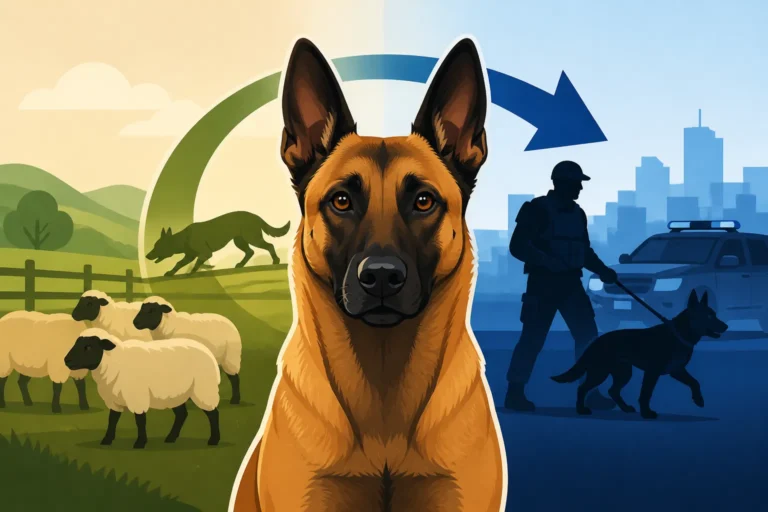
Even today, centuries removed from their original farm life, the Belgian Malinois carries the indelible marks of their ancestors. Their innate drive, intelligence, and physical capabilities are not random occurrences; they are direct inheritances from a lineage where these traits were not just desirable, but essential for survival and purpose. Understanding this deep connection to their past is key to truly appreciating and successfully living with a modern Malinois.
It’s why these dogs thrive with a job, why they can seem relentless, and why they observe their environment with such intensity. The modern world might be very different from a 19th-century Belgian farm, but the core dog remains remarkably unchanged. This continuity of purpose is what makes the Malinois so special, and so demanding.
The Enduring Drive for Work
The biggest takeaway from the Malinois's farm dog heritage is their profound, undeniable drive for work. On the farm, they were employed from sunup to sundown, performing tasks that required both mental and physical effort. There was no "off switch" built into their genetic code because their environment demanded constant vigilance and activity. This isn't just about needing exercise; it's about needing a purpose, a job to do.
A modern Malinois, even one living in a suburban home, still possesses this deeply ingrained need. Without a constructive outlet for their intelligence and energy, they don't just get bored; they become destructive, anxious, and challenging to live with. They'll find a "job" for themselves, and it often involves redesigning your home décor, digging craters in your yard, or developing incessant barking habits. Providing structured activities—whether it’s bite work, agility, detection, or even complex obedience—is not a luxury for a Malinois; it’s a fundamental requirement for their well-being and for the sanity of their owners. This is why an "unemployed" Malinois is often a troubled Malinois, a concept explored in What Happens to an Unemployed Belgian Malinois. For essential supplies to keep a working Malinois busy and fulfilled, many owners turn to online retailers like Chewy for toys, enrichment puzzles, and high-quality food options.
Instincts That Persist
Even if your Malinois has never seen a sheep or stood guard over a field of crops, the instincts of their farm dog ancestors are still very much alive and well. These deeply embedded behaviors manifest in various ways in modern life:
- Herding Tendencies: That tendency to "gather" family members, especially children, by nipping at heels or circling them? That’s a pure herding instinct. The intense focus on moving objects – a squirrel, a car, or even a child on a bicycle – is a direct echo of their past, as discussed in The Herding Instinct Still in a Belgian Malinois.
- Guarding Behavior: Their natural suspicion of strangers, their alertness to every sound outside the home, and their desire to patrol the perimeter of their territory are all inherited from their role as property guardians. They are constantly assessing their environment for potential threats, a trait that makes them excellent protection dogs but also requires careful management and socialization in a pet home.
- Resourcefulness and Independence: Having to problem-solve on the farm without constant human direction fostered a strong sense of self-reliance. This means a Malinois isn't just a robot taking commands; they think for themselves, which can be a double-edged sword. It makes them brilliant working dogs but can also lead to creative mischief if left unsupervised or under-stimulated. They might figure out how to open doors, raid the pantry (perhaps for that new bag of kibble from Chewy), or scale fences with alarming ease.
Understanding these enduring instincts is crucial for any Malinois owner. It's not about trying to "train out" these innate drives, but rather about channeling them into appropriate and constructive outlets. Their heritage is their superpower, but it also demands a committed and knowledgeable handler who respects and understands the depth of their working legacy.
| Farm Dog Trait | Modern Malinois Manifestation | Management/Understanding |
|---|---|---|
| Versatile Worker | Excels in many dog sports/jobs (protection, detection, agility) | Requires diverse training and mental stimulation; one activity is rarely enough. Look for clubs offering various disciplines like IGP or scent work. |
| High Energy & Stamina | Appears tireless, needs extensive physical exercise daily | Long walks aren't enough; needs intense, structured physical activity like running, swimming, or active fetch for 1-2 hours daily. |
| Vigilance & Alertness | Highly observant, quick to react to perceived threats/changes | Excellent watchdog, but needs careful socialization and training to distinguish real threats from normal environmental stimuli. Can be reactive to novel sights/sounds. |
| Herding Instinct | Nipping at heels, circling, intense focus on moving objects | Channel into herding sports (if available) or constructive play like fetch with a frisbee. Manage interactions with children and other pets to prevent unwanted herding. |
| Protective Drive | Guarding behavior, suspicion of strangers, territorial | Needs extensive, positive socialization from a young age to ensure appropriate responses. Professional guidance for protection work is essential to channel this safely and responsibly. |
| Independence/Resourcefulness | Problem-solver, can be stubborn, finds own "jobs" if bored | Requires clear, consistent training and boundaries. Utilize puzzle toys and enrichment activities. Secure environments are vital, as they can overcome common barriers like fences. |
| Biddability/Trainability | Eager to learn, quick to pick up new tasks | Thrives on consistent, engaging training methods. Responds well to positive reinforcement and clear communication. Their intensity means even small training errors can have big consequences. |
Disclaimer
This article is for general informational purposes only and does not constitute professional advice. Laws, prices and regulations vary by location and change over time. Consult a qualified professional for guidance on your specific situation.