Whether an American Bred Malinois Can Work
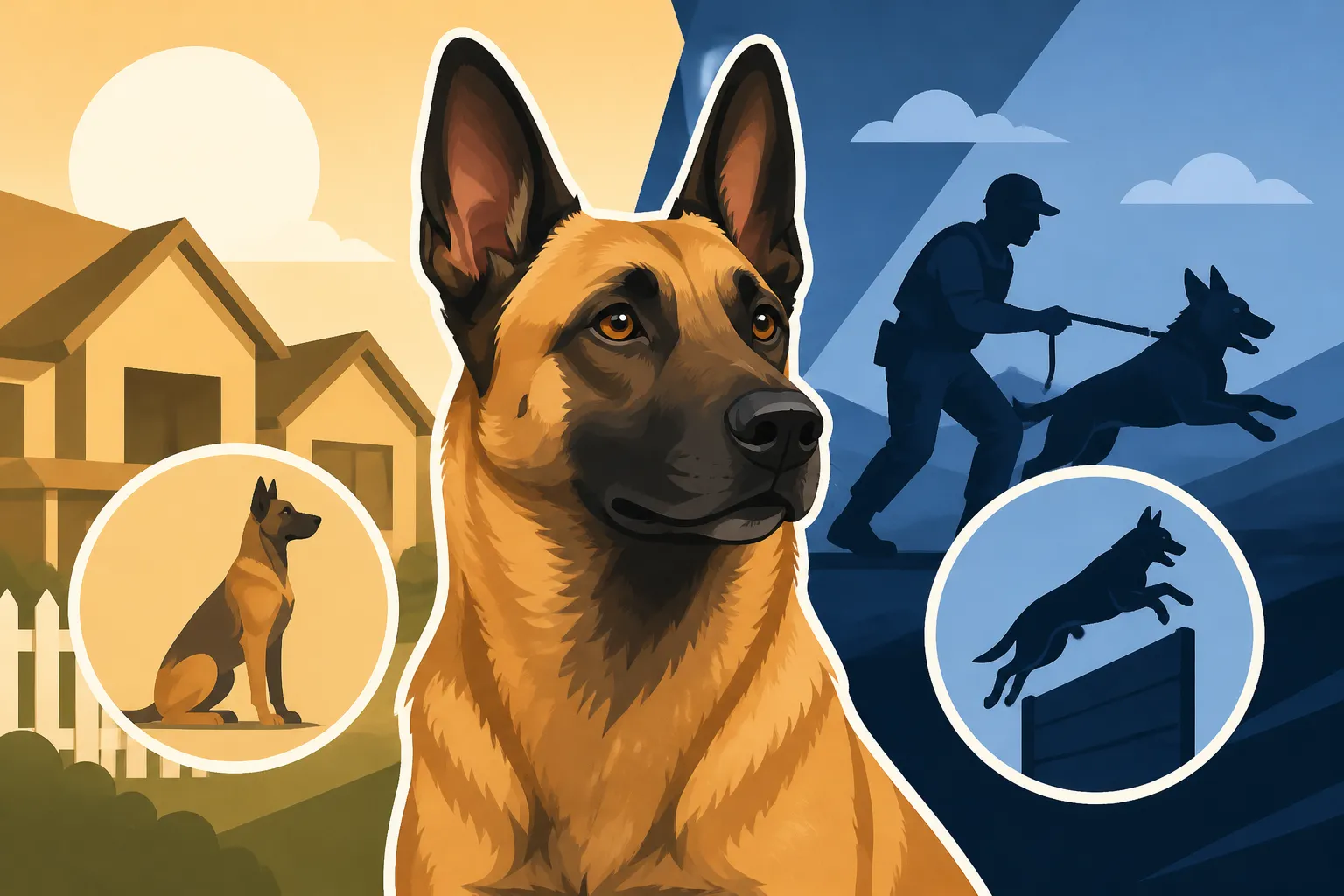
It's a common thought that if you want a true working Belgian Malinois, you absolutely must import one from Europe, often believing that American-bred dogs simply don't have the same drive, genetics, or capability for serious work. This perception can be really disheartening for those looking to find a working partner closer to home. This guide aims to clear up those misconceptions, exploring whether American-bred Malinois can indeed excel in various working disciplines and what to look for when seeking a working prospect in the US.
Understanding the "American-Bred" Malinois Landscape
When we talk about "American-bred" Belgian Malinois, it's important to understand that this isn't a monolithic category. Just like any breed, there's a spectrum of breeding philosophies and goals within the United States. While some lines might lean heavily towards conformation shows, many dedicated American breeders are actively producing dogs with exceptional working genetics and proven capabilities. The idea that you have to look overseas is often a misunderstanding of the breed's history and the current efforts of conscientious breeders right here at home.
The Historical Roots of Malinois in America
Belgian Malinois first arrived in the United States decades ago, primarily introduced by individuals who recognized their intelligence, athleticism, and versatility. Initially, these dogs were appreciated for their inherent working abilities, and many foundational American Malinois lines had strong working pedigrees. However, over time, as the breed gained traction, some breeders began to focus more on conformation, aiming for dogs that fit the written breed standard for appearance in the show ring. This isn't inherently bad, but if not balanced, it can sometimes lead to a divergence from the intense drive and specific temperament required for high-level working roles.
It’s easy to get lost in the historical narrative that only Europe produced the "real" working dogs, but the truth is, the working ethos of the Malinois has always had a foothold in America. Early importers often brought in dogs that were already proven in various disciplines, establishing a solid genetic base for performance. Understanding this history helps us appreciate that the capability has always been present; it’s more about the specific breeding choices made over generations.
Divergent Breeding Goals
The primary distinction often lies in breeding goals. In Europe, especially in countries like Belgium and the Netherlands, there's a very strong tradition of breeding Malinois specifically for police, military, and protection sports (like KNPV, IGP, or French Ring). Their selection criteria are rigorously focused on temperament, nerve, drive, and physical soundness that can withstand intense physical and mental demands. These are dogs bred with a job in mind, and often, their appearance is secondary to their functional capabilities.
In America, you might find breeders who primarily breed for conformation, aiming for dogs that excel in the American Kennel Club (AKC) show ring. These dogs are judged on how well they adhere to the breed standard's appearance. While many of these dogs are wonderful companions and can be trained for various activities, their lines might not have the same intensity of drive or the specific temperament traits (like hardness or bite grip) that are paramount for serious protection work or demanding police roles. However, there are also many American breeders who do prioritize working ability, often importing top European dogs to enhance their lines or focusing on dogs that consistently title in IGP, obedience, agility, or detection work. They recognize that The Twenty Two to Twenty Four Inch Female Malinois and The Sixty to Eighty Pounds a Male Malinois Carries are important for form, but function is still king.
The Myth of "Purebred but Pet Quality"
One of the most frustrating misconceptions for American working dog enthusiasts is the idea that an American-bred Malinois is automatically "pet quality" and unsuitable for serious work. This couldn't be further from the truth. There are countless examples of American-bred Malinois excelling at the highest levels of competition, whether it's in protection sports, search and rescue, detection, or even as military and police K9s. The phrase "pet quality" often implies a lack of drive or an unstable temperament, but a well-bred American Malinois from dedicated working lines can be every bit as driven and capable as its European counterparts.
The key is to understand that "American-bred" doesn't mean "show line only." It simply means the dog was born and bred in the United States. Many American breeders are just as committed to preserving the working integrity of the breed as European breeders. They conduct extensive health testing, carefully select breeding pairs for temperament and drive, and actively title their dogs in various working venues. These are the breeders you want to seek out if you're looking for a serious working partner, and their dogs are far from "pet quality" in the dismissive sense often implied. In fact, many American working Malinois have pedigrees rich with dogs proven in sport, military, and law enforcement.
Identifying a Working Prospect in American Lines
So, if you're looking for a working Malinois in the US, how do you sort through the options and find a dog with genuine potential? It requires diligent research and understanding what makes a true working dog, regardless of its country of origin. You're looking for specific traits that signal suitability for high-demand roles, traits that a discerning breeder prioritizes.
What to Look For
When evaluating an American-bred Malinois for working potential, you need to look beyond just the breed name.
- Genetic Health Clearances: This is non-negotiable. A working dog will put immense strain on its body, so it needs to be structurally sound. Look for parents with clear hips, elbows, and eyes. Breeders should provide proof of The Hip and Elbow Numbers Behind a Malinois Clearance and ideally, DNA testing for conditions like The Two Ataxia Genes Belgian Malinois Are Tested For. A healthy dog has a longer, more impactful working life and avoids heartbreaking vet bills down the line.
- Temperament and Nerve: This is crucial. A working Malinois needs to be confident, stable, and resilient. It should be socialized but not overly friendly to strangers, possess high environmental awareness, and recover quickly from startling stimuli. You're looking for a dog that can handle pressure without crumbling or becoming aggressive out of fear. A dog with good "nerve" isn't easily overwhelmed and can process information effectively even in stressful situations. Observing the parents and littermates is vital for assessing this.
- Drive: This is the engine of a Malinois. Look for strong prey drive, hunt drive, and often defense drive. This manifests as intense focus on toys (especially tugs and balls), relentless pursuit, and a desire to engage. A dog with high drive wants to do things, and this energy can be channeled into specific tasks. Without sufficient drive, a Malinois won't have the motivation or persistence for demanding work.
- Physical Structure: While not solely about aesthetics, good structure is essential for durability and performance. A working Malinois should have a well-balanced, athletic build, with strong bones, good angulation, and efficient movement. Avoid dogs that are overly heavy, "clunky," or display any signs of lameness or awkward gait. They need to be built for stamina and explosive power.
Researching American Breeders
This is where your detective skills come in. Don't just pick the first breeder you find online.
- Look for Working Titles, Not Just Conformation Titles: A breeder whose dogs consistently title in IGP, Mondioring, agility, obedience, or detection competitions is likely prioritizing working ability. These titles are concrete proof that their dogs can perform under pressure. While conformation titles are nice, they don't guarantee working drive. Ask to see videos of the parents working, or better yet, attend a trial where the breeder's dogs are competing.
- Ask About Breeding Philosophy: A reputable working breeder will be passionate about preserving the working traits of the Malinois. They should be able to articulate their goals for each breeding, explaining why they chose a particular sire and dam, and what specific traits they are aiming to produce. They will be looking for a Whether an American Bred Malinois Can Work that embodies the best of the breed's functional capabilities.
- Check Pedigrees and Health Clearances: Don't just take a breeder's word for it. Learn Reading a Belgian Malinois Pedigree Before Paying to see if the ancestors have working titles or health certifications (like OFA for hips/elbows, or DNA test results). Verify health clearances through public databases where available. A good breeder will be transparent and provide all necessary documentation.
- Visit the Kennel (if possible): Observe the parent dogs. Are they confident, well-adjusted, and engaged? What is their living environment like? How do they interact with the breeder and with strangers? A dog's environment can tell you a lot about its early socialization and the breeder's commitment to sound temperament.
- Ask for References: A trustworthy breeder will be happy to provide references from previous puppy buyers, especially those who have successfully campaigned their dogs in working sports or placed them in professional roles.
Early Assessment of a Malinois Puppy
Even at a young age, you can get an indication of a Malinois puppy's potential. Reputable working breeders will often do temperament testing on their litters around 7-8 weeks of age to help match puppies to appropriate homes.
- Observation of Litter Dynamics: Look for the puppies who are confident, curious, and resilient. Which ones are bold enough to explore new objects or sounds? Which ones engage readily with toys, showing good bite development on a tug? Avoid puppies that are overly shy, fearful, or overly dominant/aggressive towards their littermates without appropriate recovery.
- Engagement and Focus: A promising working puppy will show a strong desire to engage with humans and toys. They should be interested in interaction and quick to respond to play. While they will be puppies, look for a spark of intensity and focus that can be nurtured.
- Soundness and Coordination: Observe how the puppy moves. It should be coordinated, agile, and free from any obvious physical limitations. A healthy puppy will be bouncy and full of energy, ready to explore the world. If you're seeing signs like The First Signs of Ataxia in a Malinois Puppy, it's a red flag.
- Temperament Testing: Many working breeders will conduct formal puppy evaluations, sometimes called "temperament tests" or "aptitude tests." These tests are designed to assess traits like confidence, nerve, prey drive, and social attraction. While not foolproof, they offer valuable insights into a puppy's inherent tendencies and can help guide placement decisions for working homes. A puppy that shows a natural inclination for retrieving, chasing, and holding onto a tug can be a good sign.
The Kinds of Work American-Bred Malinois Excel At
The beauty of the Belgian Malinois, whether American or European bred, is their incredible versatility. They are not one-trick ponies. If bred and trained correctly, American-bred Malinois can excel in a multitude of challenging roles. The key is appropriate training and consistent work, leveraging their natural intelligence and drive.
Sport Work and Performance Events
This is perhaps where American-bred Malinois truly shine and where many dedicated working lines focus their efforts.
- IGP (Internationale Gebrauchshunde Prüfung / International Working Dog Test): Formerly known as Schutzhund, IGP is a demanding three-phase sport encompassing tracking, obedience, and protection. American-bred Malinois regularly compete and title at high levels in IGP, demonstrating their ability to perform complex tasks under pressure. Success in IGP requires immense drive, focus, and a strong bond with the handler. This sport truly highlights a Malinois's natural athleticism and mental fortitude.
- Mondioring and Belgian Ring: These are even more advanced protection sports, known for their extreme difficulty and varied scenarios. They incorporate obedience, jumps, and protection exercises in a dynamic, unpredictable environment. While dominated by European lines, a growing number of American-bred Malinois are making their mark in these tough competitions, proving that the drive and nerve exist in US-based breeding programs.
- Agility: With their incredible speed, agility, and jumping ability, Malinois are naturals at agility courses. They navigate tunnels, weave poles, and scale A-frames with breathtaking precision and enthusiasm. Many American-bred Malinois excel in agility, demonstrating their quick thinking and physical prowess. This is a fantastic outlet for their boundless energy and intelligence, often seen on fields across the country.
- Scent Work/Nose Work: The Malinois's powerful nose and intense focus make them outstanding candidates for scent detection. This can range from competitive nose work, where dogs locate specific odors in various environments, to practical applications like drug or explosives detection. This low-impact but mentally demanding work is incredibly fulfilling for a Malinois, tapping into their natural hunt drive. You might even find specialized supplies for this type of training on sites like Chewy.
- Competitive Obedience: Beyond the obedience phase of protection sports, Malinois can also excel in pure obedience trials, demonstrating precise execution of commands, both on and off-leash. Their desire to please (when properly motivated) and their sharp minds make them quick learners, though their intensity often requires a skilled hand to refine their performance for the obedience ring.
Service and Detection Roles
Beyond sports, American-bred Malinois are increasingly being recognized for their suitability in real-world service and detection roles.
- Search and Rescue (SAR): Their stamina, agility, and exceptional scenting abilities make them ideal for SAR work, whether tracking lost individuals, finding disaster victims, or locating evidence. This is a serious undertaking that demands courage, independence, and an unwavering drive to work, all traits found in well-bred American Malinois.
- Detection Work: As mentioned with scent work, American-bred Malinois are being utilized by law enforcement and private security firms for specialized detection, from narcotics to explosives, currency, and even human remains. Their high drive and trainability mean they can be conditioned to pinpoint specific odors with remarkable accuracy, making them invaluable assets. Explosives Detection Training for a Belgian Malinois is a common path for these focused dogs.
- Medical Alert/Service Dogs: While not as common as breeds like Labradors or Golden Retrievers, a select few American-bred Malinois with exceptionally stable temperaments and appropriate drives are trained as service dogs. They can be invaluable for tasks like seizure alert, mobility assistance, or even psychiatric support for handlers who can manage their high energy needs. This requires a very specific temperament profile – intelligent, biddable, and calm under pressure – which some American lines do produce.
Personal Protection and Estate Guardianship
For those seeking a personal protection dog, American-bred Malinois offer a formidable option.
- Personal Protection: A properly trained Malinois, regardless of its origin, is a serious deterrent and capable protector. The training involved is extensive, focusing on control, discernment, and appropriate responses to threats. Many American breeders are producing dogs specifically suited for this role, emphasizing genetics that provide the necessary drive, courage, and clear head. This is not about creating an "attack dog" but a highly trained guardian.
- Estate Guardianship: For larger properties or estates, a Malinois can be an excellent deterrent and guardian. Their territorial instincts, coupled with their alertness and courage, make them effective at patrolling and securing premises. Again, proper training is paramount to ensure they are discerning and respond appropriately to various situations, from unknown visitors to genuine threats. Remember, What an Untrained Malinois Does With an Intruder is very different from a well-trained one.
Challenges and Realities of Training an American-Bred Working Malinois
While American-bred Malinois certainly can work, it's vital to enter this world with a realistic understanding of the commitment involved. These are not dogs for the faint of heart or those seeking a casual pet. The challenges are real, but the rewards are immense.
The Commitment Required
Owning and training a working Belgian Malinois, American or otherwise, is a profound commitment. It requires significant investment of time, energy, and resources.
- Time: A working Malinois needs far more than just a daily walk. They require structured training sessions every single day, often for several hours, targeting both physical conditioning and mental stimulation. This isn't just about repetition; it's about engaging their sharp minds and channeling their intense drives. You'll be spending a great deal of time at training clubs, often multiple times a week. It truly takes Two Hours and a Job a Belgian Malinois Demands Daily as a minimum.
- Effort: This isn't a passive relationship. You need to be an active, engaged handler, constantly thinking, planning, and adapting your training. Malinois can be challenging and will test your patience and problem-solving skills. You need to be consistent, fair, and always one step ahead of your intelligent canine partner.
- Financial Investment: Beyond the initial cost of the dog, training classes, club memberships, specialized equipment (like bite suits, tugs, or scent kits from places like Chewy), trial entry fees, and potential travel can add up quickly. A healthy, working dog also has specific nutritional needs; What Performance Kibble Costs for a Malinois is often higher, and supplements might be necessary. It’s an ongoing financial commitment, and you'll want to have a plan for How Much a Malinois Owner Should Bank Each Month to cover these expenses.
Finding the Right Trainers and Clubs
Even with the most promising American-bred Malinois, success hinges on finding the right guidance.
- Experienced Trainers: Seek out trainers who have extensive experience specifically with working breeds, and ideally, Malinois. They should understand high-drive dogs and use modern, balanced training methods. Ask about their philosophy, their own dogs' achievements, and observe their classes before committing. A good trainer will help you understand Whether Corrections Work on a High Drive Malinois and how to apply them effectively and fairly.
- Working Dog Clubs: Joining an IGP, Mondioring, or French Ring club is almost essential for serious protection sport training. These clubs provide the necessary equipment, experienced decoys, and a supportive community of like-minded individuals. They also offer a structured environment for progressing through the demanding levels of these sports. These clubs are usually selective about who they allow to train, so be prepared to demonstrate your commitment and control over your dog.
- Specialized Coaches: For disciplines like agility or advanced scent work, you might seek out specialized coaches who focus solely on those areas. They can offer nuanced insights and techniques specific to those sports, helping your American-bred Malinois reach its full potential. Always prioritize trainers who emphasize clarity, consistency, and building a strong working relationship with your dog.
Overcoming Stereotypes and Proving Potential
It's unfortunate, but you might occasionally encounter trainers or enthusiasts who still hold the bias that only European imports can be "real" working Malinois.
- Let Your Dog's Performance Speak: The best way to overcome these stereotypes is through your dog's performance. As your American-bred Malinois excels in training and trials, its capabilities will become undeniable. Success on the field or in a professional role is the ultimate proof of a dog's working potential, regardless of its origin.
- Be Prepared to Educate: Sometimes, it simply requires gently educating others about the dedicated American breeders who are producing top-tier working dogs. Share information about pedigrees, titles, and the rigorous selection processes involved.
- Focus on the Dog in Front of You: Ultimately, what matters most is the individual dog you have. If your American-bred Malinois has the drives, temperament, and physical soundness for work, and you provide it with appropriate training and opportunities, it absolutely can excel. Don't let preconceived notions limit your aspirations or your dog's potential. Every dog is an individual, and a carefully selected, well-trained American-bred Malinois can be a truly formidable working partner.
Remember, the goal is to find a dog that suits the job, not just a dog from a specific geographical location. The quality of breeding, the integrity of the breeder, and the dedication of the owner are what truly determine a Malinois's working capability.
American Working Malinois: Capabilities Comparison
To further clarify, here's a general comparison that highlights the nuanced differences and shared capabilities often seen when discussing American-bred Malinois, recognizing that there's a wide spectrum within "American-bred."
| Feature | American-Bred Malinois (Emphasis on Working Lines) | American-Bred Malinois (Emphasis on Conformation/Pet Lines) | European-Bred Malinois (Typical Working Lines) |
|---|---|---|---|
| Primary Breeding Goal | Producing dogs for sport (IGP, Ring), SAR, detection, personal protection. | Producing dogs for conformation shows, family pets; temperament may be softer. | Producing dogs for police, military, advanced protection sports (KNPV, Ring, IGP). |
| Drive Level | High to extremely high prey, hunt, and defense drives; intense focus. | Variable; can be moderate to high, but often not the extreme intensity for specialized work. | Extremely high, relentless drives; often bred for hardness and environmental resilience. |
| Temperament/Nerve | Confident, stable, resilient, good nerve, clear-headed under pressure. | Can be confident, but may lack the hardness or extreme resilience for intense work. | Very strong nerve, high social and environmental confidence, quick recovery from stress. |
| Physical Structure | Athletic, functional build, emphasis on durability and soundness for performance. | Conformationally correct per AKC standard; may or may not be built for high impact work. | Robust, powerful, often leaner and more compact, built for extreme athleticism. |
| Health Clearances | Reputable breeders perform extensive health testing (hips, elbows, eyes, DNA). | Varies; good breeders do health testing, but scope might differ from working lines. | Extensive health testing is standard, often including more rigorous national programs. |
| Trainability | Highly trainable, eager to work, requires experienced handler. | Highly trainable, but intensity may vary; still requires consistent, structured training. | Extremely high trainability, but requires expert, consistent handling to manage drive. |
| Suitability for Work | Excellent for IGP, Agility, SAR, Detection, advanced obedience, personal protection. | Can excel in pet-level obedience, some agility or nose work; generally not for high-level protection. | Premier choice for police, military, advanced protection sports, SAR, detection. |
| Typical Cost | Competitive, reflecting health testing, titles, and working pedigree. | Varies widely based on pedigree and breeder reputation. | Often higher due to specific genetics, training, and import costs. |
Ultimately, the question isn't whether an American-bred Malinois can work, but rather whether a specific American-bred Malinois from a reputable, working-focused breeder possesses the genetics, temperament, and drive required for the job you have in mind. Many do, and they can be incredible partners.
Disclaimer
This article is for general informational purposes only and does not constitute professional advice. Laws, prices and regulations vary by location and change over time. Consult a qualified professional for guidance on your specific situation.