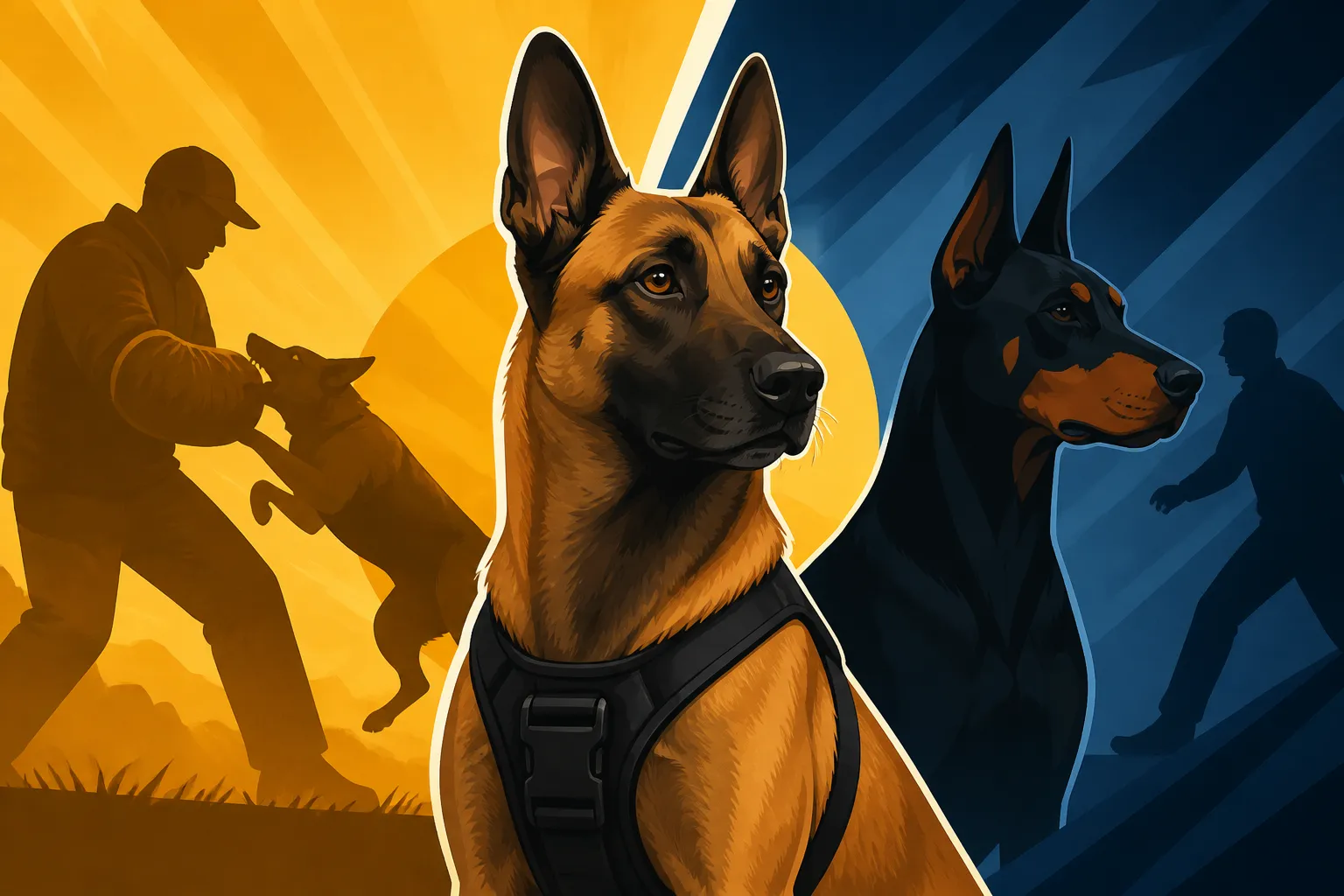
Malinois or Doberman for Protection Sport
Choosing between a Belgian Malinois and a Doberman for protection sport can feel like choosing between two impressive athletes—until you’re the one managing daily training, recovery, and life at home. Both breeds can be capable partners, but they bring different strengths and challenges. This guide compares their sport tendencies, training demands, health considerations, and handler fit so you can make a decision beyond appearance.
How Malinois and Dobermans differ in protection sport
Drive, speed, and working style
Belgian Malinois are often valued in protection sports for their speed, intensity, agility, and readiness to engage with a task. They can learn quickly and respond rapidly to cues, which is exciting in training but can also make small handler mistakes more visible. A Malinois may spot movement before you do, surge into a behavior before you have finished preparing, or carry the energy of a training session into the car ride home.
Dobermans are also athletic, alert, and capable of protection work. Depending on the individual and the breeding, a Doberman may bring a powerful presence and a strong connection with its handler. But it is risky to assume that every Doberman will have the same intensity, resilience, or working style as a Malinois—or that every Malinois will be a high-performing sport prospect. The particular dog matters more than the breed stereotype.
In a sport setting, success is not simply about a dog being fast or willing to bite. It involves control, clear communication, focus, recovery after excitement, and the ability to work through distractions. What Bite Sport Actually Asks of a Belgian Malinois is a useful starting point for understanding what a sport partnership involves beyond the dramatic moments.
The sport matters as much as the breed
Protection sport is not one single activity with one universal rulebook. IGP, Belgian Ring, French Ring, and Mondioring differ in their routines, equipment, exercises, and expectations. Rules and eligible breeds can vary by organization and event, so check the regulations and speak to the clubs you may actually train with before choosing a puppy or adult dog.
The local training environment can influence the decision just as much. A club that regularly coaches Dobermans may be better equipped to assess and develop one than a club whose experience is almost entirely with Malinois. Ask how the club introduces young dogs, builds obedience and control, and helps handlers recognize when a dog is overwhelmed or physically uncomfortable. A thoughtful program should explain its methods, not simply promise to make a dog “hard.”
If you are drawn to IGP, read Whether IGP Suits a Belgian Malinois and compare its demands with what you want to practice. For other formats, Belgian Ring Against Mondioring for a Malinois can help clarify how sport structure affects the training partnership. Confirm the current rules directly with the organization and club involved; assumptions based on a breed’s popularity can leave you with a dog that is eligible in theory but poorly matched to the training options nearby.
| Factor | Belgian Malinois | Doberman |
|---|---|---|
| Common sport impression | Fast, intense, agile, quick to respond | Athletic, powerful, handler-focused; individual working style varies |
| Typical handler challenge | Managing arousal, impulse, and recovery | Finding a suitable sport prospect and developing consistent skills |
| Important selection factor | Purpose-bred working temperament and soundness | Proven sport or working aptitude, temperament, and health |
| Daily-life consideration | Needs planned work and deliberate settling skills | Needs consistent training, exercise, and a compatible home routine |
| Best next step | Visit a club and meet dogs from relevant lines | Find experienced Doberman sport handlers and assess real prospects |
Training demands and handler experience
The Malinois asks for structure beyond the training field
A Malinois can be extraordinarily responsive, but responsiveness is not the same as being easy to live with. A dog that learns a sport exercise quickly may also learn that barking, grabbing equipment, or racing through the house gets a reaction. The handler has to build not only engagement but also calm behavior, safe transitions, and an ability to pause between activities.
That daily work can be surprisingly ordinary: waiting quietly while you prepare a meal, settling on a mat when guests arrive, riding calmly in a vehicle, and coming down from excitement after practice. Without those skills, training can feel like a cycle of adding stimulation to a dog who already struggles to switch off. Building an Off Switch Into a Belgian Malinois explores why recovery and calm are part of the job rather than optional extras.
A Doberman needs structure too. It may not express its energy in the same way as a Malinois, but it still needs consistent practice, careful social exposure, and clear boundaries. Neither breed is made suitable for protection sport simply by being confident-looking or naturally watchful. The handler has to teach the dog what to do, when to do it, and when the work is finished.
Experience, coaching, and the household around the dog
If this will be your first protection-sport dog, prioritize coaching and a stable training environment over choosing the breed with the most dramatic reputation. A novice can make progress with a suitable dog and strong support, while an experienced handler can still struggle if the dog’s temperament, health, or needs do not fit the household. Honest self-assessment matters: how much time can you reliably devote to practice, travel, recovery, and ordinary manners?
Think about your week outside training. A dog may need a calm place to rest while you work, secure transport to the club, and a plan for days when practice is cancelled. If your household includes children, other animals, frequent visitors, or shared walls with neighbors, consider how you will manage those situations—not just how the dog performs on the field. The Kind of Owner a Belgian Malinois Requires offers a broader look at the practical demands of living with a Malinois.
Before committing, attend a training session as an observer and ask handlers what their routines look like on non-training days. Look for the unglamorous details: dogs waiting calmly, handlers reinforcing control, and people making sensible decisions when an animal is tired or overexcited. If you are searching for a suitable group, Finding a Club That Will Take a Belgian Malinois can help you prepare questions and assess whether the club’s approach fits your goals.
Choosing a suitable dog, not just a breed
Breeding, temperament, and health deserve equal attention
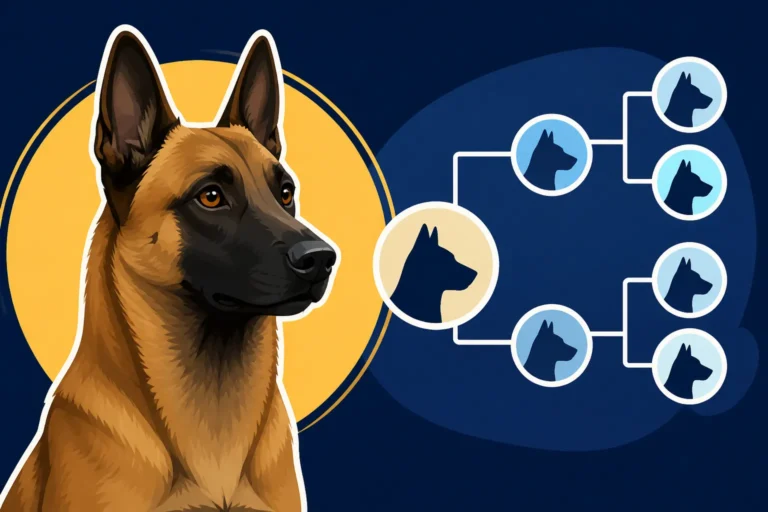
For either breed, ask what the parents and close relatives are like in daily life, not only what titles or accomplishments appear in a pedigree. A responsible breeder should be able to describe the dogs’ working traits, recovery, sociability, environmental confidence, and any limitations they have observed. Ask to meet adult relatives if possible. Watch how they respond to ordinary situations, such as being handled, waiting, and moving through a new environment.
A title can demonstrate training and performance under particular conditions, but it does not guarantee that a puppy will suit your experience level or home. Nor does an impressive pedigree compensate for poor health screening, unstable temperament, or a breeder who cannot answer questions clearly. Working Malinois Against Show Malinois explains why the line and breeding purpose are important context when evaluating a Malinois.
Health is especially important in a sport dog expected to train over time. Ask for breed-relevant health records and discuss the dog’s structure, movement, and veterinary history with a veterinarian. Dobermans have health concerns that prospective owners should investigate carefully, including inherited cardiac disease; Malinois also need appropriate health screening and soundness checks. No single test can promise a long, injury-free sport career, so look at the whole picture and ask how the breeder makes breeding decisions.
Puppy, adolescent, or adult prospect
A puppy gives you the chance to build routines from the beginning, but it also brings uncertainty. Adult working ability, confidence, and resilience are not fully visible in a very young puppy. Early development should focus on safe exposure, play, basic communication, and good recovery—not rushing into high-impact work or trying to prove that the puppy is already a protection dog.
An adolescent dog may show more of its emerging temperament and interests, but adolescence can also bring uneven behavior. A dog that seems bold one week may hesitate in a new setting the next. Evaluate the dog across more than one visit, and ask a qualified trainer to help you interpret what you are seeing rather than relying on a single exciting demonstration.
An adult prospect can make its needs and abilities easier to assess, especially if it has a known training history. Still, ask why the dog is available, how it behaves away from the field, and whether medical or behavioral concerns have been disclosed. The goal is not to find the most intense dog in the room. It is to find a sound, trainable partner whose needs you can meet for years.
Making the decision work in everyday life
Compare your actual routine with each dog’s needs
Write down a realistic weekly schedule before choosing. Include work hours, commuting, exercise, training sessions, travel to a club, rest days, and time for grooming and veterinary care. Be honest about the weeks when you are tired or busy. If the plan only works when every day goes perfectly, it is probably too fragile.
Also consider the ongoing practical costs: food, equipment, training, routine veterinary care, and unexpected medical needs. Choose a budget that makes room for preventive care and a potential emergency rather than counting only the purchase price. You may use a retailer such as Chewy for ordinary food or supply orders, but compare products with your veterinarian’s guidance and check that any item is appropriate for the individual dog. If you are stocking up on toys, inspect them regularly and remove damaged pieces before they become a swallowing or injury risk.
The dog also needs space to rest and recover. A fenced yard is useful but does not replace training or supervision, and a kennel or crate should be introduced thoughtfully rather than used as a substitute for interaction. For everyday supplies, Chewy may be one place owners look for food, bowls, and cleaning items; the more important decision is choosing safe products suited to the dog’s size, chewing style, and health.
A practical decision checklist
Use these questions to focus your choice on fit rather than image:
- Which protection-sport formats are available within a manageable drive, and what breeds do those clubs currently support?
- Can you meet experienced handlers and adult dogs from the lines you are considering?
- Do you want the intensity and management demands often associated with a Malinois, and are you prepared for the work involved in teaching calm behavior?
- Have you found a Doberman breeder or trainer who can show evidence of working aptitude and discuss health concerns candidly?
- Can your household safely manage training equipment, visitors, children, other pets, transport, and recovery time?
- Are you willing to walk away from a dog that looks impressive but is not a sound match?
A visit to a club can be more revealing than hours of online videos. Watch how handlers move their dogs between exercises, how dogs behave while waiting, and whether trainers adjust their plans when a dog is struggling. Ask what beginners usually find hardest. A supportive club will be willing to discuss the work, the costs, and the possibility that a particular dog may not be right for a particular sport.
Whether you eventually choose a Malinois or a Doberman, plan for ordinary care alongside training. Keep records of food, exercise, and any changes in appetite or behavior. Chewy can be convenient for reordering routine supplies, but contact your veterinarian when a change in diet or a new symptom calls for professional guidance. The right sport dog is not just the dog that performs well in a short demonstration; it is the dog whose health, temperament, and daily needs you can responsibly support.
Disclaimer
This article is for general informational purposes only and does not constitute professional advice. Laws, prices and regulations vary by location and change over time. Consult a qualified professional for guidance on your specific situation.