The Belgian Town the Malinois Is Named After
It's easy to look at a majestic, powerful dog like the Belgian Malinois and wonder where such a distinctive name originated. Many dog names are descriptive, or perhaps named after their creator, but "Malinois" sounds different, hinting at a specific place. This guide will take you on a journey back in time to the very heart of Belgium, uncovering the fascinating history behind the breed's name and how it's inextricably linked to a vibrant Belgian town.
The Historical Roots of the Belgian Shepherd Dogs
To truly understand the Malinois, we have to go back to a time before distinct breeds were formalized, when dogs were bred purely for their working ability on farms across Belgium. These were resilient, intelligent animals, indispensable to their human counterparts.
A Unified Beginning: The Belgian Shepherds
Imagine the late 19th century in Belgium. Herding dogs were everywhere, each farm perhaps having a slightly different type, but all sharing a common purpose: working livestock. These dogs were the ultimate utility animals, driving sheep, guarding property, and generally being invaluable helpers in an agrarian society. There wasn't yet a concept of "breed standards" as we know them today, just excellent working dogs.
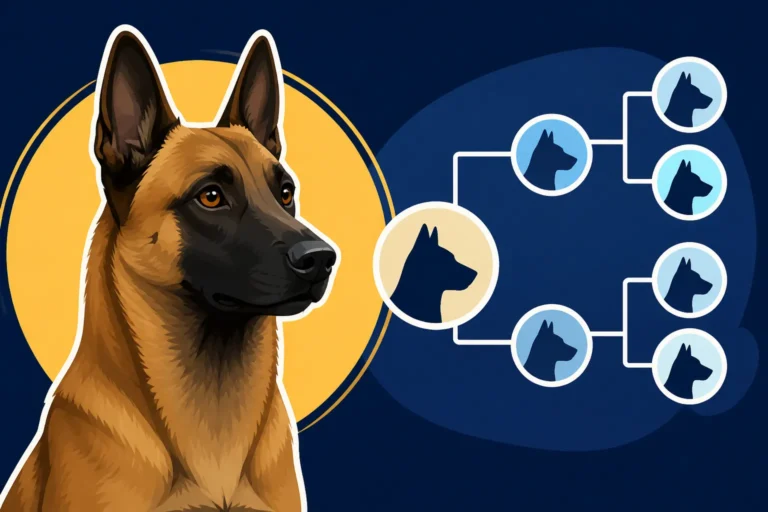
It was out of this rich tapestry of working dogs that the idea of a unified "Belgian Shepherd Dog" began to emerge. Enthusiasts and agricultural societies recognized the value of these dogs and sought to preserve their qualities. The first efforts to identify and group these dogs laid the groundwork for what would become four distinct varieties. The emphasis was always on functionality – intelligence, trainability, and stamina were prized above all else. Appearance was secondary, a consequence of regional preference and working demands, not a primary goal. The formation of the Club du Chien de Berger Belge was a pivotal moment, bringing together breeders and fanciers who believed in the inherent qualities of their native working dogs.
The Late 19th Century and the Need for Standardization
As the 19th century drew to a close, a broader movement swept across Europe: the formalization of dog breeds. People were becoming more interested in identifying, documenting, and standardizing the various types of working dogs. Belgium was no exception. This was driven by a desire to preserve native strains, promote responsible breeding, and eventually allow these dogs to compete in organized dog shows and trials.
Enter Professor Adolphe Reul, a professor at the Cureghem Veterinary School, who played a truly instrumental role in this process. In 1891, he gathered a group of shepherds and canine experts, conducting a systematic examination of the native Belgian sheepdogs. What he found was a diverse group, but with discernible types based largely on their coat. He proposed a classification system based on these physical traits, recognizing that while they were all Belgian Shepherd Dogs, regional variations in coat length, texture, and color had naturally occurred. This pivotal work is why we now have distinct Belgian Shepherd varieties. Local distinctions, often tied to the climate or specific needs of a region, were finally being formally acknowledged. You can learn more about how the breed lines were drawn in The 1959 Split That Made the Malinois Its Own Breed.
Malines: The Heart of the Malinois Name
So, how does Malines fit into this historical puzzle? It's all about geography and the specific types of dogs found in that particular Belgian locale.
The City of Mechelen and Its Canine Legacy
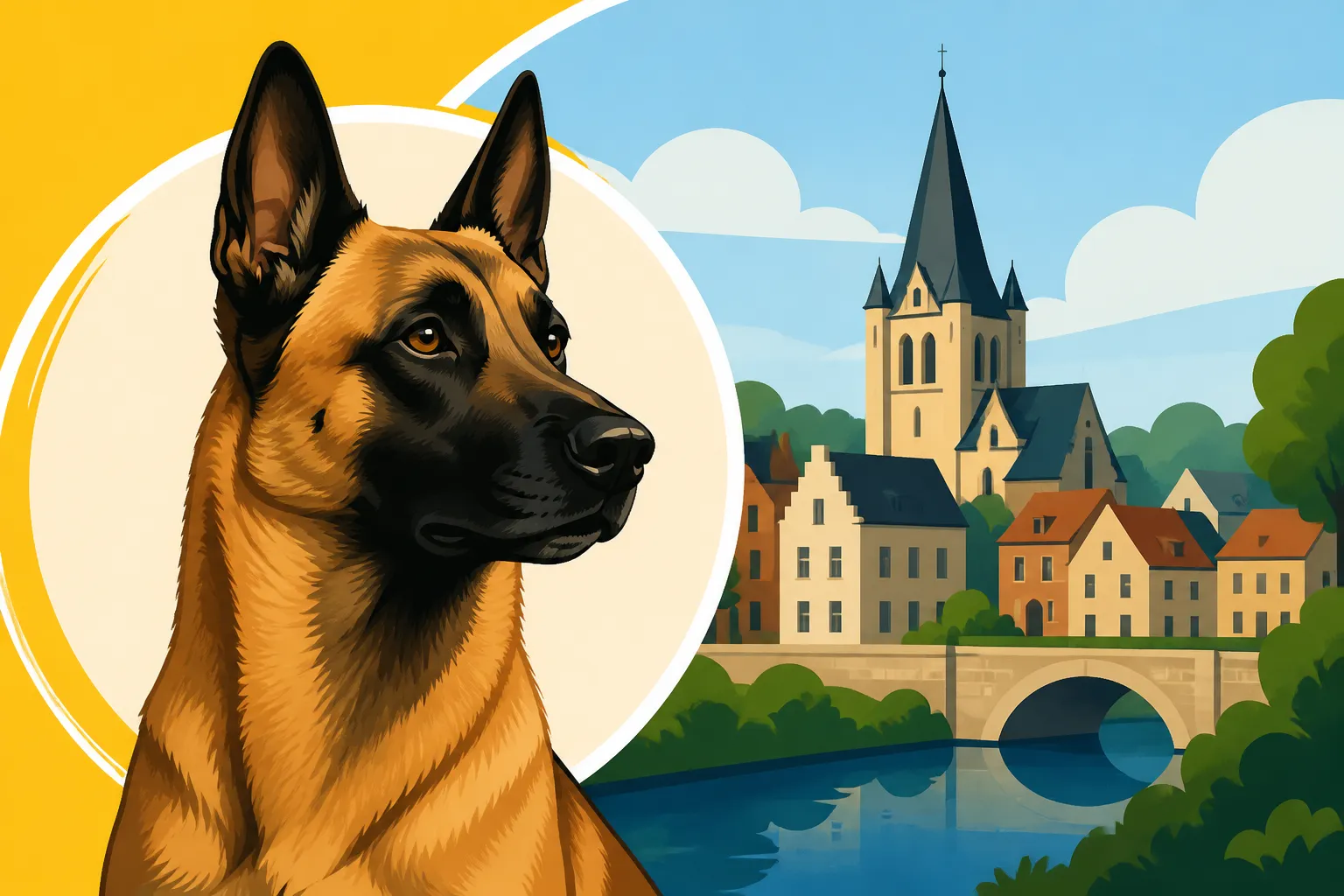
The name "Malinois" is actually the French translation for "Mechelenian," referring to the city of Mechelen in Belgium. Mechelen, often known by its French name Malines, is a historic city located in the Flemish region of Belgium, nestled between Antwerp and Brussels. Historically, it was a significant cultural, commercial, and agricultural hub. Imagine bustling markets, active farms, and a thriving community where dependable working dogs were essential to daily life.
The dogs from this specific region were renowned for certain qualities. They were often shorter-coated, robust, and exceptionally driven. The local farmers and breeders in and around Mechelen naturally favored dogs that performed best in their specific environment and tasks. These weren't ornamental dogs; they were hardy, intelligent, and tireless workers. The sheer number and quality of these short-coated dogs in the Mechelen area meant they became a recognizable 'type' within the broader Belgian Shepherd group. This regional connection became so strong that it eventually lent its name to the variety. For further reading, check out Whether Belgian Malinois and Mechelaar Are the Same.
Why the Name "Malinois" Stuck
Once Professor Reul and his colleagues began the formal classification process, they needed names to distinguish the different types. Given the prevalence and distinct characteristics of the short-coated fawn dogs found around Mechelen, it was only natural to name them after their region of origin. Thus, the "Malinois" was born, specifically referring to the short-haired variety.
These dogs were noted for their intense drive, alertness, and remarkable intelligence, qualities that were likely honed by generations of demanding farm work in the Mechelen region. Early breeders and enthusiasts in the area, such as those who contributed to the early breed clubs, actively promoted and refined these dogs. Their efforts ensured that the "Malinois" type became recognized as a distinct and valuable entity among the Belgian Shepherds. The name wasn't just a label; it was an identifier of a specific heritage and a set of characteristics prized by the people of that area. This naming convention helped solidify their identity within the larger canine world. You might be interested in The Professor Who Named the Malinois Type for more on this.
Distinguishing the Malinois Among its Belgian Cousins
Understanding the name "Malinois" also requires knowing the context of its siblings – the other Belgian Shepherd varieties that share a common ancestry but diverged in appearance.
The Four Varieties of Belgian Shepherd Dogs
As Professor Reul categorized the Belgian Shepherd Dogs, four distinct varieties emerged, primarily differentiated by their coat type and color. It's truly a fascinating piece of canine history, showing how local preferences and natural selection can shape a breed's appearance.
First, there's the Groenendael, a striking dog with a long, black double coat. They often present a majestic silhouette, their flowing coat giving them a regal air. Then we have the Tervuren, which shares the long coat of the Groenendael but comes in shades of fawn to mahogany, often with a distinct black overlay and mask. Both of these long-haired varieties require consistent grooming to keep their coats in top condition, which is something many owners factor in when choosing between the Belgian Shepherds.
The third variety is the Laekenois, perhaps the rarest and most unique in appearance with its harsh, rough, and wiry coat, typically fawn with a black overlay. This rustic coat was historically valued for its protective qualities against the elements, a practical choice for a working dog.
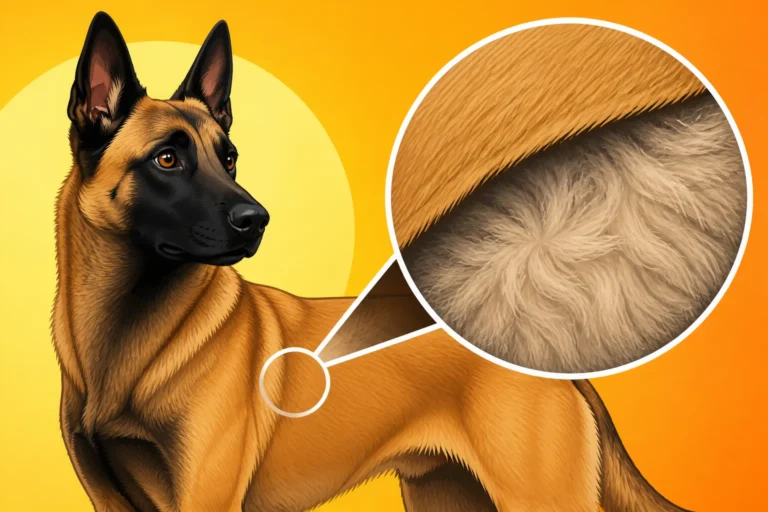
And then, of course, there's our subject: the Malinois. Distinguished by its short, straight, double coat, typically fawn to mahogany with a distinct black mask and often black tips on the ears. This combination of coat type and color made it instantly recognizable as a product of its region and its specific working environment. If you want to dive deeper into the differences, The Four Belgian Varieties the Malinois Belongs To offers a great overview.
The Importance of Coat Type in Early Identification
When these breeds were first being standardized, the coat was the primary and most obvious differentiator. It was the easiest way for early observers and breeders to distinguish between the various regional types of working dogs. The Malinois's short coat wasn't just an aesthetic choice; it had practical implications. In certain climates or for specific types of work, a shorter coat might be less prone to tangling, easier to clean, and potentially more suited for warmer weather or dense underbrush.
This shorter coat became the Malinois's hallmark. It set it apart from its long-haired cousins, the Groenendael and Tervuren, which require more extensive grooming. The short coat of the Malinois gave it a sleek, athletic appearance, which perhaps hinted at its later transition into high-intensity protection and sport work. It was a no-nonsense coat for a no-nonsense working dog. The differences between the Malinois and other varieties, particularly the Tervuren, are explored more in The Malinois Against the Tervuren. This distinction, initially based on something as simple as hair length, became the foundation for the separate recognition of the Malinois breed.
The Evolution from Farm Dog to World-Renowned Worker
The journey of the Belgian Malinois from a local farm dog to an international working superstar is a testament to its exceptional genetic makeup and adaptability.
The Original Herding Purpose of the Malinois
Initially, like all Belgian Shepherds, the Malinois was bred to be an all-around farm dog, with a strong emphasis on herding. In the fields and pastures around Mechelen, these dogs were invaluable. They would gather sheep, move cattle, and generally manage livestock with intelligence and precision. Their inherent prey drive was channeled into productive herding behaviors, making them incredibly effective at their job.
But they weren't just herders. They were also protectors, alerting their owners to intruders, whether human or animal, and guarding the farm property with vigilance. This dual role required a dog that was not only smart and agile but also courageous and devoted. They needed to think on their feet, respond to subtle cues, and possess immense stamina to work long days in varying conditions. These foundational traits – intense drive, intelligence, a strong work ethic, and a protective instinct – are the very qualities that would later propel them to international fame. The specific demands of The Herding Job the Belgian Malinois Was Built For really shaped the breed's character.
The Malinois's Rise in Protection and Police Work
As the need for traditional herding dogs lessened with changing agricultural practices in the early 20th century, the Malinois found a new calling. Their incredible drive, sharp intelligence, and fearless nature made them perfectly suited for roles in protection, police, and military work. Their shift from the farm to the front lines of law enforcement was remarkably swift.
These dogs possessed an unparalleled ability to focus intensely on a task, coupled with a robust physical constitution. They could be trained for complex scent detection, tracking, apprehension, and patrol duties with a level of precision and dedication that few other breeds could match. The development of dog sports like Belgian Ring and IGP (International Gebrauchshund Prüfung, formerly IPO or Schutzhund) also provided an outlet for their innate working abilities, further honing their skills in obedience, protection, and tracking. The early recognition of their potential by police forces in Belgium and then across Europe solidified their new identity. They weren't just farm dogs anymore; they were elite K9 athletes and protectors. Their widespread adoption in these crucial roles is a story worth exploring, as highlighted in How the Belgian Malinois Took Over Police Work.
The Global Impact of the "Malines Dog"
From the quiet farmlands of Belgium, the Malinois embarked on a journey that would see its "Malines dog" reputation spread across continents.
How the Malinois Gained International Recognition
The word spread quickly among police forces and military units: there was a new dog on the scene, an incredible worker from Belgium that was proving to be exceptionally adept at demanding tasks. Early enthusiasts and trainers recognized that these dogs possessed a unique combination of speed, agility, intelligence, and an unwavering drive to work. This made them ideal candidates for roles requiring not just obedience, but also intense focus and bravery.
The Malinois began to be imported into other countries, first in Europe and then across the Atlantic to North America, for use in police and military K9 programs. Their reputation grew organically, primarily through the undeniable success of individual dogs and their handlers in real-world scenarios. They were consistently proving themselves to be intelligent, responsive, and incredibly tenacious. As more and more units adopted the breed, the demand increased, cementing their place as a top-tier working dog breed. You can imagine how word-of-mouth spread when officers saw a Malinois excel in a situation where other breeds might have struggled.
The Cultural and Military Significance
The Malinois's rise to prominence in the military and law enforcement sectors is truly remarkable. They excelled in roles ranging from patrol and apprehension to bomb and narcotics detection, as well as search and rescue operations. Their exceptional scenting ability, coupled with their relentless drive, made them invaluable assets. The breed became synonymous with elite canine units, particularly in militaries and special operations forces around the world.
While I can't cite specific, real-time examples or named dogs due to my limitations, it's widely recognized that the Malinois has been instrumental in numerous high-stakes operations. Their courage, adaptability, and unbreakable bond with their handlers have been celebrated. This exposure, sometimes even in popular culture, has only amplified their reputation, though it has also led to some misunderstandings about their suitability as common family pets. Their intensity, born from generations of selective breeding for demanding work, is what makes them so good at their jobs, but also requires a very specific type of owner. The Malinois has truly become a global symbol of canine dedication and skill.
The Modern Malinois and Its Connection to Its Namesake
Today, the Malinois might be found thousands of miles from Mechelen, but its essence remains rooted in its origins.
Maintaining the Working Heritage
Even as the Malinois performs diverse roles globally, from competitive dog sports to critical military operations, breeders and serious enthusiasts strive to maintain the working qualities that originated from their heritage in Malines. The core characteristics—intense drive, formidable intelligence, trainability, and athletic build—are still paramount. These aren't traits that can be easily bred out without compromising the very essence of the Malinois.
Modern breeding programs often prioritize proven working lines, seeking to produce dogs with the same mental and physical fortitude that made their ancestors indispensable on Belgian farms. While few Malinois today may actively herd sheep, their innate herding instinct, which drives them to control movement and work closely with a handler, is still highly valued. It simply manifests in different ways, such as powerful retrieve drives in sport or unwavering focus in detection tasks. Maintaining this heritage is crucial, and it's why many dedicated owners seek out specific breeders who prioritize working ability. Understanding What Belgian Breeders Originally Selected the Malinois For helps paint this picture. When purchasing supplies, even something as simple as high-quality kibble from retailers like Chewy, owners often look for formulas designed to support the energy and performance needs of these highly active dogs, reflecting their enduring working nature.
The Enduring Identity of the Malinois
The name "Malinois" is more than just a historical label; it's a constant reminder of the breed's geographical and historical origins. It grounds this globally recognized working dog in the specific region where its type was first cultivated and celebrated. For many enthusiasts, the name evokes a sense of pride and connection to the utilitarian, no-nonsense approach to dog breeding that defined its early development.
Despite its international fame and diverse modern applications, the Malinois retains an identity that harks back to its rustic, working-class roots. It represents a dog bred for purpose, not just aesthetics. The unwavering spirit, the relentless drive, and the keen intelligence are all direct descendants of those early Belgian farm dogs from the Mechelen region. Even for pet owners who simply admire the breed's athleticism and loyalty, there's an appreciation for the deep history encapsulated in the name. Whether it's stocking up on durable toys from Chewy or consulting with a trainer, every interaction with a Malinois connects back to that rich, working heritage.
The table below provides a quick overview of the characteristics that distinguish the four varieties of Belgian Shepherd Dogs, making it clear how the Malinois found its unique identity among its cousins.
| Variety | Coat Length | Coat Texture | Common Colors | Historical Origin Region (Approx.) | Key Distinguishing Feature |
|---|---|---|---|---|---|
| Malinois | Short | Smooth | Fawn to Mahogany | Mechelen (Malines) | Short coat, black mask |
| Groenendael | Long | Harsh | Black | Groenendael | Long, entirely black coat |
| Tervuren | Long | Harsh | Fawn to Mahogany | Tervuren | Long coat, black mask, often sable |
| Laekenois | Medium/Rough | Wiry | Fawn (sometimes with black overlay) | Laeken | Rough, wiry coat |
The enduring legacy of the "Malines dog" is a powerful reminder that every breed has a story, a geographical anchor that shaped its very being. When you say "Belgian Malinois," you're not just naming a dog; you're echoing centuries of Belgian history and the tireless efforts of people who valued a truly functional canine companion. For those considering one of these incredible dogs, understanding this background is crucial, as it explains the profound drive and character that defines them today. Why the Breed Is Called Malinois in English goes deeper into the nuances of the naming. The commitment to this breed extends to every aspect of their care, from specialized training programs to ensuring they have the right nutrition and enrichment, often sourced from trusted places like Chewy.
Disclaimer
This article is for general informational purposes only and does not constitute professional advice. Laws, prices and regulations vary by location and change over time. Consult a qualified professional for guidance on your specific situation.