The Professor Who Named the Malinois Type
Many people know and love the Belgian Malinois today, often recognizing their sharp minds and intense work ethic, but few pause to consider the fascinating history behind their very name. This guide dives into the story of Professor Adolphe Reul, the visionary figure credited with playing a pivotal role in the formal recognition and naming of the distinct Malinois type, helping us understand how these incredible dogs came to be known as they are today.
The Early Days of Belgian Shepherd Recognition
Before the turn of the 20th century, the dogs that we now recognize as Belgian Shepherds were a much more diverse and less formally categorized group. Across Belgium, various types of sheepdogs, known generally as "Chien de Berger Belge," served farmers and shepherds with unwavering dedication. These dogs were primarily bred for utility – their ability to herd, guard livestock, and protect property was paramount, not their appearance or a strict adherence to a physical standard.
Imagine the bustling farmyards of late 19th-century Belgium. You'd see a wide array of dogs, all performing similar tasks but looking quite different. Some had long, flowing black coats, others rough, wiry hair, and many were short-coated and fawn, often with striking black masks. These were dogs of the working class, indispensable partners to their human families. Their ancestry was rooted in generations of practical selection, with little thought given to establishing a fixed "breed standard" in the way we understand it today. It was a time when function truly dictated form, and a good working dog was simply a good working dog, regardless of its precise coat type or color. This inherent variability, while practical for the farmers, presented a challenge when enthusiasts began to consider formalizing these dogs into distinct breeds.
A Need for Definition in a Sea of Diversity
As dog shows and breed clubs began to gain popularity in the late 1800s, there arose a natural desire to categorize and define the various types of dogs. Belgium, with its rich tradition of working dogs, was no exception. There was a growing movement among canine enthusiasts and breeders to bring order to the disparate groups of Belgian Shepherd dogs. This wasn't just about winning ribbons; it was about preserving the best traits, promoting responsible breeding, and giving these intelligent and capable animals the recognition they deserved on a national and international stage.
However, this endeavor was far from simple. The sheer variety among the Belgian sheepdogs made it difficult to draw clear lines. Some argued for a single breed with multiple coat varieties, while others advocated for entirely separate breeds based on these distinctions. The discussions were passionate, often heated, and reflected the deep affection and pride people had for their local working dogs. Without a unifying figure or a clear scientific approach, the path to standardization remained muddled. It was a classic chicken-and-egg problem: how do you define a breed when the existing population is so diverse, and where do you start? This period of debate and classification was crucial, setting the stage for the intervention of a man with a scientific mind and a passion for these dogs.
The Vision of Professor Adolphe Reul
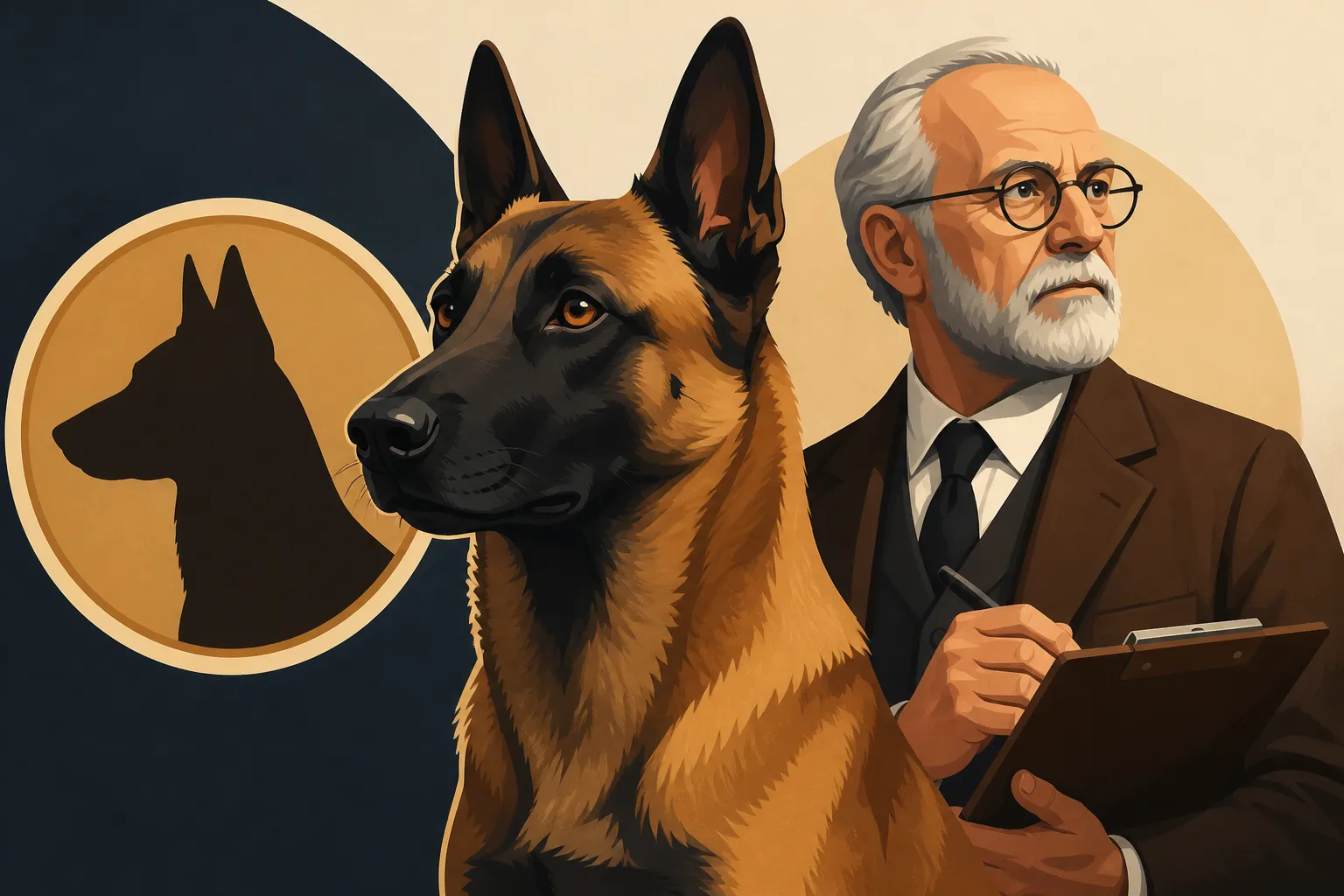
It was into this swirling discussion of Belgian Shepherd identity that Professor Adolphe Reul stepped forward. A professor at the Cureghem Veterinary School (École de Médecine Vétérinaire de Cureghem) near Brussels, Reul possessed a keen scientific mind and a deep understanding of anatomy and genetics, even in its nascent stages. More importantly, he had a genuine appreciation for the working Belgian sheepdog. He saw beyond the superficial differences in coat length and color, recognizing a shared underlying type and working ability that united these dogs.
Reul was instrumental in organizing the first gathering of these dogs in 1891, a pivotal moment that truly began the process of standardization. This was not a formal dog show, but more of a working exhibition where dogs were assessed for their suitability as herding animals, their temperament, and their physical characteristics. It was here, by examining these dogs en masse, that Reul began to formulate his ideas for classification. He sought to create a system that respected the dogs' working heritage while also providing clear, definable standards for future breeding. His approach was pragmatic, aiming to categorize rather than arbitrarily divide, and to use the characteristics that were most prevalent and consistent among the best working specimens.
Unifying the Types Under One Umbrella
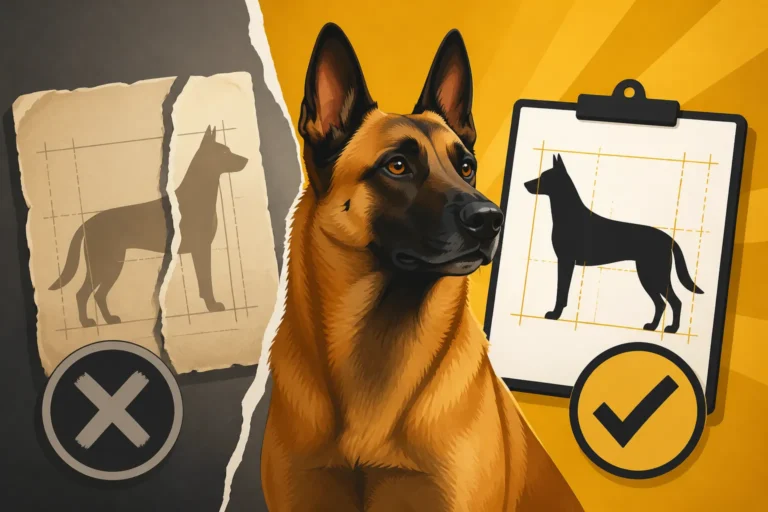
Professor Reul's most significant contribution was his advocacy for grouping all Belgian Shepherd dogs into a single breed based on their shared anatomical structure and temperament, with coat variations defining different types or "varieties." This was a revolutionary idea at the time, cutting through the arguments of those who wanted entirely separate breeds for each coat type. He observed that despite their outward differences, the underlying structure, intelligence, and herding instinct of these dogs were remarkably similar. They all possessed the agile, muscular build necessary for long days of herding, the sharp intelligence required to anticipate livestock movements, and the loyal, protective nature that made them excellent companions and guardians.
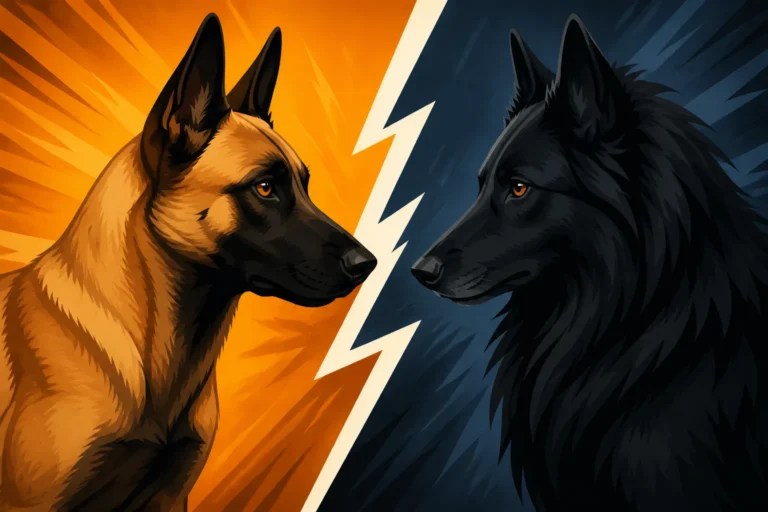
Reul proposed that the "Belgian Shepherd Dog" should be recognized as a single breed, but within that breed, four distinct varieties could be identified based on their coat: the long-haired black (Groenendael), the long-haired fawn (Tervuren), the short-haired (Malinois), and the rough-haired (Laekenois). This sensible and scientific approach allowed for the preservation of genetic diversity while still providing a framework for breed development and recognition. It was a unifying vision that ultimately paved the way for the breed's acceptance and popularity, first in Belgium and then across the world. His logical system allowed enthusiasts to preserve traits like a healthy The Hip and Elbow Numbers Behind a Malinois Clearance while also embracing the visual differences.
How the Varieties Came to Be Defined
Following Professor Reul's persuasive arguments, the Club du Chien de Berger Belge (Belgian Shepherd Dog Club), founded in 1891, adopted his proposed classification. This marked the official beginning of the standardization process for the Belgian Shepherd dogs. It wasn't an overnight change; rather, it was a methodical process of selecting breeding stock that best represented each defined variety, slowly shaping the dogs over generations to fit the emerging standards.
The club members, under Reul's guidance, diligently worked to refine the characteristics for each of the four varieties. They looked at specific physical traits beyond just coat type, such as ear set, head shape, tail carriage, and overall conformation, all while maintaining a strong emphasis on the dogs' working abilities and sound temperament. This meticulous work ensured that the beauty of the dogs was recognized, but never at the expense of their inherent capabilities as working animals. It was a careful balance between aesthetics and utility, a hallmark of many European working breeds.
The Naming of the Malinois
Among the four varieties, the short-haired type became known as the Malinois. This name wasn't chosen arbitrarily; it was a tribute to the city of Malines (Mechelen in Dutch), a prominent city in the province of Antwerp, Belgium. The area around Malines was particularly known for its strong, intelligent, and short-coated sheepdogs, which were highly regarded by local farmers and became the prototypical examples of this variety.
The short-haired dogs from this region were not only excellent herders but also proved themselves adaptable to various other tasks, from guarding to general farm work. Their sleek, low-maintenance coats were practical in diverse weather conditions and brush, making them ideal for active working roles without the burden of extensive grooming requirements. When thinking about How Much a Malinois's Short Coat Actually Sheds, it's easy to see why such a practical coat was valued by working people. Therefore, naming the short-haired variety "Malinois" was a natural and fitting acknowledgment of their geographical origin and the quality of the dogs found there. It cemented a local identity onto a national breed standard, giving a clear point of reference for all future development.
| Belgian Shepherd Variety | Coat Type | Original Prominent Region | Key Trait Focus (beyond coat) |
|---|---|---|---|
| Groenendael | Long, Black | Groenendael | Elegant, protective |
| Tervuren | Long, Fawn | Tervuren | Agile, intelligent |
| Malinois | Short, Fawn | Malines/Mechelen | Athletic, highly driven |
| Laekenois | Rough/Wire | Laeken | Resilient, sturdy |
The Enduring Legacy of the Malinois Name
Professor Adolphe Reul's work, particularly his systematic approach to categorizing the Belgian Shepherd varieties, proved to be incredibly influential. His method provided a clear and logical framework that allowed breeders to pursue distinct lines while still recognizing their common heritage. Without his intervention, the Belgian Shepherd dogs might have splintered into many small, unrecognized local types, or perhaps never achieved the international recognition they enjoy today. His vision allowed for clarity in breeding goals and fostered a sense of unity among Belgian Shepherd enthusiasts, despite the variations.
Today, the Malinois stands as a testament to Reul's foresight. It has not only maintained its strong working drive but has become one of the most sought-after breeds for police, military, and protection work worldwide. The name "Malinois" evokes an image of a powerful, intelligent, and highly capable dog, a legacy that began with a professor's dedication to understanding and defining the working dogs of his country. From its humble origins as a regional farm dog, the Malinois, thanks in part to Reul's efforts, has risen to become a global icon of canine athleticism and intelligence.
The Malinois's Place in Modern Dog World
The impact of Professor Reul's early standardization efforts continues to resonate in the modern dog world. The Malinois, with its defined characteristics and clear identity, has been able to thrive in various disciplines. From high-level sports like What Bite Sport Actually Asks of a Belgian Malinois to critical roles in search and rescue, their inherent traits, first recognized and categorized by Reul, are now honed to perfection. Breeders carefully select for these traits, ensuring that the Malinois remains true to its working heritage.
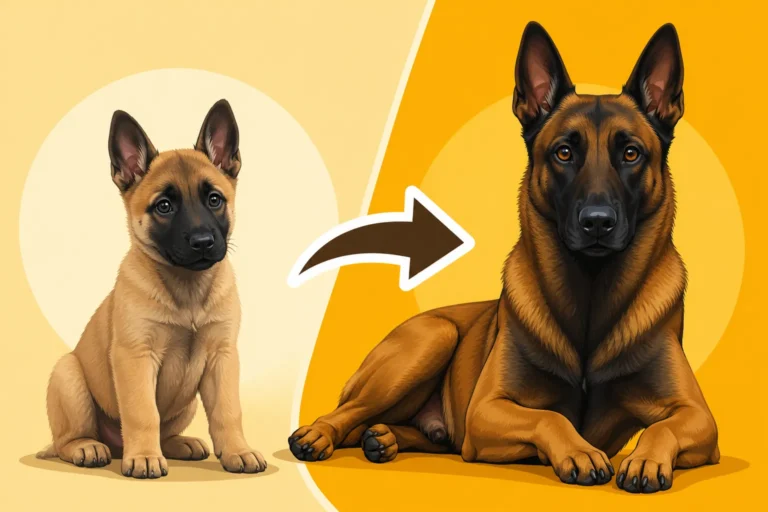
Even as the breed evolves, the foundational principles established by Professor Reul guide responsible breeders and owners. Understanding the breed's origins helps enthusiasts appreciate why these dogs are the way they are – why they possess such intense drive, unwavering focus, and incredible athleticism. It’s a reminder that every Malinois puppy, whether destined for a demanding career or a very active home, carries a piece of that rich history, a lineage shaped by individuals who saw the true potential in Belgium's working sheepdogs. For anyone considering bringing one of these amazing dogs into their life, delving into the breed's history, from its naming to its development, offers invaluable insight into what makes a Malinois truly a Malinois. It also helps to clarify Why a Belgian Malinois Is the Wrong First Dog for many people.
Disclaimer
This article is for general informational purposes only and does not constitute professional advice. Laws, prices and regulations vary by location and change over time. Consult a qualified professional for guidance on your specific situation.