Whether Malinois Puppies Darken With Age
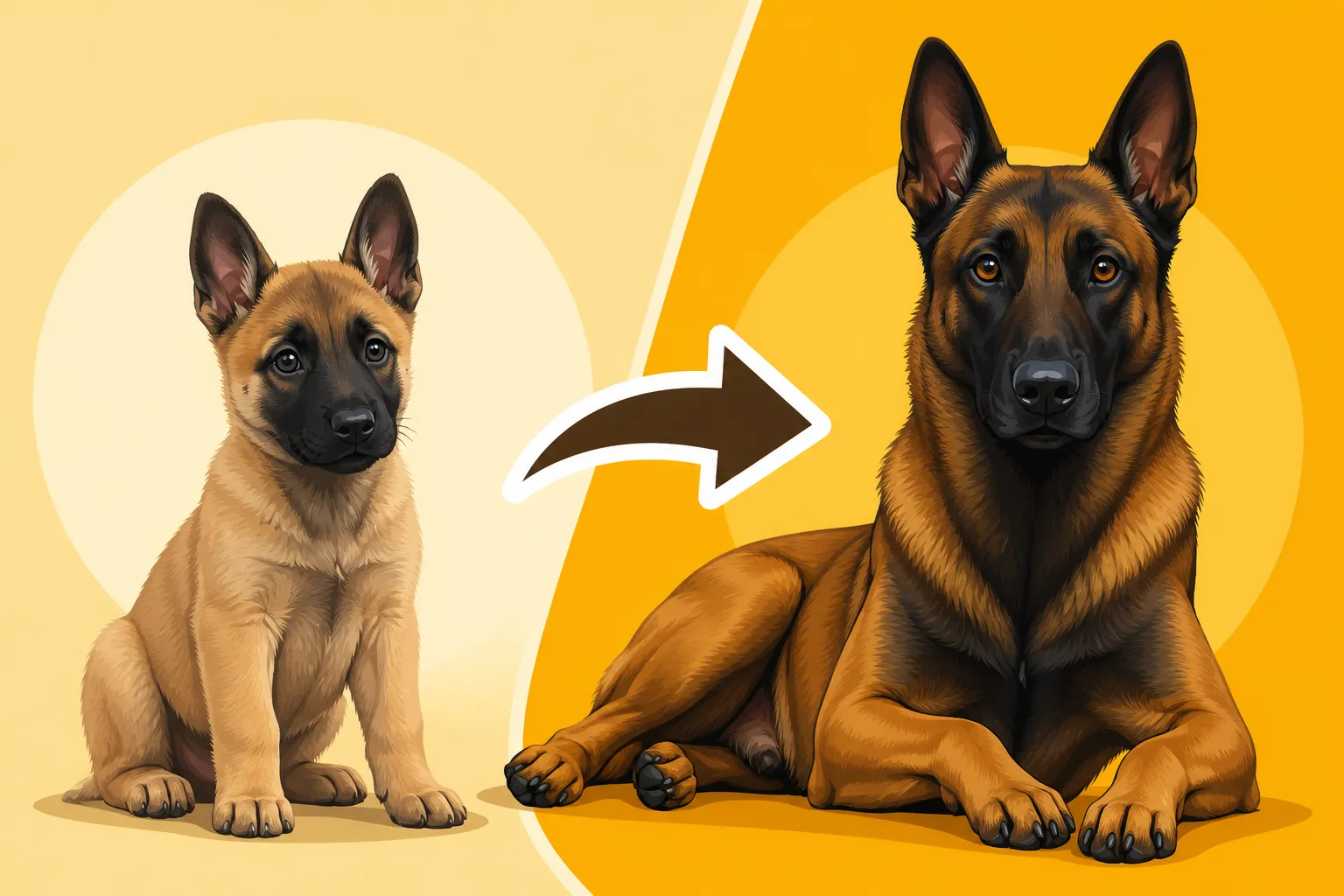
It's completely normal to gaze at your adorable, fluffy Belgian Malinois puppy and wonder how on earth that little ball of light fawn fur is going to transform into the striking, rich mahogany dog you see in photos. Many new Malinois owners share this curiosity, often seeing their puppy as a blank canvas and questioning just how much that color will deepen and develop. This guide is here to shed some light on the fascinating evolution of a Malinois's coat, walking you through the typical changes you can expect from puppyhood into their magnificent adult coat.
The Young Malinois Coat: A Canvas in Progress
When you first bring home a Belgian Malinois puppy, you might be surprised by just how light their coat appears. It’s a common experience, especially if you’ve been picturing the deep, vibrant hues of a mature working Malinois. But rest assured, that initial light coloring is all part of their natural development, and it sets the stage for the beautiful changes to come.
Puppy Fawn: Lighter Than You'd Expect
Most Belgian Malinois puppies are born with a coat that can best be described as light fawn, often leaning towards a sandy or even creamy hue. This isn't the stark, bold coloring you often associate with the breed's adult appearance. Instead, it's a softer, sometimes almost fuzzy coat, less dense and less pigmented than what they will eventually carry. The puppy coat feels different too, often softer to the touch, and it lacks the harsh, weather-resistant texture of a mature Malinois outer coat.
Their masks, which are a hallmark of the breed, might also be less defined at this young age. Instead of a sharp, clear black mask, a young puppy might have a softer, smudged appearance around the muzzle and eyes, or it might be quite minimal. This often leads new owners to question if their dog will ever develop that classic Malinois look. It's a completely valid concern, but one that time and maturity usually answer with a resounding yes. Think of it like a photograph slowly developing; the initial image is there, but the contrasts and depth still need to emerge.
The Gradual Appearance of the Mask and Overlay
One of the most exciting transformations to watch in a growing Malinois is the gradual darkening of their mask and the emergence of what we call "overlay" or "sable tipping." While some puppies might have a faint mask from birth, it almost invariably becomes more pronounced and sharply defined as they age. This black pigmentation around the muzzle, eyes, and sometimes extending to the ears, deepens and expands, giving the face that intense, intelligent expression Malinois are known for.
Beyond the mask, the "overlay" is perhaps the most significant factor in a Malinois puppy's coat darkening. This refers to the black tips on the fawn hairs, which give the coat a richer, sometimes smoky or sooty appearance. You'll often notice this overlay first appearing along the dog's back, over the shoulders, and on the top of the tail. It's a subtle change at first, almost like someone has lightly dusted their back with charcoal. As the puppy matures, especially as they transition from their soft puppy coat to their more robust adult coat, these black tips become more numerous and pronounced, spreading across their body. This overlay is crucial for moving from a light fawn to those striking shades of fawn, red fawn, or mahogany. It truly transforms the overall perception of their color, adding depth and intensity that wasn't there in their earlier months. The Black Overlay on a Belgian Malinois Coat is a fascinating topic on its own if you want to dive deeper into this specific aspect of their appearance.
Why and How Malinois Coats Change
Understanding why a Malinois's coat changes isn't just about satisfying curiosity; it helps you appreciate the natural progression of their development. It's a complex interplay of genetics, biology, and even their environment, all working together to shape the final appearance of your magnificent companion.
Genetics: The Master Painter
At the heart of every Malinois's coat color development lies their genetic code. Just like humans inherit eye and hair color, dogs inherit genes that dictate the pigments produced in their fur and how those pigments are expressed. For Belgian Malinois, the primary colors are governed by the agouti gene series, which is responsible for the fawn and sable patterns. The deepening of the fawn color, and the presence and extent of the black overlay, are all predetermined by the specific combination of genes inherited from their parents.
Some Malinois lines naturally carry genes for deeper, richer fawn or mahogany colors, while others may tend towards lighter fawns even in adulthood. The black mask, for example, is controlled by a separate gene, and its intensity can also vary. You can't change your dog's genetic blueprint, of course, but understanding that this is largely a genetic process helps manage expectations. If both parents are very light fawn as adults, it's less likely your puppy will become a dark mahogany, even with age. Conversely, if the parents boast rich, deep colors, your puppy has a higher probability of following suit. This genetic foundation is truly the master painter, setting the stage for the transformation.
Hormonal Shifts and Coat Cycles
Beyond genetics, the biological journey from puppy to adult plays a significant role in coat development. As a Malinois puppy matures, they undergo several key hormonal shifts, especially during adolescence. These hormonal changes are instrumental in the transition from the soft, often lighter puppy coat to the denser, harsher, and typically more richly colored adult coat. This isn't just a shedding process; it's a complete change in hair type and pigmentation.
You'll notice your puppy shedding their lighter, fluffier puppy coat, often in waves, as new, stronger adult hairs grow in. These new hairs are usually more heavily pigmented, contributing directly to the darkening effect. This major coat change typically occurs between 4 and 18 months of age, though it can continue more subtly beyond that. Furthermore, adult Malinois experience seasonal shedding cycles, particularly in spring and fall. How Much a Malinois's Short Coat Actually Sheds might surprise you! Each time new hair grows in after a shed, it often comes in with its full, rich color potential. So, even an adult Malinois might appear to "darken" slightly after a major shed, simply because the old, possibly sun-faded hairs have been replaced by fresh, vibrant ones. The Season a Malinois Sheds Worst can also highlight when these changes might be most noticeable.
Sun Exposure and Environmental Factors
While genetics and hormones are the primary drivers behind a Malinois's coat darkening with age, environmental factors, particularly sun exposure, can have a secondary, albeit noticeable, influence. For most breeds, prolonged sun exposure tends to bleach or lighten coats over time. With Malinois, the underlying genetic programming for darkening generally overrides this, meaning their base fawn color and black overlay will still develop as per their DNA.
However, once their adult coat is established, continuous exposure to strong sunlight can sometimes impart a reddish or even brassy tone to the fawn areas, or slightly lighten the black overlay over months. This isn't a deepening of color, but rather a superficial effect on the existing pigment. It’s more akin to sun-kissed highlights than a fundamental change in their genetically determined shade. Think of it as minor wear and tear on the paint job, rather than a full repaint. Maintaining general coat health through good nutrition and regular grooming can also contribute to the vibrancy and richness of their color, ensuring the coat looks its best, whether it's a light fawn or a deep mahogany. While these factors don't dictate the initial darkening, they certainly play a part in how the coat presents once mature.
Predicting Your Malinois's Adult Color
It's natural to want to know what your Malinois puppy will look like as an adult. While there are no absolute guarantees, as genetics can sometimes throw a curveball, there are several reliable indicators that can help you form a pretty accurate prediction. Think of it as gathering clues to solve a beautiful mystery!
Observing the Parents and Pedigree
The most powerful crystal ball for predicting your Malinois's adult color is staring right at their parents. Genetic inheritance is strong, and a puppy will typically fall within the color range of its immediate lineage. If both the sire and dam are known for their deep, rich mahogany coats with striking black overlay, the chances are significantly higher that their offspring will also mature into similar shades. Conversely, if the parents are on the lighter end of the fawn spectrum, your puppy might also mature into a beautiful, but lighter, fawn.
Don't just stop at the parents, though. If you have access to the full pedigree, looking at grandparents and great-grandparents can provide even more insight into the typical color progression within that specific line. A reputable breeder will be transparent about the coat colors in their dogs' history and can often give you a very good estimate of what to expect. Reading a Belgian Malinois Pedigree Before Paying isn't just about health; it's about understanding the whole dog. Also, remember that a single litter can sometimes produce The Shades a Malinois Litter Comes Out In, offering a spectrum of possibilities.
Early Indicators: Looking for Subtle Clues
Even before your puppy starts its major coat transition, you can often spot subtle hints about their future color. One of the earliest indicators is the intensity of their mask and the presence of any "sooty" or "smoky" patches. Puppies destined for deeper mahogany colors often show a more pronounced and earlier-developing black mask, sometimes with dark hairs already peeking through around their ears or the base of their tail.
Look closely at the individual hairs on their back. Can you see any faint dark tips starting to emerge, even on the light puppy fuzz? These tiny black tips are the harbingers of the overlay to come. It’s a bit like seeing the first dark brushstrokes on a canvas. While it's a gradual process, often taking many months, these early signs are the best non-parental indicators you'll get. Don't expect an overnight change; rather, watch for a slow, continuous deepening and enrichment of color as they grow.
To help visualize this progression, here's a general timeline:
| Age Range | Typical Coat Appearance | Key Changes Observed |
|---|---|---|
| 0-4 Months | Light fawn, soft puppy fuzz, sometimes less defined mask | Mask may be faint. Overall very light. |
| 4-8 Months | Puppy coat sheds, adult coat starts coming in | Mask darkens. First signs of black overlay appear, especially on back. |
| 8-18 Months | Adult coat establishing, color deepening | Fawn base color typically deepens. Overlay becomes more pronounced. |
| 18-36 Months | Mature adult coat, full color potential reached | Final depth of fawn/mahogany and intensity of black overlay is evident. |
| 3+ Years | Stable adult coat, may show slight sun-bleaching | Color is largely set. Minor fading can occur with heavy sun exposure. |
Understanding the Fawn to Mahogany Spectrum
It's important to understand that "darkening" doesn't necessarily mean every Malinois will become a deep, rich mahogany. The breed standard allows for a beautiful spectrum of fawn shades, ranging from a very light, almost creamy fawn to a vibrant, deep mahogany. Your puppy will simply fall somewhere along this beautiful continuum, determined by their unique genetic makeup.
Some Malinois might mature into a striking, clear fawn with a well-defined mask and minimal overlay, giving them a sleek, elegant appearance. Others will develop that heavy black overlay that gives the impression of a much darker, richer coat. The term Fawn to Mahogany and the Black Malinois Mask truly encompasses the wide range of accepted and admired colors within the breed. Even a Malinois that remains on the lighter side of the fawn spectrum, sometimes referred to as Whether a Belgian Malinois Can Be Solid Fawn, can be incredibly handsome, provided the color is clear and distinct, and accompanied by the characteristic black mask. The key is to appreciate the individual beauty of your dog as they mature, rather than fixating on a specific shade. Each Malinois’s coat tells a story of its heritage and development.
Caring for Your Malinois's Developing Coat
While you can't fundamentally alter your Malinois's genetically predetermined coat color, you can absolutely influence the health, vibrancy, and overall condition of their fur. A healthy coat will always look its best, reflecting the dog's internal well-being and making any natural darkening or deepening appear even more striking.
Nutrition for a Healthy, Vibrant Coat
A high-quality diet is the cornerstone of a healthy, vibrant coat. Just like our own hair, a dog's coat is a reflection of what goes on inside their body. Feeding a diet rich in high-quality protein, essential fatty acids (especially Omega-3s and Omega-6s), and vitamins and minerals is crucial for healthy skin and hair growth. Without adequate nutrition, even a genetically predisposed dark coat might appear dull or brittle.
Look for dog foods that list a named meat source as the first ingredient and have a balanced nutritional profile suitable for active, growing dogs. You might consider supplements like fish oil, which are packed with Omega-3s, known for their benefits to skin and coat health. These can help reduce dryness and promote a lustrous shine, which in turn can make the natural color appear richer. The Protein a Working Malinois Actually Needs is often higher than you'd think, and Whether Omega Oils Calm a Malinois's Skin is a question many owners explore for coat quality. You can find a vast selection of high-quality foods and supplements, including those rich in omega fatty acids, from trusted online retailers like Chewy, making it easy to support your Malinois's coat from the inside out.
Regular Grooming and Shedding Management
Even though Malinois have a relatively short coat, regular grooming is essential. Brushing not only helps to remove loose hair, dander, and dirt but also stimulates blood flow to the skin, promoting healthy new hair growth. This ongoing removal of dead undercoat and shedding hairs allows the new, often more pigmented, hairs to come through unimpeded, contributing to the overall richness and clarity of their coat color.
For a Malinois, a good bristle brush, a rubber curry brush, or a deshedding tool can be incredibly effective, especially during seasonal shedding periods when they truly "blow" their coat. Getting a Brush Through a Malinois's Undercoat can be quite a workout! Regular brushing ensures that the new coat, which often comes in darker and more vibrant, has the best chance to shine. While brushing won't change the genetic color, it ensures that the natural color development is as apparent and healthy as possible. You can easily stock up on these essential grooming tools, from brushes to deshedding rakes, at online pet supply stores like Chewy, ensuring you always have what you need to keep their coat in top condition.
Patience: The True Timeline
Perhaps the most important aspect of caring for your Malinois's developing coat is patience. The transformation from a light, fluffy puppy to a deep-colored, powerful adult dog is not an overnight event. It's a gradual process that unfolds over many months, often continuing for the first two to three years of their life. You'll see incremental changes, week by week, month by month.
The most significant darkening usually occurs between 6 months and 18 months, coinciding with the transition from puppy coat to adult coat and the bulk of their physical growth. However, subtle shifts in the depth and richness of their color, particularly in the black overlay, can continue even longer. Don't be discouraged if your Malinois isn't a deep mahogany by their first birthday; many continue to "fill in" and darken well into their second year. Enjoy the journey of watching them develop, as each stage of their coat's evolution is a testament to the beautiful genetics of the Belgian Malinois.
Disclaimer
This article is for general informational purposes only and does not constitute professional advice. Laws, prices and regulations vary by location and change over time. Consult a qualified professional for guidance on your specific situation.