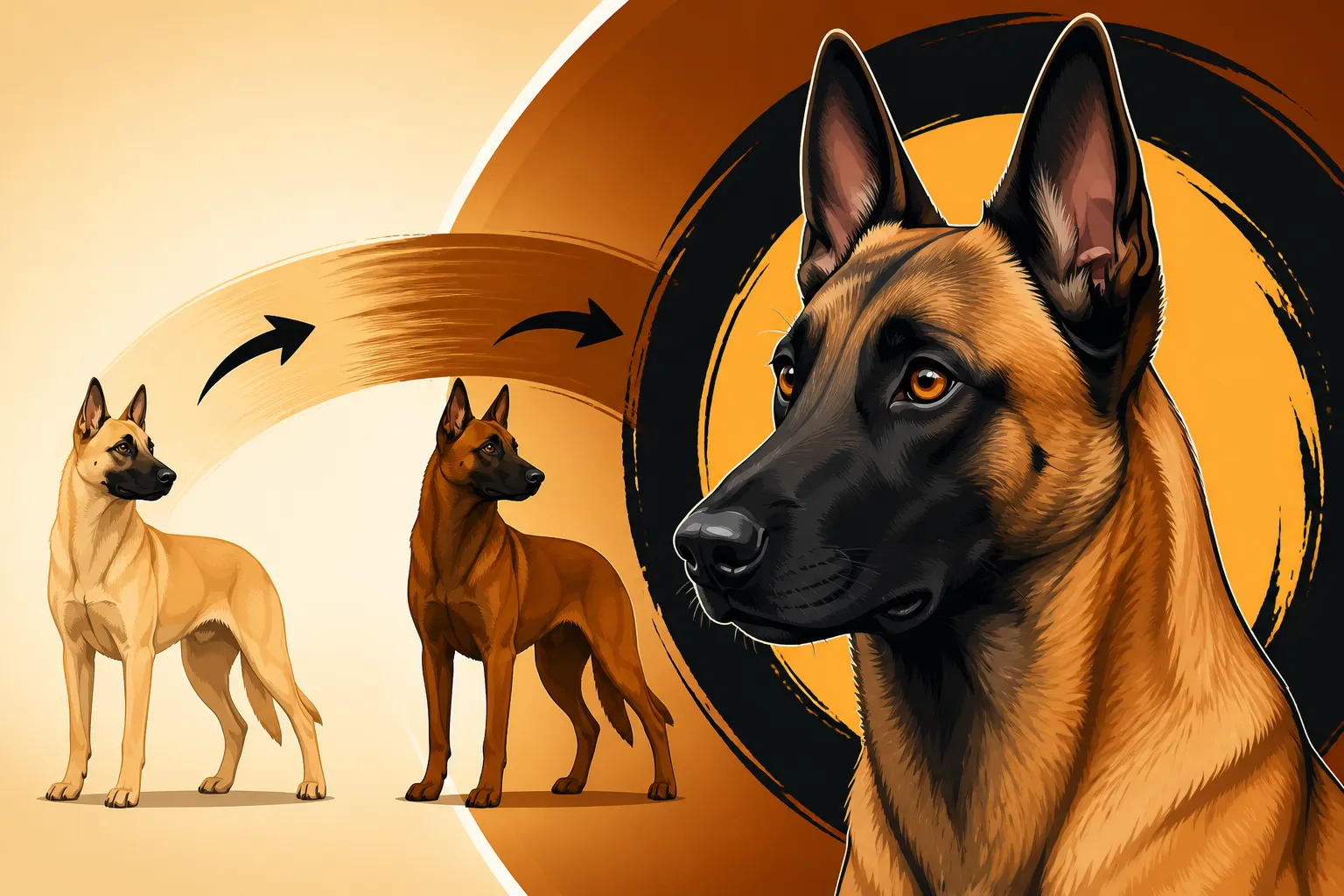
Fawn to Mahogany and the Black Malinois Mask
One of the first things people notice about a Belgian Malinois, after their intense gaze and boundless energy, is often their striking coat color. But for newcomers, and even some seasoned enthusiasts, the terms "fawn" and "mahogany" can feel a bit vague, leading to confusion about what's standard, what's desirable, and what truly makes up that iconic Malinois look, especially when you factor in the critical black mask. This guide is here to unravel the nuances of the Belgian Malinois coat, from the lightest fawn to the deepest mahogany, and to highlight the indispensable role of that defining black mask.
The Core Color Spectrum: Fawn to Mahogany
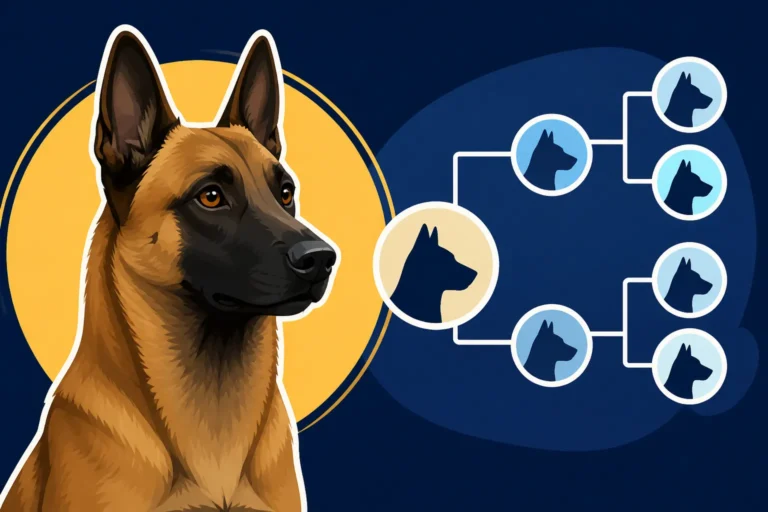
When you talk about Belgian Malinois, the discussion around coat color almost always begins and ends with fawn and mahogany. These aren't just arbitrary terms; they represent a beautiful spectrum of rich, earthy tones that are characteristic of the breed. It's not about being strictly one or the other, but rather appreciating the stunning range in between.
Understanding "Fawn" in Malinois
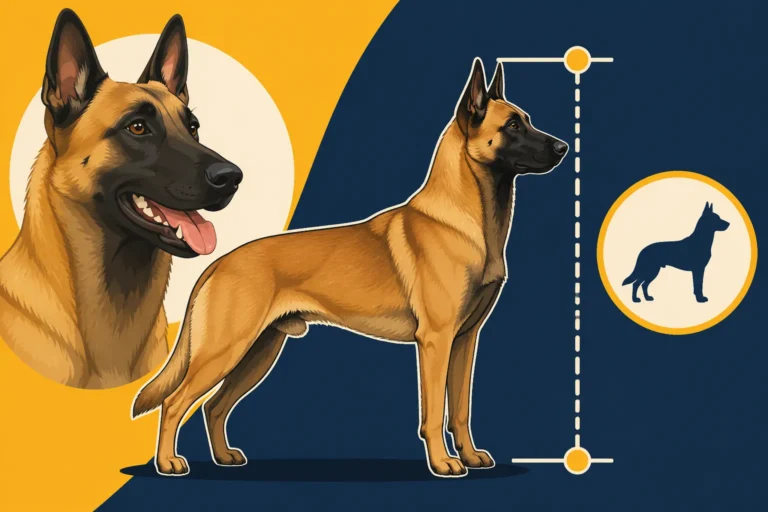
"Fawn" in a Belgian Malinois isn't a single, monolithic color. Think of it more as a broad category encompassing various shades of tan, from a very light, almost creamy beige to a deep, warm tan that has a golden hue. When you look at a litter of Malinois puppies, you might notice some that are distinctly lighter, their coats appearing soft and understated. These are typically the lighter fawns. As they mature, these lighter tones can often gain a bit more depth, sometimes picking up subtle hints of warmth, but they will generally remain on the lighter side of the spectrum.
It's common for people to gravitate towards certain shades, but the beauty of the fawn lies in its classic representation of the breed. It’s practical too; a lighter fawn can sometimes make the exquisite muscle definition of a highly conditioned Malinois stand out, almost like an artist's highlight. Some dogs might have a fawn so delicate it almost looks washed out in certain lighting, while others carry a deeper, sun-kissed fawn that radiates warmth. This variation is entirely normal and within the breed standard, reflecting the natural diversity you'd expect in any animal breed.
The Richness of Mahogany Tones
Moving along the spectrum from fawn, we encounter the richer, more intense mahogany. This is where the coat color deepens significantly, often taking on a reddish-brown cast that is quite striking. Imagine the color of polished cherry wood or a rich, dark caramel; that's the kind of depth mahogany brings to a Malinois's coat. These dogs often have a fiery appearance, especially when caught in direct sunlight, where their coats can truly glow with a warm, almost coppery sheen.
Mahogany coats tend to convey a sense of strength and robustness, often accentuating the powerful build of the Malinois. It's a color that speaks of heritage and the rugged working origins of the breed. For those who appreciate a more dramatic visual, mahogany often hits the mark. It's not uncommon for a Malinois to have a base color that is fawn but then heavily overlaid with black, giving it a mahogany appearance, particularly on the back and shoulders. This interplay of base color and overlay creates a dynamic visual that changes with movement and light. A true mahogany, however, has this depth in its base color, creating an incredibly rich and captivating hue.
Genetic Basis of Coat Color Variation
While we talk about fawn and mahogany in descriptive terms, the underlying reason for these variations lies in genetics. The coat color in Belgian Malinois is primarily determined by a few key genes, and the fawn-to-mahogany spectrum falls largely within the Agouti series (specifically the 'Ay' allele for sable/fawn) and the Extension series (the 'E' allele for producing black pigment). Without diving too deep into complex genetics, what's important to understand is that different combinations and expressions of these genes lead to the wide array of fawn and mahogany shades we see.
For instance, the intensity of red or yellow pigment (phaeomelanin) can vary greatly, leading to lighter fawns or deeper mahoganies. The presence and distribution of black pigment (eumelanin), particularly as a "sable" or "overlay," also plays a huge role. A dog with a genetically lighter fawn base might appear much darker if it carries a heavy black overlay, creating a mahogany-like effect. This genetic interplay means that even within the same litter, you can see a range of shades from a delicate fawn to a robust mahogany. Breeders often study pedigrees and understand the genetic background of their dogs to predict the potential coat colors in their litters, aiming for the colors and markings that adhere closest to the breed standard and are most aesthetically pleasing. It’s a fascinating dance between nature and nurture, culminating in the stunning coats we admire.
The Indispensable Black Mask
While the fawn to mahogany spectrum provides the canvas, it's the black mask that truly completes the iconic Belgian Malinois portrait. Without it, a Malinois simply doesn't look like a Malinois. It's more than just a marking; it's a critical component of their breed identity and expression.
What Defines the Malinois Mask
The black mask is a distinctive feature of the Belgian Malinois, encompassing the muzzle, extending around the eyes, and sometimes coloring the ears. It's not just a splash of black; it's typically a well-defined, intense black coloration that provides a stark contrast to the lighter fawn or mahogany base coat. The mask should frame the dog's face, enhancing its intelligent and alert expression. When you look at a Malinois, the mask draws your eye to their powerful muzzle and keen eyes, emphasizing the seriousness and intensity that are hallmarks of the breed.
The quality and extent of the mask are often discussed among breeders and enthusiasts. A strong, dark mask is highly desired, as it exemplifies the classic Malinois look. It should be evenly distributed, not patchy or faded. Think of it as nature's way of painting an indelible signature on each dog, declaring its Malinois heritage. This mask is present from puppyhood, though it can sometimes darken and become more pronounced as the dog matures. Its presence is non-negotiable within the breed standard, serving as a defining characteristic that sets the Malinois apart from other similar-looking breeds.
Why the Mask is More Than Just a Pretty Face
Beyond aesthetics, the black mask serves several important roles for the Belgian Malinois. Firstly, it enhances the breed's expressive capabilities. The contrast of the dark mask against the lighter coat draws attention to the eyes and mouth, making their myriad expressions – from intense focus to playful curiosity – far more pronounced and readable. This is particularly important for a working breed where subtle cues between dog and handler can be crucial.
Secondly, the mask plays a role in breed identification. Without that defining black mask, a Malinois can easily be mistaken for other fawn-colored dogs, or even a mixed breed. It's a key visual marker that instantly communicates "Belgian Malinois." From a practical standpoint, some believe the dark pigment around the eyes and muzzle may offer a slight advantage in reducing glare, similar to how athletes use eye black, though this is more anecdotal than scientifically proven. Most importantly, it anchors the Malinois's appearance firmly within its historical and aesthetic standard. It’s part of the complete package that makes a Malinois truly recognizable and contributes to their powerful, often intimidating, presence. The black mask is simply indispensable to the identity of the breed.
Variations in Mask Intensity
Just as the fawn and mahogany coats come in a spectrum of shades, so too does the black mask vary in its intensity and coverage. You might encounter Malinois with a very deep, extensive mask that covers much of their muzzle, extends strongly around their eyes, and even blends into the dark tipping of their ears. This kind of strong mask is often highly prized for its dramatic visual impact and adherence to a classic, formidable appearance. These masks create a striking contrast, making the dog's expression even more pronounced and serious.
On the other hand, some Malinois will have a lighter or less extensive mask. It might be clearly present on the muzzle but less defined around the eyes, or appear somewhat faded. While a visible mask is always required, its precise intensity can differ significantly from dog to dog, even within the same family lines. This variation is part of the natural genetic diversity within the breed. A dog with a lighter mask is still a true Malinois, but its overall facial expression might appear softer compared to one with a heavily pigmented mask. It's worth noting that extremes, such as a complete absence of a mask or a mask that is so light it's barely discernible, would be considered less desirable or even a fault in the show ring, as the strong black mask is such a defining characteristic of the breed's standard.
Other Markings and Their Significance
Beyond the core fawn and mahogany base colors and the essential black mask, Malinois coats can display other markings that add depth and character. Understanding these variations helps paint a fuller picture of the breed's acceptable appearance and distinguishes true breed traits from disqualifying faults.
Black Overlay and Tipping
Many Belgian Malinois, particularly those with deeper fawn or mahogany coats, will exhibit what's known as a "black overlay" or "black tipping." This is where the individual hairs are not uniformly colored but have black tips, especially prominent on the back, shoulders, and sometimes the tail. This black tipping gives the coat a "sable" appearance, creating a beautiful depth and shading that makes the base color look richer and more complex. It's not a solid black patch, but rather an intricate weaving of black into the fawn or mahogany. The Black Overlay on a Belgian Malinois Coat describes this in more detail.
This overlay is what often gives a Malinois that "dusty" or "smoky" look on their back, making them appear darker than their base coat would suggest. It contributes significantly to the overall aesthetic, providing a sense of ruggedness and definition to their physique. For example, a Malinois with a light fawn base might have such a heavy black overlay that from a distance, it appears mahogany. This overlay often intensifies as the dog matures, with puppies typically starting lighter and developing their full color and overlay over their first year. The interplay between the base color and the black tipping is one of the subtle beauties of the Malinois coat, creating a dynamic visual that changes with the light.
White Markings: Standard vs. Faults
When it comes to white markings, the Belgian Malinois breed standard is quite specific. Small amounts of white are generally acceptable, but excessive white is considered a fault. Typically, you might see a small patch of white on the chest, often referred to as a "star" or "vest," which is generally permissible as long as it isn't too large or expansive. Similarly, white on the tips of the toes, sometimes looking like a touch of snow, is also usually acceptable. These small white areas are often seen as minor individual characteristics rather than significant deviations. Whether White Markings Are Allowed on a Malinois is a topic that delves further into these specifics.
However, white markings that are large, patchy, or appear in areas not specified by the standard are considered faults. For instance, white on the feet extending far up the leg, or large white patches on the belly, flanks, or anywhere else on the body, would be undesirable in the show ring and indicate a departure from the ideal breed type. These faults can also be an indicator for breeders to avoid certain pairings if they consistently produce offspring with too much white. The focus is always on maintaining the integrity of the fawn or mahogany coat with the striking black mask, keeping white to a minimum and in designated, subtle areas.
How Color Develops in Malinois Puppies
Observing a Malinois puppy's coat color development is a fascinating journey. When they are very young, often just a few weeks old, their coats can appear surprisingly light. Many Malinois puppies are born with a lighter fawn, almost beige, base color, and their black mask might be present but perhaps not as deeply pigmented or extensive as it will become. It's not uncommon for new owners to wonder if their seemingly light-colored puppy will grow into the richer fawn or mahogany they expect. Whether Malinois Puppies Darken With Age is a testament to this common query.
Indeed, Malinois puppies tend to darken significantly as they mature. The black overlay, which creates that sable or mahogany effect, often develops and intensifies over the first several months of life. What looked like a pale fawn pup at eight weeks might transform into a stunning mahogany with a strong black overlay by six months to a year. Their masks also tend to deepen and become more defined during this period. This developmental darkening is a natural process linked to the expression of their genes and the maturation of their coat. Breeders often provide photos of parents and older siblings to give potential owners an idea of how a puppy's color might evolve, assuring them that the initially lighter shades are simply part of the puppy stage.
| Coat Descriptor | Base Color Range | Mask Intensity Range | Common Markings | Breed Standard Acceptance |
|---|---|---|---|---|
| Light Fawn | Pale cream to light golden tan | Visible, often lighter | Minimal black overlay | Yes, acceptable |
| Mid-Range Fawn | Warm tan to rich gold | Clearly defined, medium intensity | Moderate black overlay/tipping | Yes, desirable |
| Mahogany | Deep reddish-brown to dark coppery tan | Strong, extensive black mask | Heavy black overlay/sable | Yes, highly desirable |
| Sable | Fawn/Mahogany with heavy black tipping | Typically strong | Distinct black overlay | Yes, acceptable |
| Excessive White | Any base color | Any mask | Large white patches on chest, feet, belly | Fault/Disqualification |
| Absent Mask | Any base color | None | N/A | Disqualification |
| Other Colors | Black, brindle, blue | N/A | N/A | Disqualification |
Breed Standard and Disqualifications Related to Color
The breed standard for the Belgian Malinois is quite clear and specific when it comes to color. It's not just about what looks good; it's about preserving the distinct characteristics that define the breed. Deviations from this standard, especially in color, can be significant.
Adhering to the Breed Standard
For any purebred dog, the breed standard serves as the blueprint for what an ideal specimen should look like, act like, and be structured like. For the Belgian Malinois, the standard explicitly calls for fawn to mahogany, with a black mask. This narrow range of acceptable colors is intentional and reinforces the breed's distinct identity. When a Malinois is evaluated in conformation shows, judges pay close attention to the coat color and markings, ensuring they align with this established ideal. They look for that rich fawn or mahogany base, along with the essential, well-defined black mask.
This adherence to the standard is crucial for maintaining breed purity and predictability. It ensures that when you see a Belgian Malinois, you're seeing a dog that embodies the traits that have been carefully cultivated over generations. Breeders dedicated to the integrity of the breed strive to produce dogs that conform to these color guidelines, along with all the other physical and temperamental requirements. They understand that straying too far from the standard can dilute the breed's unique characteristics.
Unacceptable Colors and Markings
While the fawn to mahogany spectrum offers some variation, there are definite lines that, when crossed, result in unacceptable colors or markings for a Belgian Malinois. Any color other than fawn or mahogany, with the black mask, is considered a serious fault or even a disqualification in the show ring. For instance, solid black, often seen in the Groenendael (another Belgian Shepherd variety), is not a Malinois color. Similarly, brindle markings, which are characteristic of the Dutch Shepherd, are not permissible in a Malinois. Whether a Belgian Malinois Can Be Solid Fawn clarifies that a true solid fawn, without any hint of black overlay or mask, would also be a deviation.
Furthermore, white markings beyond the small allowable patches on the chest and toes are typically disqualifying. Large white blaze on the face, white collars, or significant white on the legs or body would mean the dog cannot be shown or considered a prime example of the breed. Whether a Black Belgian Malinois Is a Malinois at All directly addresses the misconception that solid black dogs are Malinois. These strict guidelines help maintain the visual distinction of the Malinois from its close relatives and other breeds. Reputable breeders are keenly aware of these disqualifications and strive to avoid producing puppies with such traits.
Why Color Matters Beyond Aesthetics
It might seem superficial to focus so much on color, but in the world of purebred dogs, it's more than just aesthetics. For the Belgian Malinois, maintaining the correct coat color and markings is intrinsically linked to preserving the breed's identity and historical lineage. When a breed's standard specifies a particular color, it’s often because that color was historically prevalent in the working dogs from which the breed originated, or it was deliberately selected for during the breed's development to distinguish it. Deviations can signal a departure from the established type or even potential crossbreeding at some point in the lineage.
Moreover, in some breeds, certain color dilutions or patterns can be linked to health issues, although this is not a prominent concern with the standard Malinois colors. For the Malinois specifically, the strong, rich fawn/mahogany with a black mask has come to symbolize their rugged elegance and intensity. Breeders view adherence to the color standard as part of their commitment to producing true-to-type Malinois. It also simplifies identification; when you see a dog with a black mask and a fawn to mahogany coat, you instantly recognize it as a Malinois. This consistency helps everyone from judges to pet owners understand and appreciate the breed's unique visual signature, ensuring its integrity for future generations.
Practical Considerations for Owners and Breeders
Understanding the nuances of Malinois coat color isn't just for show ring enthusiasts; it has practical implications for both owners and breeders, touching on everything from recognition to the enduring myth of color-based temperament.
Impact on Recognition and Showing
For breeders and owners involved in conformation shows, adhering strictly to the color standard is paramount. A Belgian Malinois with a fawn to mahogany coat and a strong black mask will be judged favorably, assuming all other structural and temperamental aspects also meet the standard. Deviations, such as a lack of mask, excessive white markings, or off-colors like solid black or brindle, would severely impact a dog's ability to succeed in the show ring, often leading to disqualification. Judges are trained to identify these specific traits, and they serve as instant markers for non-conformance.
Beyond the show ring, the correct color ensures the dog is recognized as a purebred Belgian Malinois by breed clubs and registries. This is important for maintaining pedigree records and for breeding programs that aim to improve the breed. Even for those not interested in showing, knowing their dog's color falls within the standard provides assurance of its purebred lineage. When purchasing a puppy, reputable breeders will be able to show you the parents' colors and how they align with the standard, giving you confidence in the puppy's potential adult coat and overall breed type. You can also Looking Up a Malinois Sire's OFA Record to learn more about the health clearances of the parent, which is just as important as color.
Temperament and Drive: Is There a Link to Color?
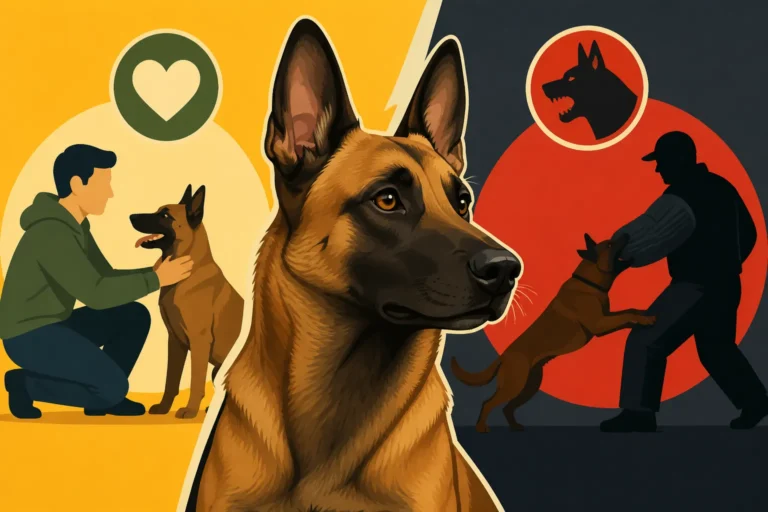
This is a really common question, and it's important to set the record straight: there is no scientific or generally accepted link between a Belgian Malinois's coat color (fawn or mahogany) and its temperament or drive. The intensity, trainability, and working ability that Malinois are renowned for come from careful breeding for specific traits, strong genetics passed down through working lines, and consistent training and socialization – not from the shade of their coat. Whether a Malinois's Color Says Anything About Drive unequivocally confirms this.
Whether a Malinois is a light fawn or a deep mahogany, its inherent drive, protective instincts, and boundless energy are a product of its lineage and selective breeding for working characteristics over many generations. A darker mahogany Malinois is not inherently "harder" or more driven than a lighter fawn Malinois, and vice versa. Any perceived correlation is purely coincidental or based on anecdotal evidence that lacks statistical backing. What truly dictates a Malinois's temperament and drive is the careful selection of parents with proven working abilities and stable temperaments, followed by consistent training and proper management by the owner. When looking for a Malinois, prioritize health clearances, temperament, and working potential from reputable breeders rather than getting caught up in superficial color preferences.
Care Considerations for Different Coat Shades
The good news is that for Belgian Malinois, whether they are fawn or mahogany, the basic care considerations for their coats remain largely the same. Their short, dense double coat is generally low-maintenance, requiring regular brushing to manage shedding, particularly during seasonal coat blows. Products like those found on Chewy for de-shedding tools can be very helpful here. The primary difference isn't in care, but perhaps in how easily dirt or sun exposure might be perceived.
Lighter fawn Malinois might show dirt more readily after a romp in the mud, but conversely, might hide light dust or dander better than a darker coat. Darker mahogany coats, while perhaps camouflaging some dirt, might appear duller if not kept clean, and can sometimes feel warmer to the touch in direct, intense sunlight, though this is marginal. All Malinois, regardless of shade, benefit from being kept out of prolonged, intense sun exposure, especially during peak heat hours, to prevent overheating. Their short coats also mean they don't offer much insulation in extreme cold, so proper housing and protection are important for all. Ultimately, a healthy, shiny coat is a reflection of good nutrition and overall health, irrespective of its specific shade within the fawn to mahogany spectrum. A high-quality diet, which can be found at places like Chewy, supports healthy skin and a vibrant coat for any Malinois.
Common Misconceptions and Clarifications
The world of dog breeds, especially those with such distinct appearances as the Belgian Malinois, is often rife with misconceptions about colors. It's time to clear up some of the common misunderstandings.
"Red" Malinois vs. Mahogany
One frequent point of confusion arises when people talk about "red" Malinois. While some Malinois have incredibly rich, deep mahogany coats that can appear almost reddish in certain lighting, true "red" as a distinct, separate color category is not recognized in the breed standard for the Belgian Malinois. What individuals might describe as "red" is almost always an exceptionally dark, vibrant mahogany fawn. This deep mahogany color is highly sought after by many for its striking beauty and intensity. Whether a Red Belgian Malinois Exists is a topic that further explores this nuance.
The distinction is important because "red" can imply a different genetic expression than what is standard for the Malinois. The breed's allowed color palette ranges from light fawn through the various shades of fawn, intensifying into mahogany, all with the essential black mask. So, if you hear someone referring to a "red" Malinois, they are most likely admiring a particularly rich and deep mahogany specimen that embodies the warmer end of the fawn spectrum. It's a testament to the descriptive power of language, but genetically and by breed standard, it remains within the fawn/mahogany family.
The Myth of the "Black Malinois"
Perhaps one of the most persistent color misconceptions is the idea of a "black Malinois." To be absolutely clear, a solid black Belgian Malinois is not a recognized or standard color for the breed. While other Belgian Shepherd varieties, such as the Groenendael, are indeed solid black, the Malinois standard explicitly states fawn to mahogany with a black mask. If you encounter a dog that is solid black and being called a "Belgian Malinois," it is almost certainly either a Groenendael, a mixed breed, or potentially a Malinois with some non-standard lineage. Whether a Black Belgian Malinois Is a Malinois at All directly debunks this myth.
The confusion often arises because all four Belgian Shepherd varieties (Malinois, Tervuren, Groenendael, Laekenois) share a common origin and similar body structures. However, they are distinguished primarily by their coat type and color. To call a solid black dog a Malinois is to fundamentally misunderstand a key aspect of the breed's identity and standard. Reputable breeders will never produce solid black Malinois, as it's a disqualifying fault. This distinction is vital for maintaining the integrity of each Belgian Shepherd variety.
The Appearance of "Sable" Malinois
The term "sable" often crops up in discussions about Malinois coat color, sometimes causing confusion as to whether it's a separate color or a pattern. In the context of the Belgian Malinois, "sable" isn't a distinct base color like fawn or mahogany; rather, it describes the pattern of black tipping or overlay on a fawn or mahogany base coat. This means that the individual hairs of the dog's coat are lighter at the base and become black towards the tip, creating a shaded, often darker appearance over certain parts of the body, particularly the back, shoulders, and tail. Whether a Sable Belgian Malinois Is Standard clarifies that this appearance is indeed standard and desired.
This black overlay is responsible for much of the depth and richness seen in many Malinois coats. A dog might have a fawn base color, but if it has a heavy sable overlay, it can appear much darker, almost like a mahogany, from a distance. The sable pattern makes the coat incredibly dynamic, giving it a grizzled or smoky effect that adds to the Malinois's rugged good looks. It's a natural and expected part of the Malinois's genetic expression, contributing to the breed's overall allure without deviating from the core fawn to mahogany color standard. Understanding sable as a hair pattern rather than a solid color helps to fully appreciate the intricate beauty of the Malinois coat.
Appreciating the Malinois's Natural Beauty
Ultimately, while coat color is a captivating aspect of the Belgian Malinois, it's essential to remember that it's just one piece of a much larger, more complex puzzle. The true essence of this breed lies far deeper than its surface appearance.
Beyond Color: Focus on Structure and Temperament
While a striking fawn or mahogany coat with a deep black mask is undoubtedly beautiful and characteristic of the Belgian Malinois, it's crucial to look beyond color when evaluating and appreciating these incredible dogs. The breed standard, and indeed the purpose of the Malinois, emphasizes far more important attributes: sound structure, exceptional athleticism, keen intelligence, and, above all, a stable, confident, and highly driven temperament. A dog might have the most perfect mahogany coat, but if its hips are faulty (as discussed in The Hip and Elbow Numbers Behind a Malinois Clearance) or its temperament is unstable, it is not a true representation of a healthy, well-bred Malinois.
For anyone considering bringing a Malinois into their life, prioritizing these fundamental qualities over a specific shade of fawn or depth of mahogany is paramount. A Malinois is a working dog first and foremost, built for endurance, agility, and intense focus. These traits are honed through generations of selective breeding for performance, not merely aesthetics. A reputable breeder will always prioritize health clearances, working ability, and temperament over superficial traits, ensuring their puppies have the best chance at a full and productive life, whether that's in a demanding working role or as a highly engaged companion.
Celebrating the Fawn and Mahogany Palette
Despite the focus on more critical attributes, there's no denying the undeniable allure of the Belgian Malinois's distinctive coat. The spectrum from light, sunny fawn to deep, burnished mahogany, crowned by that intense black mask, is truly a sight to behold. It’s a palette that speaks to their natural origins and their rugged elegance. Each shade, whether a subtle golden fawn or a fiery red-tinged mahogany, carries its own unique charm and contributes to the overall powerful impression of the breed.
This specific color scheme has become an integral part of the breed's identity, making them instantly recognizable and adding to their formidable presence. It's a celebration of natural beauty, of a breed whose appearance is as functional as it is handsome. Embracing this limited but rich color range means appreciating the consistency and history behind the Malinois, understanding that this uniformity in color helps maintain a clear and distinct visual profile that sets them apart.
Finding a Reputable Breeder
When the time comes to find your own Belgian Malinois, understanding the breed's color standard is helpful, but finding a reputable breeder is absolutely key. A good breeder prioritizes the health, temperament, and working ability of their dogs far above any particular shade of fawn or mahogany. They will be transparent about their breeding practices, provide health clearances for the parents (such as those for The Two Ataxia Genes Belgian Malinois Are Tested For), and be able to discuss the lineage and expected traits of their puppies, including their potential adult coat colors. They won't just tell you about the puppy's coat; they'll tell you about its parents' working titles, health, and personalities, all available from good resources, even online at places like Chewy.
A responsible breeder won't breed for "rare" or non-standard colors, as these often come with genetic risks or simply indicate a departure from the established breed type. Instead, they will focus on producing well-rounded, healthy puppies that conform to the entire breed standard, with their beautiful fawn to mahogany coats and signature black masks as a natural outcome of ethical breeding. They will ask you just as many questions as you ask them, ensuring their puppies go to homes that understand the immense commitment a Malinois requires, regardless of its exact shade.
Disclaimer
This article is for general informational purposes only and does not constitute professional advice. Laws, prices and regulations vary by location and change over time. Consult a qualified professional for guidance on your specific situation.