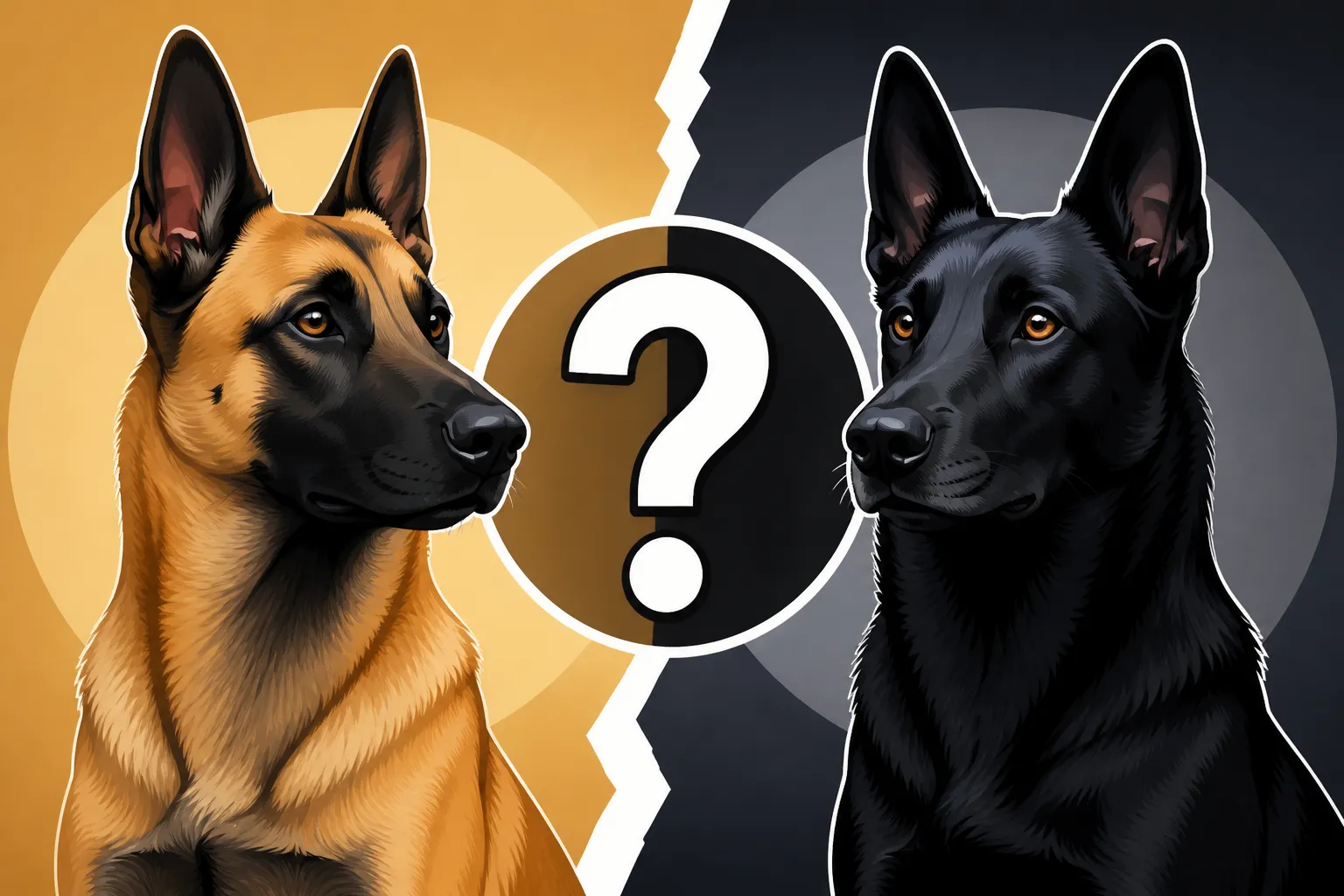
Whether a Black Belgian Malinois Is a Malinois at All
It's a common and completely understandable question, one that pops up surprisingly often when people are first learning about the Belgian Malinois breed: "Can a Malinois actually be solid black?" There's a lot of confusion out there, especially with how many incredible working dogs are black, leading many to wonder if that dark, sleek coat is ever found on a purebred Malinois. This guide will dive deep into the Malinois breed standard, genetics, and the reality of coat colors to clear up this common misconception once and for all.
Understanding the Belgian Malinois Breed Standard
When we talk about whether a certain trait is "allowed" in a breed, we're really looking at the official breed standard. This document, put together by the breed's parent club and recognized by organizations like the American Kennel Club (AKC) or the Fédération Cynologique Internationale (FCI), describes the ideal dog of that breed. It covers everything from temperament and build to, yes, coat color and texture. For the Belgian Malinois, the standard is quite specific, and it's where much of the confusion about black Malinois begins.
The Standard Colors and Markings
The Belgian Malinois standard calls for a very particular range of colors, and it's important to understand these nuances. Typically, a Malinois should be fawn to mahogany, with a black overlay that creates the "charbonnage" effect. Think of it as individual hairs being fawn at the base but tipped with black, giving the coat a shaded appearance. This isn't a solid color; it's a dynamic interplay of light and dark. The most defining characteristic, however, is the very distinct black mask that covers the muzzle and ears. This mask is absolutely critical to the Malinois's appearance and is a hallmark of the breed. Without it, even a fawn dog wouldn't meet the standard.
Small patches of white are sometimes allowed on the chest and between the pads of the feet, but these should be minimal and not distract from the overall color and markings. A true Malinois is never solid black, nor is it blue, liver, or any other unstandardized color. This adherence to color is part of what distinguishes the Malinois from its close cousins, the Groenendael and the Tervuren, which are also Belgian Shepherds but have different coat types and color requirements. It's a precise set of rules that defines the breed's visual identity. You can learn more about this in Fawn to Mahogany and the Black Malinois Mask.
Why Color Matters in the Show Ring
For dogs involved in conformation shows, adhering to the breed standard, including color, is absolutely paramount. Judges are evaluating how closely a dog matches the ideal description outlined in the standard. A dog that is solid black, for example, would be immediately disqualified from the conformation ring, regardless of its excellent temperament or structure. This isn't just an arbitrary aesthetic choice; it's about preserving the distinct visual characteristics that define the Malinois as a separate breed from the other Belgian Shepherds, like the Groenendael, which is solid black.
The breed standard exists to maintain consistency and integrity within the breed. While many pet owners might not care if their dog is "show quality," the standard still dictates what constitutes a purebred Malinois in the eyes of the official registries. Reputable breeders strive to produce dogs that meet these standards, not just in appearance but also in health and temperament, ensuring the longevity and health of the breed. This attention to detail extends to all aspects, even down to things like The Scissors Bite a Malinois Judge Checks For.
The Genetic Realities of Coat Color in Malinois
Understanding dog coat color genetics can feel a bit like a science lesson, but it's crucial for dispelling myths about "black Malinois." Genetics explain why certain colors appear and why others don't, or why some might pop up unexpectedly.
The Recessive Black Gene
In dog genetics, there are several genes that control coat color and patterns. The solid black color is typically controlled by a gene called the K-locus, specifically the dominant K allele (Kb) which produces solid black, and the recessive kbr (brindle) and ky (non-black) alleles. However, for a solid black Malinois, the issue usually boils down to the E-locus, which determines whether the dog expresses red/yellow pigment (phaeomelanin) or black pigment (eumelanin).
A true Malinois has a genotype that allows for fawn to mahogany colors with black overlay and mask. A dog that appears solid black, without any fawn or mahogany hairs, and especially without the characteristic black mask, is not a standard Malinois. While a genetic variation that could produce a solid black dog might theoretically exist somewhere in the broader Belgian Shepherd gene pool, it is not present or recognized within the established Malinois lines or their breed standard. Such a dog would either be a mix, or perhaps a Groenendael mistakenly identified as a Malinois. It's similar to the question of Whether a Long Coated Malinois Is Purebred – the specific coat type (short) and color are what define the Malinois.
Distinguishing a True Malinois from a Mix
Given the prevalence of solid black working dogs like German Shepherds, Dutch Shepherds, and Groenendaels, it's easy to see how a black dog with a similar build might be mistaken for a Malinois, especially by someone not deeply familiar with the breed. Often, what people believe to be a "black Malinois" is actually:
- A Groenendael: These are one of the four Belgian Shepherd varieties, and they are distinctly solid black with a long coat. They share the same underlying structure and temperament as Malinois but differ only in coat length and color. Understanding The Four Belgian Varieties the Malinois Belongs To helps clarify this.
- A Belgian Shepherd mix: Crossing a Malinois with another black-coated breed, such as a German Shepherd or a Labrador, could easily result in black puppies that display some Malinois-like characteristics. These mixes can be fantastic dogs, but they are not purebred Malinois.
- A highly melanistic Malinois: In some cases, a Malinois can have such a heavy black overlay (charbonnage) that it appears very dark, almost black, but if you look closely, you'll still find the fawn hairs underneath and the distinct black mask. Even then, a truly solid black Malinois with no underlying fawn is not standard.
The best way to know if a dog is a purebred Malinois is to look at its pedigree and, if possible, see its parents. Genetic testing can also confirm breed purity for those who are unsure about their dog's lineage. Always ask a breeder for comprehensive records, including a Reading a European Belgian Malinois Pedigree, to ensure authenticity.
Beyond Color: What Defines a Malinois?
While the breed standard dictates physical appearance, anyone who truly knows a Belgian Malinois will tell you that the essence of the breed goes far deeper than coat color. Their intelligence, drive, and intense desire to work are what truly define them.
Temperament and Drive are Paramount
The defining characteristics of a Belgian Malinois are its incredible drive, intelligence, athleticism, and intense loyalty. These dogs are not just pets; they are high-octane working animals that need a job, rigorous training, and consistent mental and physical stimulation. They possess an innate desire to please their handler, coupled with a keen awareness of their surroundings and a strong protective instinct. Whether they are serving in military roles, police K9 units, search and rescue, or competing in demanding sports like IGP or French Ring, their temperament is their most valuable asset.
A Malinois that is fawn with a perfect black mask but lacks drive, courage, or the ability to focus wouldn't be a successful working dog, even if it met every visual standard. Conversely, a dog that has all the mental and physical attributes of a Malinois but happens to have an off-standard coat color might still be an exceptional working partner, though it wouldn't be recognized in conformation events. This strong working aptitude is why The Reputation a Belgian Malinois Carries in Public is so often tied to their capabilities, not just their looks.
Working Lines vs. Conformation Lines
It's also worth noting the distinction between working lines and conformation (or show) lines within many breeds, including the Belgian Malinois. While both types of breeders strive for healthy, well-tempered dogs that align with the breed standard, their primary focus can differ.
- Conformation Lines: These breeders prioritize adherence to the written breed standard in terms of physical appearance and movement, aiming to produce dogs that excel in the show ring. While temperament is still important, it's often viewed through the lens of a well-behaved show dog.
- Working Lines: These breeders primarily focus on producing dogs with exceptional working abilities—drive, nerve, trainability, and resilience. While they still want healthy, sound dogs that look like Malinois, they might be more forgiving of minor cosmetic deviations, such as a slightly less defined mask or a bit more white, if the dog possesses superior working traits. The emphasis is on function over pure aesthetics.
This difference in focus means that sometimes, in working lines, you might encounter dogs that are intensely dark fawn or mahogany with very heavy charbonnage, giving the impression of being almost black. However, a genuinely solid black Malinois, without any fawn undertones or mask, is generally not what you'd find even in the most dedicated working lines, as it strays too far from the recognized breed type. Ultimately, for any Malinois, the true test is whether it can perform the job it was bred for.
| Coat Color Description | Standard Belgian Malinois? | Other Belgian Shepherd Variety? | Common Mix-up? |
|---|---|---|---|
| Fawn to Mahogany with Black Mask | Yes | No (this is the Malinois) | N/A |
| Solid Black, Long Coat | No | Yes (Groenendael) | Black Malinois, GSD |
| Solid Black, Short Coat | No | No | GSD, Dutch Shepherd, Malinois mix |
| Fawn with No Black Mask | No | No | Any fawn mix |
| Blue or Liver | No | No | Various other breeds |
The Practical Implications for Owners
So, if you're out there looking for a Belgian Malinois, what does all this mean for you? It means being informed and prioritizing the right things when choosing a canine partner.
Health and Temperament Over Aesthetics
When seeking a Malinois, whether you're looking for a working partner or a highly active companion, the dog's health and temperament should always come before its exact shade of fawn or the darkness of its overlay. A solid black dog, while visually striking, is not a purebred Malinois according to the standard. If you encounter a breeder advertising "black Malinois," it's a significant red flag that they either misunderstand their own breed or are misleading potential buyers. This can sometimes indicate a breeder who is not prioritizing health or ethical breeding practices.
Instead, focus on finding a puppy or adult dog from parents with excellent health clearances, proven working titles or stable temperaments, and a solid pedigree. These factors will have a far greater impact on your life with the dog than its precise coat color. Think about the intense energy and intelligence these dogs possess; you'll want a dog bred for soundness and mental stability. The Kind of Owner a Belgian Malinois Requires is someone dedicated to meeting their profound needs, not just someone drawn to a specific look. Even if you're feeding a top-notch food from Chewy, proper care starts with a well-bred dog.
Finding a Reputable Breeder
Finding a reputable breeder is crucial for ensuring you bring home a healthy, well-adjusted Belgian Malinois, regardless of color discussions. A good breeder will:
- Be Transparent: They'll be open about their dogs' pedigrees, health testing (hips, elbows, eyes, etc.), and genetic screening like Asking a Breeder for Malinois Ataxia Results. They won't make outlandish claims about "rare" colors.
- Adhere to the Standard: Reputable Malinois breeders will produce dogs that fit the recognized breed standard for appearance, including color. They won't breed for or market non-standard colors.
- Prioritize Temperament and Health: Their breeding choices will reflect a commitment to sound temperament, working ability, and robust health. They'll be able to tell you about the working titles or activities of their dogs and how they screen for mental soundness.
- Offer Support: They should be a lifelong resource for you, willing to answer questions and provide guidance throughout your dog's life.
- Interview You Thoroughly: A good breeder cares deeply where their puppies go and will ask you many questions to ensure a Malinois is the right fit for your lifestyle. They understand that Malinois are not for everyone.
Remember, if a breeder is selling "black Belgian Malinois," they are either selling mixed breeds, Groenendaels under the wrong name, or simply do not understand the breed standard. While a black dog can be a wonderful companion, if you are specifically looking for a purebred Belgian Malinois, that dog will be fawn to mahogany with a distinct black mask. Don't let a "rare color" claim distract you from the true qualities that make the Malinois such an incredible breed, and ensure your new pup, no matter the shade, gets its initial supplies from a trusted retailer like Chewy to start its life right.
Disclaimer
This article is for general informational purposes only and does not constitute professional advice. Laws, prices and regulations vary by location and change over time. Consult a qualified professional for guidance on your specific situation.