Whether a Long Coated Malinois Is Purebred
Many folks diving into the world of Belgian Malinois find themselves a bit puzzled when they come across a dog that looks very much like a Malinois, but has a longer, flowing coat instead of the expected short, tight fur. It's a common misconception, and honestly, a source of confusion for many new owners or even those just admiring the breed from afar. This guide is here to clear up that very specific question: can a long-coated Malinois truly be purebred, and what does that actually mean for its lineage and breed recognition?
The Four Belgian Shepherd Varieties and the Malinois's Place Among Them
When we talk about the Belgian Malinois, it's crucial to understand that it's just one piece of a larger, incredibly diverse, and historically interconnected puzzle: the Belgian Shepherd Dog. Many people don't realize that there are actually four distinct varieties of Belgian Shepherd, all originating from Belgium and sharing a common heritage, but differentiated primarily by their coat type and color. This shared lineage is precisely why coat length can be such a confusing topic for newcomers. Understanding these varieties is the first step in unraveling the mystery of the long-coated Malinois.
Malinois: The Short-Coated, Driven Workhorse
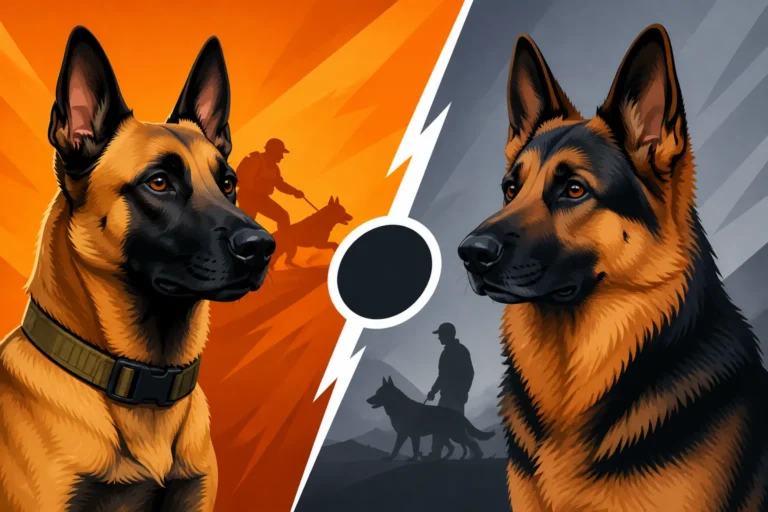
The Belgian Malinois, the variety we all know for its intense drive and short, fawn-to-mahogany coat with a black mask, is the embodiment of utility and athleticism. These dogs were originally bred for herding livestock and quickly became prized for police and military work due to their intelligence, trainability, and tireless energy. Their short, dense coat is practical, easy to maintain, and provides protection without hindering their agility. When you think "Malinois," this is the image that comes to mind: lean, powerful, and ready for action. They are distinct, not just in appearance, but also often in their working intensity, which has been highly selected for over generations, making them one of the most sought-after working breeds globally.
Tervuren: The Long-Coated, Elegant Cousin
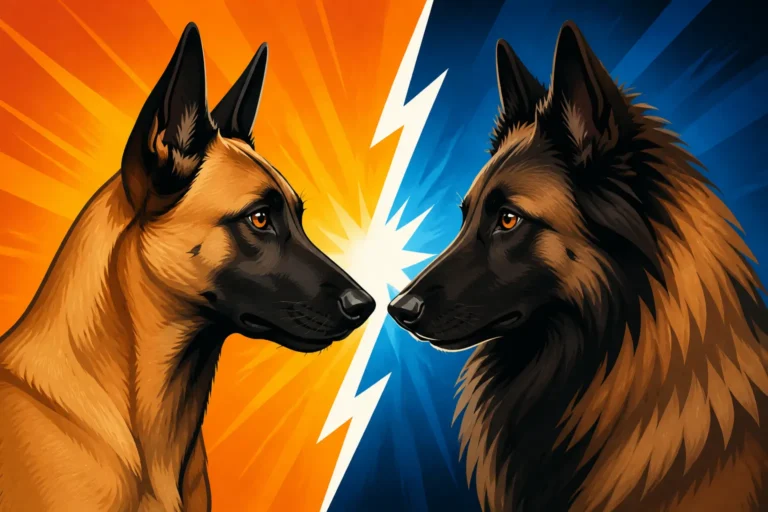
Now, here's where the plot thickens for our long-coated Malinois question. The Belgian Tervuren is, genetically speaking, incredibly close to the Malinois. In fact, for many years and in some parts of the world even now, they were considered the same breed, simply different coat varieties. The Tervuren has a long, rich, double coat, often fawn to mahogany with a distinct black overlay, similar to the Malinois's color palette, and a black mask. They possess the same intelligence and drive as the Malinois but often present with a slightly more elegant and refined appearance due to their flowing fur. If you see a long-coated dog that looks like a Malinois but has a magnificent plume of a tail and extensive feathering, chances are you're looking at a Tervuren. They are absolutely purebred Belgian Shepherds.
Groenendael: The Majestic Black Long-Coat
Alongside the Tervuren is the Belgian Groenendael, often simply called a Belgian Shepherd (especially in countries where the varieties are not split into separate breeds). The Groenendael shares the Tervuren's long, flowing coat, but its defining characteristic is its solid black color. Imagine the elegance of a Tervuren, but in a striking, uniform black from head to tail. These dogs are equally intelligent and versatile, excelling in obedience, agility, and protection work, though their numbers in police and military roles are less common than the Malinois, perhaps due to the practicality of a solid black coat in certain working environments or simply the focus on the Malinois for specific traits. Like the Tervuren, the Groenendael is unequivocally a purebred Belgian Shepherd.
Laekenois: The Wire-Coated, Rugged Rare Gem
Completing the quartet is the Belgian Laekenois, the rarest of the four varieties. The Laekenois stands out with its harsh, wiry, rough coat, typically fawn to red in color with some black tipping, often described as tousled or "unkempt." This coat type was historically advantageous for working in rough terrain and harsh weather, offering excellent protection. While less known than its smooth and long-coated cousins, the Laekenois shares the same core intelligence, athleticism, and protective instincts. They are every bit a purebred Belgian Shepherd, recognized by major kennel clubs, despite their unique appearance.
Here's a quick overview of the Belgian Shepherd varieties and their distinguishing coat characteristics:
| Variety | Coat Length | Coat Texture | Common Colors | Mask Present? |
|---|---|---|---|---|
| Malinois | Short | Smooth | Fawn, Mahogany | Yes |
| Tervuren | Long | Double, Harsh | Fawn, Mahogany | Yes |
| Groenendael | Long | Double, Harsh | Double, Harsh, Thick | Yes |
| Laekenois | Medium | Wiry, Rough | Fawn, Red, Grey | Often |
Understanding the Malinois Breed Standard and Coat Requirements
To understand whether a long-coated Malinois is "purebred," we first need to delve into what a breed standard actually means, particularly regarding coat. Kennel clubs and breed organizations worldwide establish these standards as a blueprint for the ideal dog of a particular breed. They describe everything from temperament and gait to size, color, and, critically for our discussion, coat type. When a dog deviates from this standard, it doesn't necessarily mean it's not purebred; it simply means it doesn't conform to the accepted ideal for that specific variety.
Defining the "Ideal" Malinois Coat
The breed standard for the Belgian Malinois consistently calls for a short, straight coat that is dense and tight-fitting, with a harsh texture. It should have a good undercoat, providing protection against weather, but without giving the appearance of excessive fluffiness. Feathering on the legs and tail is minimal to non-existent. The color typically ranges from fawn to mahogany, always with a distinct black mask and often black tipping on the hairs, giving it an overlay. This specific coat type is a hallmark of the Malinois, distinguishing it visually from the long-coated Tervuren and Groenendael. Any significant deviation, such as a long coat, would be considered a fault according to the Malinois standard and would typically disqualify the dog from conformation showing. This strict definition ensures the preservation of the Malinois's distinct appearance and functionality.
Genetic Nuances and Recessive Genes
Here's where the science steps in and often clarifies things for confused owners. The gene for long hair is recessive in Belgian Shepherds. This means that for a dog to exhibit a long coat, it must inherit two copies of the long-hair gene—one from each parent. If a Malinois carries one copy of the long-hair gene (meaning it's a carrier but phenotypically short-coated) and is bred to another Malinois that also carries one copy, there's a statistical chance (about 25%) that some puppies in the litter will inherit two copies of the long-hair gene and thus have a long coat. These long-coated puppies, despite their appearance, are absolutely 100% purebred Belgian Malinois in terms of their parentage. They simply inherited a recessive gene that is present within the broader Belgian Shepherd gene pool. This is often why breeders will share genetic testing results, sometimes even selling specific puppy foods from brands like Chewy that are formulated for developing puppies based on their expected growth rate, as a long-coat might need different care or might grow at a different pace. How Long the Wait Runs on a Health Tested Malinois Litter is a good read if you're looking into responsible breeding practices.
The Role of Registration and Pedigrees
When considering if a dog is "purebred," the most definitive answer comes from its pedigree and registration with a reputable kennel club. If a long-coated dog has parents that are both registered purebred Belgian Malinois, and its lineage can be traced back through certified pedigrees, then that dog is a purebred Belgian Malinois. The fact that it has a long coat simply means it doesn't conform to the physical standard for the Malinois variety. Some kennel clubs, like the American Kennel Club (AKC), recognize all four varieties as distinct breeds, while others, like the Fédération Cynologique Internationale (FCI), group them as varieties of a single breed (the Belgian Shepherd Dog). In the latter case, a long-coated pup from two short-coated Malinois parents might be registered as a Tervuren, acknowledging its coat type, even though its parents were Malinois. This bureaucratic distinction highlights the genetic closeness and often causes the most confusion for people trying to understand the paperwork.
Why a Long-Coated Malinois Might Appear and What It Means
So, now we know it's possible for a genuinely purebred Malinois to have a long coat. This isn't some strange anomaly or a sign of a mixed breed; it's a well-understood genetic phenomenon rooted in the shared ancestry of the Belgian Shepherd varieties. Understanding the mechanisms behind this appearance helps to clarify what it means for the individual dog and for potential owners.
Unexpected Recessive Genes in Breeding
The most common reason a long-coated Malinois appears is the presence of the recessive long-hair gene in both parents, even if both parents are short-coated themselves. These parents are "carriers" of the long-hair gene. They don't express it, but they can pass it on. When two carriers are bred, approximately 25% of their offspring will inherit two copies of the gene and display a long coat. Another 50% will be carriers themselves (short-coated), and 25% will be clear (short-coated and not carrying the gene). Responsible breeders will often DNA test their breeding stock for various genetic traits, including coat length, to understand what their pairings might produce. This allows them to make informed decisions about matings and also to properly explain the genetic heritage of their puppies to prospective buyers. Finding a breeder who openly discusses these genetics is key. You might also want to look into Asking a Breeder for Malinois Ataxia Results as part of your due diligence when selecting a puppy.
Out-of-Standard Pups in Otherwise Purebred Litters
These long-coated pups are often called "long-coat Malinois" or sometimes "fluffy Malinois." They come from litters where all other siblings might be perfectly standard short-coated Malinois. While they are genetically purebred, they are considered "out of standard" for the Malinois variety. This means they cannot be shown in conformation events as a Malinois because their coat doesn't meet the breed's visual requirements. For families seeking a companion or a dog for non-conformation sports like obedience, agility, or scent work, these dogs can be absolutely wonderful. They possess the same temperament, intelligence, and drive as their short-coated siblings. The primary difference is simply their fur. When purchasing supplies like a good durable leash or a sturdy food bowl from retailers like Chewy, remember that these pups will need the same quality of equipment as any other Malinois. Their basic needs for exercise and mental stimulation remain identical to their short-coated counterparts.
The Difference Between "Purebred" and "Breed Standard"
It’s crucial to distinguish between "purebred" and "breed standard."
- Purebred refers to a dog whose ancestry consists of only one breed, verifiable through a pedigree. If both parents are registered purebred Belgian Malinois, their long-coated offspring is purebred.
- Breed Standard refers to the physical and temperamental description that an ideal specimen of the breed should meet for showing and breeding purposes. A long-coated Malinois is purebred but does not meet the breed standard for the Malinois variety, specifically in its coat length.
This distinction is important because while a long-coated Malinois might not be suitable for the conformation ring, it can still be an exceptional dog for other pursuits. They might need a bit more grooming, especially during seasonal sheds, which can be significant, so investing in good brushes and de-shedding tools is a smart move. How Much a Malinois's Short Coat Actually Sheds surprisingly can be a lot, so imagine that with a long coat! You'll want to be prepared for regular brushing, perhaps even daily during shedding season, to keep their coat healthy and minimize loose fur around your home.
Distinguishing a Long-Coated Malinois from Other Breeds or Mixes
Given the visual similarities between a long-coated Malinois and a Tervuren, or even certain mixes, it's easy for confusion to arise. For someone not intimately familiar with the nuances of Belgian Shepherds, identifying a long-coated dog as definitively one or the other can be challenging. Beyond the coat, however, there are other characteristics that define the Malinois.
Physical Traits Beyond Coat Length
While coat is the most obvious difference, keen observers can pick up on subtle distinctions. Tervurens, while sharing much with Malinois, are sometimes bred with an emphasis on a slightly more refined or elegant head, or a less extreme working drive compared to some of the most intense Malinois lines. However, these are generalizations, and there's significant overlap. Body structure—the square, athletic build, deep chest, and strong topline—should be consistent across both long-coated Malinois and Tervurens with their short-coated Malinois siblings. Head shape, ear set, eye color and expression, and bone structure generally remain the same. The key is to look at the overall picture, not just the coat. A long-coated purebred Malinois will still possess all the other physical characteristics of the Malinois, just with a longer jacket. This means the powerful musculature, alert stance, and intelligent gaze should still be present.
Behavioral Hallmarks of a True Malinois
Beyond physical appearance, the Belgian Malinois is renowned for its intense temperament and working drive. A long-coated purebred Malinois will share these core behavioral traits. We're talking about that unwavering focus, the high energy levels, the intelligence, and the often intense prey drive that defines the breed. They thrive on having a job and consistent training. If you encounter a long-coated dog that is extremely calm, lacks drive, or shows significant divergence in temperament from what is expected of a Malinois, it might be more indicative of a Tervuren from a less intense line, or perhaps even a mix. However, it's important to remember that individual differences exist, and even within the Malinois, some dogs will have higher or lower drives than others. But the fundamental Malinois "essence" should still be there. For example, if you're working on Building Engagement With a Belgian Malinois, a long-coat will still respond to the same focused training methods, proving their underlying Malinois character.
When to Suspect a Mix or Another Variety
If you encounter a long-coated dog that is presented as a "Malinois" but lacks a verifiable pedigree, or if it deviates significantly in other physical or temperamental ways, it's reasonable to suspect it might be a Tervuren or a mix. Unfortunately, with the increased popularity of Malinois, there are unscrupulous breeders who might misrepresent dogs or produce accidental crosses. If a dog has a long coat but also features like drop ears, different body proportions, or an unusual color that isn't black or fawn/red, then it's highly likely to be a mix. Always ask for pedigree papers and health clearances from the parents if you are seeking a purebred dog, regardless of coat length. DNA testing for breed identification is also widely available now and can confirm breed makeup if you have a rescue or an unknown lineage. Even if it's a mix, a dog still needs proper nutrition, and reputable brands on Chewy offer a wide range of dog foods for all dietary needs, whether your pup is a purebred working dog or a beloved mixed companion. The Forty to Sixty Pounds a Female Malinois Carries and The Sixty to Eighty Pounds a Male Malinois Carries are good benchmarks for healthy Malinois weight, regardless of coat, so pay attention to their overall body condition.
In conclusion, a long-coated Malinois is indeed purebred if both of its parents are registered purebred Belgian Malinois. It simply carries and expresses the recessive long-hair gene present within the larger Belgian Shepherd gene pool, making it "out of standard" for the Malinois variety's coat requirements, but no less a purebred dog. It's often essentially a Tervuren in all but name and parental registration, highlighting the incredibly close genetic ties between the Belgian Shepherd varieties. These dogs can be fantastic companions and working dogs, just be prepared for a bit more grooming! You might also find it useful to learn about What a Malinois Crossed With a Tervuren Produces to further understand these genetic relationships.
Disclaimer
This article is for general informational purposes only and does not constitute professional advice. Laws, prices and regulations vary by location and change over time. Consult a qualified professional for guidance on your specific situation.