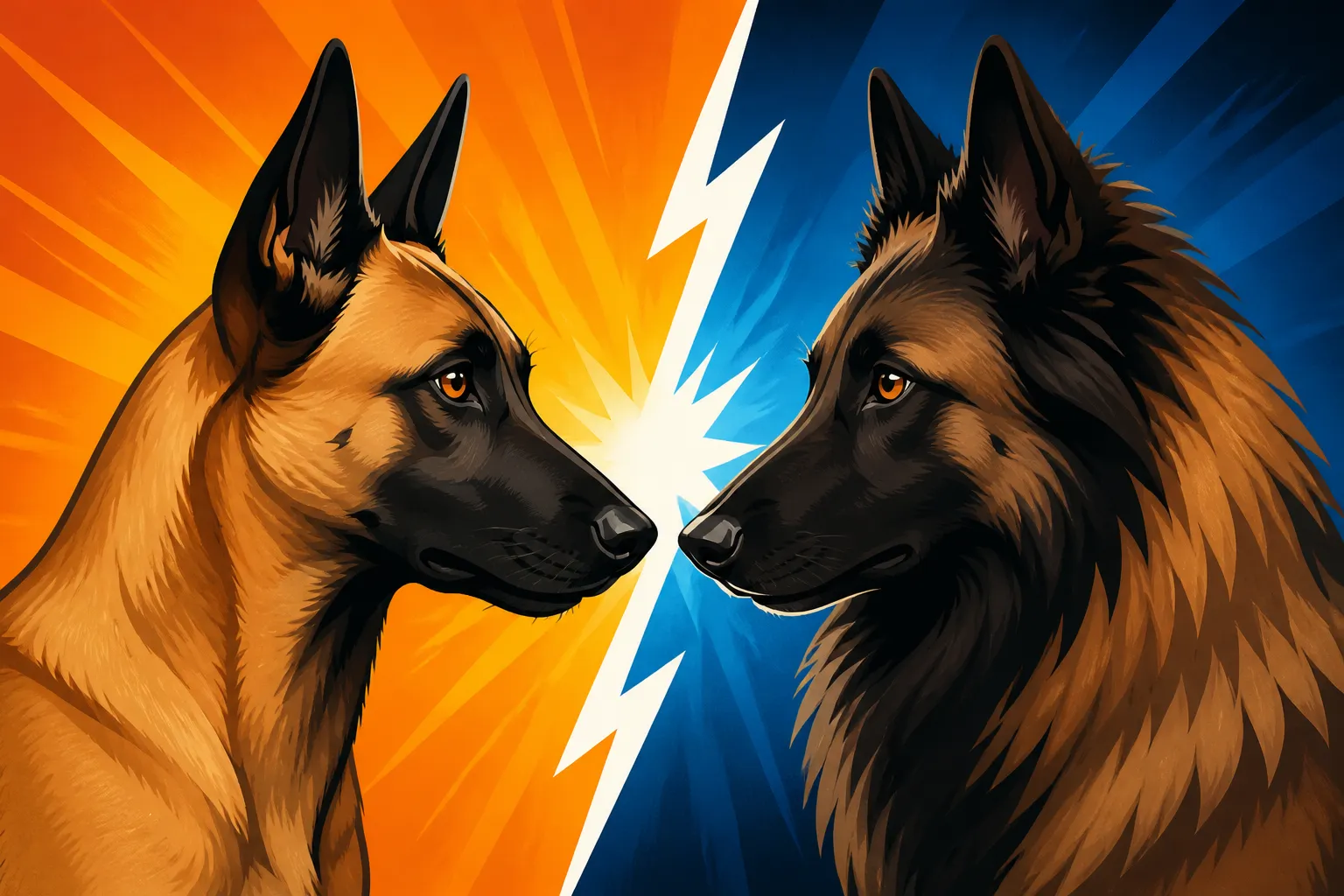
The Malinois Against the Tervuren
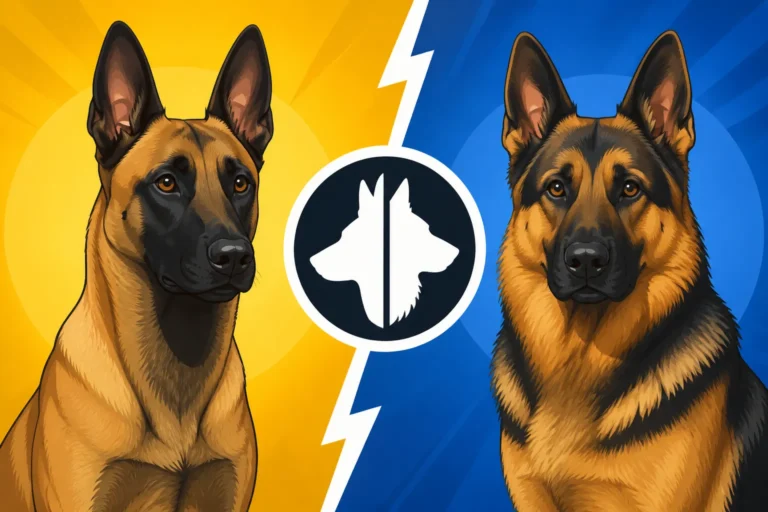
It's incredibly easy to look at a picture of a Belgian Malinois and a Belgian Tervuren and think, "Aren't those essentially the same dog, just with different hair lengths?" For many, especially those new to the world of high-drive working breeds, the distinctions can feel subtle, almost academic. But let me tell you, while they share a common lineage and many fantastic traits, understanding the nuances between them is absolutely critical if you're considering bringing one of these magnificent dogs into your life. This guide will walk you through their shared history, highlight their key differences in appearance, temperament, and needs, and help you determine which of these amazing Belgian Shepherds might be the right fit for your home and lifestyle.
The Shared Ancestry of the Belgian Shepherds
To truly understand the Malinois and the Tervuren, we have to go back to their roots, to a time before distinct breeds were codified, when function dictated form. These weren't always separate entities; they were all part of a larger, incredibly versatile group of working farm dogs from Belgium.
From Livestock Guardians to Distinct Varieties
Imagine the late 19th century Belgian countryside: diverse local sheepdogs, known for their intelligence, vigilance, and tireless work ethic, were essential to rural life. These dogs guarded flocks, drove livestock, and protected homes. They weren't bred for a specific look so much as for their working ability. Breeders and fanciers eventually began to consolidate these types, driven by a desire to preserve and standardize these valuable native dogs. Early on, they were all considered variations of the same "Belgian Shepherd Dog" but categorized based on their coat type and color. The Malinois emerged as the short-coated, fawn-to-mahogany variety, while the Tervuren was recognized by its long coat and similar coloring. This initial grouping under one umbrella speaks volumes about their shared genetic foundation and inherent working drive. They were literally siblings, separated only by the genetic lottery of their outer wear.
The 1959 Separation and Modern Recognition
For many years, despite their differing coats, these dogs often shared the same gene pool, with litters sometimes producing puppies of various coat types. However, as dog fancy evolved and kennel clubs sought clearer distinctions, a more formal separation occurred. The 1959 decision by the American Kennel Club (AKC) to recognize the Malinois as a distinct breed, separate from the other Belgian Shepherds (the Tervuren and the Groenendael, with the Laekenois joining later), marked a significant divergence. The 1959 Split That Made the Malinois Its Own Breed was a pivotal moment. This meant that while they still carried a whisper of their shared past, future breeding programs often focused on solidifying the unique characteristics of each, leading to subtle shifts in lines and priorities. Today, they are judged as separate breeds in most major kennel clubs, each with its own standard, even if a non-expert might still confuse them at first glance.
Physical Appearance: Beyond Just Coat Length
While the most obvious difference between a Malinois and a Tervuren is their coat, there are other subtle distinctions in their overall look and presentation that contribute to their unique appeal. It's like comparing two siblings: they share family traits, but each has their own distinct style.
Coat Types and Colors
The Malinois is defined by its short, straight, harsh outer coat with a dense undercoat, giving it a sleek, powerful silhouette. The colors typically range from rich fawn to mahogany, always with a striking black mask and often black tipping on the ears and tail. This short coat is incredibly practical for working dogs, as it's relatively easy to maintain and sheds dirt and debris with minimal fuss.
In contrast, the Tervuren boasts a long, straight, and abundant double coat, with a dense undercoat providing insulation. The hair is noticeably longer around the neck (forming a 'ruff'), on the backs of the legs (feathers), and on the tail. Their coloring is typically a rich fawn to mahogany with a distinct black overlay, often called 'sable,' which gives them a beautiful, shaded appearance, also accompanied by that characteristic black mask. This longer coat is undeniably gorgeous but, as any Tervuren owner will tell you, it comes with a significantly higher grooming commitment. Regular brushing, often daily during shedding season, is essential to prevent mats and keep their coat looking its best. You'll want a good slicker brush and undercoat rake, which you can easily find on Chewy.
Build and Structure
Both breeds share the classic Belgian Shepherd physique: powerful, agile, and well-muscled without being bulky. They are built for endurance and athleticism. However, within the working dog community, Malinois are often selectively bred for extreme performance in demanding sports like IGP, Ring sport, and police work. This sometimes translates into a slightly more compact, powerful, and driven appearance, almost coiled and ready to spring. The Height Limits a Belgian Malinois Is Judged Against are very specific for both, and they generally fall into the same ranges, but the overall impression can differ. Tervurens, while equally athletic and capable, are perhaps more frequently seen in conformation rings, where a slightly more elegant or refined outline might be preferred, though this is a generalization and excellent working Tervurens are absolutely out there. Both breeds should exhibit a square, balanced outline, showcasing their heritage as agile herding dogs.
Size and Weight
When it comes to size, the Malinois and Tervuren are very much on par. Males typically stand between 24 and 26 inches at the shoulder, while females are usually 22 to 24 inches. Their weights usually fall within 55-75 pounds for males and 40-60 pounds for females. These are not massive dogs, which contributes to their agility and speed. They are lean, athletic animals, with little excess bulk. While there might be individual variations, you won't typically find one breed significantly larger or smaller than the other. Any perceived difference is often more about coat volume or the muscular definition honed by specific training regimens rather than fundamental skeletal size.
Temperament and Drive: What Lies Beneath the Fur
This is where the rubber truly meets the road, and where prospective owners need to pay the most attention. While both breeds are undeniably high-drive, intelligent, and intense, the flavor of that intensity can be quite different.
Energy and Intensity Levels
Let's be clear: neither the Malinois nor the Tervuren is a couch potato. They both possess an extraordinary amount of energy and a relentless desire to work. Two Hours and a Job a Belgian Malinois Demands Daily is not an exaggeration for either breed, and many thrive on even more. However, the Malinois has gained a reputation for its often unparalleled intensity and sheer drive. They are often described as "Mals to the walls," meaning their energy can feel boundless and their focus almost obsessive. This extreme drive is precisely why they excel in elite working roles such as police, military, and protection sports, where unwavering focus and relentless pursuit are paramount.
Tervurens are equally intelligent and energetic, but their intensity might manifest differently. While they can and do excel in the same high-level sports, some might describe their drive as slightly more refined or "fancier." They are often highly engaged with their handlers, eager to please, and thrive on mental and physical challenges. They might be a fraction less "on" all the time compared to some of the most extreme working Malinois lines, making them potentially more adaptable to a performance-sport-oriented pet home that isn't focused on hardcore protection work.
Prey Drive and Focus
Both breeds possess a strong prey drive, which is a fundamental component of their herding and protection instincts. This means they are naturally inclined to chase, catch, and retrieve, making them phenomenal partners for activities like fetch, lure coursing, and bite sports. For a Malinois, this prey drive is often incredibly pronounced and is actively channeled and shaped in their training. They can exhibit an almost hypnotic focus on a moving object or a decoy's sleeve, filtering out all other distractions. Channeling a Belgian Malinois's Prey Drive Into a Tug is a cornerstone of their training.
The Tervuren also has a robust prey drive, but perhaps, in some lines, it's combined with a slightly more pronounced sensitivity to their environment. They are still incredibly focused, but might require a touch more finesse in handling during high-drive moments. Both breeds need owners who understand how to appropriately harness and direct this powerful instinct, turning it into a productive outlet rather than a source of chaos. Without proper direction, that prey drive can easily turn into chasing squirrels, cars, or even small children, which is why early and consistent training is so vital.
Sensitivity and Handler Connection
Belgian Shepherds, as a group, are known for forming incredibly strong bonds with their primary handlers. They are not dogs that do well with emotional distance or neglect. They want to be with their people, working or simply observing. The Malinois is renowned for its intense handler focus, often described as a "velcro dog," always attuned to its person's next move. They thrive on clear communication and consistent expectations.
Some Tervuren lines are said to be a bit more sensitive to corrections or changes in routine. This doesn't mean they're fragile, but they might internalize stress more readily or require a softer touch in training, responding best to positive reinforcement and clear, fair guidance. Both breeds can be quite protective of their families and homes, a natural extension of their guardian instincts. This means A Belgian Malinois in a House With Kids and Dogs needs careful management, boundaries, and ongoing socialization to ensure they are confident and appropriate in all situations, understanding who is family and who is not a threat.
Training and Lifestyle Requirements
Bringing either a Malinois or a Tervuren into your home is not a casual undertaking. These are not "set it and forget it" dogs. They demand a significant investment of time, energy, and expertise.
Early Socialization and Puppyhood Challenges
No matter if you choose a Malinois or a Tervuren, early and extensive socialization is non-negotiable. From the moment they come home, puppies need to be exposed to a wide variety of sights, sounds, people, and safe environments. This isn't just a few trips to the dog park; it's a deliberate, thoughtful process of positive exposure to prevent fear and reactivity later in life. Both breeds, with their high alert levels and protective instincts, can become overly suspicious or reactive if not properly socialized.
Furthermore, Malinois puppies, in particular, are infamous for what's often called The Shark Phase Every Malinois Puppy Goes Through. They are incredibly mouthy, prone to nipping and biting everything – hands, clothes, furniture. This isn't aggression, but rather an intense way of exploring their world and demanding attention. Tervuren puppies can also be quite mouthy, though perhaps with slightly less extreme intensity. Redirecting this behavior onto appropriate chew toys (many durable options available on Chewy!) and teaching bite inhibition is paramount for both.
Daily Exercise and Mental Stimulation
This is the hill I will die on for either of these breeds: they need a job. Physical exercise is only half the battle. Why Walks Alone Do Nothing for a Belgian Malinois rings true for Tervurens as well. A simple stroll around the block or even a romp in the backyard will not cut it. These dogs require structured, engaging activities that challenge both their bodies and their brilliant minds.
Consider activities like:
- Agility: Both excel at navigating obstacle courses, which demands speed, coordination, and problem-solving.
- Obedience/Rally: Advanced obedience work gives them a framework for learning and collaboration.
- Scent Work/Nose Work: Tapping into their natural scenting abilities is incredibly fulfilling and mentally tiring.
- Herding: For those with access, allowing them to engage their innate herding instincts can be profoundly satisfying.
- Bite Sports (IGP, Ring Sport): For Malinois especially, but also suitable for some Tervurens, these sports provide an intense physical and mental outlet for their drives. What Bite Sport Actually Asks of a Belgian Malinois is a major commitment.
Without adequate mental and physical outlets, these intelligent and driven dogs will invent their own jobs – and trust me, you won't like their choices. This often manifests as destructive chewing, excessive barking, obsessive behaviors, or anxiety.
Grooming Needs
Here's a significant practical difference in daily life. Owning a Malinois means relatively low-maintenance grooming. Their short, dense coat sheds, especially seasonally, but a quick brush a few times a week is usually sufficient to manage it. Bathe as needed, and keep nails trimmed. Living with How Much a Malinois's Short Coat Actually Sheds is manageable for most.
The Tervuren, on the other hand, is a serious grooming commitment. Their long, flowing double coat needs regular attention, typically several times a week, and often daily during heavy shedding seasons (which can be quite epic!). Without consistent brushing, their undercoat can mat, leading to skin issues and discomfort. You'll need a variety of tools: slicker brushes, undercoat rakes, and possibly de-shedding tools. Regular grooming also helps manage the amount of hair you'll find throughout your home and on your clothes. If you're not prepared for this level of upkeep, the Tervuren's beautiful coat can quickly become a burden.
Health and Lifespan Considerations
When investing in a high-performance breed like the Belgian Malinois or Tervuren, understanding their potential health concerns is crucial. Responsible breeders will prioritize health clearances, but it's important for owners to be aware of breed-specific predispositions.
Common Genetic Health Concerns
Both the Malinois and Tervuren, being closely related, share many of the same genetic health predispositions common in larger, active breeds.
- Hip and Elbow Dysplasia: This is a concern across many large breeds. Reputable breeders screen their breeding stock to reduce the incidence. Understanding The Hip and Elbow Numbers Behind a Malinois Clearance is vital when selecting a puppy.
- Eye Diseases: Conditions like Progressive Retinal Atrophy (PRA) or cataracts can affect sight. Annual eye certifications through organizations are recommended. It's important to understand The Eye Diseases Behind a Malinois Eye Certificate and ask breeders for up-to-date clearances.
- Epilepsy: Idiopathic epilepsy, a seizure disorder, can occur in both breeds. This can be a challenging condition to manage, often requiring lifelong medication. The Seizure Disorder Running in Malinois Lines is something prospective owners should be aware of and discuss with breeders.
- Thyroid Issues: Hypothyroidism is sometimes seen, leading to lethargy, weight gain, and coat changes.
- Cancer: While not genetic in the same way as some other conditions, certain cancers can affect these breeds, as they do most dogs.
Responsible breeders will conduct extensive health testing on their breeding dogs for these conditions. Always ask to see proof of health clearances for parents.
Lifespan Expectations
Both the Malinois and the Tervuren generally enjoy a relatively long lifespan for dogs of their size, typically living between 12 and 14 years, with many living even longer. The Fourteen to Sixteen Years a Belgian Malinois Lives is a realistic expectation with good care. Their athletic build and generally robust health contribute to this longevity. A healthy diet, appropriate exercise, and regular veterinary care are all key factors in helping them live a full, active life. As they age, keeping them mentally engaged and physically comfortable becomes even more important.
The Importance of Responsible Breeding
I cannot stress this enough: whether you choose a Malinois or a Tervuren, seeking out a responsible, ethical breeder is paramount. A good breeder will:
- Perform all recommended health clearances on their breeding stock.
- Be transparent about their dogs' health history and temperament.
- Be knowledgeable about the breed and honest about its challenges.
- Be willing to answer all your questions, even the difficult ones.
- Provide a written contract and health guarantee.
- Be a lifelong resource for you and your dog.
Avoid breeders who don't perform health testing, breed solely for profit, or seem unconcerned about where their puppies go. The foundation laid by responsible breeding sets your dog up for the best possible start in life.
Deciding Between a Malinois and a Tervuren
So, you've absorbed the information, weighed the pros and cons, and you're still drawn to one of these amazing Belgian Shepherds. Now comes the hard part: honest self-assessment.
Assessing Your Lifestyle and Experience
This is perhaps the most critical step. Be brutally honest with yourself about your experience with high-drive dogs. Why a Belgian Malinois Is the Wrong First Dog is a common refrain, and it applies almost equally to a Tervuren. These are not breeds for novice owners, or for those looking for a casual companion.
Ask yourself:
- Time Commitment: Do you truly have hours every single day to dedicate to training, exercise, and mental stimulation? Not just a walk, but work?
- Training Philosophy: Are you prepared for consistent, positive, and firm training throughout their lives? These dogs are smart and will test boundaries.
- Patience and Resilience: Can you handle a dog that will push your buttons, outthink you, and demand constant engagement without losing your cool or giving up?
- Financial Resources: Beyond the initial cost, can you afford quality food, specialized training, and potentially higher vet bills for an active dog? What a Year With a Working Belgian Malinois Costs can be substantial.
If you're already experienced with working breeds, active in dog sports, or committed to immersing yourself in their world, either breed could be a fantastic match. If you're new to this level of dog ownership, it's vital to have a strong support system, including a knowledgeable mentor or trainer, before you even consider it.
What Kind of "Job" Suits Your Home
Both breeds thrive when they have a purpose. Consider what kind of "job" you envision for your future canine companion.
If your aspirations include:
- High-level competitive protection sports (IGP, Ring Sport).
- Search and Rescue or detection work.
- Police or military K9 duties.
- A dog with almost limitless drive and an uncompromising work ethic.
Then a Belgian Malinois might be your ideal partner. Their reputation as the ultimate working dog is well-earned.
If your aspirations lean towards:
- Competitive agility, obedience, or rally.
- Herding trials.
- Scent work or advanced trick training.
- A highly engaged, intelligent, and elegant companion for an active lifestyle, perhaps with a slightly softer edge than the most extreme Malinois lines.
- You appreciate a stunning, long coat and are prepared for the grooming.
Then a Belgian Tervuren could be a wonderful choice. They are equally capable and brilliant, but often shine in roles that blend intense activity with a touch more artistry and grace.
Ultimately, the choice comes down to personal preference, honest self-assessment, and a deep understanding of what each breed truly needs to thrive.
The Commitment to Grooming: A Practical Deal-Breaker
This might seem minor, but for many, the grooming requirement is a significant factor. If the thought of daily brushing, especially during seasonal shedding, and dealing with a long-haired dog in all weather conditions, fills you with dread, then the Malinois is the practical choice. Their short coat is truly wash-and-wear compared to the Tervuren's voluminous mane.
If, however, you find satisfaction in the ritual of grooming, enjoy the beauty of a long-coated dog, and are prepared to dedicate the time to keep them pristine, then the Tervuren's magnificent coat becomes an asset, not a burden. Make sure to stock up on grooming supplies from a trusted retailer like Chewy to ensure you always have what you need.
To help visualize the differences, here's a quick comparison:
| Feature | Belgian Malinois | Belgian Tervuren |
|---|---|---|
| Coat Type | Short, straight, harsh outer coat | Long, straight, abundant double coat |
| Coat Color | Fawn to mahogany with black mask and tipping | Fawn to mahogany with black overlay (sable), black mask |
| Grooming Needs | Low-moderate; regular brushing during shedding | High; frequent, often daily, brushing to prevent mats |
| Energy Level | Extremely high, often relentless | Very high, intense but sometimes with a slightly softer edge |
| Primary Roles | Police, military, protection sports (IGP, Ring) | Agility, obedience, rally, herding, active companion |
| Temperament | Intense, highly driven, handler-focused | Intelligent, driven, sensitive, handler-focused |
| Size/Weight | Similar ranges; lean, athletic build | Similar ranges; lean, athletic build |
| Lifespan | 12-14 years, often longer | 12-14 years, often longer |
Choosing between these two incredible breeds isn't about one being "better" than the other; it's about finding the right fit for you. Both offer immense loyalty, intelligence, and an unparalleled partnership for those willing to meet their demanding needs.
Disclaimer
This article is for general informational purposes only and does not constitute professional advice. Laws, prices and regulations vary by location and change over time. Consult a qualified professional for guidance on your specific situation.