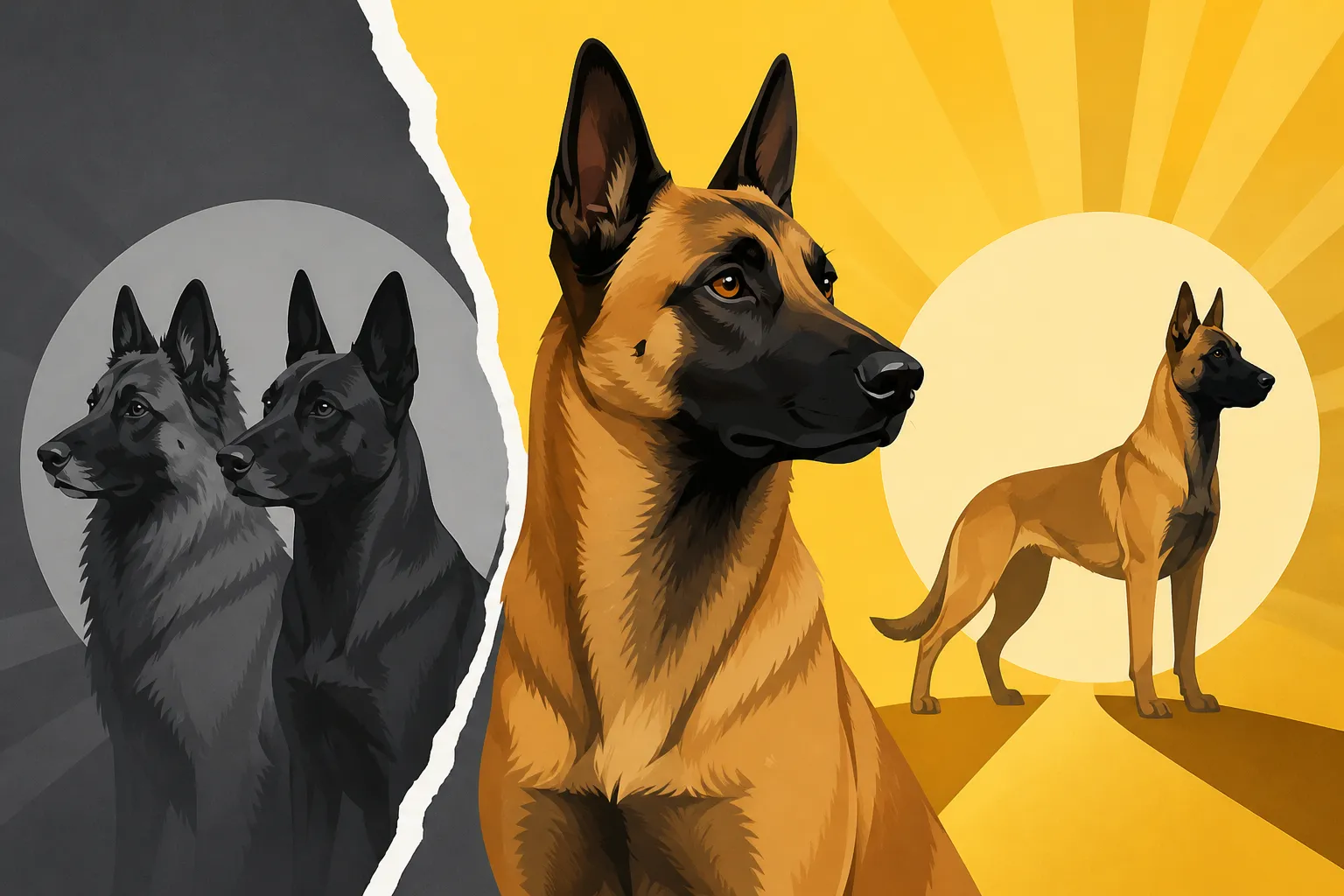
The 1959 Split That Made the Malinois Its Own Breed
Many new Belgian Malinois owners, or those simply admiring the breed from afar, might assume this highly specialized working dog has always been its own distinct entity. However, the truth is a bit more complex, and understanding its history reveals a fascinating journey from a collective 'Belgian Shepherd' to the unique breed we know today. This guide will explore the significant 1959 split that formally recognized the Malinois as a separate breed, shedding light on the historical context, the reasons behind the decision, and its lasting impact on the breed's development and identity.
A Look Back at the Belgian Shepherd Dog Family
Before 1959, the waters were considerably muddier when it came to distinguishing the various Belgian Shepherd breeds. For many years, these dogs were seen as a single breed type, differentiated primarily by their coat and color, rather than as entirely separate entities with their own distinct genetic lines and breed standards. This shared heritage is crucial to understanding why the split was such a pivotal moment.
The Four Varieties and Their Shared Roots
Originally, the Belgian Shepherd Dog encompassed four distinct varieties: the Groenendael (long-haired black), the Tervuren (long-haired fawn/mahogany with black overlay), the Laekenois (rough-haired fawn), and our beloved Malinois (short-haired fawn/mahogany with black mask). They all originated in Belgium, primarily in the late 19th century, as versatile farm dogs. Their purpose was clear: to herd sheep, guard livestock, and protect property. They were hardy, intelligent, and fiercely loyal, traits that still define them today. The breed club in Belgium, the Club du Chien de Berger Belge, was instrumental in gathering these dogs and establishing the first breed standards in the 1890s. They were, in essence, different expressions of the same fundamental working dog, developed in different regions of Belgium. If you're curious, you can learn more about The Four Belgian Varieties the Malinois Belongs To.
The idea wasn't to create four separate breeds from the outset, but rather to standardize the various working dogs found across Belgium. Breeders and fanciers alike worked to preserve the excellent working qualities inherent in these dogs, recognizing their immense value to farmers and shepherds. They shared a common skeletal structure, temperament, and drive, with coat variations being the most apparent difference. This shared foundation meant that, for a long time, cross-breeding between these varieties was not uncommon, especially in the early days of establishing distinct lines. The focus was always on utility and working ability, with appearance taking a secondary role to function.
Early Breed Standardization Efforts
The late 19th century saw a surge in organized dog breeding and showing across Europe, and Belgium was no exception. Professor Adolphe Reul, a veterinary professor at the Cureghem Veterinary School, played a significant role in identifying and categorizing the native Belgian shepherd dogs. His efforts, alongside those of the Club du Chien de Berger Belge, led to the first breed standards being established. These early standards were quite flexible, often allowing for variations in coat length and color within what was then considered a single "Belgian Shepherd Dog" breed. The emphasis was on utility, structure, and temperament, suitable for their demanding roles.
These initial standardization efforts were more about defining a general type rather than strict, separate breeds. Imagine a farmer needing a robust, intelligent dog to work his flock; he cared less about the precise length of its hair than its ability to perform its duties. This pragmatic approach meant that the lines between the varieties were often blurred in practice, even as fanciers tried to bring order to the burgeoning dog world. The idea of separate breeding programs, distinct registries, and unique show rings for each variety was still a distant concept for many. It was a slow evolution from a generalized working dog to the distinct breeds we recognize today, marked by ongoing debates and evolving understandings of canine genetics and aesthetics.
The Road to Separation: Early Distinctions and Debates
While the Belgian Shepherd varieties shared a common ancestry and purpose, subtle differences began to emerge and solidify over time. These distinctions, initially informal, slowly gained traction and became the focal point of discussions that would eventually lead to their formal separation.
Coat Type as the Primary Identifier
From the very beginning, coat type was the most obvious and consistent way people differentiated the Belgian Shepherds. The Malinois had its short, crisp coat; the Groenendael and Tervuren, their long, flowing double coats; and the Laekenois, its unique rough, wiry texture. While modern genetics confirm they are indeed very closely related, the visual distinction provided by the coat became a powerful argument for separate recognition. It wasn't just about aesthetics; coat type could also subtly influence the dog's suitability for certain environments or working conditions, although this was a less explicit factor in the push for separation.
The debates within kennel clubs and among breeders often revolved around whether these coat types represented merely "varieties" of a single breed or truly warranted "breed" status. In Europe, especially in their native Belgium, the varieties were often considered part of one breed, with inter-variety breeding sometimes permitted under specific circumstances. This approach acknowledged their shared genetic heritage while still recognizing the distinct appearances. However, as dog fancy grew internationally, particularly in North America, a different philosophy began to take hold, one that favored more rigid distinctions between breeds. This divergence in philosophy was a significant driver toward the eventual split in the United States.
Diverging Working Roles and Preferences
Beyond coat type, there were also subtle, though not always universally acknowledged, preferences for certain varieties in specific working roles. The Malinois, with its shorter coat, was often favored for more rigorous, close-quarter work where a long coat might collect burrs, mud, or overheat in intense activity. Its agility, speed, and intense drive made it an excellent candidate for protection work and police duties, even in the early 20th century. Meanwhile, the longer-coated Tervuren and Groenendael might have been perceived as slightly more aesthetically pleasing in the show ring, though they too retained strong working abilities. The Laekenois, with its rough coat, was traditionally associated with guarding flax fields, a specialized role that suited its protective nature.
These preferences, while not absolute rules, contributed to a gradual specialization within each variety. Breeders, consciously or unconsciously, began to select for traits that excelled in their preferred niche, whether it was the intense focus of a working Malinois or the elegant appearance of a show-line Groenendael. This wasn't a sudden shift, but a slow, organic process of refinement that reinforced the distinct identities of each variety. Understanding The Herding Job the Belgian Malinois Was Built For helps to appreciate the foundational drive shared across all these varieties, even as their paths diverged in specific working applications.
The American Kennel Club's Perspective and the 1959 Decision
The journey for the Belgian Malinois to gain independent recognition in the United States, specifically by the American Kennel Club (AKC), was a drawn-out process filled with evolving standards and passionate advocacy from breed enthusiasts. The 1959 decision marked a definitive turning point.
The Initial "Belgian Sheepdog" Umbrella
When Belgian Shepherds first arrived in the United States in significant numbers, particularly after World War I, the AKC initially recognized them all under a single umbrella breed name: the "Belgian Sheepdog." This mirrored, to some extent, the European perspective of them being varieties of a single breed. However, within this single breed, the different coat types were still noted and often shown in separate classes. The Groenendael, with its striking black coat, was the most common and often the most recognized of these varieties by the American public. This single designation meant that breeding strategies and judging criteria often had to accommodate a wide range of appearances, which sometimes led to confusion and inconsistency.
This "one breed, multiple varieties" approach presented challenges for breeders who wished to specialize and preserve the unique characteristics of each type. It made it difficult to develop distinct breeding programs that focused on the specific traits and health concerns of, say, a short-haired Malinois versus a long-haired Tervuren. Enthusiasts for each variety felt their specific type was being diluted or overshadowed. The lack of clear separation also made it harder for the public to understand the nuances between the dogs, often leading to all Belgian Shepherds being generically lumped together, sometimes even mistakenly identified as German Shepherds due to superficial similarities.
Advocacy for Distinct Breed Status
As the population of Belgian Shepherds grew in the U.S. and breed clubs formed, the desire for independent recognition for each variety intensified. Dedicated breeders and fanciers of the Malinois, Tervuren, and Groenendael began to advocate vigorously for their beloved dogs to be recognized as distinct breeds. They argued that while their shared ancestry was undeniable, generations of breeding for specific coat types, and increasingly, specialized working aptitudes, had created dogs that were sufficiently different to warrant their own breed status. These advocates formed their own specialty clubs, diligently maintained pedigrees, and worked to educate the public and the AKC on the unique qualities of each variety.
The arguments often centered on the idea of preserving genetic purity and ensuring that the specific characteristics of each variety were not lost through inter-variety breeding, which was still a point of contention. They believed that independent breed status would lead to more focused breeding programs, clearer breed standards, and ultimately, healthier and more consistent dogs for each type. This push was not about diminishing the other Belgian Shepherds but about elevating and defining their own. It was a passionate, grassroots effort driven by individuals who deeply loved their dogs and envisioned a clear future for each type. You can learn more about the parent club responsible for the Malinois through The Parent Club Behind the Belgian Malinois.
The Official Split: Malinois, Tervuren, and Groenendael
Finally, after years of discussion, lobbying, and careful consideration, the American Kennel Club made its landmark decision in 1959. The "Belgian Sheepdog" was split into three distinct breeds: the Belgian Malinois, the Belgian Tervuren, and the Belgian Sheepdog (which retained the name for the long-haired black variety, also known as Groenendael). This was a momentous occasion for proponents of each breed, as it granted them their own independent breed standards, separate registration, and the ability to compete as distinct breeds in AKC conformation shows and performance events. The Laekenois, the rough-haired variety, would follow a different, much longer path to full AKC recognition, entering the Miscellaneous Class much later and finally joining the Herding Group as a recognized breed in 2020.
The 1959 split solidified the identity of the Malinois in the American dog world. No longer a mere "variety," it was now a breed in its own right, poised to forge its own destiny. This decision not only impacted breeding practices and show ring competition but also shaped how the public would come to perceive and understand these magnificent dogs. It meant that breeders could now focus exclusively on the Malinois type, refining its specific working qualities and ensuring the preservation of its characteristic short coat and keen temperament. This formal separation provided the framework for the Malinois to truly flourish and establish its reputation as one of the most capable and driven working dogs in the world. For those interested in the formal classifications, How the FCI Classifies the Malinois details the international perspective on the varieties.
What the 1959 Split Meant for the Belgian Malinois
The 1959 split was more than just a bureaucratic change; it profoundly shaped the trajectory of the Belgian Malinois, allowing it to develop a distinct identity and niche within the canine world. This separation enabled a focused approach to breeding and training, which was critical for the breed's future.
Independent Breed Standard and Recognition
With its own independent breed standard, the Belgian Malinois finally had a clear blueprint for what defined the ideal dog of its type. This standard detailed everything from its size and proportions, to its coat color and texture, right down to its temperament and gait. No longer did breeders have to contend with a standard that vaguely covered multiple coat types; now, they had specific guidelines tailored exclusively to the Malinois. This clarity was invaluable for judges in the show ring, ensuring consistency in how the breed was evaluated, and for breeders striving to produce dogs that exemplified the breed's characteristics. For example, the precise description of Fawn to Mahogany and the Black Malinois Mask could now be specifically applied without confusion with other coat colors.
This independent recognition also meant that the Malinois could finally stand on its own merits in the eyes of the public and the wider dog community. It allowed breed clubs to focus their efforts entirely on promoting and preserving the Malinois, without having to represent the interests of other varieties simultaneously. This clear identity was crucial as the breed started to gain popularity, particularly in working circles. It provided a foundation for the development of distinct educational materials, health initiatives, and breed-specific events, fostering a strong sense of community and purpose among Malinois enthusiasts.
Impact on Breeding Programs and Focus
The most significant practical impact of the split was on breeding programs. Before 1959, the ambiguity surrounding the "Belgian Sheepdog" umbrella meant that genetic lines could sometimes be intertwined, and specific traits might not have been as rigorously selected for within each variety. With separate breed status, Malinois breeders could now intensify their focus on developing and enhancing the traits most desirable for their specific breed: the intense drive, keen intelligence, athletic build, and short, easy-to-maintain coat. This specialization was key to evolving the Malinois into the powerhouse working dog it is today.
Breeders could now make more informed decisions, prioritizing health clearances and temperament traits that were specifically relevant to the Malinois. For instance, while all Belgian Shepherds might share some genetic predispositions, the focused breeding could help identify and mitigate issues specific to the Malinois lineage. This dedicated approach allowed for more targeted selection, leading to a more homogenous and predictable Malinois population over generations. It meant that a Malinois puppy from a well-regarded breeder would increasingly embody the core characteristics and capabilities that the breed was becoming known for, ensuring consistency and quality for owners and working organizations alike. If you are looking for breed-specific food and supplements tailored for high-drive dogs like Malinois, you might find a good selection on Chewy.
Public Perception and Specialization
The formal split also played a critical role in shaping public perception of the Belgian Malinois. As a distinct breed, it became easier for people to recognize and understand its unique characteristics. No longer just a "short-haired Belgian Sheepdog," it emerged as the Belgian Malinois – a name that would eventually become synonymous with elite working dogs. This clear identity facilitated its adoption and specialization in specific fields, such as police, military, and protection work, where its attributes truly shone. The distinct name and image helped differentiate it from its longer-coated cousins, even if the general public still often confused all Belgian Shepherds with German Shepherds.
This specialization, driven by focused breeding and clearer public understanding, allowed the Malinois to carve out its own niche. Organizations looking for specific canine capabilities, whether it be for detection, patrol, or search and rescue, could now specifically seek out the Belgian Malinois with a clearer understanding of what to expect. This was a virtuous cycle: the clearer identity led to more focused breeding, which in turn reinforced the breed's reputation and further cemented its place as a top-tier working dog.
The Enduring Legacy: Post-Split Evolution and Modern Malinois
The 1959 split truly set the stage for the Belgian Malinois to become the highly specialized and globally recognized working dog it is today. Its post-split evolution has been characterized by an intense focus on performance and utility.
The Rise of the Working Malinois
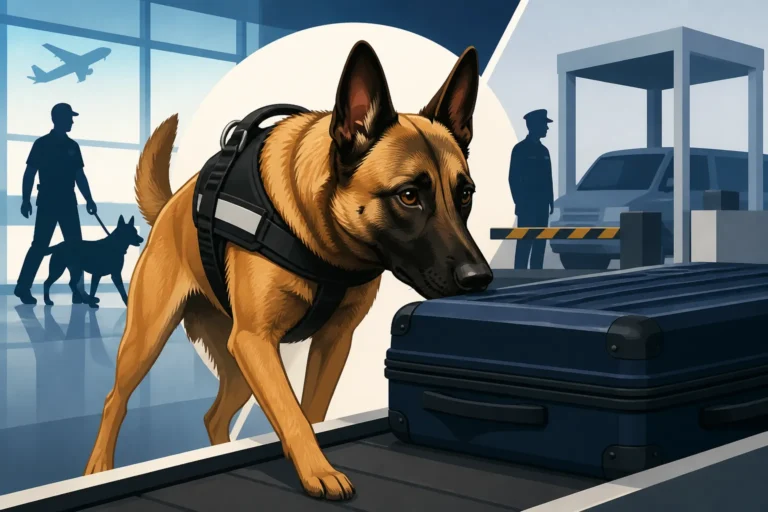
Following the 1959 split, the Belgian Malinois experienced a significant surge in popularity within professional working dog circles. Its inherent traits—extreme intelligence, unwavering drive, exceptional athleticism, and formidable courage—were perfectly suited for demanding roles that required both physical prowess and mental acuity. Police departments, military units, and search and rescue organizations worldwide began to notice and actively select Malinois for their programs. This marked a definitive shift from its original herding roots, although those instincts remain a core part of its genetic makeup.
The short coat, which was a primary distinguishing factor in the split, proved to be an unexpected advantage for these intense working roles. It requires less maintenance, is less prone to burrs and tangles in rough terrain, and helps prevent overheating during strenuous activity. This practicality, combined with the breed's unparalleled work ethic, cemented the Malinois's reputation as the ultimate canine athlete and protector. Its success in these fields, often highly publicized (think about the stories of dogs like Cairo), further boosted its profile and demand. Many look for a Malinois specifically for these attributes, often valuing working lines over show lines; you can delve into this more with Working Malinois Against Show Malinois.
Maintaining Type and Temperament
Despite its growing popularity, especially as a working dog, responsible Malinois breeders have remained committed to maintaining the breed's original type and temperament. This means preserving not just its physical characteristics—the square outline, the alert expression, the distinctive black mask—but also its core personality: intelligent, active, inquisitive, and protective. The breed standard, established after the split, serves as a crucial guide to ensure that as the breed evolves, it doesn't stray too far from its foundational attributes. It's a delicate balance to breed for extreme drive without compromising stability or producing overly aggressive tendencies.
Judges in conformation rings and evaluators in working trials both play a role in upholding these standards. They look for dogs that are not only physically sound but also mentally balanced and trainable, demonstrating the confidence and courage that are hallmarks of the breed. This careful stewardship by dedicated breeders and enthusiasts ensures that future generations of Malinois continue to embody the qualities that make them so exceptional, whether they are destined for the police force, competitive dog sports, or as highly engaged companions. Choosing the right food for a working Malinois is crucial, and Chewy offers a range of high-performance kibbles and supplements specifically designed for active dogs, which can help maintain optimal health and conditioning.
The Laekenois: A Separate Path
While the Malinois, Tervuren, and Groenendael all received distinct breed status in 1959, the rough-haired Laekenois variety was left out of this initial split by the AKC. Its path to full recognition in the United States was considerably longer and more challenging. For many years, the Laekenois remained in the AKC's Miscellaneous Class, a holding pen for breeds working towards full recognition. This meant they could participate in some AKC events but were not yet part of the regular Herding Group.
The reasons for this delay are multifaceted, including its comparative rarity, fewer dedicated breeders in the US, and the ongoing efforts to clearly define its unique characteristics separate from the other Belgian Shepherds. However, through persistent effort by dedicated fanciers, the Laekenois eventually achieved full AKC recognition, joining the Herding Group in 2020. This completed the journey for all four original Belgian Shepherd varieties to be recognized as distinct breeds in the United States, each with its own standard and place in the canine world. It highlights the often complex and sometimes lengthy process of breed recognition, especially for lesser-known varieties. To dive deeper into its unique standing, explore The Laekenois Beside the Malinois and Why It Is Rare.
Understanding the Varieties Today
Even with the official split, the Belgian Malinois, Tervuren, Groenendael, and Laekenois are still often grouped by the public under the general "Belgian Shepherd" moniker. However, understanding their key distinctions is vital for anyone considering one of these magnificent dogs.
Key Distinctions Between the Belgian Shepherds
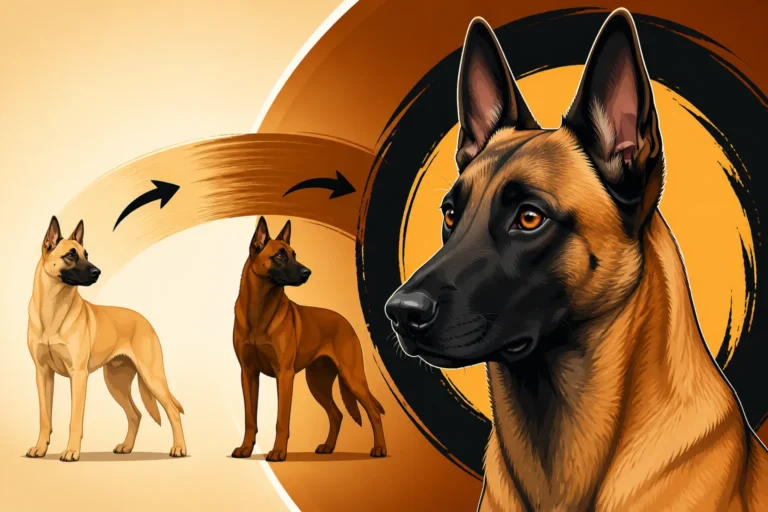
While all four Belgian Shepherd breeds share a common ancestry, a similar underlying structure, and generally high intelligence and drive, their most obvious distinctions lie in their coats. The Belgian Malinois is characterized by its short, straight, fawn to mahogany coat with a black mask. It is known for its intense athleticism and often favored for protection and police work. The Belgian Groenendael (often simply called Belgian Sheepdog in the U.S.) sports a long, flowing, solid black double coat, giving it a majestic appearance. The Belgian Tervuren is similar to the Groenendael in coat length but comes in fawn to mahogany with a distinct black overlay and mask. Both the Tervuren and Groenendael are renowned for their elegance and often excel in dog sports like agility and obedience, as well as being loyal family companions. Finally, the Belgian Laekenois has a harsh, wiry, rough coat, typically fawn with traces of black on the muzzle and tail, giving it a rustic appearance and a reputation for being somewhat hardier.
Beyond the coat, there can also be subtle differences in temperament and energy levels, though these are often more a result of breeding lines (working vs. show) rather than inherent breed differences. Generally, the Malinois tends to be the most intense and driven of the four, often requiring more specialized training and a demanding lifestyle. The Groenendael and Tervuren can be equally high-energy but might present with a slightly softer temperament, though they are still far from couch potatoes. The Laekenois often combines a robust, watchful nature with a slightly more reserved demeanor. A comparative table can illustrate these differences clearly:
| Breed Name | Coat Length | Coat Color/Pattern | Notable Temperament Traits (General) | AKC Recognition Date (as distinct breed) |
|---|---|---|---|---|
| Belgian Malinois | Short | Fawn to mahogany with black mask, often black overlay | Intense, high-drive, athletic, protective | 1959 |
| Belgian Tervuren | Long | Fawn to mahogany with black overlay and mask | Intelligent, active, sensitive, elegant | 1959 |
| Belgian Groenendael | Long | Solid black, flowing double coat | Reserved with strangers, loyal, intelligent, active | 1959 (retained "Belgian Sheepdog" name) |
| Belgian Laekenois | Rough/Wiry | Fawn with traces of black (muzzle, tail) | Watchful, hardy, intelligent, protective, sometimes reserved | 2020 |
It's important to remember that individual personalities vary greatly, and responsible breeding plays a huge role in shaping a dog's temperament regardless of coat type. Still, these general distinctions help prospective owners choose the variety that best fits their lifestyle and experience level. If you're comparing, you might find The Malinois Against the Tervuren or The Malinois Against the Groenendael helpful.
Why the Malinois Stands Apart in Popularity
Among the four Belgian Shepherd breeds, the Malinois has undoubtedly surged ahead in global popularity, particularly in the realm of working dogs. This ascendancy can be attributed to several factors that have coalesced since the 1959 split. Its streamlined, short coat offers practicality and ease of maintenance for handlers in demanding environments, contrasting with the long coats that can be cumbersome and require more grooming. More importantly, the Malinois has been intentionally and successfully bred for extreme drive, courage, and trainability, making it an unparalleled choice for tasks requiring intense focus and physical endurance.
Military and police forces worldwide have heavily invested in Malinois, finding them to be exceptional partners in detection, patrol, and apprehension work. This professional endorsement has not only elevated the breed's status but also spurred more breeders to specialize in producing dogs with these high-performance traits. The publicity from their roles in high-profile operations has further cemented their image as the ultimate K9. While the other Belgian Shepherds are equally intelligent and capable, the Malinois's combination of practical coat, intense drive, and a strong history of success in specialized working roles has given it a unique and elevated position. For pet owners, this translates into a dog that demands a lot of mental and physical engagement, and specialized gear, such as durable toys and training equipment, often purchased from reliable sources like Chewy, is essential for their enrichment.
Navigating the Breed's History as an Owner
Understanding the historical journey of the Belgian Malinois, especially the 1959 split, offers invaluable context for current and prospective owners. It helps to explain why this breed is the way it is and the responsibilities that come with owning such a driven animal.
Appreciating the Malinois's Unique Journey
For anyone passionate about Belgian Malinois, learning about its evolution from a general Belgian Shepherd to a distinct, highly specialized breed offers a deeper appreciation for its unique qualities. The split wasn't just a change on paper; it was a catalyst that allowed breeders to focus intensely on developing the traits that make the Malinois so exceptional today. It speaks to the dedication of early fanciers who saw the potential in these short-coated working dogs and advocated for their independent recognition. This history informs why a Malinois is so incredibly driven, intelligent, and athletic—traits that have been honed and refined over decades.
This historical context also helps new owners manage their expectations. The Malinois isn't just a pet; it's a testament to centuries of selective breeding for performance. Understanding this helps you realize that their need for a "job," their high energy, and their intense focus are not quirks but fundamental aspects of their being. It’s an invitation to engage with the breed's heritage, to understand its purpose, and to commit to providing the environment and training that honors its genetic legacy. Whether you're interested in competitive dog sports, professional working roles, or simply providing an incredibly active companion, the Malinois's history underscores the profound commitment required. If you're just starting, you can learn about Why a Belgian Malinois Is the Wrong First Dog to gauge the commitment.
Resources for Further Learning
The history of the Belgian Malinois is rich and continues to evolve, making it a fascinating subject for ongoing study. For current or prospective owners, tapping into reliable resources is essential for truly understanding the breed. The official breed club websites, such as the American Belgian Malinois Club, are invaluable for their historical archives, breed standards, and lists of reputable breeders. These organizations often provide deep insights into the breed's origins, health concerns, and current trends.
Beyond official clubs, there are numerous books, documentaries, and online communities dedicated to the Belgian Malinois. Engaging with experienced handlers, trainers, and breeders can also provide practical, real-world knowledge that complements historical facts. Many of these resources will offer advice on everything from training techniques to nutritional needs for high-drive dogs, ensuring you're well-equipped to care for your Malinois. When researching products, always check for reviews and information on sites like Chewy, which often provide user experiences with various tools and foods suitable for working breeds.
The Responsibility of Owning a Malinois
The 1959 split, by cementing the Malinois's identity as a distinct and highly specialized working breed, also implicitly defined the significant responsibility that comes with owning one. This isn't a breed for the faint of heart or the casual owner. Their intense drive, intelligence, and physical needs demand an owner who is knowledgeable, committed, and consistent. An unfulfilled Malinois can quickly become destructive, anxious, or develop behavioral issues, proving that the phrase "a tired Malinois is a good Malinois" holds considerable truth.
Prospective owners must understand that this breed requires daily mental and physical exercise, consistent training, and clear boundaries. They thrive on having a purpose, whether that's advanced obedience, bite sports, scent work, or a structured role within the family. Their historical trajectory as a working dog means they are hardwired to be active participants in life, not passive observers. Therefore, taking on a Malinois means committing to a lifestyle that actively incorporates their needs, ensuring they can be the magnificent, balanced companions they are meant to be. This commitment is paramount for both the dog's well-being and the owner's sanity.
Disclaimer
This article is for general informational purposes only and does not constitute professional advice. Laws, prices and regulations vary by location and change over time. Consult a qualified professional for guidance on your specific situation.