Working Malinois Against Show Malinois
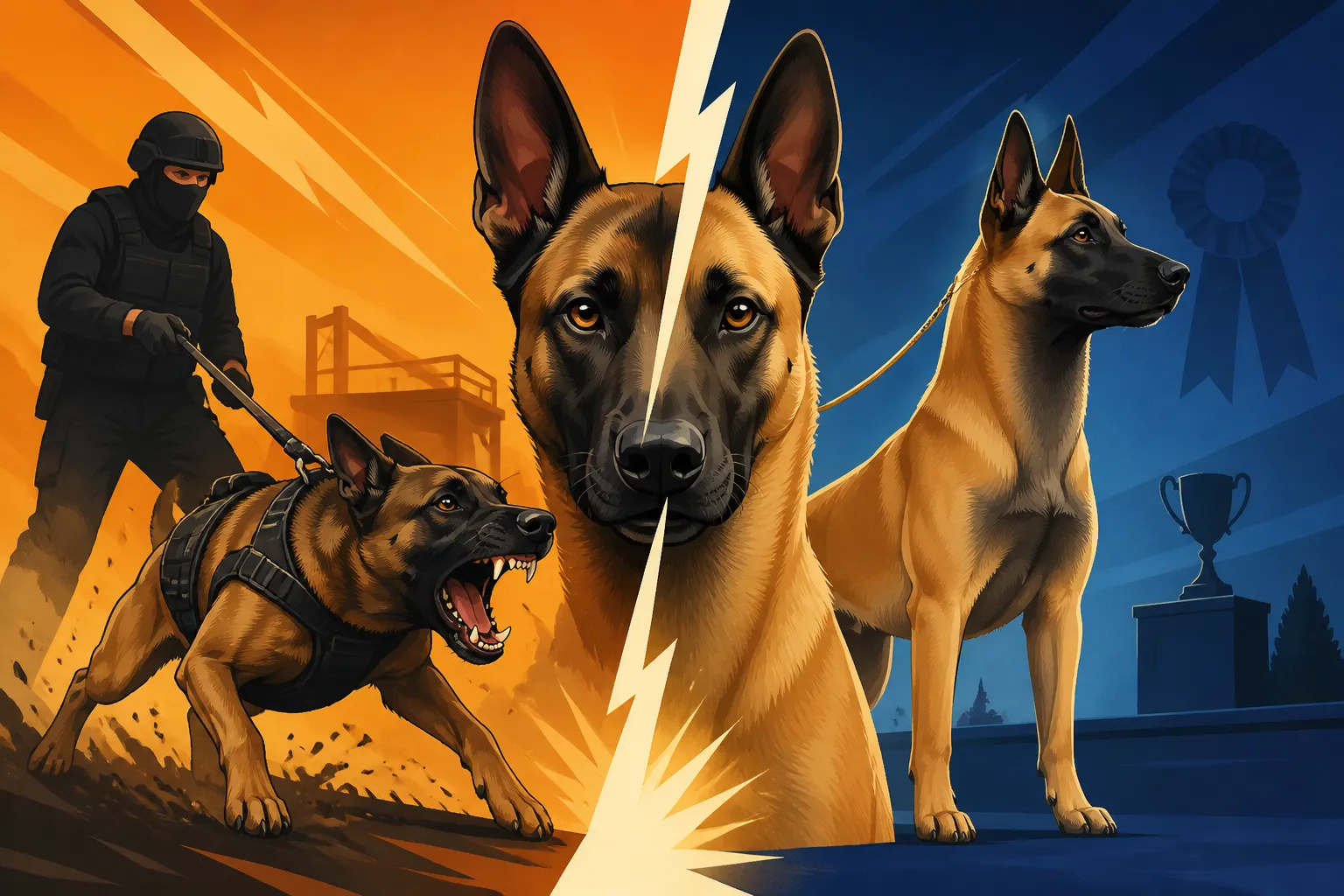
It’s easy to think all Belgian Malinois are cut from the same cloth – after all, they’re one breed, right? But the truth is, there’s a significant difference between a working line Malinois and one bred primarily for the show ring, and understanding these distinctions is absolutely critical before you bring one into your home. This guide will walk you through the nuanced world of Malinois breeding, revealing the profound impact lineage has on a dog's physical traits, temperament, and ultimate suitability for various lifestyles.
Physical Differences: Form Follows Function (or Fashion)
When you look at a Belgian Malinois, you might see a sleek, powerful dog. But if you compare a top-tier working dog to a champion show dog, you'll start noticing subtle, yet distinct, variations in their physical makeup. These differences aren't just aesthetic; they reflect generations of intentional breeding choices.
Conformation and Build
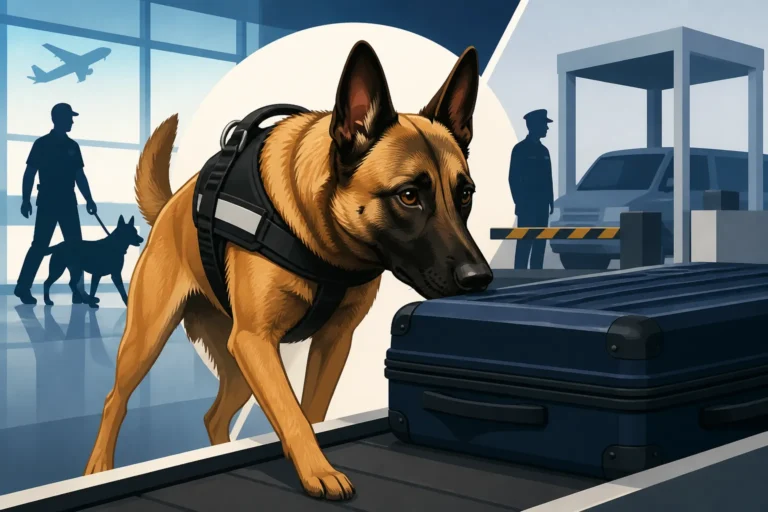
Working line Malinois are typically bred for optimal athleticism, endurance, and raw functional capability. This means a lean, sinewy build where every muscle is visible, designed for speed, agility, and powerful exertion. Their conformation often emphasizes a slightly longer back for flexibility and ground coverage, and bone structure that is robust but not heavy. They are built for sustained, explosive action – think of a finely tuned athlete. Their movement is fluid, ground-covering, and efficient, allowing them to turn on a dime or cover vast distances without faltering. The focus is always on what allows the dog to perform its job most effectively, whether that's chasing down a suspect, tracking for miles, or clearing obstacles with ease.
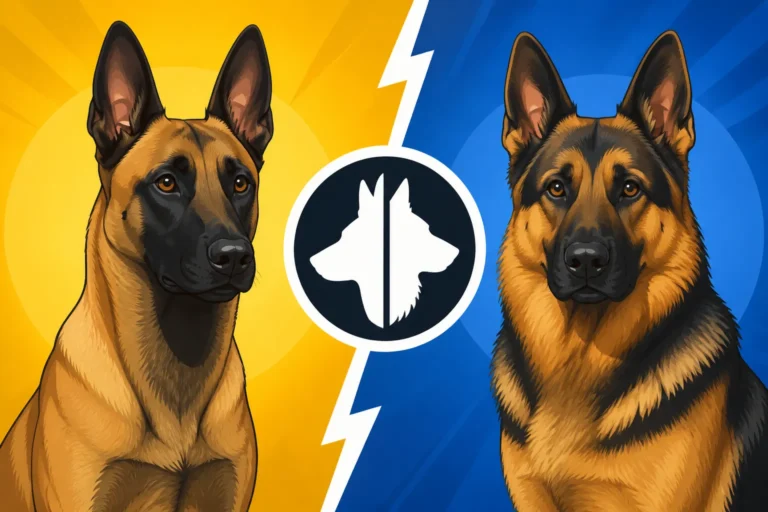
In contrast, show line Malinois adhere more closely to a specific breed standard as interpreted by kennel clubs. This often translates to a dog with a slightly heavier bone structure, a more compact body, and a deeper chest. The emphasis is on a "balanced" look that judges find appealing, with particular attention paid to head shape, ear set, and tail carriage. While still athletic, their build might be less extreme in its leanness, sometimes appearing more substantial than their working counterparts. The movement desired in the show ring is often described as powerful and elegant, with a strong drive from the rear, but the ultimate goal is presentation and adherence to aesthetic ideals rather than maximum functional output in a high-stress scenario. This doesn't mean show lines can't work; many excel in various dog sports, but their primary selective pressure is different.
Coat and Color Standards
While both lines generally share the classic fawn to mahogany coat with a black mask, there can be subtle variations driven by breeding goals. Working line breeders, focused on performance, pay minimal attention to minute coat details as long as the coat is functional and protective. You might see a wider range of fawn shades, from very light to deep red, and the black overlay (often called 'sooting' or 'carbon') can vary widely. Sometimes, a working line dog might have a less pronounced mask or slightly more white markings than would be preferred in the show ring, but if the dog can perform its duty, these "flaws" are largely overlooked. The utilitarian aspect of the coat – providing insulation and protection from elements – is paramount.
Show line breeders, on the other hand, adhere strictly to the written breed standard regarding Fawn to Mahogany and the Black Malinois Mask. This means a strong preference for rich, clear fawn or mahogany colors, a well-defined black mask that extends to the ears, and minimal white markings (usually only a small patch on the chest and toes are tolerated). They often favor a harsher, shorter double coat that presents a clean, striking silhouette. Any deviation, such as too much white, an incomplete mask, or an off-standard color, could result in a lower placement in the show ring, regardless of the dog's other qualities. It's about presenting the ideal visual representation of the breed.
Size and Substance
The breed standard provides a height range for Belgian Malinois, which applies to both lines. However, within these parameters, there can be practical differences. Working line Malinois are often right in the middle or even on the lower end of the height spectrum, valued for their agility and quickness. A slightly smaller, compact dog can be an advantage in tight spaces, for explosive jumps, or for maintaining high speeds over varied terrain. They tend to be lighter in overall body weight for their height, again emphasizing speed and stamina over sheer mass. This efficient packaging makes them incredibly formidable athletes.
Show line Malinois, while still within the standard, might lean towards the upper end of the acceptable height range and carry a bit more substance or bone. This is often seen as adding to their presence and "impressiveness" in the show ring. While they are still athletic and capable, the emphasis might shift slightly towards a more commanding appearance rather than purely minimalist functionality. It’s important to remember that these are generalizations, and there are always exceptions, but the overall trend in breeding selection often nudges the physical attributes in these distinct directions. When evaluating a potential puppy, always consider how its projected adult size and build align with the activities you envision for it. The Height Limits a Belgian Malinois Is Judged Against are a good place to start your understanding.
Temperament and Drive: The Engine Under the Hood
This is arguably the most crucial area where working and show lines diverge, directly impacting the daily life of an owner. While all Malinois possess high energy and intelligence, the intensity and focus of that drive can be worlds apart.
Intensity and Energy Levels
A working line Malinois is essentially a canine combustion engine, built for relentless, high-octane performance. They possess an almost insatiable drive, whether it's prey drive (the urge to chase and capture), fight drive (the desire to engage and overcome a threat), or simply an overwhelming need to do something. These dogs require Two Hours and a Job a Belgian Malinois Demands Daily, minimum, and that job needs to be mentally stimulating, physically challenging, and consistent. Without appropriate outlets, this intense energy manifests as destructive behaviors, neuroticism, or reactivity. They don't just need a walk; they need a complex job that taxes both their body and their mind every single day. Their default state is often "on," always alert and ready for action, making them a significant commitment for even experienced dog owners. This is precisely Why a Belgian Malinois Is the Wrong First Dog for many people.
Show line Malinois, while still undeniably high-energy and intelligent, are often bred for a temperament that is somewhat more amenable to a domestic setting and the structured environment of dog shows. Their drive may be channeled differently, with a focus on trainability, handler engagement, and a generally more "social" demeanor. They still need substantial exercise and mental stimulation, don't get me wrong – a leisurely stroll won't cut it – but their internal "off switch" might be more accessible. They are typically expected to be calm and composed in a show ring, interacting politely with judges and other dogs, which requires a degree of environmental tolerance and a less overtly reactive nature than some working lines. They can still excel in dog sports like agility, obedience, and even some protection work, but the sheer, raw intensity of a dedicated working line might be dialed back a notch or two.
Environmental Toughness
Working lines are consistently selected for incredible environmental toughness, often referred to as "nerve." This means they are expected to perform under extreme pressure, in novel and chaotic environments, without faltering. Loud noises, slippery surfaces, unstable footing, unfamiliar people or objects – a working Malinois is bred to cope with all of this and remain focused on its task. They possess a remarkable resilience and an ability to quickly recover from startling events. This genetic predisposition allows them to excel in environments where police, military, or search and rescue dogs operate, where unpredictability is the norm. They're not easily spooked, and they don't fold under pressure, which is a testament to generations of rigorous selection.
Show line Malinois are also expected to be confident and well-adjusted, particularly within the confines of a show or trial venue. They should be unfazed by crowds, other dogs, and the handling of judges. However, the depth of "environmental toughness" might not be tested to the same extreme degree as a working dog. While they should not be shy or fearful, the level of exposure and pressure in their early life and ongoing training might not simulate the intense, unpredictable scenarios a police K9 or military dog faces. A show line Malinois might be perfectly confident at a dog show, but a sudden loud bang on a busy street might be more unsettling to them than to a battle-hardened working dog.
Socialization and Nerve
The topic of socialization often causes confusion. All Malinois, regardless of line, need extensive and appropriate socialization, especially during The Shark Phase Every Malinois Puppy Goes Through. However, the goal of that socialization can differ. For a working line, socialization aims to create a dog that is environmentally neutral and stable, but often with a reserved or aloof demeanor towards strangers. They are not typically bred to be effusively friendly with everyone they meet; their primary focus is their handler and their job. Their bite work is serious, and an overly friendly dog could compromise their effectiveness. Their nerve is robust, meaning they can handle stress without becoming fearful or aggressive, but this often translates into a discerning and powerful presence rather than an eager-to-please, tail-wagging approach to the general public.
Show line Malinois are generally bred to be more outwardly social and accepting of strangers, reflecting the necessity of being handled by judges and interacting calmly in public show settings. While they retain the protective instincts inherent to the breed, their temperament is often selected to be more "agreeable" and less confrontational in non-working scenarios. This doesn't mean they're pushovers; they're still Malinois and demand respect. But their general disposition might be geared more towards fitting into a variety of social situations without the intense suspicion or drive-to-engage that can be a hallmark of some working lines. Responsible breeders in both camps prioritize sound nerve and stability, but the expression of that nerve can look different depending on what the dog is ultimately being bred for.
Training Focus: Purpose-Built Education
The way you train a Malinois, and what you train it for, is heavily influenced by its genetic predispositions. Understanding these foundational differences is key to fulfilling your dog's potential.
Core Training Objectives
For a working line Malinois, training is less about basic obedience and more about honing innate drives into precision behaviors for specific tasks. Their training trajectory often starts almost immediately, building intense focus and control around their natural instincts. Whether it's tracking, apprehension, or detection, every exercise is designed to capitalize on their high prey, hunt, and fight drives. The objective is to create a highly controllable, reliable, and effective tool for a specific job. Training methods are often highly structured, consistent, and can involve significant pressure, as the dog must perform flawlessly in critical, real-world situations. This means not just teaching a "sit" or "stay," but building complex chains of behavior, high-level obedience under extreme distraction, and the ability to switch between intense drive states on command.
Show line Malinois also require extensive training, but the emphasis might be more on general manners, advanced obedience, and performance in various dog sports like agility, competitive obedience, or rally. While they can and do participate in protection sports, the training might prioritize a dog that is elegant and precise in its movements, demonstrating strong partnership with its handler. The objective is often to create a well-rounded, biddable companion that excels in a variety of activities and represents the breed well. Their training might focus on refining movements for the show ring, building a strong recall in a busy park, or learning intricate agility sequences. You'll likely find yourself looking for durable toys and training aids from retailers like Chewy to keep these intelligent dogs engaged.
Sport Versus Function
The world of dog sports often blurs the lines, as both working and show line Malinois can excel. However, the reason for participation often differs. Working line dogs are frequently bred for specific protection sports like IGP (formerly IPO or Schutzhund), KNPV, or Ring sports (Belgian Ring, French Ring, Mondioring). These sports are essentially simulations of real-world police or military work, demanding intense drive, formidable bite work, advanced obedience, and complex tracking skills. For these dogs, the sport is their job; it's the ultimate expression of their genetic potential and a direct test of their functional abilities. What Bite Sport Actually Asks of a Belgian Malinois is a monumental undertaking, requiring commitment from both dog and handler.
Show line Malinois may also participate in these protection sports, and many do very well, but they might also be geared towards other performance venues. They can shine in fast-paced agility courses, intricate obedience routines, or scent work that doesn't involve apprehension. Their drive is still present, but it might be more easily channeled into tasks that don't require the same level of overt aggression or physical confrontation. Some show lines are even bred specifically for conformation, where their primary "sport" is parading elegantly in a show ring, though these dogs still thrive on mental and physical exercise. It's a spectrum, and a well-bred show line Malinois can be a formidable competitor in many different arenas.
Handler Requirements
Perhaps the most significant difference in training involves the handler. A working line Malinois demands an experienced, dedicated, and often physically capable handler who understands advanced canine behavior and drive dynamics. These dogs are not forgiving of inconsistency, soft corrections, or a lack of leadership. They need a handler who can match their intensity, anticipate their needs, and provide clear, consistent direction under all circumstances. Their training is a lifelong commitment, often involving specialized equipment and a community of like-minded individuals. If you're not ready to dedicate a significant portion of your life to their physical and mental fulfillment, a working line Malinois will likely overwhelm you.
Show line Malinois, while still requiring a firm, fair, and knowledgeable hand, can sometimes be a bit more adaptable to a wider range of owners. They still need a confident leader and extensive training, but their "default" settings might be less extreme, making them potentially more manageable for a motivated novice or an owner whose lifestyle doesn't revolve entirely around hardcore working dog activities. They can thrive in homes where they are still actively engaged in challenging sports and training, but perhaps not to the same all-consuming degree as a dedicated KNPV or military candidate. Regardless of the line, a Belgian Malinois is never a "set it and forget it" kind of dog; consistent effort and engagement are non-negotiable.
Health and Longevity: Breeding for Resilience
Both working and show lines aim for healthy dogs, but the pressures and priorities in their breeding programs can influence the prevalence of certain health concerns and how they are managed.
Prevalence of Genetic Issues
Reputable breeders in both working and show lines conduct health screenings for common genetic issues in Belgian Malinois, such as hip and elbow dysplasia, as well as certain eye conditions. The Hip and Elbow Numbers Behind a Malinois Clearance are crucial for evaluating potential breeding stock. However, the emphasis might vary. Working line breeders, while performing these checks, often prioritize a dog's functional soundness over minor radiographic imperfections, provided the dog can still perform its duties without pain or lameness. A dog with excellent working ability might be considered valuable breeding stock even with a "good" rather than "excellent" hip score, as long as it's within acceptable limits and doesn't impact performance.
Show line breeders often place a very high emphasis on achieving excellent health clearances, as these can be part of a dog's overall appeal and value in the conformation ring and for breeding. There's often a strong push for "excellent" hip scores and clear elbows, reflecting the idea of breeding the most physically perfect specimen. While genetic health is a shared goal, the interpretation and priority can shift slightly. Additionally, conditions like The Seizure Disorder Running in Malinois Lines are important for all lines, and responsible breeders will test for these regardless of their primary focus. When looking for a puppy, always ask about health testing from both parents, and don't be afraid to ask about specific clearances and what they mean.
Injury Risk in Working Lines
Due to the intense physical demands placed on them, working line Malinois can be more prone to certain types of injuries. Explosive sprints, hard bites, agility obstacles, and rough terrain all contribute to a higher risk of muscle strains, ligament tears (like cruciate injuries), pad injuries, and even broken teeth. These dogs are pushed to their physical limits, and while they are incredibly robust, accidents can happen. Handlers often spend considerable time and resources on conditioning, warm-ups, cool-downs, and preventative care to minimize these risks. Regular veterinary check-ups are essential, and some owners might even employ canine chiropractors or physical therapists to maintain peak condition. Finding high-quality joint supplements and protective gear, often available on sites like Chewy, becomes a routine part of their care.
Show line Malinois, while also athletic, generally don't face the same constant, high-impact physical stress. Their activities, while demanding, might involve fewer sudden, extreme forces. Therefore, while they can certainly sustain injuries, the types and frequency might differ. A show dog might be more prone to repetitive strain injuries from agility or dancing, rather than the impact injuries associated with full-speed bite work. Of course, any active dog can get hurt, and proper conditioning and care are vital for all Malinois to prevent issues throughout their lives.
Longevity and Senior Care
Both lines of Malinois are known for their generally good health and often live long, active lives. There isn't a definitive scientific consensus that one line lives inherently longer than the other, as individual genetics, nutrition, and environmental factors play huge roles. However, the cumulative physical stress on a working line dog could potentially lead to earlier onset arthritis or wear-and-tear issues as they age. A working dog might "retire" from active duty earlier than a show dog might finish its career, simply because the physical demands of police work or advanced sport are so intense.
Caring for an aging Malinois from either line involves similar considerations: managing arthritis, maintaining muscle mass, adapting exercise, and staying on top of veterinary care. What differs might be the sheer amount of wear and tear on a working dog's body. A police K9 that spent a decade apprehending suspects and patrolling might have more joint issues or old injuries to manage than a show dog of the same age. Regardless of lineage, responsible ownership means being prepared for the needs of a senior dog, ensuring they remain comfortable, mentally stimulated, and cherished in their golden years.
Breeding Philosophies: What Drives Selection
The fundamental differences between working and show line Malinois stem directly from the differing priorities of their breeders. It's a classic case of form versus function, but in the Malinois world, the "function" is exceptionally high-stakes.
Selection Criteria
Working line breeders are laser-focused on functional attributes. This means they select breeding stock based on proven working ability, temperament, and nerve. A dog's titles in protection sports (like IGP, KNPV, or Ring) are not just ribbons; they are tangible proof of the dog's genetic capabilities. They look for strong prey drive, high fight drive, environmental confidence, handler focus, and an iron will. Physical traits are important only inasmuch as they support these functional requirements – a dog must be sound enough to do the job. Pedigrees are scrutinized for proven working ancestors, and temperament testing is often rigorous, evaluating how a dog performs under pressure. A dog that looks beautiful but lacks the drive or nerve to perform a job would not be considered suitable breeding stock.
Show line breeders, while also valuing temperament and health, prioritize adherence to the breed standard and success in the conformation ring. They select dogs that exemplify the ideal physical appearance of the Malinois as described by kennel clubs. This means careful attention to coat color, head shape, angulation, movement, and overall balance. A dog's show titles are proof of its physical conformity. While they still want a confident and stable dog, the intensity of drive might be less of a primary selection criterion compared to a working line breeder, or it might be channeled into more biddable, elegant expressions rather than raw power. The goal is to produce dogs that are competitive in the show ring and maintain the aesthetic integrity of the breed.
Pedigree Focus
When you look at a working line pedigree, you'll see a lineage filled with titled dogs from various working organizations and countries. These pedigrees often highlight specific traits like "proven biters," "excellent trackers," or dogs known for their "hard temperament" or "environmental soundness." The focus is on the performance of the ancestors. Breeders will talk about specific bloodlines known for certain working characteristics, tracing back dogs that have excelled in police, military, or high-level sport roles. Reading a Belgian Malinois Pedigree Before Paying involves looking for these performance credentials, not just names. They are looking for genetics that consistently produce top-tier working dogs.
Show line pedigrees, conversely, will feature dogs with conformation titles (e.g., "Champion," "Grand Champion"). They emphasize dogs that have won major shows, often with detailed notations about their physical attributes and how well they conform to the breed standard. While health clearances are certainly part of the picture, the emphasis in the pedigree is on beauty, type, and success in the show ring. A breeder might point to a dog's excellent headpiece, strong topline, or flowing gait as reasons for its inclusion in a breeding program. Both types of pedigrees offer valuable information, but what they highlight about the ancestors reveals the breeder's core philosophy.
The 'Dual Purpose' Ideal
The concept of a "dual purpose" Malinois – one that excels both in the show ring and in working disciplines – is often a point of discussion. Historically, many breeds, including the Malinois, were truly dual-purpose, with beauty and brains going hand-in-hand. However, as breeding has specialized, true dual-purpose Malinois are becoming increasingly rare. It is incredibly challenging to breed for the extreme functional demands of modern working roles and the precise aesthetic requirements of the conformation ring simultaneously.
Some show line breeders might aim for dogs that can still do well in obedience or agility, considering these their "working" component. And some working line breeders might produce dogs that happen to be physically attractive, but their primary focus remains performance. The reality is that the selective pressures are so strong in both directions that achieving top-tier results in both is an exception rather than the rule. When evaluating a breeder, it's important to understand their definition of "dual purpose" and whether it aligns with your expectations for a Malinois. A Malinois puppy from either line is a high-commitment animal, and understanding these breeding philosophies will guide you to the right fit.
Comparison Table: Working vs. Show Malinois
To help you visualize the key differences we’ve discussed, here’s a quick comparison.
| Feature | Working Line Belgian Malinois | Show Line Belgian Malinois |
|---|---|---|
| Primary Goal | Performance, high-level work (police, military, sport) | Conformation, adherence to breed standard, dog sports |
| Build | Lean, athletic, often more sinewy, functional for speed | Slightly heavier bone, more compact, emphasis on aesthetic balance |
| Drive/Intensity | Extremely high, relentless, always "on", profound prey/fight drive | High, but often more manageable and channeled, biddable |
| Nerve | Extreme environmental toughness, recovers quickly from stress | Confident and stable in various social settings, less extreme pressure |
| Temperament | Reserved with strangers, handler-focused, serious | More outwardly social, amenable to public interaction and judging |
| Training Focus | Honing innate drives into specific work, high-pressure | General obedience, agility, rally, balanced sports, show ring presentation |
| Health Priority | Functional soundness for work, health clearances important | Excellent health clearances, physical perfection for breeding |
| Pedigree Focus | Working titles (KNPV, IGP, Ring), proven working ancestors | Conformation titles (Ch, GCh), aesthetic qualities of ancestors |
Making the Right Choice: Your Lifestyle is Key
Bringing a Belgian Malinois into your home is a monumental decision, one that should be made with clear eyes and a deep understanding of what you're getting into. The distinction between working and show lines isn't just a nuance for breeders; it's a fundamental difference that will impact every single day you share with your dog.
Self-Assessment: Honest Reflection
Before even looking at puppies, you need to conduct a brutal self-assessment of your lifestyle, experience, and commitment. Ask yourself:
- How much time can I realistically dedicate every single day to training and exercise? We’re talking hours, not just a walk around the block.
- Do I have experience with high-drive, intelligent breeds? A Malinois is not the breed to "learn on."
- Am I prepared for a dog that will demand constant mental stimulation? Think puzzle toys, scent work, complex obedience, beyond just physical activity. You might find yourself needing a steady supply of engaging toys and treats, regularly restocking from places like Chewy.
- Can I handle a dog with a strong protective instinct and potential aloofness towards strangers? Especially with working lines, this isn't a dog for the dog park or casual greetings.
- What are my goals for this dog? Do I want a family companion who enjoys hikes and advanced obedience, or a competitor for elite protection sports?
If you're envisioning a dog that will politely greet guests, enjoy occasional walks, and be a relatively easy-going companion after some training, a dedicated working line Malinois is likely not the right fit. You'd be setting both yourself and the dog up for failure, leading to a frustrated, potentially destructive animal.
Researching Breeders: Beyond the Pretty Pictures
Once you have an honest understanding of your capabilities and desires, dive deep into researching breeders. Don't just pick the first one with available puppies.
- Ask about their breeding philosophy. What are they trying to produce? What do they value most in their dogs?
- Inquire about the parents' temperaments and working/show history. Look for videos of the parents working or showing. Whether a Malinois Sport and Police Lines Are Diverging is a good question to bring up with a breeder.
- Demand proof of health clearances for hips, elbows, eyes, and genetic diseases like SDCA1/2. Testing a Belgian Malinois for SDCA1 and SDCA2 is now standard for responsible breeders.
- Visit the breeder and observe the adult dogs. Do they seem stable, confident, and well-adjusted? How do they interact with their handler?
- Be prepared for a rigorous screening process. Reputable breeders will ask you many questions, trying to ensure their puppies go to appropriate homes. If a breeder doesn't ask you probing questions about your lifestyle and experience, that's a red flag.
The Lifetime Commitment
Remember, a Malinois, regardless of line, is a lifetime commitment, often spanning The Fourteen to Sixteen Years a Belgian Malinois Lives. They are not dogs that you can neglect or send off to "board and train" and expect a magically fixed companion. They require ongoing effort, training, and socialization throughout their lives. The early puppy stage, while adorable, is merely the beginning of a long journey.
Whether you choose a working line Malinois destined for the intense world of protection sports, or a show line Malinois that might grace the conformation ring and excel in agility, you are bringing home an incredibly intelligent, powerful, and demanding animal. Understanding the inherent differences in their genetic predispositions is the first, most crucial step in ensuring a successful and fulfilling partnership.
Disclaimer
This article is for general informational purposes only and does not constitute professional advice. Laws, prices and regulations vary by location and change over time. Consult a qualified professional for guidance on your specific situation.