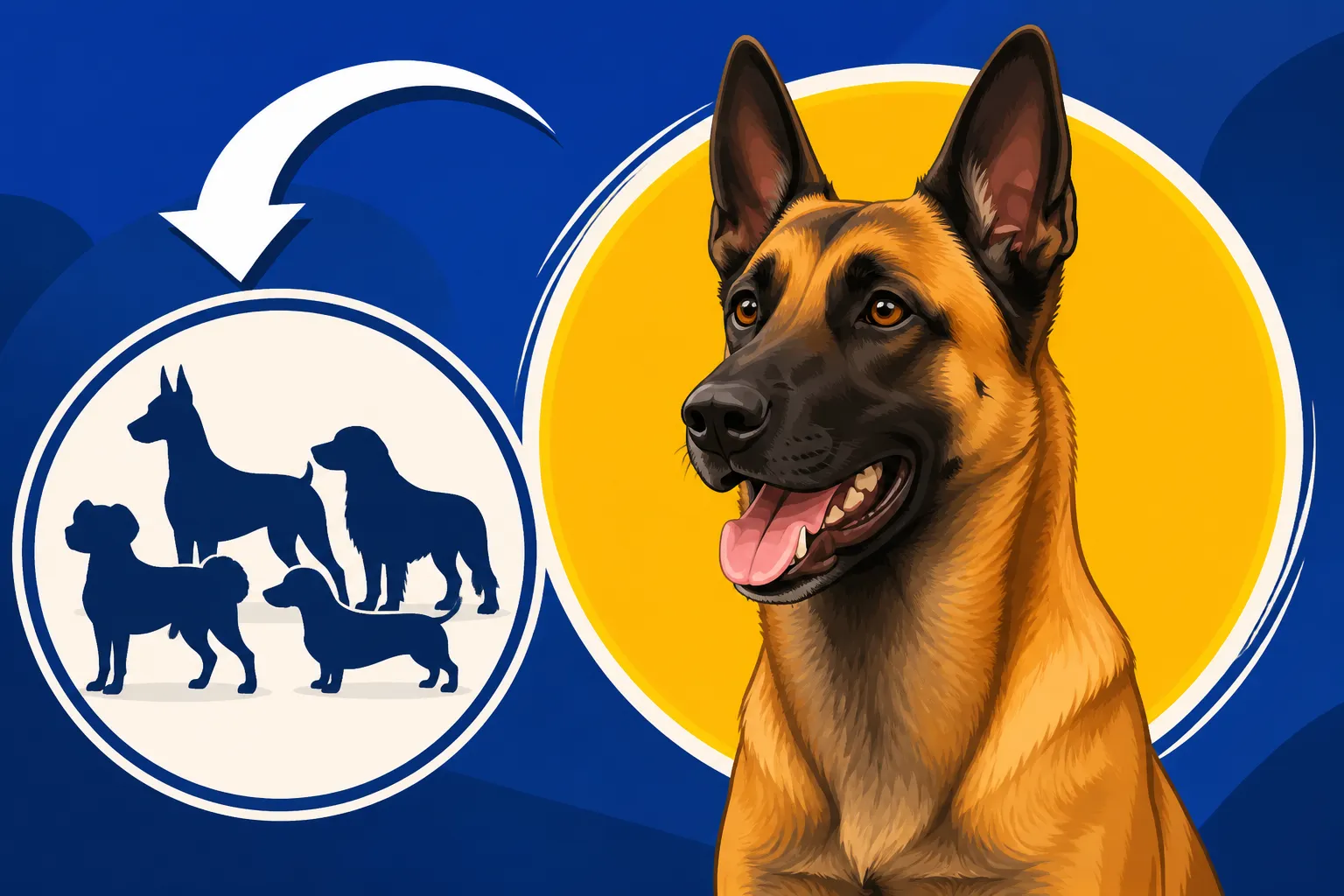
Which AKC Group the Belgian Malinois Competes In
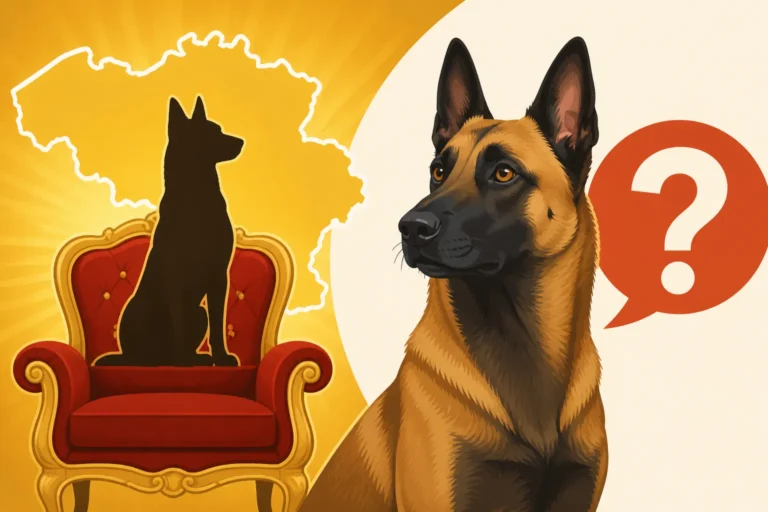
It's completely understandable to wonder where the powerful, intense Belgian Malinois fits into the structured world of dog show classifications, especially when so many of us see them primarily in protection sports, law enforcement, or military roles. They're not your typical "fluffy show dog," after all. This guide will clarify exactly which group the Belgian Malinois competes in within the American Kennel Club (AKC) and explore the historical reasons behind that placement, offering a deeper understanding of this remarkable breed.
The Belgian Malinois's Place in the AKC Herding Group
Despite their formidable presence in bite sports and active service, the Belgian Malinois is firmly classified within the American Kennel Club's Herding Group. This often surprises people who envision them solely as guardians or detection dogs. The key to understanding this classification lies in their historical origins and the fundamental traits that breeders originally sought to preserve. It’s a testament to the breed's foundational purpose, even as their roles have diversified dramatically over the centuries.
The AKC's group classifications are deeply rooted in the historical function for which each breed was developed. For the Malinois, this means acknowledging their past as diligent and intelligent farm dogs rather than focusing solely on their more recent, high-octane occupations. These dogs were, and in many places still are, invaluable partners to shepherds, demonstrating an innate ability to control and direct livestock with precision and speed.
A History Rooted in Herding
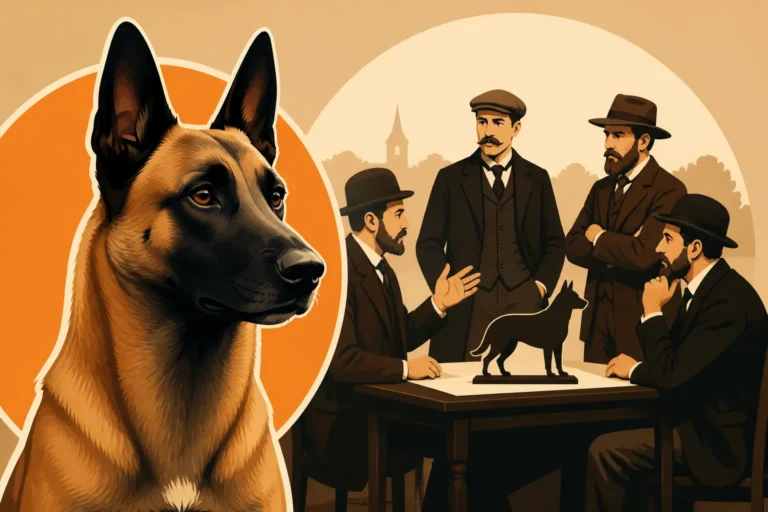
To truly grasp why the Malinois is a Herding Group dog, we need to take a trip back to the late 19th century in Belgium. The breed, and its three Belgian Shepherd cousins (Groenendael, Tervuren, and Laekenois), were developed as versatile working dogs. Their primary job was to guard and herd sheep and cattle. Life on the Belgian farms demanded a dog that was not only intelligent and biddable but also incredibly hardy and tireless, able to work long hours in varying weather conditions. The Herding Job the Belgian Malinois Was Built For was demanding, requiring a keen mind and an athletic body.
These early Malinois were indispensable assets, helping farmers manage their flocks across open fields and through village streets. Their development wasn't about aesthetics or speed trials, but about practical utility. The keen eye, quick reflexes, and natural instinct to gather and move animals were paramount. This heritage is hardwired into their DNA, influencing their temperament and physical structure to this day, even if your Malinois has never seen a sheep.
Traits That Define a Herder
When you observe a Belgian Malinois, many of its defining characteristics — its intense focus, boundless energy, quick intelligence, and natural responsiveness to direction — are direct reflections of its herding lineage. These aren't just traits that make them excel in modern dog sports; they are the very qualities that made them exceptional herding dogs. They possess a natural drive to control movement, whether it's a flock of sheep, a suspicious stranger (in protection work), or even a rolling ball in a game of fetch.
Their athleticism, agility, and stamina were crucial for covering vast distances and making quick directional changes when working livestock. The mental acuity required to understand and anticipate the movements of a flock, often working independently but in concert with a shepherd, fostered a highly intelligent and problem-solving canine. These inherited traits are why they thrive on purpose and structure, often struggling without a "job" to do. The Herding Instinct Still in a Belgian Malinois is a powerful force.
Understanding the AKC Herding Group
The AKC Herding Group encompasses breeds whose primary purpose was to gather, herd, and protect livestock. While some might initially think of sheepdogs as shaggy, gentle giants, the Herding Group is actually incredibly diverse, ranging from the low-slung Corgi to the majestic Old English Sheepdog, and of course, the sleek and driven Belgian Malinois. This group was officially recognized by the AKC in 1983, a relatively recent addition, as prior to that, many herding breeds were classified in the Working Group.
This reclassification into their own group highlighted the distinct skill set and behavioral patterns unique to herding dogs. It separated them from breeds bred for tasks like pulling carts, guarding property, or search and rescue (which typically fall under the Working Group). The criteria for judging dogs in the Herding Group often emphasize attributes related to their original function, such as sound structure for endurance, agility, intelligent expression, and a balanced temperament that allows them to work effectively. When the Belgian Malinois Joined the Herding Group was an important moment in its AKC history.
More Than Just Livestock
It's important to remember that for many breeds in the Herding Group, their "work" evolved beyond simply moving sheep. Many were also expected to act as guardians, protecting their flock from predators or keeping them within designated areas. This dual role of herder and protector is very evident in the Belgian Malinois, whose innate protective instincts complement their herding drive. This combination is what makes them so formidable in their modern protection roles.
The focus of the Herding Group isn't just on active herding trials (though many Malinois do excel at these!). It’s about recognizing the inherent behavioral characteristics that make these dogs capable of controlling the movement of others. The constant vigilance, the ability to anticipate and react, and the inherent leadership qualities are what tie them together, whether they’re working cattle in Texas or competing in an IGP trial. Their mental engagement and intense focus are hallmarks of the group.
The Diverse Company They Keep
The Belgian Malinois shares its Herding Group classification with a fascinating array of breeds, each with its own unique history and approach to herding. Here's a brief look at some of the other breeds in this group:
| Breed Name | Notable Trait | Herding Style |
|---|---|---|
| Australian Shepherd | Agile, intelligent, strong eye contact | Loose-eyed, driving, fetching |
| Border Collie | Intense "eye," highly intelligent, tireless | Strong-eyed, gathering |
| German Shepherd Dog | Versatile, strong protective instincts, biddable | Driving, boundary herding |
| Pembroke Welsh Corgi | Low-set, quick, "heelers" | Heeling (nipping heels of cattle) |
| Shetland Sheepdog | Graceful, intelligent, devoted | Gathering, boundary herding |
| Old English Sheepdog | Powerful, shaggy, natural protectors | Driving, guardian |
As you can see, the Malinois fits right in with this group of intelligent, driven, and often high-energy dogs. While a Corgi might nip at the heels of cattle, and a Border Collie might "eye" sheep into submission, the Malinois brings its own blend of athleticism, speed, and keen intelligence to the table. They are equally capable of The Sheep Work a Belgian Malinois Was Bred To Do as they are of complex protection routines.
The Malinois in the Show Ring and Beyond
For those interested in showing their Belgian Malinois in AKC conformation events, understanding its group classification is crucial. Judges are evaluating the dog against a breed standard that describes the ideal Malinois, a dog historically bred for herding. This means looking for structural soundness, temperament, and movement that would allow it to perform its original duties effectively. It's not just about looks; it's about functionality.
While many Malinois owners are drawn to the breed for its working capabilities in sports like IGP, obedience, or agility, the conformation ring offers another avenue to celebrate and preserve the breed's heritage. A well-structured Malinois, moving with power and grace, is a sight to behold, embodying the very essence of its herding roots. The breed standard, detailed by the American Belgian Malinois Club, lays out these expectations for judges and breeders alike.
Judging Criteria and the Herding Standard
When a Belgian Malinois steps into an AKC conformation ring, judges are scrutinizing its physical form and temperament against a detailed breed standard. This standard is not just an arbitrary list of physical traits; it's a blueprint for a functional herding dog. They look for specific characteristics:
- Structure: A strong, square frame built for agility and endurance. Proper angulation, muscle development, and bone structure are essential for a dog that can work all day.
- Gait: A powerful, fluid, effortless trot that covers ground efficiently. This is paramount for a dog that needed to keep up with livestock.
- Temperament: Alertness, confidence, and an intelligent expression are highly valued. While their intensity is part of their charm, they are expected to be approachable and stable.
- Coat and Color: The distinctive fawn to mahogany coat with black overlay and a pronounced black mask are specified, crucial for recognizing the breed's visual identity.
Ultimately, the judge is looking for a dog that embodies the ideal Belgian Malinois—a powerful, athletic, intelligent, and confident herding dog. They want to see a dog that looks like it could still get out there and manage a flock with precision and drive.
Does the Group Fit Their Modern Roles?
This is a question many people ponder: does the Herding Group classification still make sense for a breed so widely recognized for police, military, and protection sport work? The short answer is yes, absolutely. While their modern roles highlight their protective and strategic capabilities, these very traits are extensions of their original herding instincts. Controlling livestock often requires a degree of assertiveness and protection, especially against predators or straying animals.
The intelligence, trainability, and intense desire to work that make a Malinois an elite K9 also make them exceptional herding dogs. They apply the same focus and drive to detecting narcotics, apprehending a suspect, or navigating an agility course as their ancestors applied to moving sheep. The AKC classification honors their foundation, recognizing that while their jobs have evolved, the core qualities that define them remain deeply rooted in their herding heritage. Indeed, understanding this heritage helps explain why Whether a Malinois Sport and Police Lines Are Diverging is such a complex topic among breeders and enthusiasts.
Navigating the World of Malinois Ownership With This Knowledge
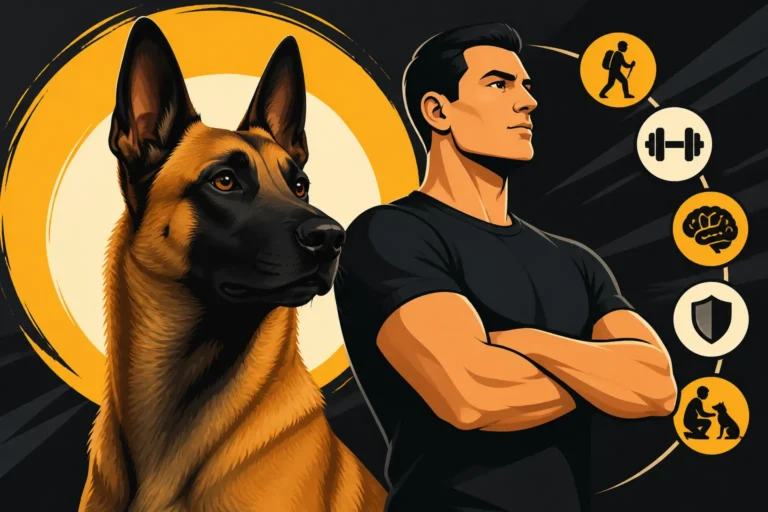
Understanding that your Belgian Malinois is fundamentally a herding dog, even if they're a family companion, changes your perspective on their needs and behaviors. It's not just a trivial classification; it's a key to unlocking their intrinsic drives and providing them with a fulfilling life. This knowledge empowers owners to make more informed decisions about training, exercise, and overall care, ensuring a happier and more balanced Malinois.
When you bring a Malinois into your home, you're not just getting a dog; you're getting centuries of carefully selected herding instinct wrapped in a lean, powerful package. Ignoring this heritage can lead to frustration for both dog and owner. Instead, embrace it, and use this understanding to channel their incredible energy and intelligence in positive ways. The Kind of Owner a Belgian Malinois Requires is one who understands their deep-seated needs.
Choosing a Malinois
For prospective owners, knowing the Malinois is a herding breed is paramount for selecting the right dog. It means you're not just getting a "sport dog" or a "guard dog" but a highly intelligent animal with an innate drive to control and organize. This implies a need for consistent training, mental stimulation, and plenty of appropriate physical exercise. They aren't content to be couch potatoes; they need a job, even if that job is something as simple as fetching a specific toy or performing a complex obedience routine. Why Most Belgian Malinois Owners Underestimate the Breed often comes down to this misunderstanding of their core drives.
When you're evaluating breeders, asking about the herding history in their lines, or if they participate in herding trials, can give you valuable insight into the temperament and drives of the puppies. While many breeders focus on protection sports, the underlying herding traits are still present and contribute to the overall working ability of the dog. Looking up a dog's pedigree and understanding the titles can offer clues. Reading a Belgian Malinois Pedigree Before Paying is a skill worth developing.
Supplies and Training Resources
Armed with the knowledge that your Malinois is a herding dog, you can make smarter choices about the supplies and training resources you invest in. You'll realize that regular walks are simply not enough; these dogs need engaging mental and physical challenges. How Many Hours a Belgian Malinois Should Work Daily is a question many owners grapple with, and understanding their herding background provides context for the answer.
Think about durable toys that can withstand intense play, like those you can find on Chewy, which caters to high-drive breeds. Flirt poles are fantastic for channeling prey drive, a critical component of herding behavior, and many reputable pet supply sites, including Chewy, carry excellent options. Puzzle toys are also invaluable for mental stimulation, preventing boredom and destructive behaviors. When you're looking for gear, whether it's a strong leash for long line work or a reliable harness, Chewy provides a convenient way to browse and compare products specifically designed for active dogs. Likewise, finding performance kibble formulated for high-energy working dogs is crucial, and you can often find great options on sites such as Chewy to fuel their endless energy.
For training, seek out trainers who understand the unique psychology of herding breeds. They'll appreciate the Malinois's intensity and teach you how to harness it constructively. Whether you're interested in formal herding, advanced obedience, or scent work, finding a mentor who comprehends their natural drives is key. Consider enrolling in classes that tap into their natural abilities, like agility or even beginner herding clinics, if available. Incorporating Puzzle Work for a Belgian Malinois Indoors can also provide critical mental stimulation when outdoor activities aren't feasible.
Disclaimer
This article is for general informational purposes only and does not constitute professional advice. Laws, prices and regulations vary by location and change over time. Consult a qualified professional for guidance on your specific situation.