The Sheep Work a Belgian Malinois Was Bred To Do
It’s easy to look at a Belgian Malinois today, charging across a field during a bite work session or methodically searching for an explosive device, and forget the humble beginnings that truly shaped this incredible breed. Many people struggle to understand the relentless drive and innate intelligence that defines a Malinois, often underestimating just how deeply their history in sheep herding embedded these traits. This guide will take you back to the roots of the Belgian Malinois, exploring the specific kind of sheep work they were bred for and how that foundational role continues to influence their nature and capabilities in the modern world.
The Malinois's Origins in Belgian Sheep Herding
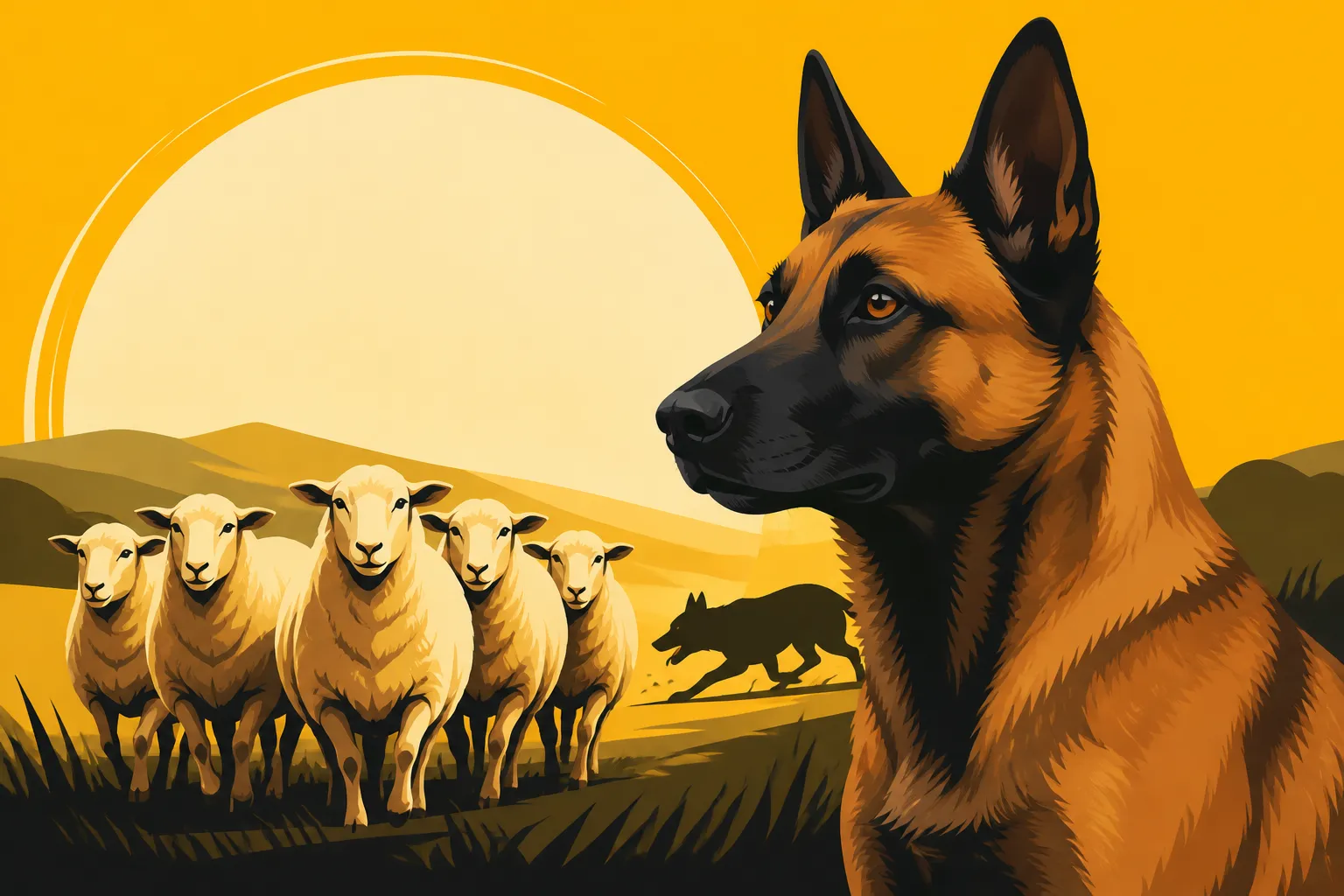
Before the Belgian Malinois became the formidable working dog we know today—excelling in military, police, and sport roles—they were primarily a utilitarian farm dog in the Malines region of Belgium. Their purpose was simple yet vital: to work livestock, particularly sheep, providing indispensable assistance to farmers in managing their flocks across varied terrain and often harsh weather conditions. This wasn't just a side gig; it was their primary job, shaping every aspect of their physical and mental makeup.
Life as a Farm Dog in Belgium
In the late 19th and early 20th centuries, Belgian farms were often small, requiring versatile dogs that could perform multiple tasks. These dogs weren't specialized herders in the way some border collies might be, but rather all-around farmhands. They needed to be agile enough to gather sheep from open pastures, robust enough to withstand the elements, and intelligent enough to respond to complex commands from their handlers. This demanding lifestyle fostered a dog that was incredibly adaptable and eager to please, forming strong bonds with their human companions while maintaining a keen sense of independence when performing tasks.
The local farmers relied heavily on these dogs, not just for moving livestock, but also for guarding the farm, deterring predators, and even helping with general farm duties. It was a symbiotic relationship where the dog's keen senses and boundless energy were channeled into productive work, essential for the farm's survival. This constant engagement and purpose are key to understanding why a Malinois struggles so much without a "job" today; it's simply what they were bred to do for generations.
The Foundation of the Breed Standard
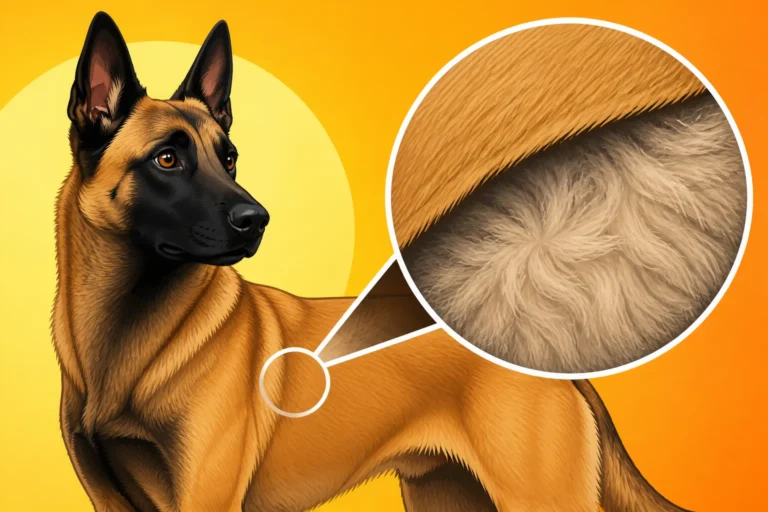
When enthusiasts in Belgium began to formalize and standardize the native shepherd dogs in the late 1800s, the Malinois variety was specifically recognized for its short, fawn coat and its exceptional working ability. The focus wasn't on flashy looks, but on functionality, health, and temperament suited for demanding work. These early breed standards were essentially a blueprint for a highly efficient working dog, emphasizing traits like courage, intelligence, alertness, and an unwavering desire to work. The Belgian Town the Malinois Is Named After provides more context on the geographical origins.
The original breeders and fanciers understood that preserving these working characteristics was paramount. They sought to select dogs that demonstrated the most desirable traits for herding and general farm work, ensuring that each generation maintained the vigor and mental acuity necessary for their tasks. This commitment to working ability over mere aesthetics is a hallmark of the Malinois breed and explains why even today, their working lines are so highly prized.
Essential Herding Instincts and Traits Developed by the Malinois
The rigorous demands of sheep work instilled a specific set of instincts and physical traits in the Belgian Malinois that are still evident today. These aren't just quaint historical footnotes; they are the very engine that drives the breed and can lead to frustration if misunderstood by modern owners.
The Drive to Gather and Control
One of the most defining instincts bred into the Malinois was the innate drive to gather and control livestock. This isn't just about chasing; it's about intelligent manipulation of the flock. A Malinois would use its body language, presence, and swift movements to influence the sheep's direction, effectively moving them from one pasture to another, into pens, or away from dangerous areas. This requires incredible focus, observational skills, and the ability to anticipate the movements of the animals.
This "gathering" instinct manifests in modern Malinois as a strong desire to keep things together—whether it's family members, other pets, or even toys. You might notice your Malinois attempting to "herd" children or other dogs in the yard, circling them or nudging them back towards a central point. While endearing, this instinct can also be overwhelming if not properly channeled, often leading to nipping behaviors if the dog tries to control movement by mouthing. Understanding this root cause is vital for training. The Herding Instinct Still in a Belgian Malinois delves deeper into these traits.
Mental Acuity and Problem-Solving Skills
Herding sheep isn't mindless work; it's a dynamic puzzle that changes with every turn of a ewe or every stray lamb. A good herding dog, like the early Malinois, had to be a quick thinker, capable of solving problems on the fly. They couldn't always wait for a command; sometimes, the situation demanded immediate action to prevent sheep from scattering or wandering into trouble. This meant assessing the situation, making rapid decisions, and adjusting their approach continuously.
This sharp mental acuity translates directly to the modern Malinois's incredible intelligence and intense need for mental stimulation. They thrive on challenges and complex tasks. An "unemployed" Malinois will often invent its own "problems" to solve, which can include opening cabinets, dismantling furniture, or finding escape routes from seemingly secure enclosures. Providing consistent, engaging mental work is just as important as physical exercise for these dogs, and products like puzzle toys or durable chews from retailers like Chewy can be excellent tools to satisfy this need. The Mental Work That Finally Tires a Malinois Out offers more ideas.
Endurance and Agility for the Field
To spend hours working sheep across varying terrain—from open fields to rugged hillsides—a Malinois needed exceptional physical conditioning. They were bred for endurance, able to cover significant distances at speed, and agility, allowing them to change direction instantly, leap over obstacles, and navigate uneven ground with grace. Their lean, muscular build and efficient gait are direct results of generations of selection for these physical capabilities.
This athleticism is why the Malinois is so often chosen for high-octane sports and physically demanding jobs today. They possess an almost endless well of energy and a natural spring in their step that makes them outstanding in agility, dock diving, and protection sports. However, this also means they are not content with a simple walk around the block. Owners often find themselves struggling to provide enough appropriate exercise, leading to destructive behaviors born of pent-up energy. Two Hours and a Job a Belgian Malinois Demands Daily highlights the demands.
The Specifics of Traditional Belgian Malinois Sheep Work
The life of a herding Malinois in old Belgium was anything but glamorous. It was a constant cycle of working closely with the shepherd, performing tasks that were crucial for the flock's well-being and the farmer's livelihood. This work required a blend of controlled aggression, unwavering focus, and subtle communication.
Gathering and Driving Flocks
The primary task of a Belgian Malinois was to gather scattered sheep and drive them to a desired location, whether that was a new grazing area, a shearing pen, or the barn for the night. This often involved covering large distances and navigating difficult natural barriers. The dog wasn't simply running after the sheep; it was using its presence and body to create a "wall" around the flock, gently but firmly guiding them. If a sheep broke away, the Malinois would swiftly and silently intercept it, bringing it back into the fold without causing panic.
This required a delicate balance of pressure and release. Too much pressure, and the sheep would scatter in fear; too little, and they wouldn't move. The Malinois learned to read the flock, understand the shepherd's subtle signals, and adjust its tactics accordingly. This close working relationship built immense trust and understanding between dog and handler, a bond that is still a hallmark of a well-trained Malinois today.
Protecting the Flock from Predators and Strangers
While not primarily a guardian breed in the same vein as a Anatolian Shepherd, the Malinois certainly contributed to the protection of the flock and the farm. Their natural alertness, courage, and territorial instincts meant they would often deter smaller predators like foxes or stray dogs. They were also wary of strangers, providing an additional layer of security for the homestead, barking to alert their owners to anything unusual.
This protective instinct is deeply ingrained. A Malinois is typically aloof with strangers and possesses a strong natural guarding tendency, even in a pet home. This isn't aggression for aggression's sake; it's a historical vestige of their role as protectors of their territory and their flock. This trait needs careful socialization and training to ensure it is managed appropriately in a modern setting, especially around visitors or in public spaces. A Belgian Malinois That Starts Guarding at Two explores the onset of these behaviors.
Assisting with Lambing and Shearing
Beyond the daily movements of the flock, Malinois were often involved in the more specialized tasks of lambing season and shearing. During lambing, they might help locate ewes that had wandered off to give birth, or gently guide new mothers and their lambs back to the main flock. Their calm demeanor, when properly directed, made them invaluable in these delicate situations.
During shearing, a Malinois might be tasked with moving individual sheep from holding pens into the shearing area, or managing small groups to prevent chaos. This work required precision and patience, qualities that might surprise those who only know the Malinois for its high-energy exploits. It demonstrates the breed's versatility and its capacity for controlled, nuanced work, which is why they excel in many precision-based working roles today.
Here's a quick comparison of traditional herding tasks and their modern parallels:
| Traditional Herding Task | Key Instincts Utilized | Modern Malinois Application |
|---|---|---|
| Gathering & Driving Flocks | Prey drive, territoriality, control, focus | Bite sports (IgP, Ring), police K9 (apprehension), search & rescue, advanced obedience |
| Protecting Flock/Farm | Alertness, courage, territoriality, guarding instinct | Personal protection, police K9 (handler protection), security work, home guardian |
| Assisting Lambing/Shearing | Patience, precision, intelligence, soft mouth (sometimes) | Detection work, service dog tasks, agility, complex obedience routines |
| Long Hours in Diverse Terrain | Endurance, resilience, physical agility, determination | Endurance sports, military K9 deployments, active family companion, trail running |
How Herding History Shaped the Modern Malinois Temperament
The foundational experience of herding livestock left an indelible mark on the Belgian Malinois's temperament, creating a dog with a unique blend of traits that can be both incredibly rewarding and intensely challenging for modern owners. Understanding these historical influences is crucial for managing and appreciating a Malinois today.
Intense Drive and Work Ethic
The life of a herding dog demanded an unflagging work ethic and immense drive. There were no "days off" when the flock needed tending, and a lazy dog was a useless dog. This historical imperative embedded a profound desire to work and a nearly boundless energy into the Malinois breed. They are not dogs that are content to simply exist; they crave purpose and thrive on having a job to do, no matter how small.
For a modern Malinois, this means they often possess an intensity that can be overwhelming for inexperienced owners. They are constantly "on," observing their environment, seeking engagement, and looking for an outlet for their energy. This is why many end up in rescue, as owners simply cannot meet the demands of a dog that genetically feels compelled to work all the time. Providing structured training, whether it's Starting Scent Detection With a Belgian Malinois or advanced obedience, is essential to channel this inherent drive positively.
High Alertness and Environmental Awareness
A good herding dog had to be acutely aware of its surroundings, constantly scanning for misplaced sheep, potential threats, or changes in the weather. This required hyper-vigilance and an ability to process environmental stimuli quickly and efficiently. Their senses, particularly sight and hearing, were honed to pick up on the smallest details in their environment.
This hyper-alertness means modern Malinois are often highly sensitive to their environment. They notice everything—a leaf blowing across the yard, a distant siren, a neighbor opening their car door. While this makes them excellent watchdogs and detection dogs, it can also lead to reactivity or anxiety if not properly managed through socialization and desensitization. Owners must be prepared to engage in consistent environmental conditioning from a young age to help their Malinois navigate a busy world calmly.
Strong Handler Focus and Trainability
Working closely with a shepherd in complex herding situations demanded a dog that was highly attentive to its handler's commands and eager to cooperate. The Malinois learned to read body language, vocal cues, and even the subtle shifts in the shepherd's intent. This deep desire to partner with a human and please them is a cornerstone of the breed's incredible trainability.
This intense handler focus is a major reason why Malinois excel in performance sports and working roles. They live to work with their person, and their desire to engage makes them incredibly receptive to training. However, it also means they can be highly dependent on their handler and may struggle if left alone for long periods without sufficient mental and physical enrichment. Providing consistent training and interaction is not just beneficial for the dog; it's practically a requirement for their well-being. Building Engagement With a Belgian Malinois is key.
Transitioning from Sheep Work to Modern Roles
As agricultural practices modernized and the need for traditional herding dogs diminished in many parts of Belgium, the Belgian Malinois found a new calling. Their inherent traits, perfected through generations of sheep work, proved to be perfectly transferable to other demanding professions. This pivot cemented their reputation as one of the world's most versatile working breeds.
The Shift to Police and Military Work
The qualities that made the Malinois an outstanding herder—intelligence, courage, intense drive, athleticism, and trainability—were exactly what police departments and military units needed in their K9 programs. They were agile, fast, and possessed a powerful bite, making them ideal for protection, apprehension, and patrol duties. Their keen sense of smell, developed for tracking livestock, also made them exceptional in detection work for narcotics and explosives.
This transition wasn't accidental; it was a testament to the breed's inherent adaptability and the foresight of breeders who continued to prioritize working ability. Within a relatively short time, the Malinois went from the quiet fields of Belgium to the front lines of law enforcement and military operations worldwide. How the Belgian Malinois Took Over Police Work details this shift further, highlighting figures like Cairo who brought the breed into public consciousness.
Excelling in Sport and Performance Events
Beyond professional working roles, the Malinois also found a niche in various dog sports. Disciplines like Schutzhund (now IGP), French Ring, Belgian Ring, and Mondioring perfectly align with their drives and abilities. These sports simulate real-world protection and obedience scenarios, requiring high levels of control, courage, and athleticism. The Malinois's natural prey drive, initially honed for influencing sheep, is now channeled into working bite sleeves and tugs with explosive power and focus.
Agility, obedience, and even dock diving also see Malinois at the top of their game. Their incredible coordination, speed, and desire to please their handler make them formidable competitors. These sports provide crucial outlets for the Malinois's intense energy and mental stimulation needs, offering a structured environment for them to "work" and bond with their owners. Many owners find that participating in these events provides a fantastic way to fulfill their dog's intrinsic drive.
The Challenge for Pet Owners
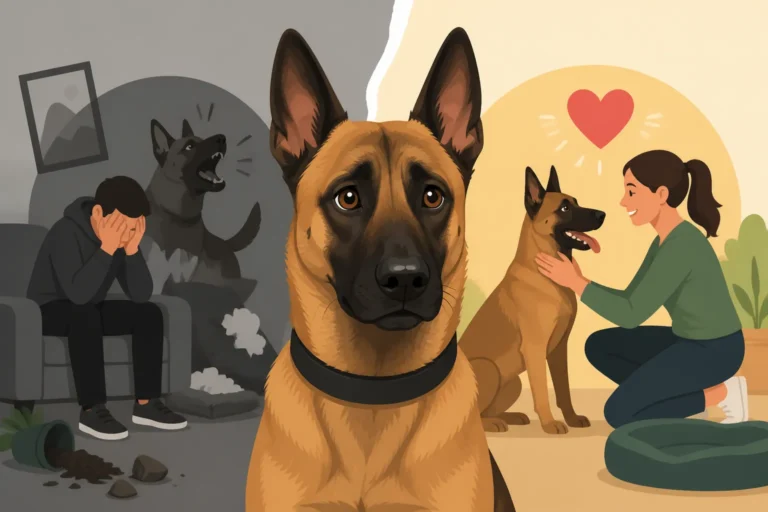
While the Malinois's transition to these demanding roles showcases their brilliance, it also presents a significant challenge for the average pet owner. A dog bred for such intense work, if not given an appropriate outlet, can become destructive, anxious, or develop behavioral issues. The mental and physical demands of their ancestors were extreme, and those needs haven't magically disappeared just because a dog lives in a suburban home.
This is where the realism comes in: owning a Malinois means committing to a lifestyle that embraces their working heritage. It's about more than just walks; it's about structured training, mental games, and consistent engagement. Brands like Chewy, offering a vast array of enrichment toys, durable chew items, and training treats, can be invaluable resources for owners looking to provide appropriate outlets for their Malinois's energy and intelligence. Why a Belgian Malinois Is the Wrong First Dog is a must-read for anyone considering the breed.
Modern Applications of Malinois Herding Instincts
Even though most Belgian Malinois aren't working sheep anymore, the instincts and traits developed during their herding days are incredibly powerful and continue to be applied in various ways today, shaping their interactions with the world.
Herding Instincts in Detection and Tracking
The Malinois's ability to focus intently on a specific scent and follow a trail, a skill critical for finding lost sheep or leading them across vast fields, is now utilized in highly specialized detection and tracking work. Whether it's sniffing out contraband, explosives, or even human remains, their historical ability to "work a scent" has been refined into an art form. This requires not just a good nose, but also incredible stamina and the mental fortitude to stay on task for extended periods.
For pet owners, this can be channeled through nose work games or advanced tracking classes. These activities tap into their innate abilities and provide immense mental satisfaction. A simple game of "find it" with treats hidden around the house can be surprisingly tiring for a Malinois, engaging their ancient herding and tracking instincts in a fun, modern way.
Control and Drive in Protection Sports
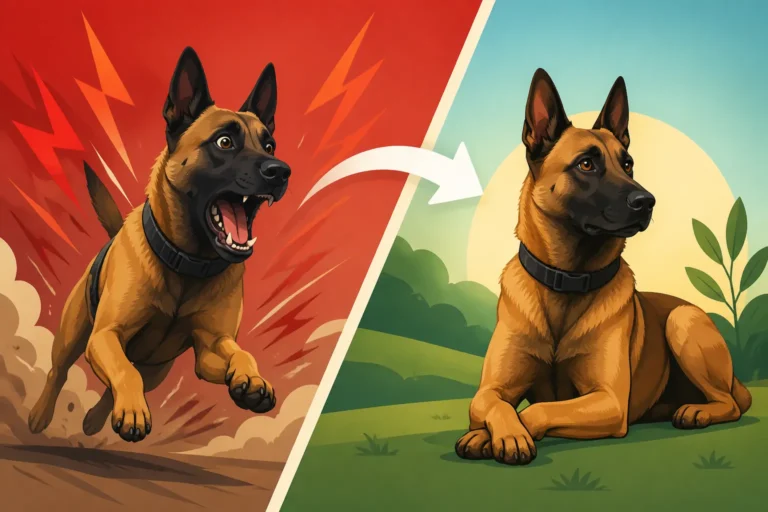
The controlled aggression and strong desire to control and influence a moving target, once aimed at sheep, are perfectly leveraged in protection sports. The decoy, acting as a "flock member" that needs to be controlled, becomes the focus of the Malinois's powerful drives. The dog learns to engage with intensity, grip firmly, and release on command, all under precise control. This is not about mindless aggression, but about channeled, directed drive, a testament to their herding roots.
The drive to work, the precision of their movements, and their unwavering focus on the "task" make them spectacular in these sports. It's an evolution of their original job, where instead of moving sheep, they are now performing complex bite and obedience routines with incredible power and athleticism. What Bite Sport Actually Asks of a Belgian Malinois gives a deeper look into the demands of these disciplines.
Companion Animals with a Purpose
Even in a purely companion role, a Belgian Malinois still benefits from owners who understand and cater to their innate herding characteristics. These dogs thrive when they have a sense of purpose, even if that purpose is simply to be an engaged family member who participates in daily routines. They are often happiest when they feel they are "helping" or contributing.
This might mean involving them in household tasks, such as carrying groceries (in a special dog pack) or retrieving items. It definitely means consistent, positive reinforcement training that keeps their sharp minds engaged. Offering them enrichment items from Chewy, like durable Kong toys stuffed with treats or interactive feeders, can provide mental stimulation that taps into their problem-solving instincts. Ultimately, the best way to honor the Malinois's herding heritage is to provide them with a rich, active life that respects their deep-seated need for work and partnership.
Disclaimer
This article is for general informational purposes only and does not constitute professional advice. Laws, prices and regulations vary by location and change over time. Consult a qualified professional for guidance on your specific situation.