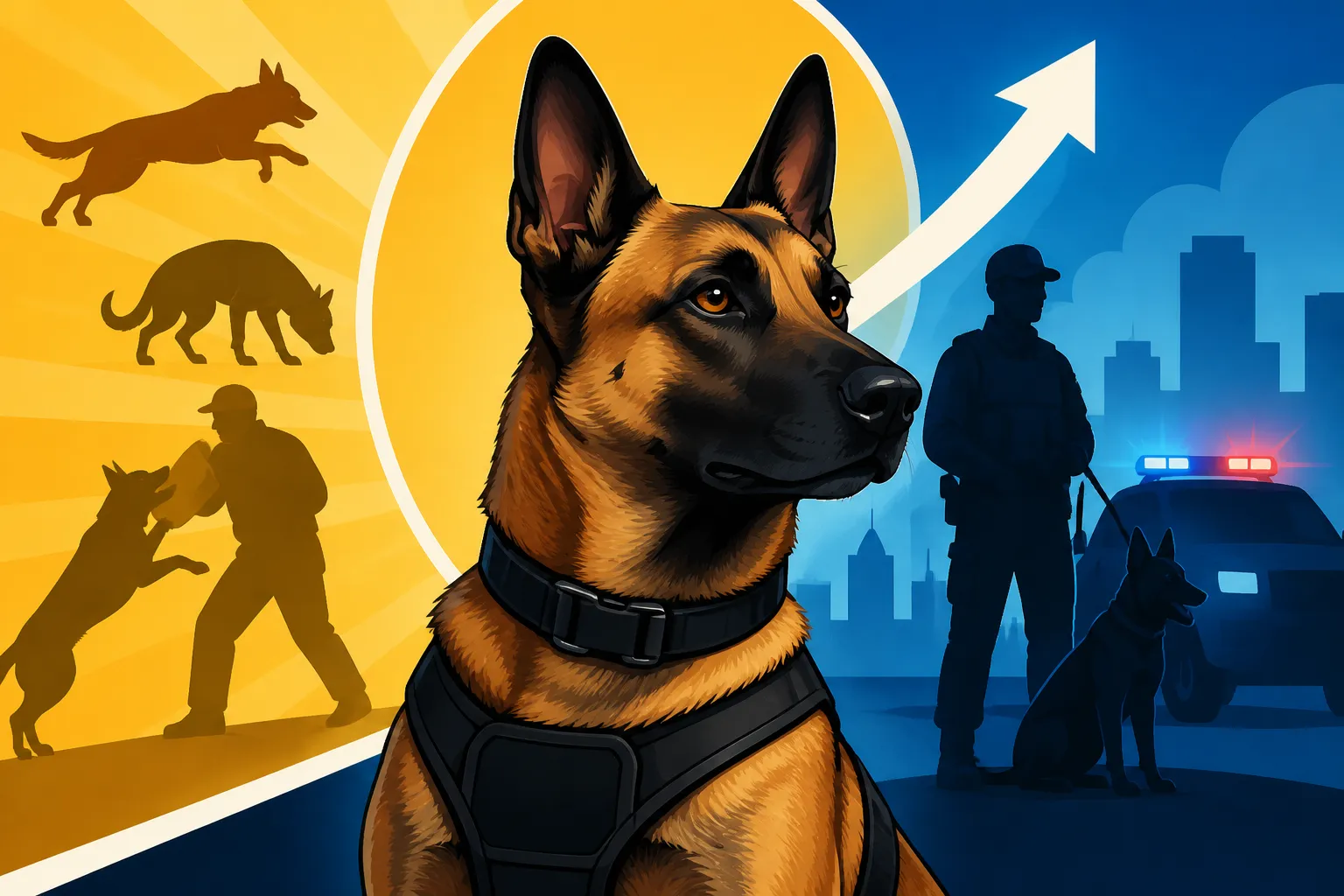
How the Belgian Malinois Took Over Police Work
For anyone who has watched a police K9 demonstration, seen a search and rescue operation on the news, or simply scrolled through social media, it's virtually impossible to miss the striking presence of the Belgian Malinois. These dogs have become synonymous with elite working roles, particularly in law enforcement and military applications, and many wonder how this relatively lesser-known breed ascended to such a dominant position. This guide will meticulously unpack the journey of the Belgian Malinois, from their humble origins as herding dogs to their current status as the world's premier police and military K9s, exploring the unique qualities that made this transition not just possible, but inevitable.
From Pasture to Patrol: The Genesis of a Working Breed
It's easy to look at a modern working Malinois, with its intense focus and incredible athleticism, and imagine it was always destined for such high-stakes roles. But the truth is, like many of our most capable canine partners, the Belgian Malinois started out with mud on their paws, quite literally, working the farms and pastures of Belgium. Their story is one of natural aptitude, careful cultivation, and a remarkable adaptability that allowed them to transition from tending sheep to tracking suspects with unparalleled success.
Initial Purpose and Natural Instincts
The Belgian Malinois, as one of the four varieties of Belgian Shepherd Dogs, was originally developed in the late 19th century in the Malines region of Belgium. Their primary role was that of a versatile farm dog: herding sheep, guarding livestock, and protecting their family's property. They weren't just fluffy companions; they were integral to the daily survival and economy of rural life. This meant they needed a combination of traits that would later prove invaluable for police work: innate intelligence, an unwavering work ethic, incredible physical endurance, and a keen sense of observation.
Think about what a good herding dog needs. They can't be easily distracted. They need to understand and execute complex commands, often from a distance, and they must be physically capable of running for hours, regardless of weather or terrain. They also need a certain level of "fight" – not aggression towards people, but the drive and confidence to stand up to a stubborn ram or deter a predator. All of these foundational instincts, honed over generations on Belgian farms, laid the groundwork for the future K9 superstar. The Herding Job the Belgian Malinois Was Built For It's truly fascinating to trace these working instincts back through their lineage and see how they've been repurposed.
Beyond the Farm: Early Transitions and Recognition
As the 20th century dawned, societal changes, particularly industrialization and urbanization, began to reduce the need for traditional herding dogs in many parts of Europe. However, the Malinois's intrinsic qualities meant their working life was far from over. Their exceptional intelligence and eagerness to please quickly caught the attention of early dog trainers who recognized their potential beyond the farm gate. They started appearing in various canine sports and utility trials, showcasing their superior athleticism and mental acuity.
This early exposure to structured training environments and competitive scenarios helped to refine their natural drives into more controlled, directed behaviors. People began to see that these dogs could learn almost anything and would give their all to the task. They weren't just fast or strong; they were smart and driven. This period was crucial in demonstrating that the Malinois wasn't just a good farm dog, but a truly exceptional working dog with capabilities that far exceeded typical companion breeds, preparing them for more demanding service roles that were just on the horizon.
The Pivotal Shift: From Guarding Herds to Guarding Communities
The decline of traditional herding roles didn't signal an end for the Belgian Malinois; rather, it opened the door to new opportunities that would redefine their purpose. As societies became more organized and urbanized, the need for law enforcement support evolved, and keen minds began to see how the Malinois's inherent traits could be harnessed for public safety. This period marked a pivotal shift, moving them from the fields into more structured, security-focused environments.
Industrial Revolution and Emerging Needs
The rapid industrialization across Europe led to significant demographic shifts, with people moving from rural areas to burgeoning cities. This concentration of population, unfortunately, also brought with it new challenges for maintaining public order and safety. Traditional methods of policing were often overwhelmed, and there was a growing recognition that canine partners could offer invaluable assistance. Dogs had already proven their worth in various military capacities, and it was only a matter of time before their potential for civil law enforcement was fully explored.
At this juncture, the attributes that made the Malinois an excellent farm guard – their vigilance, territorial instinct, and courage – became highly desirable. They possessed a natural deterrent effect and an uncanny ability to perceive and respond to threats. Unlike some other breeds, their drives were typically stable and controllable, meaning they could be trained to distinguish between legitimate threats and everyday occurrences, which is critical for a dog working within a community.
Early European Police and Military Trials
It was in Europe, particularly in their native Belgium and neighboring countries, that the Malinois truly began their journey into official service. As early as the turn of the 20th century, police forces and military units started experimenting with using dogs for patrol, detection, and protection. The Malinois quickly distinguished themselves in these early trials, often outperforming other breeds in terms of agility, speed, and endurance. Their intensity and focused nature were exactly what these new roles demanded.
The rigorous training programs established for these early K9s pushed the limits of canine capabilities, and the Malinois consistently rose to the challenge. They demonstrated a remarkable ability to learn complex tasks, follow intricate scent trails, and engage threats effectively when commanded. These early successes weren't just anecdotal; they were systematically observed and documented, building a strong case for the breed's suitability for police and military applications. This foundational period in Europe firmly established the Malinois as a serious contender for professional working dog roles, setting the stage for their eventual global dominance.
The Unmatched Arsenal: Traits That Define a Superior Police Dog
When we talk about what makes a Belgian Malinois such an incredible police dog, we're really talking about a perfectly engineered combination of physical prowess and mental fortitude. It’s not just one thing, but a symphony of traits that come together to create an animal uniquely suited for high-stress, high-stakes situations. These aren’t pets with a job; these are finely tuned athletes with an incredible capacity for work.
Unmatched Drive and Stamina
One of the most striking characteristics of the Belgian Malinois is their almost limitless drive. This isn't just about having a lot of energy; it's about a profound, inherent need to do something, to have a purpose, and to work. This drive manifests as an insatiable desire for engagement, whether it's chasing a bite sleeve, tracking a scent, or searching for contraband. For a police K9, this translates into a dog that can maintain focus and intensity throughout long shifts, regardless of environmental distractions or physical demands.
Their stamina is equally legendary. A Malinois can run, jump, and work tirelessly for extended periods, far outlasting many other breeds. This is crucial for roles like patrol, where a dog might need to cover large areas, or for tracking, where they might follow a scent for miles over varied terrain. They seem to have an internal motor that just keeps going, powered by their drive and an incredible metabolism. This relentless energy isn't just a bonus; it's a fundamental requirement for the demanding, often unpredictable nature of police work, ensuring they're always ready when called upon. The Mental Work That Finally Tires a Malinois Out
Intelligence and Trainability
Beyond their physical capabilities, Malinois possess a sharp intellect and an eagerness to please that makes them incredibly trainable. They are quick learners, often grasping new commands and complex sequences with remarkable speed. This isn't just about rote memorization; it's about their ability to understand concepts, problem-solve, and adapt their behavior to new situations. This intelligence is a huge asset in police work, where dogs need to perform intricate tasks and make sound decisions under pressure.
Their trainability also stems from their high handler focus. A well-bred and properly trained Malinois forms an incredibly strong bond with its handler, viewing them as the center of their world. This bond fosters a deep desire to comply and cooperate, making them highly responsive to commands even in chaotic environments. This combination of intelligence, adaptability, and handler devotion allows K9 units to train them for a vast array of specialized tasks, from narcotics and explosives detection to search and rescue operations, and, of course, patrol and apprehension.
Physicality and Agility
The physical build of a Belgian Malinois is a testament to its working heritage. They are medium-sized dogs, typically lean and athletic, with a powerful musculature that belies their relatively moderate weight. This streamlined physique gives them an incredible advantage in terms of speed, agility, and jumping ability. They can clear obstacles with ease, navigate tight spaces, and change direction at full sprint, all crucial for apprehending suspects or traversing challenging environments.
Their bite work is also legendary. The Malinois possesses an incredibly strong and full bite, often described as a "crushing" grip, which is essential for effective apprehension work. Unlike some breeds that might "mouth" or snap, a well-trained Malinois is taught to engage with a deep, unwavering grip on a suspect's arm or leg, neutralizing the threat efficiently. This physical prowess, combined with their mental toughness, makes them a formidable presence in the field and a respected partner in law enforcement. Injuries a Bite Sport Belgian Malinois Collects
Resilience and Hardness
The term "hardness" in dog terminology doesn't refer to aggression, but rather a dog's mental and physical toughness – their ability to withstand stress, pain, and adverse conditions without faltering. Malinois exhibit exceptional resilience, capable of maintaining their composure and executing their duties even in the face of loud noises, dangerous situations, or physical discomfort. This mental fortitude is invaluable for police K9s who are regularly exposed to high-stress environments, from active shooter situations to riot control.
They possess a remarkable pain tolerance, which, while not a desirable trait in itself, allows them to continue working through minor injuries or discomfort that might sideline a softer dog. This doesn't mean they are impervious to pain, but rather that their drive to complete their mission often overrides immediate physical sensations. This incredible resilience ensures that a police Malinois remains effective and reliable when their handler and the public need them most, reinforcing their reputation as truly tough and dedicated working dogs.
The Changing of the Guard: Why Malinois Outpaced Other K9 Breeds
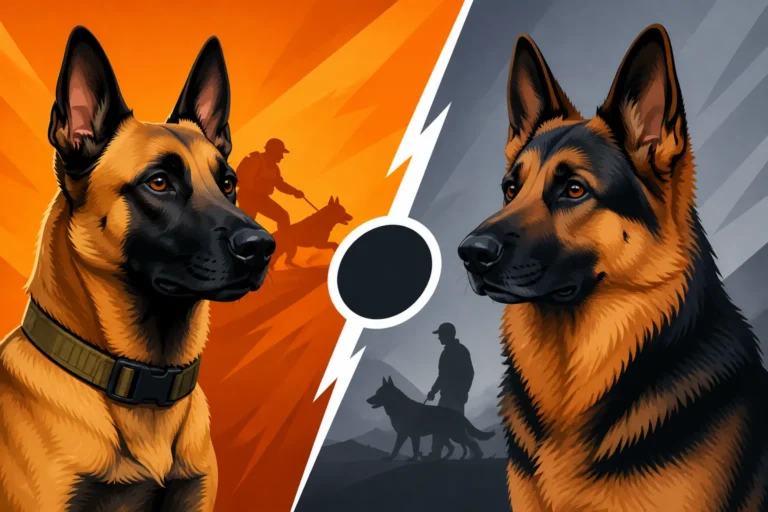
For decades, the German Shepherd Dog was the undisputed king of police and military K9 units. They were the standard, the iconic image of a working dog. But in what seemed like a relatively short period, the Belgian Malinois began to chip away at that dominance, eventually taking over many of these elite roles. This wasn't a sudden coup but a gradual shift, driven by a combination of evolving demands in police work and some inherent advantages the Malinois offered.
The German Shepherd's Reign and Its Challenges
The German Shepherd Dog certainly earned its place in history. Their intelligence, versatility, and imposing presence made them excellent choices for patrol and protection work for generations. They are still fantastic dogs, and many continue to serve admirably. However, as the demands of K9 work intensified and specialized, some challenges began to emerge with certain lines of German Shepherds.
One of the issues that sometimes plagued some German Shepherd lines was a decline in consistent working temperament and health. Over-breeding for show rings, rather than working ability, occasionally led to dogs with softer temperaments, less drive, or increased susceptibility to health issues like hip and elbow dysplasia. While many excellent working line German Shepherds persisted, the consistency across the board became a concern for some agencies. Additionally, some German Shepherds, particularly the larger, heavier lines, could struggle with heat tolerance during intense, prolonged operations, especially in hotter climates. These factors, though not universal, created an opening for a breed that could consistently deliver on intense working requirements. Malinois or German Shepherd for Real Work
Malinois Advantages: Speed, Bite, and Environmental Acclimation
This is where the Malinois truly shined. They offered several distinct advantages that became increasingly critical for modern police work:
- Exceptional Speed and Agility: Malinois are generally lighter and more athletic than German Shepherds. This translates to superior speed and agility, allowing them to cover ground faster, clear obstacles more easily, and react with incredible quickness. In scenarios requiring rapid deployment or pursuit, this speed is a game-changer.
- Intense Drive and Hardness: While both breeds possess drive, the Malinois often exhibits a raw, almost frenetic level of intensity that is highly desirable for K9 work. Their "on" switch is incredibly strong, and their hardness means they are less likely to be deterred by environmental stressors or physical discomfort.
- Stronger, Deeper Bite: In protection work, the quality of the bite is paramount. Malinois are renowned for their full, deep, and tenacious grip, which is often considered more consistent and powerful than that of many German Shepherds. This ensures effective apprehension and control of a suspect.
- Improved Heat Tolerance: With their shorter, less dense coats and leaner physiques, Malinois tend to handle hot climates and prolonged physical exertion better than many German Shepherds, particularly those with heavier coats. This became a significant factor for agencies operating in warmer regions or deploying dogs for long periods outdoors.
- Smaller Target Profile: Their slightly smaller stature can also be an advantage in certain tactical situations, making them a less obvious target while still retaining immense power and presence.
The Rise in Specific K9 Roles
Initially, Malinois began to gain traction in highly specialized roles where their unique advantages were most evident. They became the go-to breed for special operations units, counter-terrorism forces, and military K9 teams, where speed, stealth, and unwavering drive were non-negotiable. Their ability to work in extreme conditions and integrate seamlessly into tactical operations made them indispensable.
As their success in these elite roles grew, general law enforcement agencies began to take notice. They saw that the same traits that made Malinois exceptional for military applications translated perfectly to urban patrol, narcotics detection, and search and rescue. The consistency of working-line Malinois, bred specifically for these demanding jobs, became a key selling point. The breeders focused on temperament, health, and drive, ensuring a reliable supply of top-tier working dogs. This strategic focus, combined with their inherent physical and mental attributes, ultimately led to the Malinois becoming the breed of choice for a vast majority of K9 programs worldwide.
Cementing Dominance: The Modern K9 Landscape and Malinois Presence
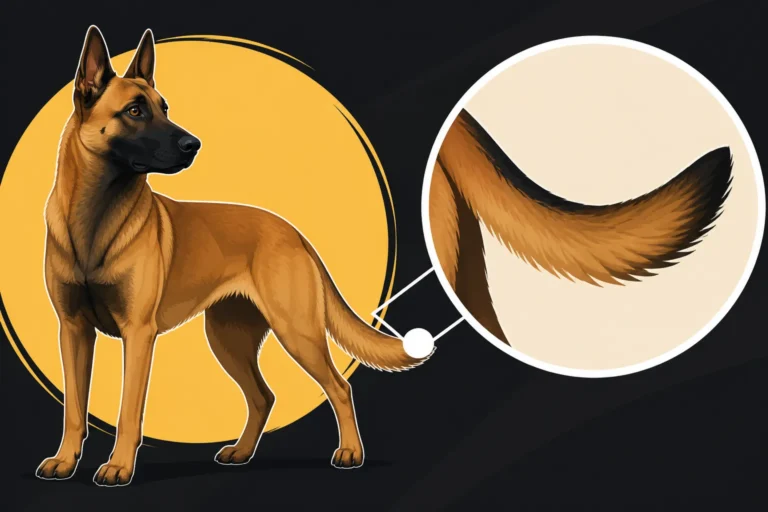
Today, the image of a police K9 is almost universally a Belgian Malinois. Their distinctive fawn coat and black mask are recognized globally as symbols of law enforcement excellence. This isn't just a trend; it's a testament to how effectively the breed has integrated into the highest echelons of working dog programs, proving their worth time and time again across a diverse array of tasks.
Versatility in Service
One of the most compelling reasons for the Malinois's widespread adoption is their incredible versatility. Unlike some breeds that excel in one specific area, the Malinois is truly an all-rounder. They are equally adept at:
- Patrol and Protection: Their intense drive, strong bite, and intimidating presence make them ideal for suspect apprehension, handler protection, and crowd control. They act as both a deterrent and a highly effective force option.
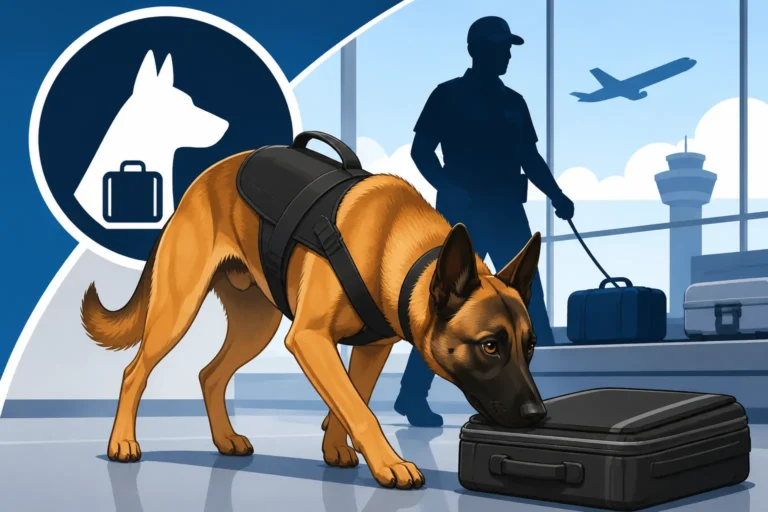
- Detection Work: With their exceptional noses and unwavering focus, Malinois excel in detecting narcotics, explosives, accelerants, and even human remains. Their high drive means they can work for extended periods, meticulously searching large areas. Detection Work Instead of Bite Work for a Malinois
- Search and Rescue: Their agility, stamina, and keen senses are invaluable in locating missing persons in collapsed buildings, wilderness areas, or disaster zones.
- Special Operations: From military special forces to SWAT teams, Malinois are deployed in high-risk tactical environments, often performing roles that require incredible courage, precision, and the ability to work off-leash in complex scenarios.
This adaptability means that a single Malinois can often be cross-trained for multiple disciplines, providing immense value to a K9 unit. A police department might have one Malinois that handles both patrol and narcotics detection, maximizing efficiency and resource allocation.
Global Adoption and Specialized Breeding Programs
The reputation of the Belgian Malinois as the ultimate working dog has spread far beyond its native Europe. Law enforcement and military agencies across North America, Asia, Africa, and Australia have embraced the breed. This global adoption has led to the establishment of highly specialized breeding programs, dedicated exclusively to producing Malinois with the specific genetic predispositions for K9 work. These breeders focus relentlessly on health clearances, stable temperaments, and very high working drives, understanding that the stakes for these dogs are incredibly high.
These programs often track pedigrees meticulously, emphasizing proven working lines over showring aesthetics. They prioritize genetic health testing for conditions like hip and elbow dysplasia, as well as neurological conditions like ataxia, ensuring that only the healthiest and most capable dogs enter the gene pool. The Two Ataxia Genes Belgian Malinois Are Tested For This commitment to breeding for purpose has created a consistent supply of exceptional working dogs, a reliability that agencies deeply value.
Ongoing Training and Handler Partnership
The success of a police Malinois is not just about its genetics; it's equally dependent on rigorous, ongoing training and the unbreakable bond it forms with its handler. These dogs are not simply "trained" and then deployed; their training is a continuous, lifelong process. From daily obedience refreshers to advanced scenario-based exercises, a K9 team is constantly honing its skills.
The partnership between a Malinois and its handler is truly unique. It's a relationship built on trust, respect, and mutual reliance, often forged over thousands of hours of training and shared experiences. The handler learns to read every subtle cue from their dog, while the Malinois learns to trust its handler's judgment implicitly, even in life-threatening situations. This symbiotic relationship is the backbone of any successful K9 unit, ensuring that the dog operates as a seamless extension of its human partner. This level of dedication requires not just skill, but also the right equipment, from high-performance food to durable training tools that can withstand the Malinois's intensity. Many handlers find reliable supplies for these needs from places like Chewy, ensuring their partners are always at their peak.
The Demanding Reality: Challenges and Considerations for Police Malinois
While the Belgian Malinois excels in police work, it's crucial to understand that this level of performance comes with its own set of challenges and demands, both for the dog and its handlers. The life of a K9 is far from ordinary, requiring specialized care, profound commitment, and a deep understanding of the breed's unique needs. It’s a job that takes a toll, and acknowledging that is part of respecting these incredible animals.
Physical and Mental Wear and Tear
The relentless physical and mental exertion required of a police Malinois inevitably leads to significant wear and tear. These dogs routinely put their bodies on the line, engaging suspects, clearing obstacles, and enduring environmental extremes. As a result, injuries are not uncommon, ranging from muscle strains and torn ligaments to more serious trauma. Their intense drive means they often push through pain, making early detection and treatment of injuries critical.
Beyond the physical, the mental demands are immense. Constant exposure to high-stress situations, rapid shifts from calm to intense action, and the pressure of always being "on duty" can take a psychological toll. While Malinois are incredibly resilient, they are not machines. Agencies and handlers work diligently to provide decompression, enrichment, and a stable home environment to mitigate stress, but the nature of the job means it will always be demanding. Recognizing these pressures is vital for ensuring the well-being of these dedicated K9s. The Age a Working Malinois Starts to Slow
The Specialized Care Required
Caring for a police Malinois is a full-time commitment that extends far beyond daily patrols. These dogs require specialized care to maintain their peak physical and mental condition. Their high metabolism and intense activity levels necessitate a high-quality, calorie-dense diet, often a performance-grade kibble, to fuel their work. Nutritional needs are paramount, and many K9 handlers meticulously select their dog's food, sometimes even exploring options available through retailers like Chewy, known for a wide range of premium dog food brands.
Routine veterinary care is also critical, often more intensive than for a typical pet. This includes regular check-ups, proactive screenings for common working dog ailments, and immediate attention to any injuries. Due to their lean body mass and high drive, special considerations might even be needed when they undergo procedures requiring anesthesia. Why Anesthesia Needs Discussing Before a Malinois Goes Under Beyond physical health, mental stimulation is non-negotiable. A Malinois needs constant engagement, even when off duty, through training games, puzzle toys, and structured exercise. Without this, their powerful drives can lead to destructive behaviors, underscoring the fact that their "off switch" needs careful management.
Finding the Right Match: Dog and Handler Selection
The process of selecting a police Malinois and pairing it with the right handler is incredibly rigorous. It's not just about finding a dog with high drive; it's about finding one with the right kind of drive – controllable, stable, and focused. Temperament testing is extensive, evaluating everything from nerve strength and environmental soundness to social behavior and bite inhibition. Only a small percentage of Malinois puppies or young adults will possess the ideal combination of traits required for K9 work.
Equally stringent is the selection of the handler. A K9 handler must not only be an excellent police officer but also an experienced dog trainer, a dedicated caregiver, and someone capable of forming an exceptionally strong bond with their canine partner. The training academy for K9 teams is grueling, designed to test the limits of both dog and human, ensuring that only the most cohesive and capable teams are deployed. It's a highly specialized field, and the intense partnership forged during this process is what ultimately makes the Malinois K9 unit so effective and respected. Whether a Malinois Attaches to a Single Person
The Legacy of the Malinois in Law Enforcement
The journey of the Belgian Malinois from the sheep pastures of Belgium to the forefront of global law enforcement is a powerful narrative of evolution, adaptation, and inherent excellence. Their rise to prominence isn't a result of fleeting popularity, but a hard-earned distinction based on their unparalleled drive, intelligence, agility, and resilience. They embody the ideal working dog: a loyal, tenacious, and incredibly capable partner that serves with unwavering dedication.
These remarkable dogs continue to push the boundaries of canine capabilities, constantly proving their worth in an ever-changing world of public safety. They are more than just tools; they are respected partners, guardians, and often, heroes in their own right, protecting communities and saving lives with their extraordinary skills. Their legacy is a testament to what can be achieved when the right genetic predispositions are combined with expert training and a profound human-animal bond. The future of K9 work will undoubtedly continue to feature the unmistakable silhouette of the Belgian Malinois, leading the way with their characteristic intensity and courage.
Disclaimer
This article is for general informational purposes only and does not constitute professional advice. Laws, prices and regulations vary by location and change over time. Consult a qualified professional for guidance on your specific situation.