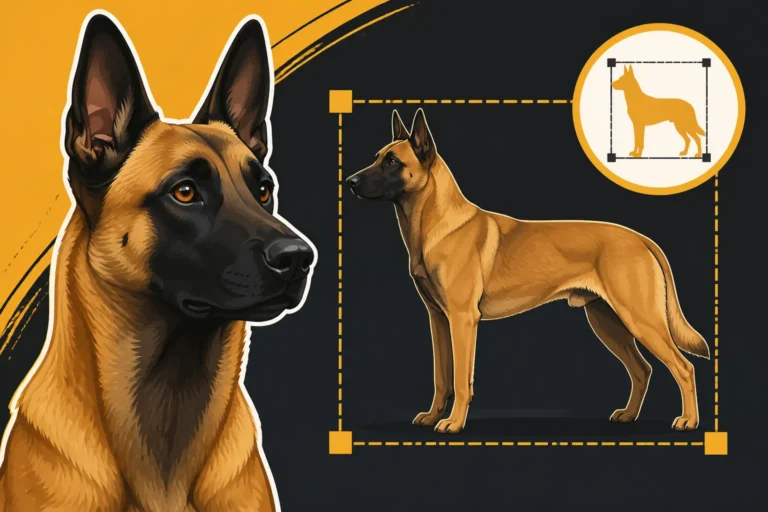
The Tail Carriage of a Belgian Malinois
One of the first things people often notice about a Belgian Malinois, beyond their intense gaze and athletic build, is their tail. It’s not just an appendage; it’s a dynamic communication tool, a balancing aid, and a key indicator of breed type. However, for many new Malinois owners, understanding what constitutes a "correct" tail carriage versus a common variation, or even how to interpret their dog's tail signals, can be a real head-scratcher. This guide aims to clear up the confusion, delving into the breed standard, discussing common deviations, and helping you understand this often-overlooked aspect of your magnificent dog.
Understanding the Breed Standard for Tail Carriage
When you look at a breed standard, it's essentially the blueprint for what an ideal Belgian Malinois should embody, both physically and temperamentally. The tail, while it might seem minor, plays a significant role in defining the overall silhouette and balance of the dog. It's not just about aesthetics; the way a Malinois carries its tail often reflects its working heritage and physical structure.
The Ideal Malinois Tail in Motion and at Rest
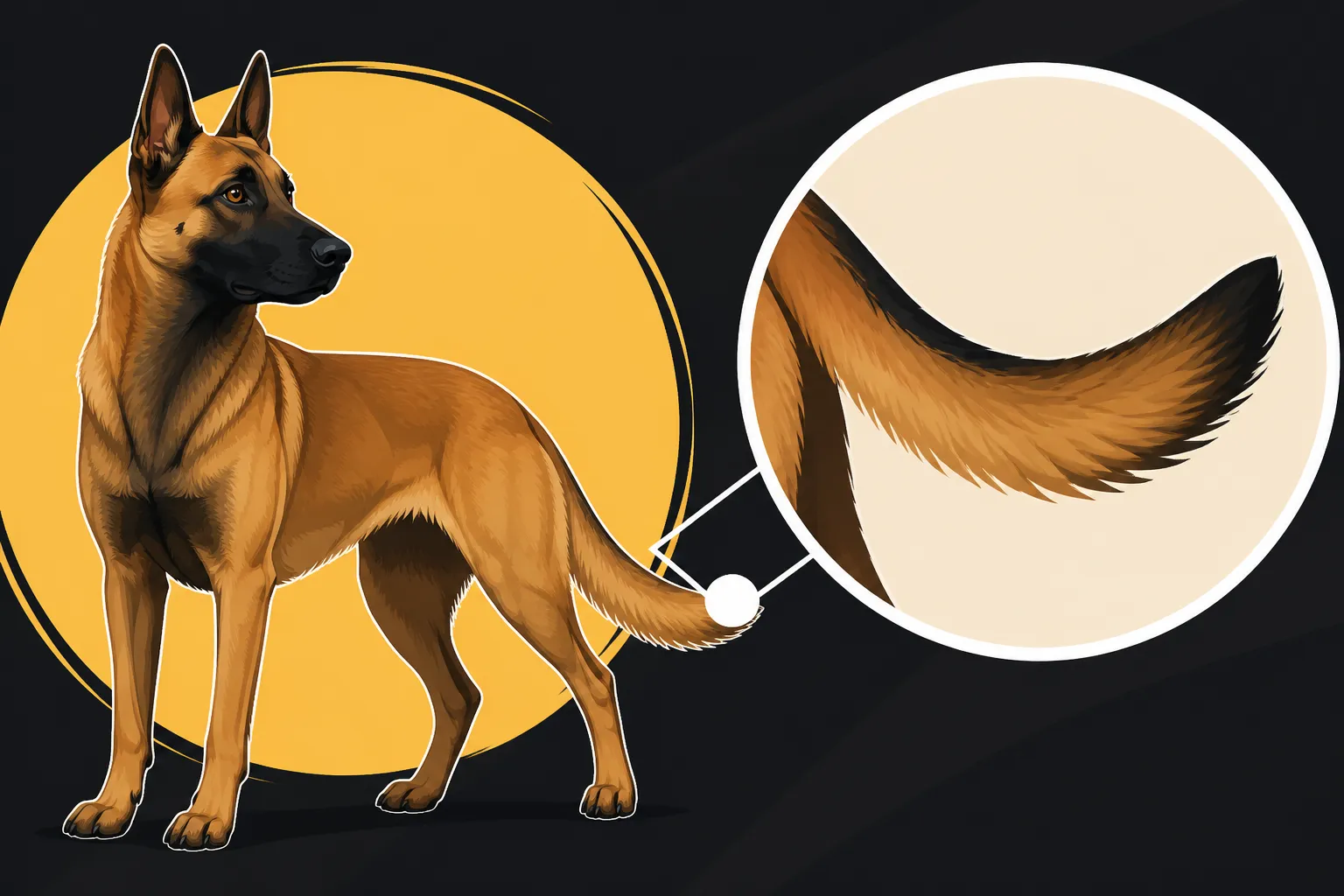
The breed standard describes the Malinois tail as strong at the base, tapering gradually to the tip, and reaching at least to the hocks, preferably a bit longer. When the dog is at rest, calm, and attentive, the tail should typically be carried low, with the tip often curving slightly upward. Think of a gentle "S" or "J" curve, but never a tight curl. It should hang naturally, not tucked between the legs unless the dog is displaying fear or extreme submission.
In motion, especially when excited or focused on work, the tail carriage changes. It might be raised, but ideally, it should not be carried above the horizontal or in a way that forms a ring over the back. The movement should be lively but not frantic, often acting as a counterbalance to the dog's powerful strides and quick turns. A Malinois uses its tail like a rudder, helping it maintain equilibrium during high-speed chases, jumps, or sudden changes in direction during protection or agility work. It's a testament to their incredible athleticism, and observing it in action is truly a sight to behold. A truly well-structured Malinois will use its tail as an extension of its spine, flowing with its movement.
Why Tail Carriage Matters in the Show Ring
For those involved in conformation or show rings, tail carriage is absolutely critical. Judges meticulously evaluate not just the physical attributes of the tail—its length, thickness, and set—but also how it is carried both when the dog is standing still and in motion. A tail that is too short, too thin, or improperly set can be penalized. More significantly, deviations in carriage can be considered faults.
A "gay tail," for example, where the tail is carried too high, often curving over the back, is a common fault. A tail that forms a tight ring or rests against the back is even more severe, sometimes even disqualifying depending on the specific standard interpretation and the judge's discretion. The ideal is a tail that complements the dog's The Square Outline a Belgian Malinois Should Have and powerful gait, indicating good musculature and a balanced temperament. It’s about the whole picture, where every piece fits together to create the quintessential Malinois. A judge is looking for a dog that embodies the breed's functional purpose, and the tail is part of that functional elegance.
Variations and What They Mean
While the breed standard paints a picture of perfection, real-world Malinois, even those with excellent pedigrees, often present with slight variations in their tail carriage. These deviations usually don't impact the dog's health or working ability, but they can certainly be a talking point among enthusiasts and judges. It’s important to understand that not every "non-standard" tail is a cause for concern, especially if you're not planning to compete in conformation.
The "Gay Tail" or Ring Tail: More Common Than You Think
The "gay tail" is perhaps the most frequently observed deviation from the ideal tail carriage in many breeds, including the Belgian Malinois. This refers to a tail that is carried high, often curving strongly over the back, sometimes even touching it. It’s not necessarily a sign of a structural flaw, but rather often a reflection of the dog's exuberant personality, high energy, and intense focus. When a Malinois is highly aroused, excited, or concentrating intently on a task, their tail will naturally rise. For many Malinois, this is just their default "happy" or "working" posture, especially in high-drive lines.
You might see this in your own Malinois when they are playing fetch with their favorite tug, or when they're engaging in protection work. Their entire body language screams intensity, and the tail, held high and sometimes curved, is just part of that package. While it's considered a fault in the show ring, it's very common and completely harmless for a pet or working dog. It doesn't mean your dog is "gay" in the traditional sense; it simply means their tail is carried in a cheerful or spirited manner. Many perfectly sound and functional Malinois exhibit this trait.
Low Set vs. High Set Tails: Beyond the Standard
Beyond the gay tail, there are also discussions around whether a tail is set too low or too high on the croup (the area of the back leading to the tail). A proper tail set flows smoothly from the topline. If the tail appears to drop sharply from the back, it might be considered low-set. Conversely, if it appears to sprout high above the level of the back, it's high-set. These are often subtle structural characteristics that affect the overall balance and appearance of the dog.
A truly low-set tail can sometimes make a dog appear longer in the back than they actually are, or detract from the powerful hindquarters that are so characteristic of the breed. A high-set tail might contribute to the "gay tail" appearance even when the dog is relaxed. For most pet owners, these subtle differences in tail set are hardly noticeable and certainly won't impact their dog's day-to-day life or athletic prowess. However, breeders and judges pay close attention to these nuances as they speak to the underlying skeletal structure, which is crucial for the breed's functional integrity. When you're Reading a Belgian Malinois Pedigree Before Paying, experienced breeders will often discuss the strengths and weaknesses of a dog's structure, including tail set, as part of their evaluation.
Tail Health and Practical Considerations
A Malinois tail is more than just a genetic trait or a communication device; it's a part of their body that is susceptible to injury, especially given their high-energy, full-throttle lifestyle. Protecting your Malinois's tail is just as important as caring for their paws or teeth, even if it often goes unmentioned.
The Importance of a Full, Undocked Tail
One of the most defining characteristics of the Belgian Malinois, compared to some other working breeds like Boxers or Rottweilers, is their natural, full tail. The breed standard explicitly calls for an undocked tail, and historically, these dogs were never subject to docking. Why a Malinois Keeps Its Full Tail is rooted in their heritage as herding and working dogs, where the tail serves vital functions.
Firstly, a Malinois uses its tail as a critical balancing tool. During the lightning-fast turns, leaps, and abrupt stops characteristic of bite work, agility, or herding, the tail acts as a counterweight, allowing the dog to maintain stability and execute movements with precision. Without it, their athleticism would be severely hampered. Secondly, the tail is an indispensable part of canine communication. A tucked tail, a high wag, a low swish – these are all vital signals to other dogs and to humans about a Malinois's mood, intent, and emotional state. Removing this tool would be like taking away a hand from a human; it significantly impacts their ability to express themselves and interact with their environment.
Furthermore, the tail provides a certain level of protection to the anal area. While not its primary function, it's a natural covering. The practice of docking tails is increasingly controversial globally, with many countries banning it outright, recognizing the functional and ethical importance of a dog retaining its natural tail. For a Belgian Malinois, the tail is not just an aesthetic feature; it's fundamental to who they are as a working animal.
Common Tail Injuries in Active Malinois
Given how active and often enthusiastic Malinois are, their tails can be surprisingly vulnerable to injury. One common ailment is affectionately (and sometimes frustratingly) known as "happy tail syndrome." This occurs when a dog with a powerful, fast wag repeatedly slams its tail against hard surfaces like walls, furniture, or crate bars. The tip of the tail, especially, can suffer lacerations that are incredibly difficult to heal due because the tail is almost always in motion. These injuries can be messy, painful, and require diligent bandaging and rest, which is a challenge with a Malinois.
Beyond happy tail, Malinois can suffer breaks or sprains if their tail gets caught in a door, stepped on, or twisted during rough play or training. They might also experience "limber tail" or "cold tail," a temporary but painful condition where the tail goes limp, often after intense swimming or exposure to cold weather. This condition is thought to be a muscle strain in the tail base. While often self-resolving with rest, it’s alarming to witness.
Preventing these injuries involves a bit of vigilance. Ensure your dog has enough space to wag freely, especially when crated or kenneled. If they’re prone to happy tail, you might consider padding common wagging zones or, in severe cases, using a soft, protective wrap for short periods. Always supervise play, especially with other dogs, to prevent accidental twists or pulls. If you notice your Malinois constantly chewing at their tail, or if it suddenly goes limp, is held awkwardly, or causes them pain when touched, it's always best to consult your veterinarian. Early intervention can prevent minor issues from becoming major ones. Maintaining good overall physical condition can help prevent Muscle Strains in a Belgian Malinois throughout their body, including the tail.
Communication Through Tail Carriage
The tail is a fascinating and complex communication device for dogs, and the Belgian Malinois, with their expressive nature, uses it extensively. Learning to read your Malinois's tail can give you invaluable insights into their mood, intentions, and overall state of mind. However, it's crucial to interpret tail signals in conjunction with the dog's entire body language.
Reading Your Malinois's Mood from Its Tail
The speed, height, and stiffness of a Malinois's tail wag can convey a wealth of information:
- High, fast wag: Often interpreted as excitement or happiness, this can also signal high arousal, intense focus, or even overstimulation. If the rest of the body is stiff, eyes are wide, and ears are forward (refer to The Ears and Expression of a Belgian Malinois), it might indicate a dog ready to spring into action, not necessarily a friendly greeting. A Malinois getting ready for a bite session might show a rapid, high tail wag, but it's not a "come pet me" signal.
- Relaxed, low wag: This is generally a sign of friendliness, contentment, and a relaxed disposition. The tail might swing loosely from side to side, often involving the hips in the motion. This is the classic "happy dog" wag, indicating they are comfortable in their environment and with the people or dogs around them.
- Tucked tail: A tail tucked tightly between the legs is almost universally a sign of fear, anxiety, or submission. A Malinois might tuck their tail if they are feeling intimidated, in pain, or trying to de-escalate a perceived threat. If your Malinois suddenly tucks their tail, it's a clear signal that something in their environment is making them uncomfortable, and you should investigate the cause.
- Stiff, horizontal tail: When a Malinois holds its tail stiffly out or slightly above horizontal, often with a slight, subtle quiver or slow wag, it usually indicates alertness, curiosity, or focused attention. This can be a precursor to investigation, or it might signal that the dog has noticed something interesting and is assessing the situation. If accompanied by a rigid body and direct stare, it can also be a warning signal, indicating a heightened state of awareness or potential threat assessment. This is an important signal to recognize, especially when considering The Reputation a Belgian Malinois Carries in Public.
Understanding these nuances helps you not only connect better with your dog but also allows you to anticipate their reactions and manage situations more effectively.
Misinterpreting Malinois Tail Signals
One of the biggest mistakes people make when interacting with dogs, especially a high-drive breed like the Malinois, is assuming that any wagging tail equals a friendly dog. This is a dangerous oversimplification. As discussed, a high, fast wag can easily be a sign of high arousal or stress, not an invitation for petting. A Malinois whose tail is wagging rapidly while their body is stiff, their hackles are raised, and their gaze is fixed is a very different dog from one whose tail is gently swishing with a relaxed body.
It’s absolutely vital to look at the entire picture: the dog's eyes (are they soft or hard?), ears (forward, back, or relaxed?), mouth (tightly closed, panting, lip licking?), body posture (relaxed, tense, leaning forward?), and vocalizations. A Malinois is an intense dog, and their communication, including tail signals, can be intense too. Educating yourself and others, particularly children, on proper canine body language is paramount. Teaching children that a wagging tail doesn't automatically mean "friendly" can prevent misunderstandings and potential bites. Always observe the dog's comfort level before approaching, and respect their signals. If you are unsure, err on the side of caution. Even well-socialized Malinois can have their limits, especially when startled or feeling threatened. Whether a Belgian Malinois Is More Intense Than It Looks is something many owners learn quickly, and their tail is often one of the first indicators.
Here's a quick reference table for tail carriage interpretations:
| Tail Position / Motion | Common Interpretation | Contextual Nuances |
|---|---|---|
| Low, Loose Wag | Relaxed, friendly, happy, content | Gentle, full-body wag. Indicates comfort and approachability. |
| High, Fast Wag | Excited, highly aroused, focused | Can also indicate stress, overstimulation, or a readiness for action. Look at the whole dog. |
| Horizontal, Stiff | Alert, curious, assessing, focused | Can be a warning or a sign of intense concentration. Often accompanied by rigid body. |
| Tucked Low/Between Legs | Fearful, anxious, submissive, in pain | Strong indicator of discomfort or distress. Investigate the cause. |
| Slight Curve, Hanging | Relaxed, calm, attentive at rest | The ideal standard for a Malinois when observing its environment calmly. |
| Ring Over Back (Gay Tail) | High drive, excitement, genetic variation | Often a show ring fault, but common in high-drive lines. Not usually a health concern. |
The tail of a Belgian Malinois is a wonderful, complex part of their anatomy and their communication system. By understanding its nuances, both in terms of breed standard and practical application, you can foster a deeper connection with your dog and ensure their well-being. Whether you're admiring its elegant curve or watching its enthusiastic wag, appreciating the tail carriage helps you understand your Malinois just a little bit better. Just make sure to keep some first aid supplies from places like Chewy on hand for those inevitable "happy tail" incidents, because an enthusiastic Malinois is going to wag that tail with all their might, sometimes at the expense of a wall or two.
Disclaimer
This article is for general informational purposes only and does not constitute professional advice. Laws, prices and regulations vary by location and change over time. Consult a qualified professional for guidance on your specific situation.