The Ears and Expression of a Belgian Malinois
Anyone who has spent time around a Belgian Malinois knows that these dogs are masters of silent communication, often conveying an entire narrative with just a flick of an ear or a subtle shift in their gaze. This guide is dedicated to helping you decipher the nuanced language of your Malinois's ears and facial expressions, moving beyond simple assumptions to truly understand what your high-drive companion is trying to tell you.
The Distinctive Malinois Ear: Anatomy and Standard
The ears of a Belgian Malinois are arguably one of its most defining physical features, often the first thing people notice, giving the breed that intense, alert appearance. They're not just for hearing; they are a critical tool for communication and a key indicator of the dog's focus, emotion, and even health. Understanding the standard for Malinois ears, as well as their common care needs, is fundamental to appreciating this incredible breed.
Standard Ear Set and Shape: What Makes Them Distinct
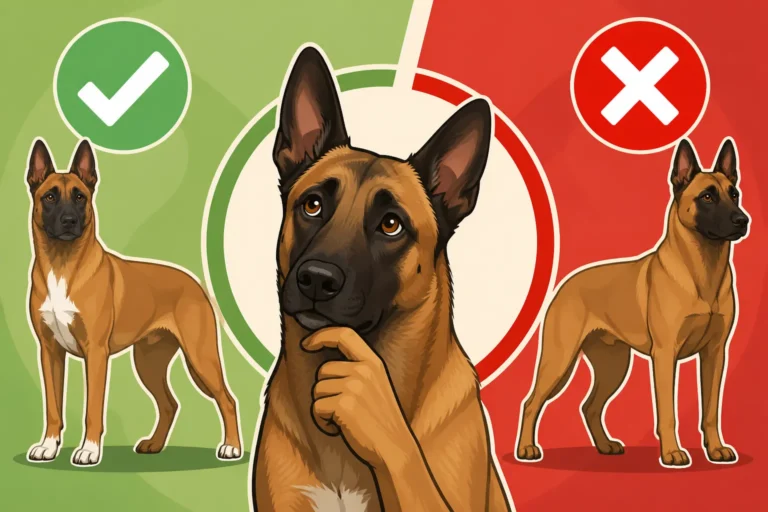
When we talk about the ideal Malinois ear, we're looking for a specific silhouette and carriage. The breed standard calls for ears that are triangular in shape, stiff, and erect, set high on the head. They should be proportionate to the head size, not overly large or small, and open forward. When the dog is alert, those ears should pivot independently, acting like little satellite dishes, swiveling to catch the slightest sound. This isn't just an aesthetic preference; it speaks to the breed's heritage as a vigilant herding dog, needing to hear and react to distant livestock or potential threats. A Malinois with soft or "tipped" ears, where the upper part folds over, is generally considered a fault in the show ring, though it doesn't impact their working ability. However, most working line Malinois still exhibit the classic upright ear, reflecting decades of selection for sharp senses and an alert demeanor. The firmness of the cartilage is what gives them their distinctive posture, holding them straight and forward-facing.
Common Ear Challenges: Floppy Ears, Infections, and Injuries
Even with their robust, upright structure, Malinois ears aren't immune to issues. While true "floppy" ears are rare in purebred Malinois after puppyhood, sometimes an ear might be slower to stand or might "tip" temporarily during teething due to calcium redirection. Most often, they'll stand erect by four to six months of age. Beyond structural concerns, infections are a common culprit for discomfort and can change a dog's ear carriage. Because Malinois are often highly active, working in various environments from dusty fields to wet forests, their ears can accumulate dirt, debris, or moisture, creating a prime breeding ground for bacteria or yeast. Signs of an infection include redness, discharge, head shaking, pawing at the ear, or a foul odor. Regularly checking inside the ears, especially after outdoor adventures, is crucial. Additionally, a working Malinois might experience minor injuries like scratches or scrapes to the ear tips, particularly if they are crashing through brush during tracking or detection work. These usually heal quickly but need to be cleaned to prevent secondary infections.
Grooming and Care: Keeping Those Ears Healthy
Maintaining the health of your Malinois's ears is a straightforward but essential part of their overall care. Their erect ears allow for good airflow, which is a natural defense against moisture buildup and infections, but they still need attention. A quick visual inspection a few times a week should become routine. Look for any redness, swelling, or unusual discharge. A healthy ear canal should be clean and light pink. If you notice a bit of dirt or wax, a gentle wipe with a dog-specific ear cleaner on a cotton ball (never a Q-tip, which can push debris further in) can keep things fresh. Products available from retailers like Chewy often include gentle ear cleansers specifically formulated for dogs. For Malinois that swim frequently or work in damp conditions, a drying ear solution after exposure to water can be invaluable in preventing infections. If you suspect an infection, it's always best to consult your veterinarian rather than attempting to self-treat, as different infections require specific medications. Regular care helps ensure those sharp, expressive ears stay in top working order.
Reading Malinois Ear Carriage: What It Tells Us
The way a Malinois carries its ears is a direct window into its mental and emotional state. Unlike breeds with drop ears, where movement can be subtle, the erect ears of a Malinois offer clear, unmistakable signals. Learning to interpret these signals can greatly enhance your bond and understanding, allowing you to respond appropriately to your dog's needs.
Alert and Engaged Ears: How They Look When Focused
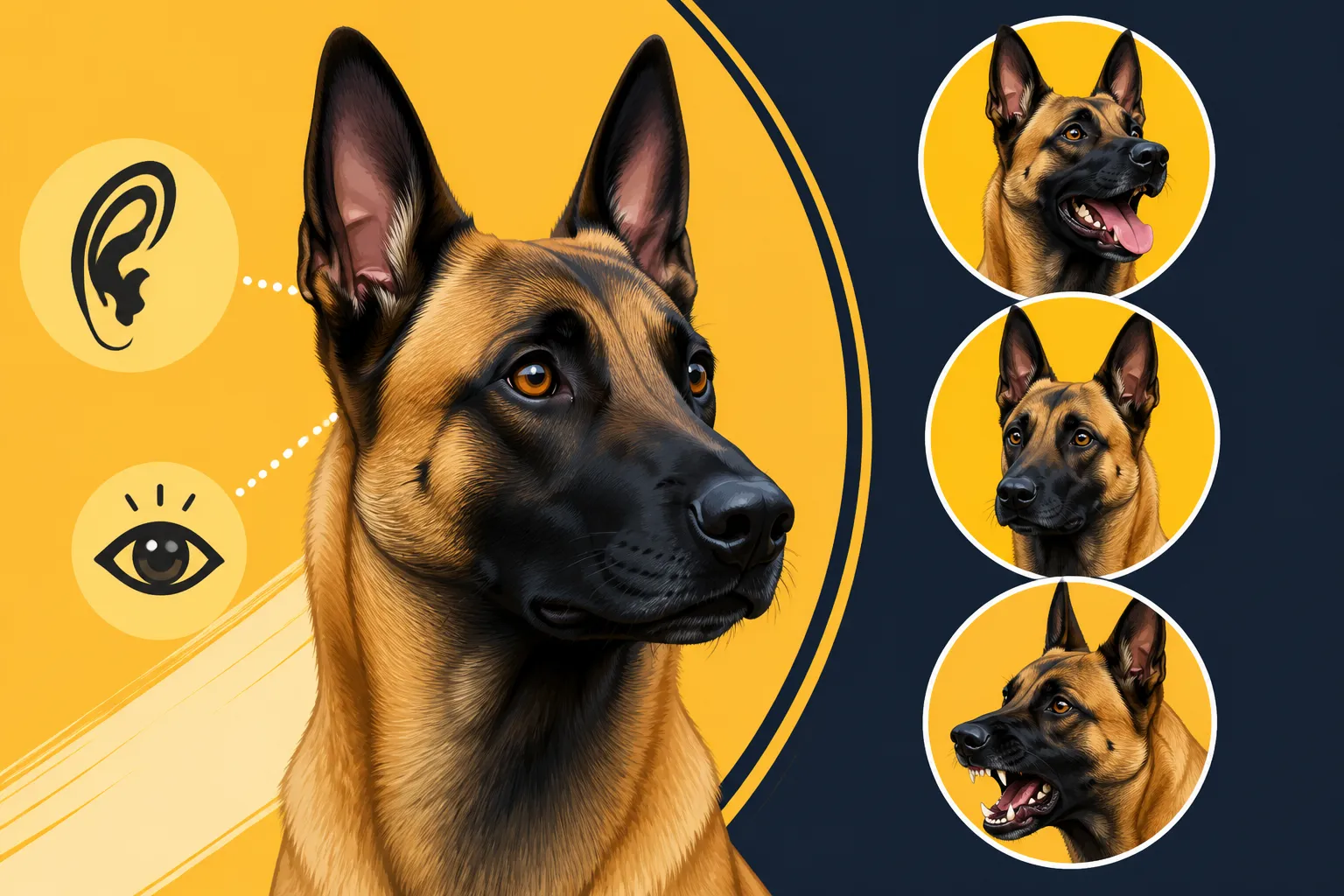
When a Malinois is fully engaged and alert, its ears will typically be rotated forward, often slightly tensed and held high on the head. Imagine those ears as radar dishes, swiveling and pointing directly at the source of their interest—be it a squirrel across the park, a command from their handler, or an unfamiliar sound. This forward-facing posture signifies intense focus and readiness to act. You'll often see this ear carriage during training sessions when they are locked onto a toy or a target, or when they're working a track. The muscles around the ears might even ripple slightly as they adjust their angle to pinpoint sounds. This is the posture of a dog that is "on," processing information, and deciding its next move. It’s an expression of their incredible drive and intelligence, a hallmark of the breed's working capacity. If their ears are fixed forward and their gaze is equally intense, it’s a clear sign they are fully committed to whatever has captured their attention.
Relaxed and Neutral Ears: What 'At Rest' Means
A truly relaxed Malinois, believe it or not, does exist, and its ears will reflect this state. When your Malinois is calm, perhaps napping by your feet or just quietly observing its surroundings without any particular concern, its ears will often be held slightly less rigidly. They might be a bit more "out to the sides" or slightly relaxed backward, rather than aggressively forward. This neutral position indicates a lack of immediate threat or strong interest. It's not a sign of disinterest, but rather a state of comfortable awareness. The tension in the ear muscles will be noticeably softer. You might see this when your dog is enjoying a quiet chew toy from Chewy, or simply lounging after a long training session. For a breed known for its intensity, recognizing this relaxed ear posture is important because it signifies a dog that is comfortable and not hyper-vigilant. It's a fleeting state for many Malinois, so savor it!
Submissive or Stressed Ears: Flattened, Pulled Back
Understanding the signs of stress or submission in a Malinois is paramount for responsible ownership. When a Malinois feels threatened, uncertain, or is attempting to convey appeasement, its ears will often be flattened back against its head, sometimes almost disappearing into the neck ruff. This backward pull is a strong indicator of discomfort, fear, or a desire to de-escalate a situation. Alongside flattened ears, you might also observe other body language cues such as a tucked tail, lowered head, averted gaze, lip licking, or yawning. In a highly stressful or fearful scenario, the ears might be pulled so tightly back that they seem almost glued to the skull. It’s a clear signal that the dog is feeling vulnerable or overwhelmed. Mistaking this for simple disinterest or stubbornness can lead to miscommunication and exacerbate the dog's anxiety. Being able to recognize these signs allows you to intervene, remove your dog from the stressful situation, or offer reassurance. This is especially vital when Socializing a Belgian Malinois Puppy Safely to ensure they have positive experiences and learn appropriate responses.
The Malinois Eye: Anatomy, Standard, and Expression
Beyond the ears, the eyes of a Belgian Malinois hold immense expressive power. They are often described as intelligent, keen, and full of fire, reflecting the breed's intense drive and sharp intellect. The way a Malinois uses its eyes, combined with its ear carriage, forms a significant part of its non-verbal communication.
Standard Eye Shape and Color: What the Breed Calls For
The eyes of a Belgian Malinois are typically medium-sized, almond-shaped, and usually dark brown. The darker the eye color, the better, according to the standard, as it contributes to that serious, intelligent expression. They should not be bulging or sunken but should be well-seated in the skull. The eye rims should be dark and well-pigmented. Anything lighter in color, such as amber or yellow eyes, is often considered less desirable in the show ring, though again, it doesn't affect a working dog's capabilities. The almond shape gives them a slightly oblique, almost intense gaze, which is characteristic of the breed's alert and watchful nature. This particular eye shape contributes significantly to "the look" of a Malinois – that piercing, intelligent stare that can convey so much without a single bark. When evaluating a puppy or an adult, The Head a Belgian Malinois Judge Wants always takes eye shape and color into account as crucial elements of breed type.
Communicating Through the Eyes: Intent, Focus, Emotion
The Malinois's eyes are incredibly communicative. A direct, unwavering stare often indicates focus, confidence, and perhaps a challenge, especially when paired with forward ears and a confident posture. This is the look you see when a Malinois is waiting for a command in the bite work field or locked onto its handler during an obedience routine. Conversely, a soft, blinking gaze can suggest appeasement or submission, particularly if the eyes are slightly narrowed or the dog offers "whale eye" (showing the whites of the eyes). Dilated pupils, on the other hand, can be a sign of arousal, fear, or intense excitement. A Malinois whose eyes are wide and darting may be anxious or scanning for threats. Observing the subtle movements of the eyes, how long a gaze is held, and whether it’s direct or indirect, provides valuable insights into your dog's internal state. They really do "talk" with their eyes, and learning to interpret these signals helps you understand their intent before they even move.
Health of the Malinois Eye: Conditions and Care
Beyond expression, maintaining good eye health is vital for any Malinois, especially those actively engaged in work. The breed is generally robust, but like all dogs, they can be susceptible to certain eye conditions. The Eye Diseases Behind a Malinois Eye Certificate discusses issues such as Progressive Retinal Atrophy (PRA), cataracts, or corneal dystrophies. While these might not directly impact eye expression in the early stages, they can cause discomfort or vision impairment that alters a dog's overall demeanor and therefore, its "look." Environmental factors also play a role; Malinois working in dusty or brushy conditions can get foreign bodies in their eyes, leading to irritation or scratches. Regular, gentle cleaning around the eyes to remove any discharge is good practice. If you notice persistent redness, excessive tearing, cloudiness, or any changes in vision, a veterinary check-up is always warranted. Early detection and treatment are key to preserving their sharp vision and comfortable expression.
The Malinois Muzzle and Mouth: How It Contributes to Expression
While ears and eyes capture a lot of attention, the muzzle and mouth are equally important components of a Malinois's facial expression. From the tight black mask to the subtle tension around the lips, these features add another layer to their communicative repertoire, often hinting at intent or underlying emotion.
Muzzle Shape and Pigmentation: Breed Specifics
A Malinois's muzzle should be strong, tapering slightly but not sharply, and proportionate to the length of the skull. The standard calls for a black nose and well-pigmented lips, giving the characteristic "black mask" that many fawn-colored Malinois possess. This mask is a crucial aspect of their breed identity and contributes to their intense, somewhat serious expression. The Black Overlay on a Belgian Malinois Coat further describes this striking feature. The tightness of the lips is also noteworthy; a Malinois typically has tight, clean lips that do not droop, which is ideal for a working dog to prevent snagging or injury. A full set of teeth with a scissors bite is also expected, showcasing their working utility. The overall shape of the muzzle and the strong pigmentation work together to frame the eyes and emphasize the alertness of the face.
The Malinois Smile and Grimace: Interpreting Mouth Movements
Dogs don't "smile" in the human sense, but a Malinois might offer something akin to it: a submissive grin, where the lips are drawn back to reveal the front teeth, often accompanied by a low body posture and tail wagging. This is typically an appeasement gesture, not a sign of happiness, and should not be mistaken for aggression. More commonly, you'll see a tight-lipped, closed mouth in a focused or neutral Malinois. However, subtle movements around the mouth can be very telling. A tight-lipped, forward-set jaw might indicate tension or readiness for action. A slight lifting of the corner of the lip, revealing a canine, is a clear warning sign. Panting is normal for a hot or excited dog, but excessive panting when not exerting itself can be a sign of stress or anxiety. Observing the tension, position, and any baring of teeth can help you differentiate between an aroused, playful Malinois and one that feels threatened or is issuing a warning.
Teeth and Bite: Importance for Expression and Work
The teeth and bite of a Malinois are not just for chewing kibble from Chewy; they are fundamental to their expression and their working capabilities. A complete set of strong, white teeth in a The Scissors Bite a Malinois Judge Checks For is the ideal. In working Malinois, especially those in protection sports, the strength and health of their canines are paramount. Any damage to these teeth, such as chips or fractures, can affect their ability to grip and can also cause pain, which in turn might alter their facial expression due to discomfort. A dog in pain might hold its mouth in a stiff, unnatural way or avoid opening it fully. Routine dental checks are as important for a working Malinois as checking their joints. A healthy mouth allows for clear expression and unimpeded work, ensuring their full engagement and communication.
Full Facial Expression: Combining Ears, Eyes, and Muzzle
Understanding a Malinois's full facial expression involves integrating all the elements we've discussed. It's rarely just one isolated signal; rather, it's a symphony of subtle cues that, when read together, paint a complete picture of your dog's internal state. The genius of the Malinois lies in how all these features work in concert.
The "Malinois Intensity": How Everything Comes Together
The term "Malinois intensity" isn't just a catchphrase; it's a tangible expression that comes from the combined power of their erect, swiveling ears, their keen, dark eyes, and their often tight, masked muzzle. When a Malinois is fully "on," whether working a track, engaging a decoy, or simply fixating on a distant object, these features align. The ears are forward and alert, the eyes are wide and focused, sometimes even appearing to narrow with concentration, and the muzzle is often held tight, occasionally with the nostrils flaring slightly to take in scents. This is the look of a dog that is completely absorbed in its task, exhibiting the extreme focus and drive for which the breed is famous. This intensity is one of the reasons they excel in demanding roles, but it also means that their default "neutral" can still look very driven to an untrained eye. It speaks volumes about How Many Hours a Belgian Malinois Should Work Daily to channel this inherent drive.
Subtle Cues: Blink Rate, Nostril Flare, and Muscle Tension
Beyond the obvious, pay attention to the micro-expressions. A rapid blink rate can indicate stress or anxiety, while slow, deliberate blinks might signify relaxation. The nostrils of a Malinois will often flare subtly when they are scenting or highly aroused, betraying their keen olfactory senses at work. The tension in the muscles around the eyes, jaw, and forehead can also provide clues. A furrowed brow, for example, can show concentration or mild concern. A relaxed Malinois will have smoother facial muscles. Even the slight movement of whiskers can be part of the overall picture. These subtle cues are often fleeting and require a keen eye to catch, but they add layers of meaning to the more overt ear and eye signals. Learning these nuances makes you a far more empathetic and effective handler.
Misinterpretations: When Human Assumptions Go Wrong
One of the biggest pitfalls in reading a Malinois's expression is projecting human emotions or assumptions onto their behavior. For instance, a dog might appear to be "pouting" with slightly lowered head and backward ears, when in reality, it's feeling submissive or stressed by a handler's displeasure. Similarly, the "Malinois intensity" can be misinterpreted as aggression when the dog is simply highly focused on a task or exhibiting its natural drive. It's crucial to look at the entire picture—body posture, tail carriage, vocalizations, and context—rather than isolating one facial feature. A tight mouth might not always mean aggression; it could simply be anticipation. Always consider the situation and your dog's known personality. Whether a Belgian Malinois Is More Intense Than It Looks is a common realization for new owners, highlighting the need for careful interpretation.
Distinguishing Expression from Behavior: Avoiding Misinterpretation
Understanding facial expression is one piece of the puzzle, but it must always be considered in the broader context of your Malinois's overall body language and behavior. A facial expression in isolation can be misleading; combined with other physical cues, it becomes a powerful communication tool.
Context is Key: Body Language vs. Isolated Facial Cues
Never rely solely on facial expressions to understand your Malinois. A Malinois with forward ears and an intense stare might be about to work a bite sleeve, or it might be fixated on a piece of dust in the sunlight. The difference lies in the context. Is its body stiff and low to the ground? Is its tail wagging loosely or held rigid? Is there any growling or displacement behavior? A Malinois's entire body tells a story. For example, flattened ears combined with a tucked tail and a lowered, avoidant posture strongly suggest fear or submission. Flattened ears with a stiff, forward body and a low growl, however, might indicate a defensive threat. Always take in the whole picture, from head to tail, to accurately interpret what your dog is trying to convey. This holistic approach prevents misjudgment and fosters a deeper connection.
Breed-Specific Expressions: What's Unique to the Malinois
While many canine communication cues are universal, some expressions are particularly pronounced or common in certain breeds. For the Malinois, that intense, focused gaze with forward, twitching ears is quintessential. Their high drive means they often default to a very "on" expression, even when simply observing. Unlike some more placid breeds, a Malinois often wears its working purpose on its face, even in casual settings. Their inherent vigilance and keen senses mean their ears are almost constantly working, picking up sounds and relaying their level of interest or concern. Owners of other breeds might not be accustomed to such a consistently sharp and active facial display. This breed-specific characteristic is part of what makes them so captivating but also what requires diligent interpretation. A Malinois might look "serious" or "aggressive" when it's simply paying close attention, a trait born from The Herding Job the Belgian Malinois Was Built For.
Training and Expression: How Training Impacts Presentation
A well-trained Malinois often presents itself with a clearer, more predictable range of expressions. Through consistent training, dogs learn to control their impulses and respond to cues, which in turn can influence their outward demeanor. For instance, a dog taught a strong "place" command and Teaching a Belgian Malinois to Lie Down and Do Nothing will often display more relaxed facial expressions in quiet settings, having learned to settle. In contrast, an untrained or inconsistently trained Malinois might exhibit more anxious or erratic facial cues, reflecting its internal uncertainty or overstimulation. Bite work or detection training, for example, hones their focus, making their "working face" incredibly precise and intentional. Training also helps a Malinois learn to regulate its arousal, which can lead to a more balanced and readable expression rather than constant hyper-alertness. This is why a solid foundation in obedience is so crucial for these intelligent dogs.
Internal Links to Consider:
- The Head a Belgian Malinois Judge Wants
- The Eye Diseases Behind a Malinois Eye Certificate
- The Black Overlay on a Belgian Malinois Coat
- The Scissors Bite a Malinois Judge Checks For
- Socializing a Belgian Malinois Puppy Safely
- Teaching a Belgian Malinois to Lie Down and Do Nothing
- How Many Hours a Belgian Malinois Should Work Daily
- The Herding Job the Belgian Malinois Was Built For
- Whether a Belgian Malinois Is More Intense Than It Looks
- Reading a Belgian Malinois Pedigree Before Paying
Understanding Malinois Communication: A Visual Guide
To help consolidate your understanding, here's a quick reference table outlining common Malinois ear and eye expressions and their general meanings. Remember, these are general indicators and should always be considered alongside overall body language and context.
| Ear Position | Eye Expression | Muzzle/Mouth Expression | General Interpretation |
|---|---|---|---|
| Erect, Forward, Pivoting | Wide, Intense, Focused | Tight-lipped, sometimes flared nostrils | Alert, Engaged, Highly Focused, Ready to Work |
| Slightly Back, Relaxed | Soft, Blinking, Neutral | Closed, Relaxed | Calm, Comfortable, Observing without strong interest |
| Flattened Back, Against Head | Narrowed, Averted, Whites Showing (Whale Eye) | Lip Licking, Yawning, Drooling, Tight | Stressed, Fearful, Anxious, Submissive, Appeasing |
| Upright, Tense, Slightly Back | Hard Stare, Dilated Pupils | Tight, Lip Curled, Growling | Confident Threat, Defensive, Highly Aroused |
| Ears Actively Scanning | Darting, Scanning | Closed, Nose Working | Investigating, Scenting, Processing environmental cues |
Disclaimer
This article is for general informational purposes only and does not constitute professional advice. Laws, prices and regulations vary by location and change over time. Consult a qualified professional for guidance on your specific situation.