The Head a Belgian Malinois Judge Wants
When you look at a Belgian Malinois, your eyes are immediately drawn to their intense gaze, their sharp, erect ears, and that distinctive dark mask. But for anyone involved in the breed, whether you're a competitor in conformation, a performance sport enthusiast, or just a dedicated owner, understanding the nuances of what constitutes an "ideal" Malinois head goes far beyond a quick glance. Many new owners, and even some who've been around the breed for a while, can feel overwhelmed trying to parse the detailed breed standard. This comprehensive guide is here to demystify what judges are looking for when they evaluate the head of a Belgian Malinois, and why these characteristics are so vital to the breed's overall health and working ability.
Understanding the Ideal Malinois Head: More Than Just Pretty Looks
It's easy to dismiss breed standards as purely aesthetic, a set of arbitrary rules for show dogs. But for a working breed like the Belgian Malinois, every aspect of the standard, including the head, is deeply rooted in functionality, history, and the preservation of traits essential for their demanding jobs. A judge isn't just looking for "pretty" when they examine a Malinois's head; they're looking for the blueprint of an efficient, capable working dog.
Why Breed Standards Exist for Head Structure
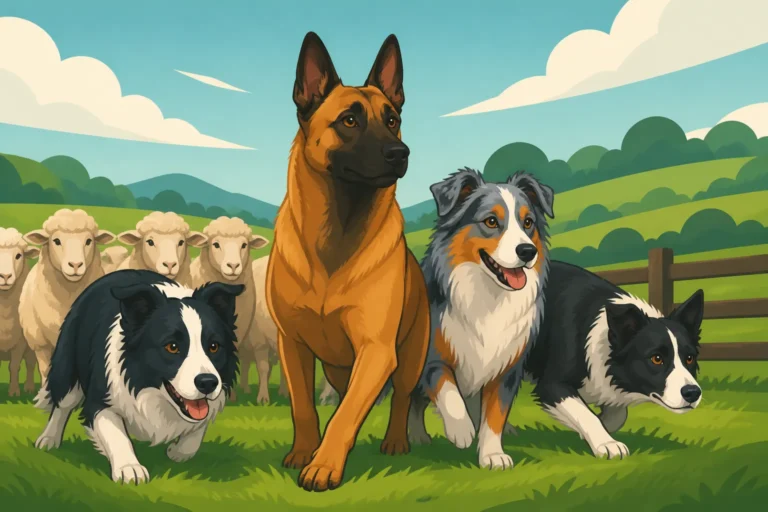
Think about the original purpose of the Belgian Malinois: herding and guarding livestock. These dogs needed keen senses, intelligence, and the physical attributes to perform complex tasks in various environments. The head, as the "control center," plays a massive role in this. The skull houses the brain, the eyes provide critical visual information, the ears gather auditory cues, and the muzzle and jaws are essential for grasping, holding, and even for gentle herding nudges. A well-constructed head ensures that these sensory organs are optimally placed and protected, and that the dog possesses the bite strength and dental health necessary for its work. When breeders adhere to these standards, they're not just creating show champions; they're safeguarding the genetic heritage that makes the Malinois so exceptional at its chosen vocations. It’s about maintaining the blueprint for a robust, intelligent, and capable animal.
The Overall Impression a Judge Seeks
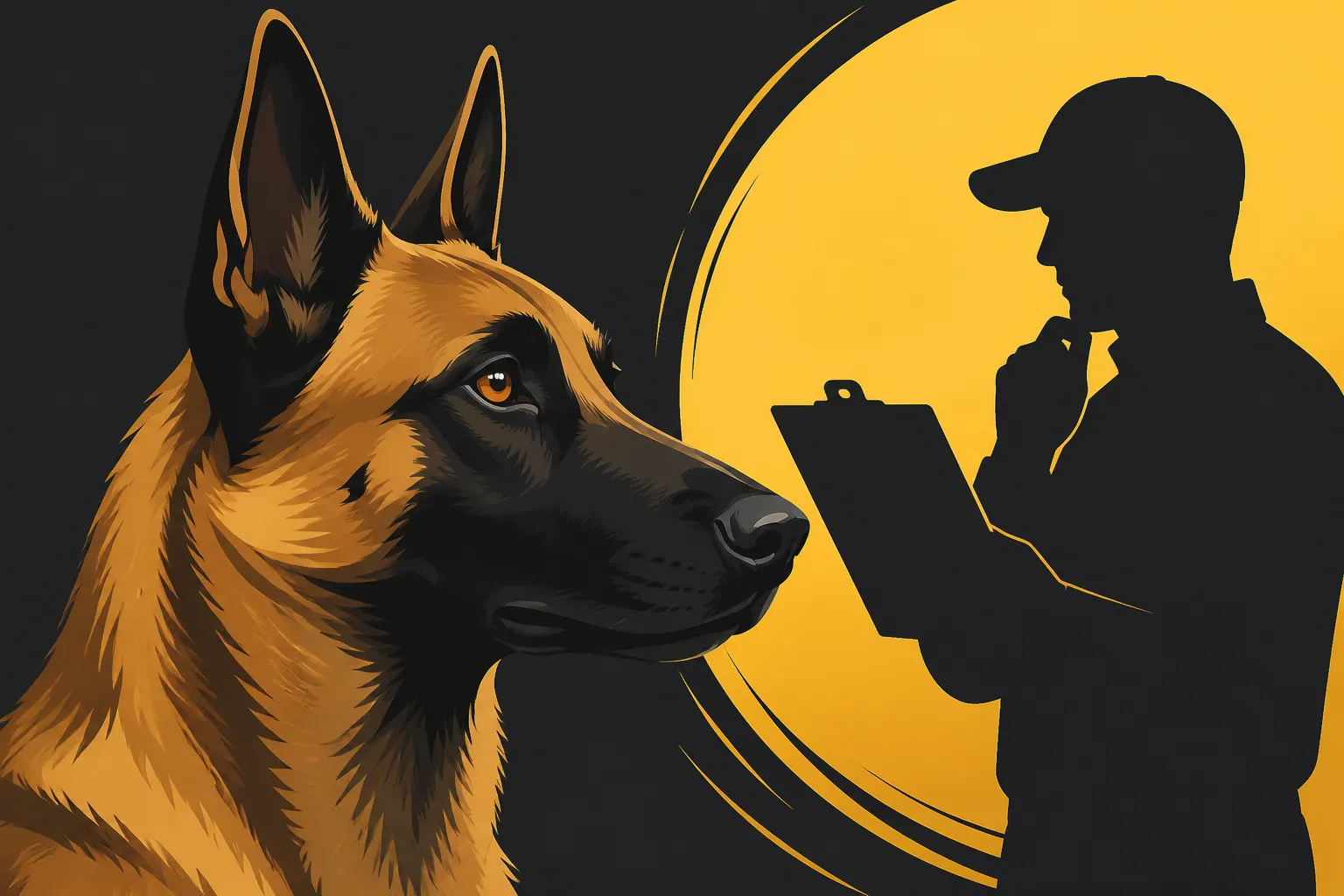
When a judge first approaches a Belgian Malinois, the head contributes significantly to the dog's overall impression. They're looking for a head that is in proportion to the rest of the dog's body – neither too massive nor too delicate. There should be an immediate sense of intelligence, alertness, and confidence. The expression, often described as keen and questioning, is paramount. This isn't just about the eyes, but how the eyes, ears, and overall cranial structure blend to convey that characteristic Malinois temperament. It's about a head that radiates purpose and capability, signaling a dog that is ready to engage with its environment and its handler. Any hint of dullness, timidity, or aggression in the head's presentation is an immediate red flag, as these are not traits of a properly bred and presented Malinois.
The Crucial Components of the Malinois Skull and Muzzle
Delving into the specifics of the Malinois head, we break it down into several critical anatomical components. Each part has a specific role and ideal characteristic that contributes to the overall desired look and functionality. Understanding these details is key to appreciating the subtle differences between a standard-conforming head and one with minor or even major deviations.
The Importance of Skull Shape and Proportions
The skull of a Belgian Malinois should be moderately broad, yet in proportion to the length of the head. When viewed from above, it should taper slightly towards the muzzle. A common description is that the skull and muzzle should be roughly equal in length, giving the head a balanced appearance. Imagine drawing a line from the occiput (the bump at the back of the skull) to the stop (the indentation between the eyes), and then another from the stop to the tip of the nose. These two segments should be fairly similar in length.
A too-wide, apple-shaped skull might suggest a deviation from the breed's lean, athletic build, potentially indicating mixed lineage or an undesirable extreme. Conversely, a too-narrow skull can make the eyes appear close-set and compromise brain capacity. The planes of the skull and muzzle are also important: they should be parallel when viewed from the side. This parallelism is a hallmark of many shepherd breeds and contributes to the strong, clean-cut look. A bulging forehead or a completely flat skull without any defined stop would be considered incorrect. The lean musculature of the cheeks should be evident, but without any coarseness or prominence that would distort the clean lines of the head.
Muzzle Length, Depth, and Strength
The muzzle is arguably one of the most functional parts of a working dog's head, particularly for a Malinois. It should be strong, well-filled under the eyes, and taper gradually from the stop to the nose, but never to a sharp point. This strong, substantial muzzle provides the necessary leverage and power for a proper bite, whether for sport, protection, or even carrying items. A weak, snipey, or shallow muzzle is a serious fault, as it directly impacts the dog's ability to perform its core tasks.
The depth of the muzzle is also critical. It shouldn't be too shallow, giving a "dish-faced" appearance, nor should it be overly deep or blocky like some mastiff-type breeds. The lips should be tight and black, with no pendulous skin or flews that hang down. Loose lips can interfere with a clean bite and may even be prone to injury during intense work. A healthy Malinois should have well-pigmented gums and a tongue that fills its mouth comfortably. When considering a puppy, observing the development of its muzzle is important. While puppies are always a bit softer, the underlying bone structure should already suggest the promise of a strong, balanced muzzle. Proper nutrition also plays a role in this, so ensure your puppy is on a high-quality diet. Many owners find Chewy to be a reliable source for a wide variety of performance kibbles and supplements that support healthy growth.
The Clean Stop and Strong Jaws
The "stop" refers to the transition area between the forehead and the muzzle. In the Belgian Malinois, the stop should be moderate and well-defined, but not abrupt or exaggerated. A sudden, deep stop would be reminiscent of a Boxer or Bulldog, which is incorrect for the Malinois. Conversely, a complete lack of a stop, where the skull and muzzle flow seamlessly into each other, creates a "down-faced" look that is also undesirable and deviates significantly from the standard. The moderation of the stop is crucial for the breed's classic profile.
Underneath that perfectly proportioned muzzle lie the jaws, which must be powerful and capable. The teeth are a critical component of this strength. A Malinois should have a full complement of strong, white teeth that meet in a The Scissors Bite a Malinois Judge Checks For. This means the upper incisors just slightly overlap the lower incisors. Any deviation, such as an undershot or overshot jaw, where the teeth do not meet correctly, is a fault because it compromises the dog's ability to grip effectively. These dental misalignments can also lead to premature tooth wear or other oral health issues. Judges will carefully check the bite, often lifting the lips to inspect the incisors. While a working dog might chip a tooth over a lifetime of dedicated service, the underlying structure of the jaw and the natural alignment of the teeth are paramount. You can find excellent dental chews and brushes for maintaining oral hygiene on sites like Chewy to help keep those strong teeth in top condition, which is vital as the dog ages and continues its work.
Eyes and Ears: The Malinois Expression that Judges Seek
The eyes and ears of a Belgian Malinois are not merely sensory organs; they are the key contributors to the breed's iconic expression. This expression is a vital part of its identity, conveying intelligence, alertness, and an unwavering focus. Judges pay meticulous attention to these features, as they speak volumes about the dog's temperament and adherence to the breed standard.
Eye Shape, Color, and Their Impact on Expression
The eyes of a Belgian Malinois are often described as their most captivating feature. They should be medium-sized, almond-shaped, and set neither too deep nor too prominent. Most importantly, they should be dark brown in color. The darker the better, as this provides a striking contrast to the typically fawn or mahogany coat, and contributes to the intense, intelligent expression the breed is known for. Light-colored eyes, such as yellow or amber, are considered a fault because they soften the desired keen and watchful gaze.
The placement of the eyes is also critical. They should be set obliquely, giving the Malinois a sharp, almost piercing look. Eyes that are round or set too wide apart can give a dull, vacant, or even soft expression, which is contrary to the breed's inherent character. Furthermore, the eyelids should be tight and dark-rimmed, protecting the eye and contributing to the overall cleanliness of the head. Loose eyelids can lead to various Eyelid Problems in a Belgian Malinois or irritation, and are also a fault. A Malinois's eyes are always alert, always assessing, always conveying a sense of purpose. This intense focus is a hallmark of the breed, a direct reflection of its working heritage. Regular eye checks are important, and any signs of cloudiness or discharge should be promptly addressed with a vet, as underlying issues like The Eye Diseases Behind a Malinois Eye Certificate could affect both vision and expression.
The Characteristic High-Set, Erect Ears
The ears are another defining feature that immediately identifies a Belgian Malinois. They should be triangular in shape, firm, moderately large, and set high on the head. When the dog is alert, these ears should be carried stiffly erect, pointing straight up or slightly forward. This high set and erect carriage are essential for optimal hearing, allowing the Malinois to pick up on subtle sounds and cues in its environment.
Ears that are too large, too small, or that flop or break at the tips are considered faults. Sometimes, in young puppies, the ears might not stand fully erect immediately, but by a certain age (typically around 4-6 months, though it can vary), they should be firm. Ears that remain soft, semi-erect, or 'rose' (folding backward) are undesirable in the show ring. The texture of the ear leather should be relatively fine, and the inner ear should be clean. A judge will observe how the ears move and respond to stimuli, looking for that characteristic alertness. The ears, combined with the intense eyes, complete the Malinois's signature expression – one of intelligent vigilance and readiness to act. For more detail on their importance, check out The Ears and Expression of a Belgian Malinois.
Identifying Deviations: When a Head Doesn't Meet the Standard
While we've discussed the ideal, it's equally important to understand what constitutes a deviation from the standard. These faults can range from minor cosmetic imperfections to serious structural flaws that might impact the dog's health or working ability. Recognizing these helps in both evaluating a dog and in understanding responsible breeding practices.
Common Faults in Malinois Head Structure
Minor faults in head structure are relatively common, even in otherwise excellent dogs. These are typically deviations that detract from the ideal but don't severely impact health or function. For example, eyes that are slightly too round or a little too light in color might soften the expression, but don't blind the dog. Ears that are a tad too large or set a fraction too low, or that have a slight wobble in their carriage, would be considered a fault. While they might still function perfectly well for hearing, they break the aesthetic ideal.
Another common fault involves the stop. A stop that is slightly too pronounced or not quite defined enough, rather than being perfectly moderate, is often seen. Similarly, a muzzle that's a touch too short or a bit too thin, lacking optimal fill under the eyes, would be considered a fault. While a dog with such a muzzle can still bite and hold, it may lack the ideal power or durability. Pigmentation issues, such as a liver-colored nose or pink patches on the lips, are also considered faults as the standard calls for jet black. Even something as subtle as the angle of the cheek muscles can be evaluated; they should be lean and not too prominent. These faults, while not disqualifying, can reduce a dog's chances in the conformation ring.
Serious Faults and Disqualifications
Serious faults are those that significantly deviate from the breed standard and often have implications for the dog's health, temperament, or working capability. These can include a dramatically undershot or overshot jaw, which makes a proper scissors bite impossible. This isn't just a cosmetic issue; it affects the dog's ability to use its mouth effectively for gripping, carrying, and eating. Severely light eyes (often called "wall eyes" or "glass eyes") or eyes that are visibly different colors are also serious faults, as they fundamentally alter the characteristic expression and can sometimes be linked to other genetic issues.
Disqualifications are the most severe deviations, rendering a dog ineligible for conformation titles. For the Belgian Malinois head, these would include ears that are not erect (e.g., hound-like ears, dropped ears, or ears that consistently flop), or a complete lack of a mask. Any structural deformities of the skull, extreme prognathism (undershot jaw) or brachygnathism (overshot jaw) that are so severe they impede normal function, would be disqualifying. Temperament faults expressed through the head, such as shyness, fear, or unprovoked aggression, are also grounds for disqualification. The standard is very clear that a Malinois should possess a bold, confident, and alert demeanor, and the head should always reflect this. A dog exhibiting these severe faults is considered a detriment to the breed's integrity and purpose.
Beyond the Ribbon: Why a Functional Head Matters for Your Malinois
It's easy to get caught up in the aesthetics of a breed standard, but for the Belgian Malinois, the "look" is intrinsically tied to "function." A well-formed head isn't just about winning a ribbon; it's about ensuring your dog can live a full, healthy life and excel at the demanding tasks it was bred to do.
How Head Structure Impacts Bite Work and Function
For a Malinois engaged in protection sports, police work, or military service, the head is an indispensable tool. The powerful, well-proportioned muzzle, the strong jaws, and the correct The Scissors Bite a Malinois Judge Checks For are paramount for effective bite work. A dog with a weak or snipey muzzle cannot achieve a full, firm grip on a sleeve or equipment. They might "mouth" the equipment rather than gripping with confidence and strength, which is ineffective and can be dangerous in real-world scenarios.
Furthermore, the angles and musculature of the skull and jaw contribute to the leverage a dog can exert when biting and holding. A properly constructed head allows for maximum pressure and endurance without causing undue strain or injury to the dog itself. Think about the repetitive stress a police dog's teeth and jaws undergo. A correct bite alignment reduces abnormal wear patterns and the risk of Broken Teeth on a Malinois From Bite Work. While accidents happen, a dog with genetically sound dental and jaw structure is better equipped to withstand the rigors of its work. Even if your Malinois is a beloved pet and not a working dog, a strong bite allows them to safely enjoy appropriate chew toys, which are vital for mental stimulation and dental health. Products like durable dental chews and toys are readily available from retailers like Chewy and are crucial for these powerful jaws.
Breathing and Overall Comfort
Beyond the bite, the overall structure of the Malinois head plays a significant role in the dog's respiratory efficiency and general comfort. The breed standard calls for a muzzle that is of good length and depth, with open nostrils. This is not arbitrary; it's vital for a high-energy dog that needs to cool itself efficiently through panting. A dog with a short, pushed-in muzzle (brachycephalic structure) would struggle to dissipate heat during intense exercise, putting it at risk of overheating.
The correct skull shape also ensures proper airflow through the nasal passages and into the lungs. Any structural issues that compromise this, such as pinched nostrils or an overly narrow nasal cavity, could lead to labored breathing and reduced stamina. In a breed known for its relentless drive and need for vigorous exercise, efficient respiration is non-negotiable. Imagine a Malinois on a long track or a demanding agility course; its ability to breathe freely is directly linked to its performance and its safety. A structurally sound head contributes to the dog's overall physical well-being, allowing it to comfortably engage in all the activities that make a Malinois a Malinois. Ensuring your Malinois has a healthy, functional head is truly investing in their quality of life.
How to Appreciate and Assess Your Malinois's Head Structure
Whether you're looking for a future show champion, a reliable working partner, or simply a healthy, well-bred companion, understanding how to assess a Malinois's head is an invaluable skill. It allows you to make informed decisions and appreciate the nuances that define this incredible breed.
What to Look For in a Puppy or Adult Malinois
When you're evaluating a Belgian Malinois, whether it's a tiny puppy or a mature adult, the principles remain largely the same, though the presentation will differ. For a puppy, you're looking for the potential of the ideal head. Even at eight weeks, you should see clear indications of a moderately broad skull, a muzzle that is neither too short nor too fine, and ears that are already showing good substance and a tendency to stand. The eyes should be dark and alert, and the overall expression should be keen. While a puppy's bite might be slightly off due to teething, the underlying jaw structure should indicate a future scissors bite. Remember, puppies change rapidly, so focus on the foundational structure rather than perfection.
For an adult Malinois, the assessment is more direct. Examine the proportionality of the skull to the muzzle, ensuring they are roughly equal in length. Look for the moderate, clean stop. Check the eyes for proper shape, dark color, and oblique set, ensuring they contribute to that intelligent, questioning expression. Evaluate the ears for their high set, firm carriage, and triangular shape. Feel the musculature of the cheeks – it should be lean and firm, not coarse. Most importantly, check the bite. All teeth should be present, strong, and meet in a perfect scissors bite. Run your hands over the skull to feel the clean lines and moderate width. Don't be afraid to ask breeders or experienced handlers to point out these features, and compare them to the written breed standard. It's a skill that develops with practice.
Resources for Understanding the Standard Better
Learning to truly understand and appreciate the Belgian Malinois breed standard, especially concerning the head, takes time and immersion. One of the best resources is the official breed standard itself, usually published by kennel clubs like the American Kennel Club (AKC) or the Fédération Cynologique Internationale (FCI). Reading it meticulously, perhaps even multiple times, will engrain the specific terminology and requirements.
Beyond the written word, however, real-world observation is key. Attend dog shows where Belgian Malinois are being judged. Watch the judges as they examine the dogs, and listen to any commentary if available. Observe dogs that are placing well and try to understand why their heads conform to the standard. Talk to experienced breeders and handlers; they often have a wealth of knowledge and can point out subtle nuances that might escape a novice eye. Comparing different dogs side-by-side, both in person and through high-quality photographs, can also sharpen your eye. Many breed clubs also host educational seminars or online resources that delve into specific aspects of the standard. Remember, the goal isn't just to memorize facts, but to develop an educated eye that can discern the ideal Malinois head and appreciate its functional beauty. This insight will serve you well, whether you're bringing home a new puppy or simply deepening your understanding of The Belgian Town the Malinois Is Named After and the working heritage of these magnificent dogs.
Disclaimer
This article is for general informational purposes only and does not constitute professional advice. Laws, prices and regulations vary by location and change over time. Consult a qualified professional for guidance on your specific situation.