Whether Popularity Has Hurt the Belgian Malinois
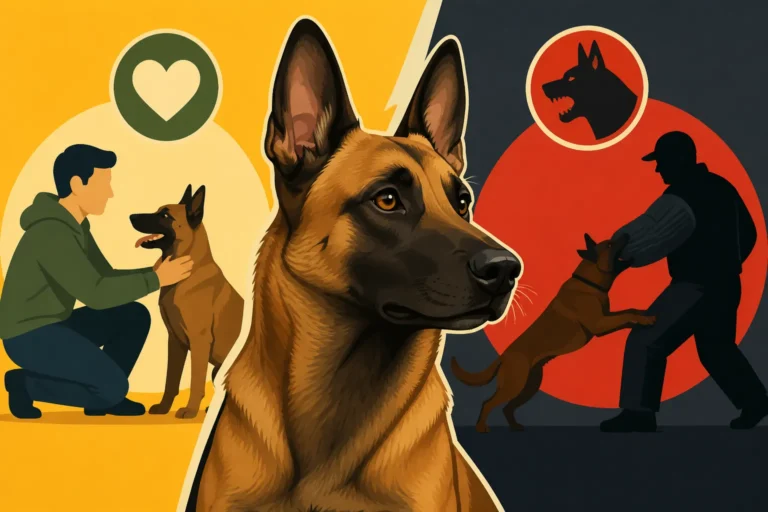
It's a bittersweet reality when a highly specialized working breed suddenly finds itself in the spotlight. The Belgian Malinois, once a niche dog revered by law enforcement, military, and serious sport enthusiasts, has exploded in popularity. On one hand, it's wonderful that more people are aware of these incredible dogs, but on the other, this surge has introduced a host of challenges, often hurting the very essence of what makes a Malinois a Malinois. This guide will delve into how this increased popularity has impacted the breed, from breeding practices and temperament to the strain on rescue organizations, and what responsible owners can do to help.
The Double-Edged Sword of Popularity
When a breed gains rapid public recognition, especially through dramatic media portrayals or heroic real-life stories like those of military working dogs, it inevitably attracts attention from individuals who might not fully understand its demanding nature. This spike in demand, unfortunately, often leads to less-than-ideal breeding practices. It's a tale as old as time: when money talks, some breeders listen more to the market than to the welfare and preservation of the breed's integrity.
The Rush to Breed and What It Means for Temperament
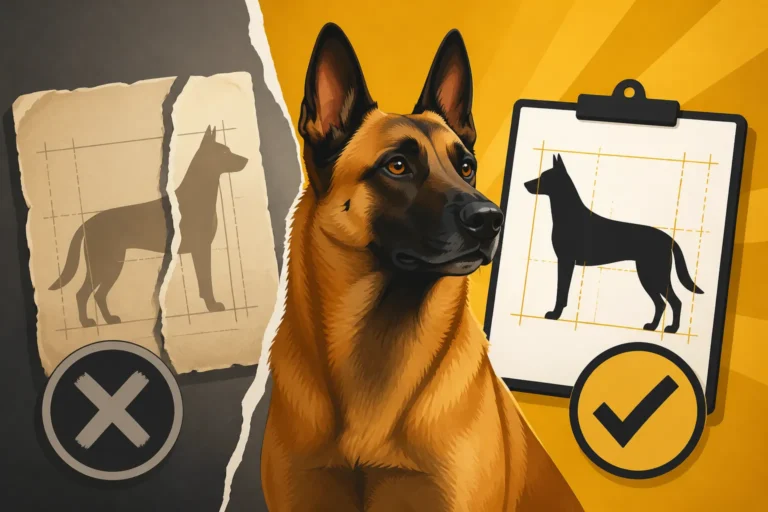
In the rush to capitalize on the demand, some individuals with little ethical grounding or understanding of true breed characteristics start breeding Malinois. They see dollar signs, not the immense responsibility of stewarding a powerful, high-drive animal. This can lead to breeding dogs with questionable temperaments – perhaps overly nervous, fear-aggressive, or simply lacking the stability and resilience that is paramount in a proper working Malinois. Instead of selecting for clear-headedness, high pain tolerance, and immense drive, these breeders might prioritize superficial traits or simply breed any two Malinois they can get their hands on. The result is often a puppy that, while possessing some Malinois traits, lacks the crucial mental fortitude and genetic predictability that define the breed, setting up both dog and owner for failure.
Compromised Health Screening Standards
Another grave concern with booming popularity is the decline in rigorous health screening. Reputable breeders invest significant time and money into health testing their breeding stock for genetic conditions prevalent in the breed. This includes hip and elbow evaluations, eye certifications, and DNA tests for conditions like ataxia. The Two Ataxia Genes Belgian Malinois Are Tested For is a topic serious breeders will discuss at length. When demand outstrips the supply from ethical breeders, those cutting corners will skip these vital steps. They might breed dogs without knowing their full health history, or worse, breed animals known to carry genetic predispositions to debilitating conditions. The unsuspecting buyer, drawn in by the allure of a Malinois without understanding the necessary due diligence, ends up with a puppy that could face expensive and heartbreaking health issues down the line. It's a disservice to the dog, the new owner, and the breed as a whole.
The "Trend" Mentality vs. Responsible Ownership
The "trend" mentality treats dogs like fashion accessories or status symbols rather than living beings with complex needs. People see a Belgian Malinois performing incredible feats on a screen or hear about their intelligence and assume it's an easy dog to own, or that its "cool" factor will outweigh its challenges. They might get a Malinois because their favorite celebrity has one, or because they want a dog that looks tough. This mindset completely overlooks the intense commitment required for responsible Malinois ownership. These are not dogs for the faint of heart or for those seeking a casual companion. They require an owner who understands The Handler Experience a Belgian Malinois Needs, which is far beyond what most casual dog owners can provide. This leads to impulse buys, followed by realization, and ultimately, often rehoming or abandonment when the reality of owning such a dog sinks in.
The Impact on Temperament and Work Ethic
The true Belgian Malinois is a dog of incredible intensity, intelligence, and a relentless drive to work. These traits, while desirable in specific working roles, are profoundly challenging in a typical pet home. As popularity increases and less suitable dogs are bred, and less suitable owners acquire them, the breed's defining characteristics can become diluted or, paradoxically, misdirected and problematic.
Dilution of Drive and Working Aptitude
While some backyard breeders might produce dogs with poor temperaments, others might inadvertently breed "softer" Malinois, hoping they will be easier for the average pet owner. While a slightly lower drive might sound appealing on paper, it often means a dog that lacks the quintessential Malinois courage, resilience, and intense focus. These dogs might struggle in the very protection or sport work they were historically bred for, losing the spark that makes the breed so unique. Conversely, those with too much undirected drive, without the mental stability, become chaotic and destructive. A true working Malinois needs purpose; Whether a Belgian Malinois Needs Bite Work to Be Fulfilled is a question many owners grapple with, but certainly, some intense mental and physical outlet is non-negotiable.
Increased Incidence of Behavioral Issues in Pet Homes
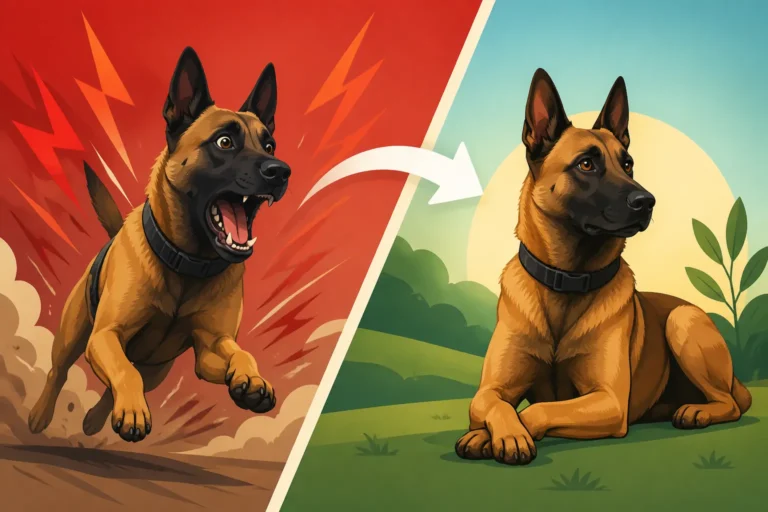
The biggest casualty of the Malinois's surging popularity is often the dog itself, along with the unprepared owners. A Malinois isn't built for casual walks around the block and an hour of fetch in the yard. They need a job, structured training, and immense mental stimulation every single day. When these needs aren't met, their intelligence and drive don't just disappear; they manifest as destructive behaviors, neuroticism, or reactivity. We're talking about dogs that will systematically dismantle your home, bark incessantly, or develop severe anxiety if left under-stimulated. I've heard countless stories of owners coming home to a house that looks like a war zone, all because they underestimated the breed's needs. Remember What a Malinois Destroys in One Unsupervised Hour? It's not an exaggeration. This often leads to dogs being surrendered to shelters, labeled as "difficult" or "aggressive," when in reality, they are simply unfulfilled Malinois.
Understanding the Breed's True Nature
For those who understand and respect the breed's inherent nature, a Malinois is an unparalleled partner. They thrive on clear communication, consistent training, and a challenging "job." However, the public perception, often fueled by dramatic online videos or movies, creates a false image. People see the incredible agility, the lightning-fast obedience, and the intimidating presence, but they don't see the thousands of hours of training, the dedicated handlers, and the genetic predisposition that makes those feats possible. The real Malinois isn't a couch potato; it's a finely tuned athletic and intellectual machine. Understanding Why a Belgian Malinois Is the Wrong First Dog is crucial for anyone considering this breed. They demand an active, engaged lifestyle, not just a backyard to run in.
Strain on Rescues and Shelters
Perhaps the most heartbreaking consequence of the Belgian Malinois's popularity surge is the overwhelming burden placed on rescue organizations and local shelters. These groups are often the last resort for dogs that have been discarded by unprepared owners, and they are struggling to keep up with the influx of high-energy, often untrained Malinois.
The Overwhelming Influx of Unsuitable Malinois
Shelters, especially those not specializing in working breeds, are ill-equipped to handle the specific needs of a Belgian Malinois. These dogs often arrive with significant behavioral challenges stemming from neglect of their physical and mental requirements. They might be leash reactive, undersocialized, or exhibit destructive behaviors. Finding staff and volunteers with the expertise to manage, train, and rehabilitate such dogs is a monumental task. The sheer number of surrendered Malinois, many under two years old, is a testament to the lack of foresight from initial owners. Many of these dogs could have been wonderful companions in the right hands, but their initial placement was a mismatch from the start. Why So Many Belgian Malinois Are Rehomed often comes down to this fundamental misunderstanding of the breed's needs.
Challenges in Rehoming High-Drive Dogs
Rehoming a Malinois is not like rehoming a calmer, more common breed. The pool of suitable adopters for a dog with intense drive, high energy, and potential behavioral issues is incredibly small. Prospective owners need to demonstrate experience with working breeds, a solid understanding of positive reinforcement and structured training, and a lifestyle that can accommodate a dog requiring hours of engagement daily. Rescues must conduct rigorous vetting processes, which can be time-consuming and expensive. They often have to turn away many applicants who, while well-intentioned, simply aren't a good fit. This means Malinois can languish in shelter environments for extended periods, further exacerbating their stress and behavioral problems, or, sadly, facing euthanasia due to lack of suitable placement.
The Importance of Thorough Vetting for Adoptions
To combat this, reputable Malinois rescues have incredibly stringent adoption protocols. They often include extensive applications, multiple interviews, home visits, reference checks, and even meet-and-greets with existing pets and family members. They might inquire about your daily schedule, your experience with dog sports, and your understanding of dog behavior. This isn't to be difficult; it's because they know the potential for failure if a Malinois goes to the wrong home. It’s also important to understand What a Malinois Rescue Asks in Adoption Donations to support their critical work. These organizations are trying to break the cycle of rehoming and ensure that each Malinois finds its truly forever home, even if it means a longer wait time for potential adopters.
Mitigating the Damage: What Responsible Owners Can Do
While the challenges are significant, responsible individuals and groups can make a positive impact. By focusing on education, supporting ethical practices, and active community involvement, we can work towards ensuring the Belgian Malinois thrives as a breed, even in the face of its newfound celebrity.
Educating Prospective Owners
The single most powerful tool we have is education. Before anyone even considers bringing a Malinois into their home, they need to truly understand what they're signing up for. This means going beyond online videos and reading articles like this one. It means talking to experienced Malinois owners, trainers, and breeders. It means observing Malinois in action at working dog events like IGP or Ring Sport trials. Prospective owners need to honestly assess their lifestyle, their experience level, and their commitment. Can they dedicate two hours daily to rigorous exercise and mental stimulation? Are they prepared for an intelligent, demanding dog that will challenge them constantly? Are they ready to invest in professional training? Websites and stores like Chewy offer a wealth of information on different breeds, but nothing replaces real-world interaction and deep research into the breed's specific needs and challenges.
Supporting Reputable Breeders
One of the best ways to combat irresponsible breeding is to only support truly reputable breeders. These breeders prioritize health, temperament, and the preservation of the breed standard above all else. They will conduct extensive health screenings, provide transparent health clearances for multiple generations, and be deeply knowledgeable about their dogs' pedigrees and temperaments. They will interview prospective buyers thoroughly, often having a waiting list, and will be a lifelong resource for their puppy buyers. They typically breed only a few litters a year and are deeply involved in working dog sports or other activities that demonstrate their dogs' capabilities. Always ask to see the parents, inquire about their titles, and seek out references. A reputable breeder will have no problem explaining their practices and showing you the dedication they put into their dogs. Don't be afraid to ask for genetic test results and certifications for hips and elbows; it's your right as a responsible buyer.
Community Involvement and Advocacy
Getting involved with the Malinois community is another excellent way to advocate for the breed. Join local Belgian Malinois clubs or working dog organizations. Participate in events, volunteer, and share your knowledge with others. By demonstrating responsible ownership and promoting ethical practices, you become an ambassador for the breed. This could involve speaking to potential owners, helping at rescue events, or simply being a visible example of a well-adjusted, well-trained Malinois. Supporting stores like Chewy that provide durable toys, high-quality food, and training aids can also make a difference for owners committed to meeting their Malinois's needs. The more visible and vocal the responsible Malinois community is, the harder it becomes for irresponsible practices to flourish unnoticed.
Conclusion
The popularity of the Belgian Malinois is a complex issue. While it has brought deserved recognition to an incredible breed, it has also introduced significant challenges for the dogs themselves, their unwitting owners, and the dedicated individuals and organizations working to protect them. By prioritizing education, supporting ethical breeding, and fostering a strong, informed community, we can navigate these challenges and ensure that the Belgian Malinois continues to be celebrated for its exceptional qualities, rather than suffering from its own success.
| Aspect of Popularity | Potential Positive Impact | Potential Negative Impact |
|---|---|---|
| Increased Awareness | More appreciation for working dogs | Misconceptions about breed suitability |
| Demand for Puppies | Supports reputable breeders | Fuels irresponsible breeding & puppy mills |
| Media Exposure | Highlights incredible capabilities | Creates unrealistic expectations for pet owners |
| Community Growth | Larger support networks for owners | Overwhelm for rescues/shelters |
| Financial Value | Investment in quality lines | Motivates quick, unethically bred litters |
Disclaimer
This article is for general informational purposes only and does not constitute professional advice. Laws, prices and regulations vary by location and change over time. Consult a qualified professional for guidance on your specific situation.