The Countries That Breed the Most Belgian Malinois
You're thinking about bringing a Belgian Malinois into your life, and naturally, you want to know where the best ones come from. It’s easy to assume Belgium is the sole source, but the reality of Malinois breeding is far more global and nuanced, often leaving prospective owners wondering how to navigate the vast landscape of breeders and bloodlines. This guide will walk you through the key countries and regions where Belgian Malinois breeding truly thrives, helping you understand the unique characteristics and focuses that emerge from different parts of the world.
Beyond Belgium: The Global Landscape of Malinois Breeding
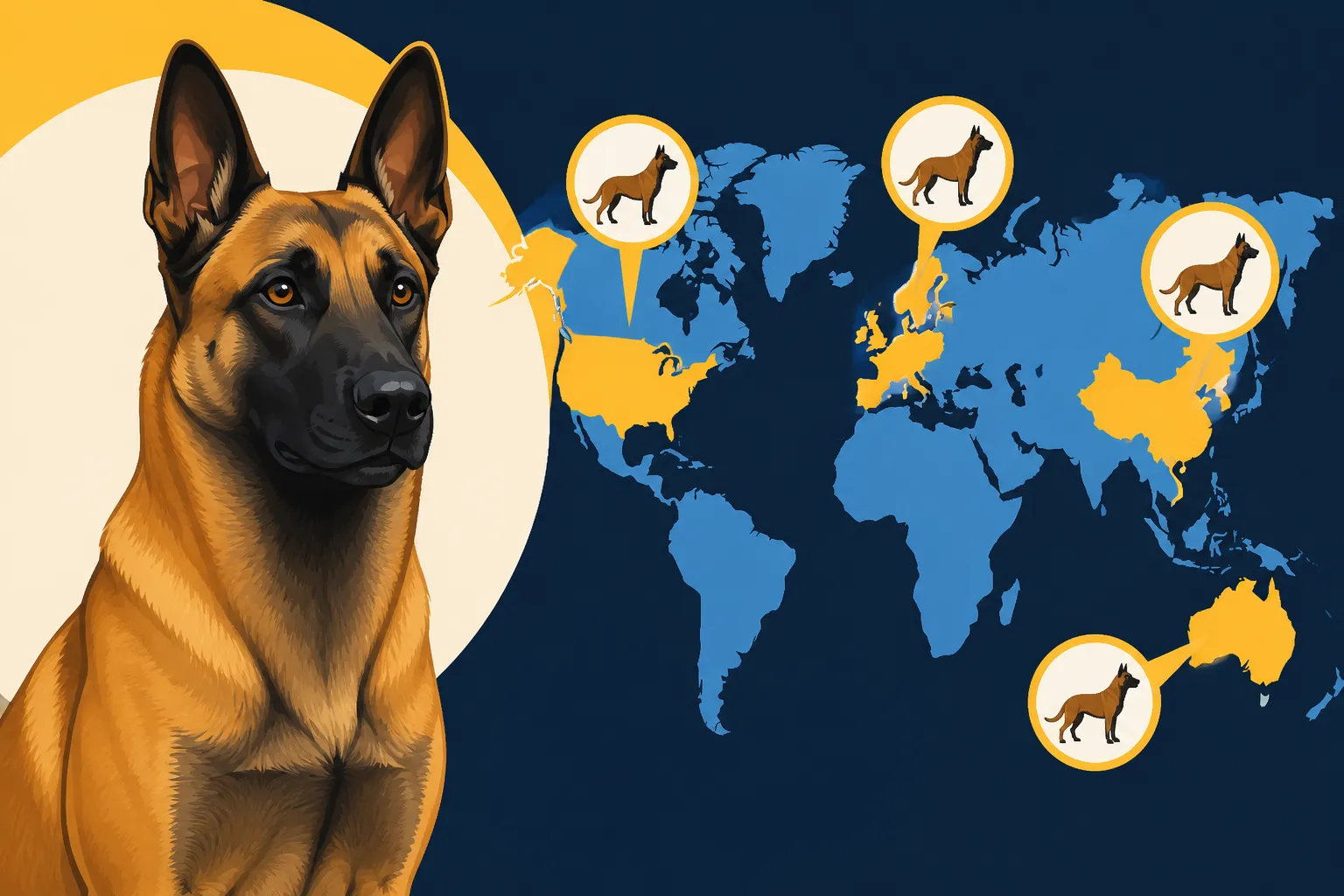
While the name "Belgian Malinois" clearly points to its origins, the breed's incredible versatility, drive, and intelligence have led to its widespread adoption and dedicated breeding programs across the globe. It's no longer just a Belgian phenomenon; the Malinois has become an international working dog superstar, with distinct breeding philosophies and goals emerging from various countries. Understanding this global landscape is crucial, as the country of origin can often give you a strong hint about the dog's likely temperament, drive, and genetic predispositions. You might be surprised to learn that some of the most sought-after working Malinois today don't always come directly from the small European nation that first developed them.
Belgium's Enduring Legacy in Malinois Development
It all started in Belgium, of course. The Belgian Malinois is one of four varieties of Belgian Shepherd Dogs, and it gained its distinct identity from the Malines region, which is now Mechelen. The breed was originally developed as a highly capable, intelligent, and tenacious herding dog, tasked with managing livestock on Belgian farms. This foundational purpose instilled the incredible work ethic, athleticism, and sharp intellect that define the Malinois even today. Early breeders focused on practical working ability, ensuring the dogs were hardy, eager to please, and quick to learn, traits that remain central to the breed's appeal.
Even though the breed has spread worldwide, Belgium still holds a special place, particularly for those looking for traditional bloodlines or conformation-focused dogs. You'll find breeders there who are deeply committed to maintaining the breed standard as it was originally conceived, emphasizing balanced temperament, structural soundness, and classic appearance alongside working aptitude. For a deeper dive into their origins, check out The Belgian Town the Malinois Is Named After. These lines might sometimes be seen as slightly less intense than some of the extreme sport lines, making them potentially suitable for experienced owners who aren't necessarily looking for a top-tier police K9 but still want a highly intelligent and active companion.
However, the sheer global demand for Malinois, especially for high-stakes working roles, means that Belgium itself is not necessarily the largest producer anymore. Their influence is more about providing the genetic bedrock and upholding the historical standard. Many international breeders still seek to incorporate Belgian lines into their programs to maintain genetic diversity and bring in desired characteristics, ensuring the breed's heritage continues to contribute to its future.
The United States: A Hub for Both Sport and Pet Lines
The United States has seen an explosive growth in Belgian Malinois popularity over the last few decades, particularly since their prominence in military and law enforcement roles became widely known. This surge in demand has led to a significant increase in breeding programs across the country. You'll find everything from dedicated sport breeders producing top-tier competitors for IGP, Ring Sports, and agility, to breeders focused on supplying military and police departments, and even those breeding for active family companions. This means the US market is incredibly diverse, offering a wide range of Malinois types.
One of the biggest challenges, however, is navigating this vast landscape. The breed's popularity has unfortunately led to some less-than-reputable breeding practices, with some individuals capitalizing on the demand without fully understanding the breed's intense needs or genetic health considerations. Many well-meaning but unprepared owners find themselves overwhelmed by the sheer drive and intensity of a Malinois, leading to dogs needing rehoming. This is why thorough research into a breeder's ethics, health testing practices, and understanding of working lines versus pet lines is absolutely critical when looking for a Malinois in the US. Resources like The Structure a Belgian Malinois Needs Every Day can give you a clearer picture of what you're signing up for.
Despite these challenges, the US also boasts some of the most sophisticated and successful working dog programs in the world. Many American breeders are importing top European bloodlines and combining them with their own carefully selected stock to produce dogs with exceptional drive, nerve, and trainability. Whether you're looking for a dog to excel in bite sports, detection work, or simply be an incredibly active and intelligent family member, the US offers a wealth of options, provided you do your homework. You'll also find it easier to source necessary supplies, from specialized performance food to durable toys, from retailers like Chewy, which cater to the varied needs of Malinois owners.
European Powerhouses: Germany, Netherlands, and France
Beyond Belgium, several other European nations have become incredibly influential in shaping the modern Belgian Malinois, each with its own focus and breeding philosophy. These countries often prioritize specific working aptitudes, leading to distinct lines that are highly sought after by professionals and serious sport enthusiasts worldwide. If you're looking for a Malinois with a particular drive or temperament profile, understanding these regional differences can be incredibly insightful.
Germany's Influence on Working Malinois
While Germany is perhaps most famous for the German Shepherd Dog, it has also become a significant player in Belgian Malinois breeding, particularly within the IGP (formerly Schutzhund) sport community. German breeders, known for their rigorous selection processes and emphasis on stable temperament alongside high drive, have contributed greatly to the Malinois's reputation as a formidable working dog. Their breeding programs often focus on developing dogs with strong grips, intense prey drive, and excellent obedience, all within a structured sport environment.
German Malinois lines often benefit from generations of selection for these specific traits, resulting in dogs that are incredibly focused and powerful. They are typically bred with a clear purpose in mind: to excel in complex, high-pressure working dog sports. This means that a German-bred Malinois is likely to be a dog that requires a significant commitment to training and an experienced handler. They aren't "starter" dogs by any means. If you're considering a working line puppy, understanding What a Working Line Belgian Malinois Litter Charges will be key, as these dogs often come with a higher price tag due to the extensive health testing and proven working titles in their pedigree.
The German approach to dog breeding, with its strict adherence to health clearances and working titles for breeding stock, has had a positive influence on the Malinois breed globally. Even breeders outside Germany often look to German lines to incorporate their robust genetics and proven working ability, ensuring traits like strong nerves and physical endurance are maintained. When considering food for such high-energy dogs, specialized performance formulas are often recommended, and you can easily find these from retailers like Chewy.
The Netherlands and KNPV Malinois
When people talk about elite working Malinois, the Netherlands often comes up first. The Royal Dutch Police Dog Association (KNPV) program is renowned worldwide for producing some of the toughest, most driven, and highly functional police and military dogs. KNPV dogs are not just bred for sport; they are bred for real-world application, making them incredibly attractive to professional handlers. The selection process is brutal, with only the most resilient and capable dogs making it through the rigorous testing.
KNPV Malinois are characterized by their extreme drive, unwavering courage, and incredible physical toughness. They are often described as "hard" dogs, meaning they can handle significant pressure and correction without breaking. This makes them ideal for demanding roles where precision, fearlessness, and relentless pursuit are paramount. These dogs are purpose-bred, and every aspect of their genetic makeup is geared towards supreme working ability. It's why Why KNPV Bred Malinois Run Past Four Thousand is a common discussion point among serious enthusiasts.
If you're considering a KNPV-bred Malinois, you need to be prepared for a dog with an unparalleled work ethic and intensity. These are not dogs for the faint of heart or the inexperienced owner. They thrive on challenging work and consistent, firm handling. Their breeding is so specialized that importing one is a serious undertaking, requiring careful consideration of factors like Whether an Imported Belgian Malinois Is Worth the Freight. These dogs are truly athletes, and maintaining their physical condition requires dedicated care, often including specialized nutrition which you can source from Chewy, among other places.
French Ring and the French Malinois Lines
France also has a strong tradition of Malinois breeding, particularly centered around the French Ring sport. French Ring is a demanding protection sport that tests a dog's courage, agility, obedience, and bite work in complex scenarios. This focus has led to the development of Malinois lines known for their athleticism, explosive speed, and extremely powerful, precise bite work. French-bred Malinois are often lighter and more agile than some other working lines, making them spectacular to watch in the ring.
French Malinois breeding emphasizes not just the physical attributes required for the sport but also the mental fortitude and willingness to engage with a decoy in a highly dynamic and challenging environment. Dogs from these lines are typically very handler-focused and eager to please, channeling their immense drives into highly structured tasks. While their primary focus is sport, the traits they exhibit – speed, agility, and controlled aggression – are highly desirable in various working dog applications as well.
It's fascinating to see how each country's preferred sport or working discipline shapes the genetics and characteristics of the Malinois produced there. Whether it's the methodical precision favored in Germany, the raw tenacity of the KNPV lines in the Netherlands, or the explosive athleticism of French Ring dogs, these different breeding philosophies create a rich tapestry of Malinois types for potential owners and professional handlers to choose from. When looking at pedigrees, especially for imported dogs, paying attention to the titles and certifications from these countries, as discussed in Reading a European Belgian Malinois Pedigree, can tell you a great deal about what kind of dog you can expect.
Emerging Markets and Specialized Breeding Programs
While the traditional powerhouses in Europe and the established breeding scene in the United States are widely recognized, the global appeal of the Belgian Malinois has led to the emergence of strong breeding programs in other regions as well. These newer markets often play a crucial role in meeting the ever-increasing demand for working dogs and sometimes offer unique perspectives on breeding the Malinois.
Eastern Europe and the Rise of Malinois Exports
Countries in Eastern Europe, such as the Czech Republic, Slovakia, and Poland, have rapidly gained recognition for their robust Belgian Malinois breeding programs. These countries have a long history of breeding working dogs, and as the Malinois rose in prominence, many breeders shifted their focus or expanded to include these highly capable animals. What's particularly notable about these regions is their significant role in exporting Malinois to other parts of the world, including the United States, for police, military, and sport applications.
Eastern European lines are often prized for their strong working drives, good health, and sometimes more accessible pricing compared to dogs from established Western European or American breeders. However, like any emerging market, it's crucial for prospective buyers to exercise due diligence. While many excellent and ethical breeders operate in these countries, the sheer volume of production can sometimes mean that quality control is less stringent in some operations. Thorough research into individual breeders, seeking recommendations, and verifying health clearances and working titles is absolutely paramount. It’s also wise to consider logistics and potential issues like those covered in Crash Tested Transport Crates for a Malinois if you plan to import.
These regions contribute significantly to meeting the global demand, offering options for those looking for a capable working Malinois. The genetics from these lines often trace back to foundational European stock, but over generations, they have developed their own distinct characteristics, often leaning towards high-drive dogs suited for demanding police or security work.
The Global Demand for Working Malinois
The true driver behind the widespread global breeding of Belgian Malinois is the unwavering and escalating demand from military, law enforcement, and private security sectors worldwide. From explosive detection to patrol work, and search and rescue missions, the Malinois has proven to be an indispensable asset due to its intelligence, agility, incredible scenting ability, and courage. This professional demand fuels specialized breeding programs in many countries, all striving to produce the ultimate working dog. This is why discussions around The Twenty Five Thousand Dollar Trained Belgian Malinois are not uncommon in these circles.
These programs prioritize very specific traits: bulletproof nerves, extreme environmental stability, relentless drive, excellent bite mechanics, and high trainability. Conformation or "beauty" often takes a backseat to pure, unadulterated working ability. The consistent need for these highly specialized dogs means that breeders are constantly evaluating and refining their lines, often working closely with agencies to understand evolving operational requirements. This symbiotic relationship between breeders and end-users ensures that the Malinois continues to be one of the most effective and sought-after working dog breeds on the planet. This focus is also why details like Feeding a Belgian Malinois That Works Every Day are so important for these canine athletes.
It's a testament to the breed's versatility and genetic robustness that it can adapt to so many different environments and job requirements, leading to thriving breeding programs far beyond its country of origin. This global demand also means that if you're looking for a pet Malinois, you'll still be seeing the influence of these working lines in many breeding programs, as breeders often sell puppies that don't quite meet the stringent criteria for professional work but still possess immense drive. For this reason, it's critical for prospective owners to honestly assess their own experience and commitment, as often mentioned in articles like Why Most Belgian Malinois Owners Underestimate the Breed.
To give you a clearer picture, here's a general overview of breeding focuses in key regions:
| Country/Region | Primary Breeding Focus | Key Characteristics Emphasized | Common Uses | Considerations for Buyers |
|---|---|---|---|---|
| Belgium | Traditional Conformation, Versatile Working Dog | Balance, structural soundness, classic look | Herding, sport, active companion | Can be less "extreme" than other lines, good for foundation. |
| United States | Diverse: Sport, Police/Military, Active Companion | Varies greatly; high drive, athleticism | IGP, Ring, K9, SAR, family protection | Wide range of quality; research breeders thoroughly. |
| Netherlands | KNPV Police/Military Dogs | Extreme drive, hardness, courage, toughness | Police, Military, Personal Protection (professional) | Very intense; only for highly experienced handlers. |
| Germany | IGP Sport, Working Dog | Stable nerves, powerful bite, obedience | IGP, working trials, professional K9 | Excellent work ethic; demands consistent training. |
| France | French Ring Sport | Speed, agility, explosive bite, athleticism | French Ring, sport, some K9 | High drive, very athletic; often handler-focused. |
| Eastern Europe | Working Dogs for Export | High drive, resilience, health | Police, Military, Private Security, Sport | Can offer good value, but verify breeder reputation & health. |
Ultimately, regardless of where a Malinois is bred, the most critical factor is the individual breeder's ethics, health testing protocols, and understanding of the breed's unique needs. A well-bred Malinois from any country will demonstrate the intelligence, drive, and stability that makes this breed so extraordinary.
Disclaimer
This article is for general informational purposes only and does not constitute professional advice. Laws, prices and regulations vary by location and change over time. Consult a qualified professional for guidance on your specific situation.