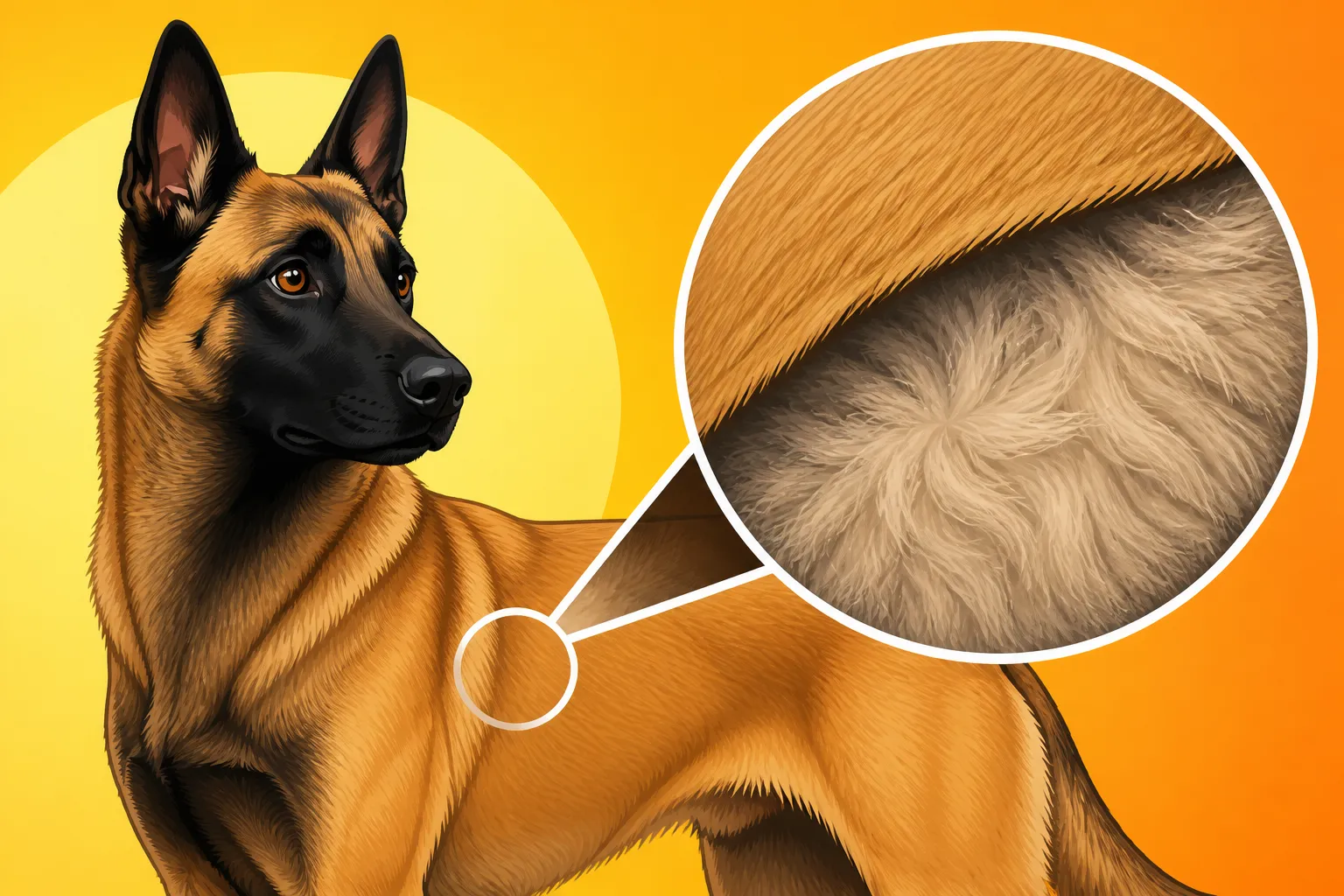
The Undercoat Hidden in a Malinois’s Short Coat
Many people are surprised to learn that the sleek, seemingly short coat of a Belgian Malinois actually hides a dense secret: a thick undercoat. This often-overlooked feature is vital for their well-being, yet it presents unique challenges for owners who are unprepared for its shedding cycles and specific grooming needs. This guide will uncover the truth about the Malinois undercoat, detailing its purpose, management, and seasonal care.
What Exactly Is a Malinois Undercoat?
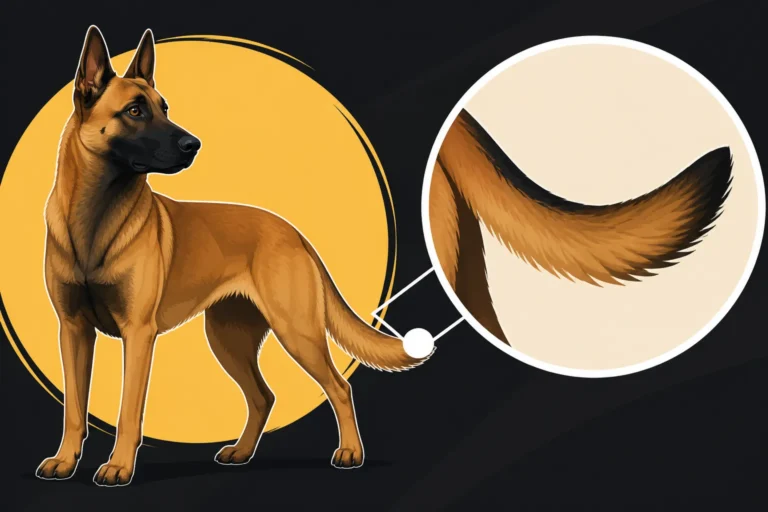
When you first lay eyes on a Belgian Malinois, their coat appears deceptively simple. It's short, close-lying, and often has a beautiful, rich fawn to mahogany color with that signature black mask. You might think, "Oh, this will be easy to maintain!" and many new owners do. But that short, harsh outer layer is just one part of a sophisticated, two-tiered system designed by nature to protect this incredible working dog from the elements. This double-coat system is crucial for understanding why a Malinois sheds the way it does and what kind of grooming commitment you're really signing up for.
The Double Coat Demystified
Almost all working breeds, especially those originating from colder climates or those bred for outdoor tasks like herding, possess what's known as a "double coat." This isn't just a fancy term; it refers to two distinct layers of hair, each with its own purpose. The outer layer, which you see and feel predominantly, is comprised of guard hairs. These are typically coarser, longer, and more robust. They act like a protective shield, warding off rain, snow, dirt, and even minor abrasions.
Beneath this protective outer layer lies the undercoat. This is the "hidden" part of the Malinois coat that often takes owners by surprise. Unlike the guard hairs, the undercoat consists of shorter, much softer, and incredibly dense hairs. Think of it like a downy sweater tucked under a durable raincoat. It's not immediately visible unless you part the guard hairs, but it's absolutely there, and it plays an enormous role in your Malinois's comfort and health.
Guard Hairs vs. Undercoat
To truly appreciate the Malinois coat, it helps to understand the distinct roles of these two types of hair. The guard hairs are your Malinois's first line of defense. They are stiff and water-repellent, giving the coat its sleek appearance and protecting the skin from UV rays and physical damage. This is the part of the coat that gives the Malinois its signature look, the fawn to mahogany tones, often tipped with black. The standard for the breed even calls for a "harsh" outer coat, which refers to the texture of these guard hairs. The Harsh Outer Coat a Malinois Should Carry covers this in more detail.
The undercoat, on the other hand, is all about insulation. These soft, woolly hairs grow much closer to the skin and are incredibly effective at trapping air. This trapped air acts as a barrier, keeping your Malinois warm in cold weather and, surprisingly, helping to keep them cool in hot weather by preventing extreme temperature fluctuations. Without this undercoat, a Malinois would be much more susceptible to environmental changes and would struggle to maintain a stable body temperature. This internal ecosystem is a marvel of natural design, allowing them to thrive in varied conditions.
The Illusion of a Single Coat
It's completely understandable why many people assume a Malinois has a single coat. Their hair is indeed short, and unlike breeds like German Shepherds or Huskies, the undercoat doesn't often protrude visibly through the guard hairs unless it's shedding heavily. When you run your hand over a Malinois, you primarily feel those smooth, firm guard hairs. It's not fluffy or visibly thick like many double-coated breeds.
However, that density is there, hugging the skin. The illusion of a single coat persists until you witness the dreaded "Malinois hair-pocalypse" – the seasonal shed. Then, suddenly, those soft, downy tufts start appearing everywhere, clinging to everything you own. It's in these moments that the reality of the undercoat becomes undeniable. It might be hidden most of the time, but it's very much a part of your Malinois's physiology and a significant factor in their care.
Why Does a Malinois Need an Undercoat?
Understanding that a Malinois has an undercoat is one thing, but knowing why it's there can help you appreciate its importance and better care for your dog. This isn't just about keeping warm; it's a multi-functional system designed for survival and optimal performance, especially for a breed like the Malinois that was originally bred for intense outdoor work.
Nature's Insulation System
The primary role of the undercoat is insulation, and it's incredibly effective at it. During colder months, the dense, woolly undercoat traps a layer of warm air close to the body, acting like a natural down jacket. This allows the Malinois to tolerate surprisingly cold temperatures, a trait invaluable for a working dog that might spend hours outdoors in various climates. It's a testament to their heritage as herding dogs in the varied Belgian weather.
But here's the kicker that often surprises people: this same insulation works in reverse during warmer weather. By trapping a layer of cooler air next to the skin, the undercoat helps to prevent the sun's heat from directly reaching the skin, providing a barrier against overheating. This doesn't mean your Malinois is impervious to heatstroke—far from it—but it highlights the undercoat's role in thermal regulation. Think of it as a thermos, keeping whatever's inside at a stable temperature, regardless of the outside.
Weatherproofing and Protection
Beyond temperature control, the undercoat, in conjunction with the guard hairs, provides remarkable weatherproofing. The guard hairs are designed to shed water and dirt, while the dense undercoat beneath prevents moisture from reaching the skin. This keeps your Malinois drier and cleaner, which is vital for preventing skin issues and maintaining overall comfort, especially after a training session in wet conditions or a long hike through dewy fields. Checking a Belgian Malinois Over After a Session is always a good practice.
This dual-layer system also offers a level of physical protection. The density of the undercoat can help cushion against minor bumps, scrapes, or insect bites. For a dog as active and driven as a Malinois, this natural armor is incredibly beneficial, protecting their sensitive skin from the daily wear and tear of a busy life, whether they're navigating thick brush or rolling around during play.
Skin Health and Regulation
A healthy undercoat is also integral to overall skin health. It helps to regulate skin temperature and moisture levels, creating a microclimate that prevents the skin from becoming too dry or too damp. Proper air circulation through the undercoat helps to prevent conditions like hot spots, especially if you've been doing water work with your Malinois. If the undercoat becomes matted or compacted, this circulation is compromised, which can lead to skin irritation, infections, and discomfort.
Moreover, the undercoat plays a role in distributing natural skin oils, which contribute to the sheen and health of the entire coat. Regular grooming, which we'll get into, helps to stimulate these oils and ensure they're spread evenly, supporting both the health of the skin and the vibrancy of the coat. Neglecting the undercoat can lead to a dull, unhealthy coat and skin problems, emphasizing that a beautiful outer coat often starts with a healthy under-layer.
Managing the Malinois Undercoat: Shedding and Grooming Challenges
Now that we understand what the undercoat is and why it's so important, let's tackle the practical side: living with it. As a Malinois owner, you're going to become very familiar with shedding, and managing the undercoat effectively is key to maintaining both your dog's health and your sanity. If you're wondering How Much a Malinois's Short Coat Actually Sheds, the answer is: a lot!
The Reality of Malinois Shedding
Let me be blunt: Belgian Malinois shed. A lot. Anyone who tells you otherwise probably hasn't owned one, or they've mastered the art of denial. While their short coat might not leave long strands of hair everywhere like a Golden Retriever, the sheer volume of fine, dense undercoat they shed is astonishing. This isn't just a slight annoyance; it's a constant battle against dog hair that weaves itself into carpets, upholstery, and every item of clothing you own. Living With Belgian Malinois Hair Everywhere is just a fact of life.
The shedding isn't uniform throughout the year. Malinois typically "blow their coat" twice a year, usually in spring and fall, in response to changes in temperature and daylight. During these periods, the amount of undercoat they shed can be truly overwhelming. It will come out in clumps, forming "tumbleweeds" of dog hair across your floors. Even outside of these major seasonal sheds, there's a low level of continuous shedding, meaning you'll always find some Malinois hair.
Tools of the Trade: Brushes and Combs for Undercoat Management
To effectively manage the Malinois undercoat, you need the right tools. A regular slicker brush or pin brush, while good for general grooming, simply won't cut it for getting deep into that dense undercoat. You need specialized tools designed to penetrate the guard hairs and remove the loose undercoat without damaging the healthy hair or irritating the skin.
Here are some essential tools:
- Undercoat Rake: This is your best friend during heavy shedding seasons. Undercoat rakes have long, blunt teeth designed to reach through the guard hairs and gently pull out dead undercoat.
- De-shedding Tool (e.g., Furminator-style): These tools have fine, comb-like blades that are highly effective at removing loose undercoat. Use these sparingly and with a light touch, as overuse can cut healthy guard hairs or cause skin irritation. Many reputable brands offer versions, and you can often find a good selection on sites like Chewy.
- Rubber Curry Brush (e.g., ZoomGroom): While not as effective for deep undercoat removal, these are fantastic for daily grooming, stimulating skin circulation, and removing loose surface hair, especially on short-coated breeds like the Malinois. They're also great for bath time.
- Metal Greyhound Comb: A fine-toothed metal comb can be useful for checking your work and catching any stubborn tangles, especially on the breeches or tail.
The Seasonal Blow-Out
The term "blowing coat" perfectly describes the intense shedding period that Malinois go through. This usually happens in the spring, as they shed their thick winter undercoat in preparation for warmer weather, and again in the fall, to make way for a new, denser winter coat. During these times, daily grooming isn't just recommended; it's practically mandatory if you want to keep the hair in your home to a manageable level. The Two Week Stretch When a Malinois Drops Coat can feel like an eternity.
A dedicated grooming routine during these blow-outs involves spending 15-30 minutes each day, or every other day, with your undercoat rake or de-shedding tool. You'll be amazed at the amount of hair that comes off your dog – enough to stuff a small pillow, I swear! Regular baths during this time, followed by thorough drying and brushing, can also help loosen and remove dead undercoat. You can find quality shampoos and conditioners that aid in the de-shedding process on platforms like Chewy, which can make the whole ordeal a bit easier on both of you.
Keeping Your Malinois Comfortable: Undercoat Care Through the Seasons
The undercoat is a year-round factor in your Malinois's life, and understanding how to manage it through different seasons is crucial for their comfort and health. It's not just about aesthetics or minimizing hair in your home; it's about supporting their natural regulatory systems.
Summer Strategies: Keeping Them Cool Despite the Undercoat
While the undercoat helps insulate against heat, it's not a magical shield. Malinois can, and do, overheat, especially given their high drive and propensity to push themselves. In summer, the goal isn't to remove the entire undercoat, but to ensure it's free of dead, compacted hair that can trap excessive heat. A clean, well-maintained undercoat allows for better air circulation against the skin.
Never shave your Malinois in an attempt to keep them cool. Shaving a double-coated breed can actually disrupt their natural thermal regulation, expose their skin to harmful UV rays (leading to sunburn), and sometimes even damage the coat, causing it to grow back improperly (coat "blows"). Instead, focus on thorough de-shedding to remove all loose, dead undercoat. Provide plenty of shade, fresh water, and limit strenuous exercise during the hottest parts of the day. Using cooling vests or mats can also help your Malinois regulate their temperature. Cold Tolerance in a Short Coated Belgian Malinois is a different challenge, but summer heat poses its own unique set of risks.
Winter Warmth: How the Undercoat Helps and When Extra Layers Are Needed
In winter, the undercoat works exactly as nature intended: it keeps your Malinois warm by trapping body heat. A healthy, intact undercoat is highly efficient at this. For most Malinois, especially those living in moderate climates, their natural coat is often sufficient for outdoor activities, even in snowy conditions, as long as they are active.
However, if your Malinois is older, very lean, or lives in an extremely cold climate where temperatures drop significantly, an additional layer of protection might be necessary. A well-fitting dog coat or sweater can provide extra warmth, particularly if they are less active or when standing still for periods during training or walks. Always ensure their natural undercoat is clean and brushed out, as matted hair loses its insulating properties.
The Importance of Regular Grooming: Year-Round Maintenance
Grooming a Belgian Malinois isn't just about managing the seasonal shed; it's a year-round commitment that contributes significantly to their health and well-being. Even outside of their major blow-outs, regular brushing helps to remove loose hairs, dirt, and debris that can get trapped in the undercoat. This prevents matting, promotes healthy skin circulation, and keeps their coat in top condition. Getting a Brush Through a Malinois's Undercoat should be a regular activity.
Establish a routine from puppyhood. Short, positive grooming sessions will help your Malinois become accustomed to being handled and make the process less stressful for both of you. Aim for at least 1-2 thorough brushings per week, increasing frequency during heavy shedding periods. Regular grooming also gives you an opportunity to check your dog's skin for any lumps, bumps, or irritations, and to ensure they are free of parasites like ticks or fleas. You can find a wide array of grooming supplies, from brushes to special medicated shampoos if needed, on pet supply websites like Chewy.
Here's a quick comparison of the two coat types:
| Feature | Guard Hairs | Undercoat |
|---|---|---|
| Texture | Coarse, stiff, smooth | Soft, dense, woolly |
| Primary Role | Protection, water-repellence, sun shield | Insulation (warmth and cooling) |
| Appearance | Visible outer layer, gives color/sheen | Hidden, close to skin, often duller |
| Shedding | Gradual, less noticeable | Seasonal "blow-out," comes out in clumps |
| Maintenance | General brushing | Requires specialized de-shedding tools |
Regular grooming also strengthens the bond you share with your Malinois, transforming a necessary chore into quality time together. It's an investment in their health, comfort, and cleanliness that truly pays off.
Disclaimer
This article is for general informational purposes only and does not constitute professional advice. Laws, prices and regulations vary by location and change over time. Consult a qualified professional for guidance on your specific situation.