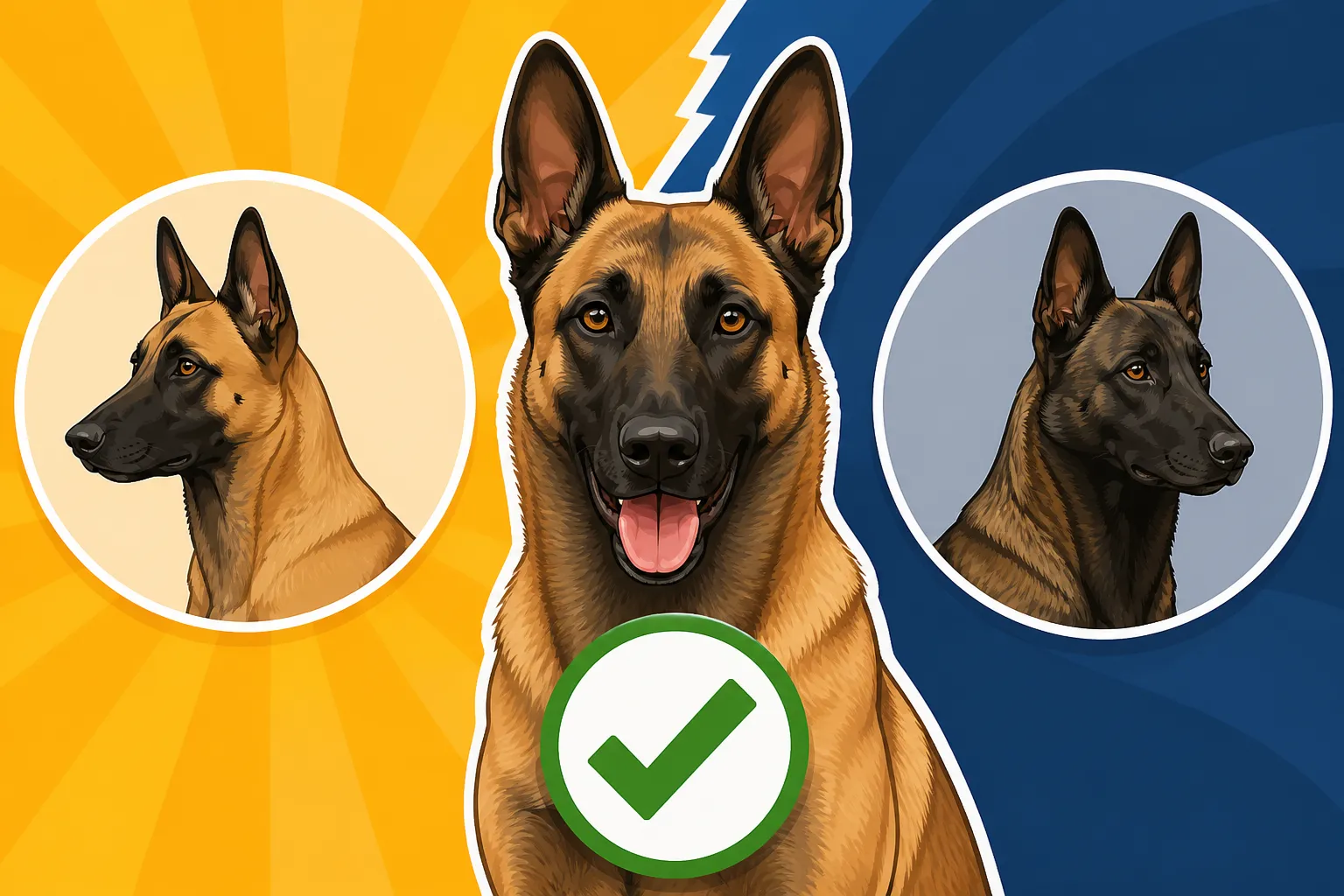
Whether a Sable Belgian Malinois Is Standard
It's easy to get confused when looking at Belgian Malinois puppies, especially with all the talk about different coat colors. You might see some dogs described as "sable" and wonder if that's even a real, accepted color for the breed, or if it means something's amiss. This guide is here to cut through the confusion and explain exactly where sable fits into the official Belgian Malinois breed standard.
Understanding the Official Belgian Malinois Breed Standard
The official breed standard for any purebred dog is essentially the blueprint, a detailed description of the ideal specimen. For the Belgian Malinois, this standard dictates everything from ear set and tail carriage to temperament and, yes, coat color. It's not just an arbitrary set of rules; it's deeply rooted in the breed's history and its original purpose.
The Historical Purpose Behind the Malinois Coat
Think back to the Malinois's origins as a hard-working herding dog in Belgium. Their coats weren't chosen for fancy aesthetics but for practicality. They needed a short, weather-resistant coat that would protect them from the elements while working outdoors, driving livestock, and enduring various climates. The dense undercoat provided insulation, while the harsh outer coat repelled moisture and dirt. Colors that allowed them to blend in or were simply common among the local farm dogs became the foundation of what we see today. Function always came before fashion in these working breeds. It wasn't about flashy patterns but about durability and resilience in the field.
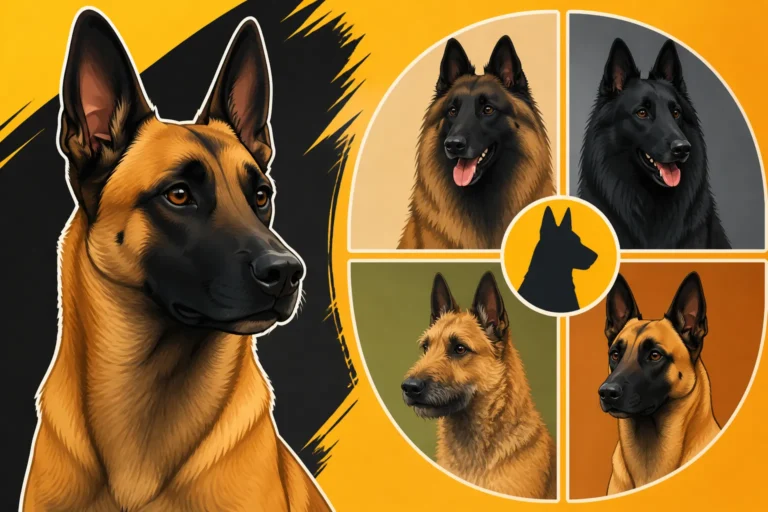
The original Belgian Shepherds, from which the Malinois emerged, were a diverse group. The specific sorting into varieties like the Malinois (short coat), Tervuren (long coat, fawn), Groenendael (long coat, black), and Laekenois (rough coat) primarily happened based on coat type and texture. Color was a secondary characteristic that became standardized within those coat types. So, while variations existed in the wider farm dog population, the move to a formal breed standard sought to create uniformity for recognition and preservation. The goal was to produce predictable characteristics, and coat color was a part of that.
Over time, as the Malinois transitioned from pure herding to police, military, and sport work, the coat's functional aspects remained paramount. A short coat is less prone to burrs, easier to clean after a muddy track, and offers less surface area for a suspect to grab onto during protection work. The typical fawn to mahogany coloration, often with a darker overlay, provides a degree of camouflage in various environments, from urban settings to wooded areas. This blend of practicality and tradition is what shaped the color requirements we still see today in the breed standard.
What the Standard Says About Color
When you read the American Kennel Club (AKC) standard, for example, for the Belgian Malinois, it's quite specific about color. The primary acceptable colors are described as "rich fawn to mahogany, with a black overlay." This "black overlay" is critical. It refers to the black tipping on the fawn hairs, giving the coat depth and intensity. Without this overlay, a Malinois would look plain fawn, which is generally not preferred. The standard explicitly states that the tips of the hairs should be black, creating that signature shading.
Beyond the main body color, the standard also emphasizes other black markings. The "black mask" is perhaps the most iconic feature, covering the muzzle and extending to the ears. Black ears are also a requirement, providing a striking contrast to the fawn body. The standard details that the mask must be significant and complete, not just a smattering of dark hairs. This mask is a strong indicator of breed type and is highly valued in the show ring. How Dark a Belgian Malinois Mask Should Be can tell you more about this key feature.
Any other colors or markings are typically considered faults, or in severe cases, disqualifications. White markings, for instance, are allowed only in very limited areas: a small patch on the forechest, between the pads of the feet, or on the tips of the toes. Extensive white markings on the chest, feet, or anywhere else on the body are usually considered serious faults or disqualifications, depending on their extent. This strictness underscores the importance of adhering to the traditional appearance of the breed.
Fawn to Mahogany and the Mask Requirement
So, let's break down that "fawn to mahogany" description. Fawn is a light, yellowish-tan color. Mahogany is a deeper, richer reddish-brown. The standard allows for a spectrum within these shades, acknowledging natural variation. What ties them together and makes them unmistakably Malinois is that "black overlay" and, most importantly, the mask. A Malinois could be a pale fawn or a deep, fiery mahogany, but without that distinct black mask and black ears, it wouldn't meet the standard.
The mask isn't just a facial marking; it plays a role in the overall expression of the dog. It gives the Malinois its intense, focused look, which is so characteristic of a working dog. This is why breeders striving for excellence in conformation pay close attention to the mask's completeness and intensity. A weak or incomplete mask is considered a fault. How Dark a Belgian Malinois Mask Should Be delves into what makes for an ideal mask.
The black ears, too, contribute to the breed's keen appearance. They should be firm, triangular, and carried erect, with the black pigment covering a significant portion of the ear leather. These combined features—the fawn/mahogany body, the black overlay, and the strong black mask and ears—form the classic Malinois silhouette. Deviations from this precise description often lead to a dog being penalized in the show ring, even if they are otherwise excellent working dogs.
Decoding "Sable" in Malinois Terminology
Now, let's address the elephant in the room: sable. The term "sable" can be a bit confusing because it's used differently across various breeds and even within the same breed, sometimes colloquially. In the context of the Belgian Malinois, understanding what "sable" truly means is key to determining if it's considered standard.
The Genetics of Sable and Why It Appears
Genetically, "sable" refers to a pattern where individual hairs are banded with different colors, typically lighter at the base and darker (often black) at the tips. This creates a shaded appearance. In many breeds, a true sable is a recognized and distinct color pattern. For example, in German Shepherds, sable is a very common and highly prized color, often showing a striking dark overlay that extends far down the body.
The "black overlay" described in the Malinois standard for fawn to mahogany coats is, in essence, a form of sable patterning, but it's a specific type of sable that results in the classic Malinois look. When a Malinois is described as "sable," it usually means the black tipping on the hairs is more extensive or pronounced than what is typically seen in the standard "fawn to mahogany with black overlay" description. It might appear darker, with more black hairs mixed throughout the fawn, sometimes even giving an overall smoky or grizzled effect. This is not necessarily a "faulty" color, but rather a more heavily pigmented version of the acceptable range.
The genetic locus responsible for this is often the Agouti gene series, which controls the distribution of black pigment. Different alleles at this locus can produce fawn, sable, and black and tan patterns. While true solid black is generally not accepted in Malinois, and Whether a Black Belgian Malinois Is a Malinois at All discusses this further, the various shades of fawn and mahogany, along with their black overlay, fall within this spectrum of agouti-controlled patterns. A heavily sabled Malinois often has a genetic makeup that pushes the expression of black tipping further than a lighter fawn.
The Visual Difference Between a Standard Fawn and a Sable
Imagine a typical, standard Belgian Malinois. Its base coat is a warm fawn or rich mahogany. Now, look closely at the individual hairs. Many of them will have black tips, creating that "black overlay" that adds depth and a subtle shading. The overall impression is still distinctly fawn or mahogany, just with a dark dusting. The black mask and ears are prominent and clear. This is the classic look, often referred to as "fawn with black overlay."
A dog specifically called "sable" might have a much more intense black overlay. The black tipping could extend further down each hair shaft, or there might be a higher density of black-tipped hairs. This can make the dog appear significantly darker overall, sometimes almost grayish-fawn, or a very dark mahogany that looks almost charred. The distinction is subtle to the untrained eye but noticeable to someone familiar with the breed standard. The sable might lack the clear, vibrant fawn base that the standard often implies, leaning more towards a smoky, shadowed appearance across its back and sides.
While the standard allows for "rich fawn to mahogany with black overlay," the question of whether a heavily sabled coat falls within this "standard" often comes down to interpretation by judges and breeders. Some might consider a very dark, heavily sabled dog to be outside the ideal range, seeing it as too much black overlay, even though genetically it's just an extreme expression of the same patterning. It's not usually a disqualification in the same way a solid black or a large white patch would be, but it might not be favored in the conformation ring if it deviates too far from the recognized 'fawn' or 'mahogany' appearance. The Black Overlay on a Belgian Malinois Coat further explains the intricacies of this shading.
Common Misconceptions About Sable Malinois
One major misconception is that a "sable" Malinois is somehow a mixed breed or "faulty" simply because the term isn't explicitly listed as a primary color like "fawn." As we've discussed, the standard's "black overlay" is genetically a form of sable. It's more about the degree of black tipping than an entirely different color gene. So, a Malinois with a heavy black overlay is still genetically a Malinois, assuming its pedigree checks out.
Another common myth is that a sable Malinois will automatically have a different temperament or working ability. This is absolutely not true. Coat color and temperament or drive are genetically separate traits. A sable Malinois can be just as high-drive, intelligent, and capable as any traditionally fawn-colored Malinois. Their working ability stems from their breeding lines, training, and individual genetics, not the specific shade or density of their black overlay. If you're looking for a working partner, focusing on the dog's pedigree, health clearances, and the temperament of its parents is far more important than its exact shade of fawn. Whether a Malinois's Color Says Anything About Drive goes into more detail on this topic.
Finally, some people mistakenly believe that "sable" refers to a black Malinois. This is incorrect. A sable Malinois always has a fawn or mahogany base color, even if it's heavily obscured by black tipping. A true black Malinois, meaning solid black without any fawn showing through, is generally considered outside the breed standard. The black mask is distinct from a solid black body color.
Sable Malinois in the Show Ring and Working World
The perception and acceptance of heavily sabled Malinois can differ between the conformation show ring and the various working disciplines. What's considered ideal in one arena might simply be a non-issue in another.
Show Ring Acceptance and Disqualifications
In the conformation show ring, judges are looking for dogs that conform as closely as possible to the written breed standard. This means they are scrutinizing every detail, including coat color and markings. While the standard allows for a range from "fawn to mahogany with black overlay," a Malinois that is too heavily sabled, appearing almost grizzled or excessively dark beyond the typical fawn or mahogany base, might be penalized. It might not be a disqualification, but it could certainly lead to a lower placement if the judge feels it deviates from the "ideal" fawn/mahogany appearance.
Disqualifications for color are usually reserved for more severe deviations, such as solid black, solid white, or extensive white markings that go beyond the small chest patch or toe tips. So, a sable Malinois isn't likely to be disqualified outright unless its color is so extreme that it's mistaken for a different breed or falls into one of the explicit disqualifying categories. However, presenting a very heavily sabled dog might make it harder to win against a dog that perfectly embodies the classic fawn-to-mahogany look with just the right amount of black overlay and a strong mask. It often comes down to the individual judge's interpretation and preference within the acceptable range.
It's also worth noting that the standard emphasizes the clear expression of the black mask and ears. If a very heavy sable pattern obscures the definition of the mask or blends too much with the body color, that could also be seen as a fault. The contrast is important for the breed's characteristic look. Therefore, while genetically "sable" is at the root of the Malinois's standard color, an overly sabled appearance might not be the most competitive in the show ring.
Sable in Working Lines and Its Practical Implications
In the working world—whether it's police K9, military working dogs, search and rescue, or various dog sports like IGP (formerly IPO) or Ring Sport—coat color is largely irrelevant. Handlers and trainers are focused almost entirely on genetics, drive, temperament, health, and trainability. A dog's ability to track, detect, bite, or perform complex obedience routines has absolutely nothing to do with whether its black overlay is lighter or heavier.
In fact, many top working lines produce dogs with a wide spectrum of fawn and mahogany shades, including those with a very strong, dark black overlay that some might colloquially call "sable." These dogs are just as capable and driven as their lighter-fawn littermates. Their color doesn't make them any less effective in their duties. What matters is their genetic predisposition for work, their physical soundness (like good hips and elbows, which can be checked through organizations like OFA, or PennHIP Reading a Belgian Malinois Hip Result), and their mental fortitude.
For a working dog, practical considerations often outweigh aesthetic ones. A slightly darker coat might even offer a marginal benefit in terms of camouflage in certain environments, though this is rarely a selection criterion. What trainers care about is a dog that's healthy, biddable, and possesses the intense drive and nerve required for demanding jobs. The color simply doesn't factor into that equation.
Why Color Doesn't Determine Drive or Temperament
This is a critical point that cannot be overstated. There is absolutely no scientific correlation between a Belgian Malinois's coat color (whether it's a lighter fawn, a rich mahogany, or a heavily sabled version) and its drive, temperament, intelligence, or working ability. These traits are inherited independently of coat color genes.
A dog's drive for work, its natural prey drive, its nerve, its confidence, and its overall temperament are complex genetic traits that are selected for by responsible breeders focusing on working lines. They look at the working titles and performance of the parents, grandparents, and even great-grandparents. They assess the puppies' individual temperaments and drives from a young age. They do not pick puppies based on whether they are a slightly darker sable or a lighter fawn. What a KNPV Program Puts a Belgian Malinois Through is a good example of selection criteria that has nothing to do with color.
Any breeder who tries to tell you that a certain color means a "better" working dog or a "calmer" pet is likely misinformed or trying to sell you something based on inaccurate information. When choosing a Malinois, especially for work or as a serious companion, prioritize proven health (health clearances like OFA for hips and elbows are crucial), sound temperament from parentage, and the reputation of the breeder over any aesthetic preference for a particular shade of fawn or degree of sable overlay. A Malinois is a demanding breed, and selecting for the right foundational traits is paramount, regardless of color. Why a Belgian Malinois Is the Wrong First Dog emphasizes the importance of understanding the breed's needs beyond appearance.
What to Look for When Choosing a Malinois Puppy
Given the nuances of coat color, what should a prospective owner prioritize when bringing a Belgian Malinois into their home? The answer consistently points away from superficial traits and towards foundational elements.
Prioritizing Health and Temperament Over Coat Color
When you're looking for a Belgian Malinois, especially from working lines, your priority list should be: health, temperament, and drive. Color should be way down at the bottom, if it's even on the list at all. These dogs are athletes, highly intelligent, and incredibly demanding. A beautiful coat won't make up for bad hips, a fear-aggressive temperament, or a lack of drive for the work they were bred to do.
Responsible breeders will put a huge emphasis on health clearances. This means both parents should have their hips and elbows checked and certified, usually through organizations like OFA (Orthopedic Foundation for Animals) or PennHIP. They should also be tested for genetic conditions like the two ataxia genes The Two Ataxia Genes Belgian Malinois Are Tested For that can affect the breed. Asking a breeder for these results is not only acceptable but expected. Asking a Breeder for Malinois Ataxia Results is a good article to review.
Temperament is equally crucial. A well-bred Malinois should be confident, stable, and possess appropriate nerve. While they are known for their intensity, they should not be excessively anxious, fearful, or randomly aggressive. Meeting the parents, or at least the dam, and seeing how they interact with their handler and environment can tell you a lot. Discussing the parents' temperaments and working titles with the breeder is essential. Never compromise on health or temperament for a specific coat shade.
Reputable Breeders and Their Stance on Color
A reputable Belgian Malinois breeder will prioritize the health, temperament, and working ability of their dogs above all else. When you inquire about puppies, they will likely ask you about your experience, your lifestyle, and your goals for the dog before they even talk about colors. They understand that a Malinois is a significant commitment, and they want to ensure their puppies go to suitable homes.
Such breeders will generally not breed solely for a particular coat color or claim that a "sable" puppy is somehow superior or inferior. They breed to the standard, understanding that there can be variations within that standard, especially in the intensity of the black overlay. Their focus is on producing sound, healthy, and capable working dogs that also adhere to the breed's physical characteristics. They will be transparent about the genetic history of their dogs and provide all necessary health clearances.
If a breeder seems overly focused on a puppy's color, or tries to charge a premium for a "rare" color that isn't truly rare or particularly desirable within the standard, that's a red flag. Be wary of anyone marketing a Malinois solely on its aesthetic rather than its health, temperament, and proven lineage. Look for breeders who are active in dog sports or working dog associations, as this often indicates a commitment to the breed's functional purpose.
The Role of the Black Mask, Even in Sables
No matter the exact shade of fawn or mahogany, or the intensity of the black overlay (sable), the black mask remains a non-negotiable aspect of the Belgian Malinois breed standard. It's a defining characteristic that contributes to the breed's distinctive expression and should be present and complete.
Even in a heavily sabled Malinois where the body color is quite dark, the mask should still be clearly delineated and black. The black ears should also be distinct. If a dog lacks a proper mask, or if the mask is incomplete or faded, it would be considered a fault in the conformation ring, regardless of how "sable" or fawn its body might be.
The mask, along with the ears, gives the Malinois its keen, intelligent, and somewhat intense gaze. It's not just cosmetic; it's part of the overall breed type and expression. So, when evaluating a Malinois puppy, even if you are drawn to a darker, more sabled appearance, always ensure it has that strong, unmistakable black mask and black ears. This shows adherence to a fundamental aspect of the breed's established look, as detailed in How Dark a Belgian Malinois Mask Should Be.
Understanding Malinois Coat Colors: Standard vs. Common Variations
To help clarify the common perceptions around Malinois coat colors, here's a quick table outlining what is generally considered standard by breed clubs versus variations you might encounter and their implications.
| Characteristic | Standard Belgian Malinois Coat | "Sable" Belgian Malinois (Heavy Overlay) | Non-Standard/Disqualifying Colors |
|---|---|---|---|
| Base Color | Rich fawn to mahogany | Fawn to mahogany, but often appearing darker due to heavy tipping | Solid black, solid white, blue, liver, piebald |
| Black Overlay | Present as black tipping on individual hairs, giving depth | Very pronounced black tipping, extending further down hair shaft, giving a 'grizzled' or 'smoked' effect | Absent or minimal |
| Mask & Ears | Essential: Clear, distinct black mask on muzzle, black ears | Essential: Should still have a clear and distinct black mask and ears, though contrast might be less severe than a lighter fawn | Mask absent, incomplete, or faded; ears not black |
| White Markings | Small patch on forechest, between pads, or tips of toes allowed | Same as standard | Extensive white on chest, feet, or body |
| Show Ring | Highly desirable and competitive | Accepted within the standard, but might be less competitive if excessively dark | Disqualification |
| Working World | No impact on working ability | No impact on working ability | No impact on working ability (but may not be purebred) |
| Genetic Basis | Agouti gene (Ay allele) with eumelanin modifier genes | Stronger expression of black tipping alleles on the Agouti gene | Recessive genes for solid colors or dilution genes |
Ultimately, while the term "sable" might not be explicitly used in the official breed standard in the same way "fawn" or "mahogany" is, the mechanism that produces a sable-like appearance – the black overlay – is absolutely standard. A heavily sabled Malinois is generally a valid representation of the breed, provided all other aspects of the standard are met, especially the critical black mask and ear coloration. The key is to look past just the overall shade and appreciate the underlying genetic and historical context of the breed's coat.
Don't let perceived color differences distract you from what truly matters in a Malinois: health, temperament, and a solid working foundation. When you're ready to bring home a new companion, consider reputable online retailers like Chewy for all your puppy supply needs, from high-quality performance kibble to indestructible chew toys that can stand up to a Malinois's powerful jaws. They carry a wide range of products designed for active, large breeds. Focus on bringing home a dog that is structurally sound and mentally prepared for the challenges of being a Malinois, regardless of whether its coat leans a little more towards the darker, "sable" end of the fawn-to-mahogany spectrum. Finding the right tools for training and management is far more important than a dog's exact coat shade. If you're really struggling with finding the right products, Chewy often has fantastic sales and customer service that can guide you.
The world of Belgian Malinois is exciting, demanding, and incredibly rewarding. By understanding the nuances of their appearance, you can make more informed decisions and appreciate the breed for its remarkable capabilities rather than getting hung up on minor color variations. Ensure your dog is receiving adequate nutrition; Chewy offers a variety of premium dog foods suitable for high-energy breeds.
Disclaimer
This article is for general informational purposes only and does not constitute professional advice. Laws, prices and regulations vary by location and change over time. Consult a qualified professional for guidance on your specific situation.