Getting a Brush Through a Malinois’s Undercoat
The constant battle against Belgian Malinois hair seems never-ending, doesn't it? Those beautiful, dense coats, while stunning, can unleash a seemingly endless supply of fine, wiry fur, especially when they decide to blow their undercoat. It often feels like you're brushing and brushing, only for the hair to still cling to everything, making you wonder if you're even making a dent. This comprehensive guide is here to walk you through the real strategies and tools you need to effectively manage your Malinois's undercoat, keeping your home a little less hairy and your dog's coat healthier.
Understanding the Malinois Coat: More Than Just "Short Hair"
Many people look at a Belgian Malinois and think, "Oh, short hair, that's easy!" If only that were true! The reality of living with these incredible dogs is that their coat, while not long and flowing like a German Shepherd's, is surprisingly complex and requires dedicated attention. It’s not just a single layer of fur; it's a meticulously designed natural insulation system that keeps them comfortable in various climates, but it also means a constant management task for us, their human companions. You'll quickly learn that their short fur has a unique way of embedding itself into every fabric imaginable.
The Double-Coated Reality of a Malinois
Your Malinois isn't just sporting a sleek, short outer layer; underneath that lies a dense, soft, and much finer undercoat. This dual-layer system is a hallmark of many working breeds, designed by nature to protect them from the elements. The coarser, slightly stiffer outer guard hairs are water-resistant and protect the skin from thorns, scratches, and direct sunlight. They're like the shingles on a roof, shedding rain and deflecting debris. Then, nestled beneath, is the undercoat – a fluffy, insulating layer that traps air, keeping them warm in winter and helping to regulate their body temperature in summer by creating a buffer against heat. It’s a remarkable piece of natural engineering.
It’s this undercoat, the unsung hero of their insulation, that causes most of our grooming headaches. It's incredibly fine, prone to shedding in vast quantities, and can quickly become a tangled mess if not properly managed. When you feel your Malinois's coat, you can usually feel the difference: the top coat is smooth and resilient, while if you push your fingers down, you'll encounter that softer, fuzzier layer closer to the skin. Understanding this distinction is the first step in effective grooming, because the tools and techniques you'll use are specifically targeting that inner layer. If you ignore it, you’ll find yourself buried in hair.
Why the Undercoat Is Such a Challenge
The sheer density of the Malinois undercoat is what makes it such a formidable adversary for even the most diligent owner. Unlike breeds with single coats that just drop individual hairs, a double-coated Malinois will "blow" its coat, especially seasonally, meaning it sheds large clumps of dead undercoat. This process is entirely natural and healthy, allowing new fur to grow in and ensuring their insulation system remains efficient. However, if that dead undercoat isn't removed, it can mat against the skin, trap moisture, and lead to skin irritations, hot spots, or even infections. It's not just about the mess; it's about their comfort and health.
Moreover, the texture of the undercoat is such that it easily weaves itself into carpets, upholstery, and clothing. It's often finer than the guard hairs, making it almost invisible until it accumulates into a furry dust bunny the size of a small rodent that seems to float across your floors. This constant shedding means that even outside of the "big shed," you'll be dealing with a steady stream of fur. It's not a sign of poor health (unless it's excessive or patchy); it's simply the reality of living with a Belgian Malinois. You'll quickly learn that a clean house and a Malinois are often mutually exclusive concepts without a dedicated grooming routine.
The Seasonal Shedding Cycles: Brace Yourself!
If you're new to the world of Belgian Malinois, you might be in for a surprise regarding their shedding patterns. While they shed year-round, there are specific times when the amount of fur they produce can feel absolutely overwhelming. These are often referred to as "coat blows," and they are a perfectly natural, albeit messy, part of a Malinois's life cycle. Understanding these cycles can help you anticipate the onslaught and prepare your grooming arsenal accordingly. It’s like preparing for a natural disaster, but with fur.
The Big Blow-Out: When to Expect the Fur-Nado
The most dramatic shedding events for a Belgian Malinois typically occur twice a year: in the spring and in the fall. In spring, your Malinois will shed its thick winter undercoat to make way for a lighter, more breathable summer coat. This is usually the most intense period, as they are essentially trying to get rid of a significant amount of insulating fur. You might find yourself brushing handfuls, even entire "dog-sized" clumps, of fur off your dog daily. It's not uncommon for the volume of shed hair to make you wonder if you actually have enough dog left. It's truly a fur-nado, as I like to call it.
Conversely, in the fall, they'll shed their lighter summer undercoat to grow in a denser, warmer winter layer. While often not as intense as the spring shed, it's still a noticeable increase in shedding activity. Factors like climate, whether your dog lives indoors or outdoors, and even diet can influence the exact timing and severity of these coat blows. For a Malinois That Works Into Their Tenth Year, these cycles might become less pronounced or slightly delayed, but they never truly stop. Expect these periods to last several weeks, and prepare for daily brushing sessions to help expedite the process and prevent mats.
Managing Year-Round Maintenance Shedding
While the seasonal coat blows are undeniably the peak of shedding activity, a Belgian Malinois will shed continuously throughout the year, just at a lower, more manageable rate. This "maintenance shedding" involves the natural turnover of individual hairs from both the guard coat and the undercoat. It’s enough to keep your vacuum cleaner busy and ensure that no surface in your home goes untouched by Malinois glitter. Don't be fooled by the short coat; those fine hairs can be incredibly pervasive, often weaving themselves into your clothes and furniture with surprising tenacity.
To keep this constant shedding under control, a consistent, regular grooming routine is key. Even outside of the major coat blows, aiming for a thorough brushing session at least 2-3 times a week can make a huge difference. This regular removal of loose hair not only reduces the amount of fur deposited around your house but also keeps your dog's coat healthy and promotes good skin circulation. It’s also an excellent opportunity to bond with your Malinois and perform quick health checks, like looking for Lumps Worth Aspirating on a Belgian Malinois or checking for skin irritations that might be hiding under that dense fur. Think of it less as a chore and more as an ongoing investment in your dog's comfort and your home's cleanliness.
Essential Tools for Tackling the Undercoat
Trying to tackle a Malinois undercoat with the wrong tools is like trying to chop down a tree with a butter knife – frustrating, ineffective, and likely to leave you both feeling defeated. The secret to successful Malinois grooming lies in having the right arsenal of brushes, combs, and even specialized equipment designed specifically for dense double coats. Don't cheap out here; a good quality tool will last longer and do a far better job, saving you money and sanity in the long run.
Deshedding Rakes and Undercoat Removers
These are your heavy artillery in the war against the undercoat. Deshedding rakes, often with rounded teeth or blades, are designed to penetrate the topcoat and gently pull out loose undercoat without cutting or damaging the guard hairs. They typically come in various tooth lengths and spacing; for a Malinois, you'll want something that can reach that dense underlayer without scratching the skin. Tools like a good quality undercoat rake from brands you find on Chewy or Amazon can make an enormous difference during a coat blow, dramatically reducing the amount of fur left in your home.
Another popular choice is a deshedding tool like the Furminator, which uses a fine-toothed metal blade to reach deep into the undercoat. While incredibly effective, it's crucial to use these tools correctly and sparingly, especially on a Malinois. Overuse or improper technique can damage the topcoat or irritate the skin. Always use short, gentle strokes and lift the tool after each stroke to avoid repetitive pressure on the same area. Focus on removing the loose hair, not cutting the healthy coat. These tools are indispensable during the shedding seasons, quickly removing the bulk of the dead fur before it has a chance to settle on your furniture.
Slicker Brushes and Pin Brushes for Everyday Use
While deshedding tools are great for the heavy lifting, slicker brushes and pin brushes are your everyday workhorses for maintenance and for opening up the coat before using a rake. A slicker brush typically has fine, short wires packed closely together on a flat or curved surface. It’s excellent for removing surface loose hair, detangling minor mats, and smoothing the topcoat. For a Malinois, choose one with firm but flexible pins, as their coat can be quite dense. They are also helpful for puppies learning to enjoy grooming sessions, as they are generally less intense than a rake and provide a softer feel.
Pin brushes, on the other hand, have widely spaced, longer metal pins with rounded tips. These are ideal for longer-coated breeds, but they can still be useful for a Malinois, especially around the furnishings on their tail or if they have a slightly thicker coat. They help to separate the hairs, stimulate the skin, and remove any larger debris. Think of them as a preparatory tool before you go in with a slicker or a rake. A combination of these brushes ensures you're addressing both the topcoat and the undercoat effectively, making your grooming routine much more efficient and preventing any single area from being neglected.
The Power of a High-Velocity Dryer
This is a game-changer for many Malinois owners, especially during seasonal sheds. A high-velocity dryer, often called a force dryer, is exactly what it sounds like: a powerful blower that forces air at high speed. It's not a human hairdryer; it doesn't use heat (or only minimal, safe heat), but rather the sheer force of the air to literally blast loose hair out of the coat. After a bath, it significantly reduces drying time, but its real magic lies in deshedding. You'll be amazed at the sheer volume of fur that comes flying out.
By directing the powerful stream of air against the grain of the fur, you can dislodge an astonishing amount of dead undercoat that brushing alone might miss. This method can drastically cut down on shedding and make subsequent brushing far easier. It's also great for blowing out dirt, dander, and small debris that might be trapped in the coat, particularly for a [Belgian Malinois That Works Outdoors] and might come home with a variety of interesting "decorations" in their coat. Many professional groomers swear by them, and even at home, they can be a worthy investment, drastically reducing the amount of hair you find around your house for days after a good blow-out session. Just remember to introduce your Malinois to the dryer slowly and positively, as the noise and sensation can be a bit startling at first.
Step-by-Step Undercoat Grooming Routine
Now that you understand the Malinois coat and have your tools ready, let's talk about putting it all into action. A consistent, methodical approach will yield the best results, keeping your Malinois comfortable and your home cleaner. Remember, patience is key, especially if your dog isn't thrilled about grooming time. It might feel like a wrestling match at first, but with persistence, it can become a calm, even enjoyable, routine.
Preparing Your Malinois for a Grooming Session
Before you even pick up a brush, set the stage for success. Choose a quiet time when your Malinois is relatively calm, perhaps after a good play session or a training walk. Make sure you have all your tools laid out, treats at the ready, and a dedicated space. Some people prefer grooming tables, others just a non-slip mat on the floor. For larger dogs like Malinois, an outdoor area is often preferred during heavy sheds to contain the flying fur and save your vacuum cleaner.
Start with a few minutes of positive reinforcement. Offer a favorite treat, give some gentle praise, and get your dog comfortable with the idea of being handled. If your Malinois is resistant, break the session into shorter segments. You might only manage a few minutes at first, but consistency will build tolerance. Introduce the brushes slowly, letting them sniff and investigate. For nervous dogs, a lick mat smeared with peanut butter or a puzzle toy can be a wonderful distraction, occupying them while you work. This preparation phase is critical for building a positive association with grooming, especially if you have a Malinois That Shuts Down Under Correction or is generally sensitive to handling.
The Brushing Technique for Maximum Effectiveness
Once your Malinois is settled, it's time to get down to business. Start by gently misting the coat with a detangling spray or plain water. This helps to reduce static, makes brushing smoother, and prevents damage to the hair. Always brush in the direction of hair growth, starting from the head and working your way back towards the tail and down the legs. Work in small, manageable sections, rather than trying to tackle the whole dog at once.
- Open the Coat: Begin with a slicker brush or a pin brush to go over the entire coat. This helps to remove surface debris, untangle any minor snags, and prepare the coat for deeper work. Use light, even strokes. This initial pass helps you identify any problem areas or small mats that might need extra attention.
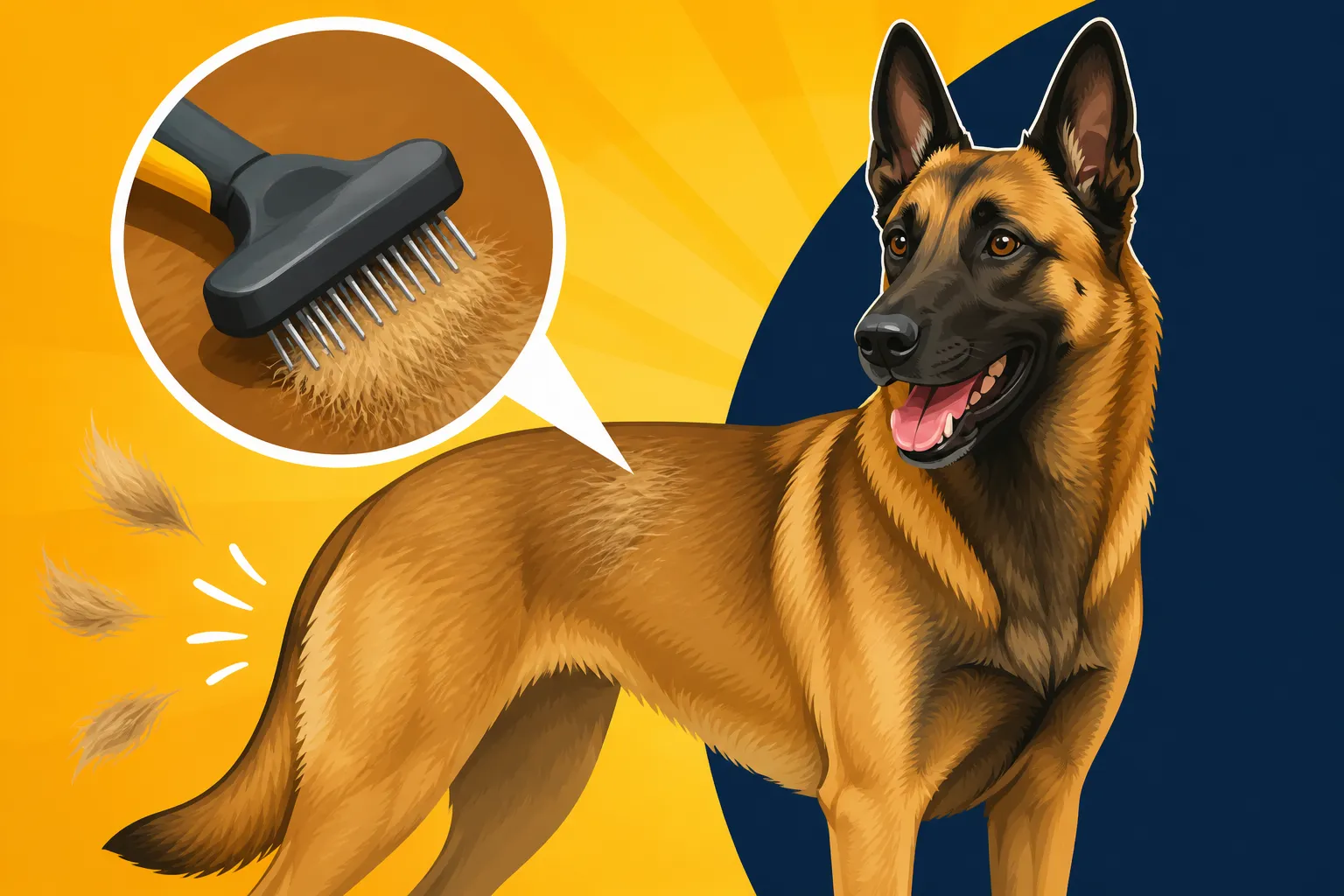
- Target the Undercoat with a Rake: Now, switch to your undercoat rake or deshedding tool. Work in small sections. With one hand, part the fur against the grain to expose the undercoat, and with the other, use short, firm (but not harsh) strokes to pull out the loose undercoat. Lift the tool after each stroke and immediately remove the collected fur. Pay special attention to areas like the hindquarters, chest, and around the tail, where the undercoat can be particularly dense. Remember, the goal is to remove dead hair, not to pull healthy fur or irritate the skin.
- Brush Against the Grain (Carefully): For extremely dense areas, you can very gently brush against the grain with the undercoat rake for a few strokes to help lift dead hair, then immediately follow up with brushing with the grain to smooth it back down. Be extra cautious with this technique to avoid causing discomfort or scratching your Malinois's sensitive skin.
- Repeat and Refine: Continue this process until you are no longer pulling out significant amounts of loose undercoat from a section. You'll literally see the volume of fur coming off decrease, indicating you've done a thorough job.
Finishing Touches and Maintaining the Coat
Once you've tackled the bulk of the undercoat, give your Malinois a final brush-over with a slicker brush or even a soft bristle brush to smooth the topcoat and distribute natural oils. This will leave their coat looking shiny and well-maintained. Don't forget their tail – the tail can gather a lot of loose fur and should not be overlooked. Finally, praise your Malinois extensively and reward them with a high-value treat. This positive ending reinforces that grooming is a good experience and makes them more cooperative for the next session.
Between these thorough brushing sessions, quick daily passes with a slicker brush can help keep surface shedding to a minimum and prevent the buildup of new loose hair. Also, consider integrating regular baths into your routine. A good bath with a deshedding shampoo, followed by a thorough blow-dry with a high-velocity dryer, can actually loosen and remove a significant amount of undercoat, making the brushing process much easier when they are damp. Always make sure your Malinois is completely dry after a bath to prevent skin irritation. This commitment to consistent care helps ensure your Malinois remains healthy and happy.
Common Malinois Undercoat Challenges and Solutions
Even with the best tools and intentions, grooming a Malinois can present its own set of challenges. Their high drive, sensitive skin, and the sheer volume of their undercoat mean you might encounter a few bumps in the road. Addressing these issues proactively can make the grooming process smoother for both you and your dog, turning a potential struggle into a manageable routine.
Mats and Tangles: Prevention and Removal
While a Malinois's short coat is less prone to the severe matting seen in long-haired breeds, they can still develop mats, especially in dense areas or if dead undercoat is allowed to accumulate. Common spots for mats include behind the ears, under the "armpits" (front legs), around the ruff, and on the tail. These mats often consist of dead undercoat tightly woven together, sometimes incorporating dirt or debris. They can pull on the skin, causing discomfort, pain, and even skin infections if left untreated. Ignoring them only makes them worse.
Prevention is always better than cure. Regular and thorough brushing, particularly during seasonal sheds, is your best defense. If you do encounter a mat, resist the urge to pull or cut it out with scissors, as you can easily cut your dog's skin. Instead, try to work it out gently. You can use a mat-splitter tool or a seam ripper (used very carefully to slice through the mat, not into the skin). Hold the skin at the base of the mat to minimize pulling, and work at the edges of the mat with a slicker brush or a metal comb, picking it apart strand by strand. A detangling spray can also help lubricate the hair. If a mat is too tight or too close to the skin, it's always safest to seek assistance from a professional groomer or your vet. Trying to deal with a severe mat can quickly turn into a painful experience for your Malinois, making future grooming sessions a nightmare.
Dealing with Sensitive Skin and Brushing Aversion
Some Malinois can have sensitive skin, which can be exacerbated by harsh brushing or certain grooming products. If you notice redness, flakiness, or if your dog shies away from brushing, it might be a sign that your technique is too rough, your tools are too sharp, or they have an underlying skin issue. Always use gentle strokes and inspect your dog's skin regularly for any signs of irritation or infection. For dogs with known skin sensitivities or allergies, using a hypoallergenic shampoo and conditioner during baths can be beneficial. Products from brands like Ollie, which focus on natural ingredients, might be a good option to explore for a gentler approach to care.
Brushing aversion is another common hurdle, especially if a Malinois had negative grooming experiences as a puppy or if you haven't built up positive associations. Patience and positive reinforcement are your greatest allies here. Keep sessions short, incorporate lots of treats and praise, and stop before your dog gets overly stressed. Start with gentle touches and light brushing in less sensitive areas, gradually increasing the duration and intensity. If your dog still struggles, consider using a distraction like a chew toy or a lick mat, or even having a second person assist by feeding treats and providing calm reassurance. Remember, a Malinois That Shuts Down Under Correction might become even more averse if forced, so a gentle, consistent approach is crucial to building trust.
When to Seek Professional Help
While managing your Malinois's coat at home is entirely feasible, there are times when professional help is not just beneficial, but necessary. A professional groomer has specialized tools, training, and experience with difficult coats and temperaments. Sometimes, it's just easier to let the pros handle the really tough jobs, especially during a full coat blow.
Here are a few scenarios where a professional groomer can be invaluable:
- Severe Matting: If your Malinois has developed extensive or tight mats that you cannot safely remove yourself, a groomer can often work them out or shave them down without injuring your dog.
- First-Time Deshedding: For your Malinois's first major coat blow, a professional deshedding treatment can be incredibly effective. They often use specialized shampoos, conditioners, and high-velocity dryers to loosen and remove an impressive amount of undercoat, giving you a clean slate to maintain.
- Nervous or Reactive Dogs: If your Malinois is extremely fearful or reactive to grooming tools or handling, a professional groomer might have techniques or facilities (like hydrobaths or specialized restraints) that make the experience less stressful. They can also provide guidance on how to continue positive reinforcement grooming at home, perhaps helping with Muzzle Conditioning Before a Malinois Ever Needs One.
- Health Concerns: If you notice persistent skin issues, unusual lumps, or excessive shedding that doesn't seem seasonal, a professional groomer might spot something that warrants a vet visit. They are often the first line of defense in identifying skin problems due to their thorough handling.
A good professional groomer will also be able to advise you on the best tools and techniques for your specific dog's coat type and temperament, providing invaluable personalized tips for your home routine.
Beyond the Brush: Diet, Baths, and Lifestyle
While brushing is undoubtedly the cornerstone of undercoat management, it’s not the only factor at play. A healthy coat and minimized shedding are also heavily influenced by your Malinois's overall health, which includes their diet, regular bathing practices, and even their environment. Thinking holistically about coat care can give you an edge in the battle against shed hair, making your brushing efforts even more effective.
Nutritional Support for a Healthy Coat
What goes into your Malinois's body directly impacts the quality of their coat and skin. A diet rich in high-quality protein, essential fatty acids (especially Omega-3 and Omega-6), and vitamins and minerals is crucial for healthy hair growth and skin integrity. Cheap, low-quality foods with fillers can lead to dull, brittle coats, excessive shedding, and dry, itchy skin. Think of it like trying to build a house with flimsy materials – it won't hold up.
Look for dog foods where real meat is the first ingredient, and consider supplements if your vet recommends them. Omega-3 fatty acids, found in fish oil, are particularly beneficial for skin and coat health, helping to reduce inflammation and promote a shiny, strong coat. Brands like Ollie, known for fresh, human-grade ingredients, often formulate their foods with these skin and coat benefits in mind. Just like humans, a well-nourished Malinois will naturally have a healthier coat that sheds less excessively and is easier to maintain. Always consult your veterinarian before making significant changes to your dog's diet or adding supplements, especially if they are a [Belgian Malinois With Thyroid Issues] or other underlying health conditions.
The Role of Bathing in Undercoat Management
Many people think frequent bathing can worsen shedding, but for a double-coated breed like the Malinois, regular, proper bathing can actually be a key component of undercoat management. A good bath helps to loosen dead hair and dander, allowing it to be easily rinsed away or removed during the drying process. It's an opportunity to physically remove a lot of the fur that would otherwise end up on your couch.
Aim for a bath every 4-8 weeks, or more often during heavy shedding seasons. Use a high-quality deshedding shampoo and conditioner specifically formulated for double coats. These products often contain ingredients that help to release dead undercoat. During the bath, really work the shampoo down to the skin, massaging it in to help loosen that trapped fur. After rinsing thoroughly (this is crucial to prevent skin irritation), towel dry your Malinois vigorously, and then, ideally, use a high-velocity dryer. The force of the air from the dryer will blast out an incredible amount of loose undercoat, dramatically reducing the amount you'll then need to brush out. This combination of washing and powerful drying is often what professional groomers use to achieve those impressive deshedding results.
Environmental Factors and Shedding
Your Malinois's environment also plays a role in their shedding patterns. Dogs that spend a lot of time indoors, exposed to artificial light and consistent temperatures, might shed more consistently year-round, as their bodies don't get the strong seasonal cues to "blow" their coat entirely. While this can sometimes mean less dramatic seasonal shedding, it often translates to a steady, low-level shedding problem all the time. It's like a constant trickle instead of two big floods.
Conversely, dogs that spend more time outdoors might experience more defined seasonal sheds, but also benefit from natural air circulation and sun exposure that helps maintain coat health. Ensuring your Malinois has access to shade during sunny days is important, as direct sun can affect skin and coat health, particularly for a Light Sensitive Belgian Malinois who might develop issues like pannus. Maintaining good air quality indoors, with regular vacuuming and air filters, can also help manage the floating fur. While you can't control every environmental factor, being aware of them can help you understand and adjust your grooming routine accordingly, perhaps even considering Hot Spots on a Malinois After Water Training in certain humid climates.
| Brush Type | Primary Use | Ideal For Malinois? | Tips for Use | Where to Find (Example Brands) |
|---|---|---|---|---|
| Undercoat Rake | Removing loose undercoat and dead hair | Essential, especially during seasonal sheds | Use short, firm strokes. Lift to clear hair. Avoid excessive pressure. | Amazon, Chewy (e.g., KONG ZoomGroom, rake tools) |
| Deshedding Tool | Deep undercoat removal, minimizing shedding | Very effective, use with caution to prevent skin irritation | Gentle, short strokes. Do not overuse. Lift tool after each stroke. | Amazon, Chewy (e.g., FURminator) |
| Slicker Brush | Detangling, removing surface hair, smoothing | Good for daily maintenance and opening coat | Use light, even strokes. Helps remove minor mats and surface debris. | Amazon, Chewy (e.g., Hartz, Chris Christensen) |
| Pin Brush | Separating hair, stimulating skin, light detangling | Useful for general coat conditioning and longer tail furnishings | Gentle strokes. Good for preparatory brushing or sensitive areas. | Amazon, Chewy |
| High-Velocity Dryer | Blasting out loose undercoat, fast drying | Game-changer for managing major sheds | Introduce slowly. Use on cool or low heat setting. Direct against hair growth. | Pet specialty stores, Amazon |
Disclaimer
This article is for general informational purposes only and does not constitute professional advice. Laws, prices and regulations vary by location and change over time. Consult a qualified professional for guidance on your specific situation.