Moving a Belgian Malinois to Adult Food
It's a common question that pops up in every Malinois owner's journey: when exactly do you switch your whirlwind of a puppy over to adult dog food? It feels like one minute they're a tiny bundle of land sharks, and the next they're growing at an incredible rate, seemingly ready to take on the world. This guide will walk you through the nuances of this transition, helping you understand the right timing, the best approach, and how to choose the ideal adult nutrition for your high-octane Belgian Malinois.
Understanding the Malinois Growth Curve
The growth trajectory of a Belgian Malinois puppy is unique and incredibly fast-paced, which often leads owners to wonder about their nutritional needs. These dogs are lean, muscular, and built for explosive energy, but their skeletal development needs careful consideration during their formative months.
Rapid Growth vs. Maturation
Belgian Malinois puppies experience a period of incredibly rapid growth in their first few months of life. They shoot up in height and length, transforming from a small, soft puppy into a lanky, gangly adolescent almost before your eyes. This rapid growth phase is exciting to watch, but it's during this time that the foundations for their adult health are laid. However, while they may reach their adult height relatively quickly, their bones, joints, and musculature are still maturing long after they hit their peak stature. It's not just about getting big; it's about growing strong and sound.
Many owners might think that once their Malinois puppy looks "big enough," they're ready for adult food, but that's not always the case. The skeletal plates, known as growth plates, in a puppy's long bones remain open and vulnerable to injury or improper development until they fully close. For a breed as active and agile as the Malinois, ensuring these plates close properly is paramount for their long-term orthopedic health. Rushing their growth, or feeding inappropriate nutrition, can put undue stress on these developing structures. You can dive deeper into their early development in The First Year of a Belgian Malinois's Growth.
Why Pushing Growth is Detrimental
There's a common misconception that feeding a puppy more, or higher-calorie food for longer, will make them bigger or stronger. With a Belgian Malinois, this approach can actually be counterproductive and even harmful. Excessive calorie intake, especially coupled with an imbalanced calcium-to-phosphorus ratio often found in regular adult foods, can accelerate growth to an unnatural pace. This rapid growth can put significant stress on still-developing joints and bones, increasing the risk of orthopedic issues such as hip and elbow dysplasia, osteochondritis dissecans (OCD), or other growth-related skeletal problems.
Instead of focusing on pushing growth, the goal for a Malinois puppy should be steady, controlled development. Puppy foods, particularly those formulated for large breeds, are specifically designed to provide the right balance of nutrients to support this controlled growth, ensuring strong bone development without over-stressing the system. For more on this, check out Why Pushing Growth Hurts a Malinois Puppy. Overfeeding, regardless of the food type, can lead to your Malinois being overweight, which is another significant stressor on joints, especially in a breed that is naturally very lean.
Physical Maturity vs. Mental Maturity
It's important to differentiate between physical maturity and mental maturity in a Belgian Malinois. While a Malinois might reach most of its adult height by 12-18 months of age, their bodies are still solidifying, and their minds are still very much in the adolescent phase. Physically, the growth plates typically close around 12-18 months for most large breeds, but individual variation exists. Some Malinois, particularly males, might continue to fill out and gain muscle mass until they are two, or even three years old. This "filling out" is different from growing taller or longer and is usually a sign of bone density and muscle development rather than skeletal elongation.
Mentally, a Malinois can remain a "puppy" in terms of impulse control, focus, and general maturity until well past two years old, sometimes even three. Their intense drive and endless energy often mean they are still learning how to manage their arousal and make good decisions. This mental immaturity doesn't directly impact their food transition, but it's a good reminder that just because they look like an adult, doesn't mean they are fully grown up in every sense. This extended maturation period is crucial for training and socialization, allowing you to shape their high drive into productive work.
Signs Your Malinois Puppy is Ready for Adult Food
Knowing when to make the switch can feel a bit like guessing. There's no hard-and-fast rule that applies to every single Malinois, as genetics, individual growth rates, and activity levels all play a part. However, there are some reliable indicators you can look for that suggest your furry friend is ready for their adult diet.
Age as a Guideline
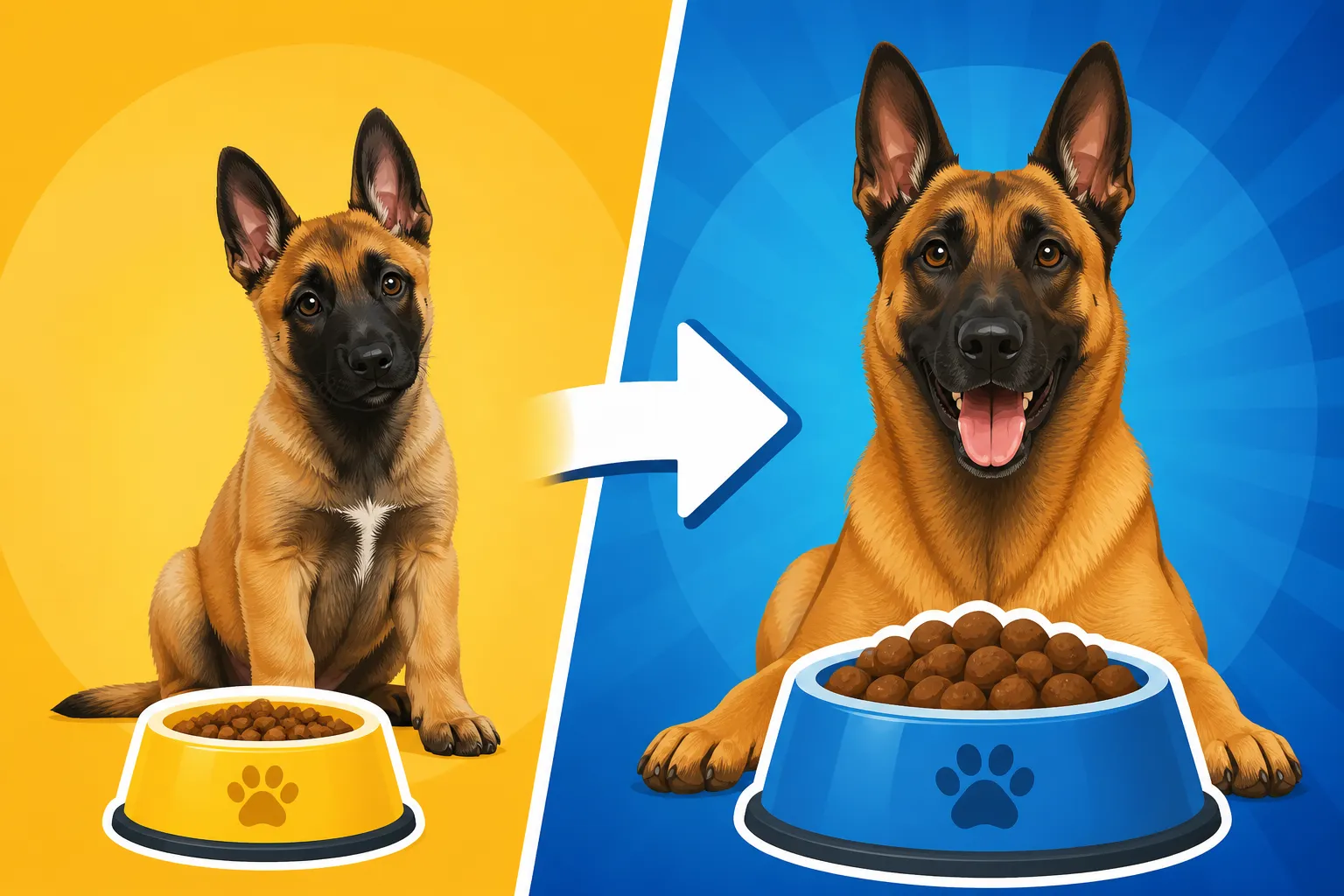
For most large and active breeds like the Belgian Malinois, the general recommendation for transitioning to adult food is typically between 12 to 18 months of age. Some larger-boned or slower-maturing individuals might benefit from staying on puppy food a little longer, up to 24 months, particularly if they are still appearing lanky and not yet filling out. Smaller Malinois, or those from lines that mature a bit faster, might be ready closer to the 12-month mark.
It's crucial not to just pick a calendar date and stick to it rigidly. Age is a guideline, not a strict deadline. Think of it as a window rather than a single point in time. During this window, you'll want to combine age with other physical and behavioral cues to make an informed decision tailored to your individual dog. If you're unsure, a quick chat with your veterinarian is always a good idea, as they can assess your specific Malinois's development.
Physical Indicators
Beyond age, your Malinois will give you plenty of physical clues that they're approaching adulthood. One of the most telling signs is the closing of their growth plates. While you can't see this directly without X-rays, you'll often notice that your Malinois has reached its adult height and is starting to "fill out." That gangly, all-legs look from adolescence begins to recede, and they start to develop a more muscular, mature physique. Their frame will seem less like a collection of sticks and more like a cohesive, powerful body. You might find them transitioning from growing taller to growing wider and gaining more muscle density.
Another key indicator is their body condition. A healthy Malinois should be lean, with ribs easily felt but not visibly protruding, a visible waist, and an abdominal tuck. If your Malinois puppy is on a good quality puppy food but is starting to look a little too lean, or if you're struggling to maintain their ideal weight on puppy food without significantly increasing caloric intake (which could lead to digestive upset), it might be a sign they need the denser nutrition of an adult formula. Conversely, if they're starting to get a bit chunky on puppy food despite appropriate portions and exercise, adult food, with its typically lower caloric density, might be beneficial. Learning to accurately assess your dog's build is vital, and Judging a Malinois's Condition by Hand can offer some great insights.
Behavioral Cues
While primarily a physical transition, some behavioral changes can also subtly hint that your Malinois is maturing and potentially ready for adult food. Often, as Malinois move past the peak of their puppy and adolescent energy, they might start to settle down just a tiny bit. This isn't to say they'll become couch potatoes – a Malinois is always going to be a high-energy dog – but you might observe a slight reduction in their frantic, boundless energy levels. They might still be intense, but perhaps with slightly longer periods of calm between bursts of activity, indicating their body is becoming more efficient with its energy.
Another behavioral cue might be related to their appetite and satiety. Some puppies, with their rapid growth, have seemingly insatiable appetites. As they mature and their growth slows, their caloric needs per pound of body weight decrease. You might notice them being less ravenous, or perhaps leaving a few kibbles in their bowl, which could be a sign that their metabolism is adjusting to a more adult pace. However, be cautious not to mistake pickiness for readiness, especially if they're still quite young; Malinois can be selective eaters if given the opportunity! If your Malinois puppy is still exhibiting extreme puppy behaviors and seems to be putting all of its energy into growing and exploring, it might be best to hold off just a little longer.
The Transition Process: A Step-by-Step Guide
Once you've decided your Malinois is ready for adult food, the transition itself needs to be handled carefully. Abrupt changes in diet can lead to digestive upset, which is uncomfortable for your dog and messy for you. A slow, gradual approach is always best.
Gradual Introduction
The key to a successful food transition is patience and a gradual introduction. You shouldn't just swap out their puppy food for adult food overnight. This can cause stomachaches, diarrhea, or vomiting, as your dog's digestive system needs time to adjust to the new ingredients, nutrient profiles, and even the different shapes and textures of the new kibble.
Here’s a typical 7-day transition schedule that works well for most dogs:
| Day | Percentage Old Food | Percentage New Food | Notes |
|---|---|---|---|
| Day 1 | 75% | 25% | Introduce a small amount of new food. |
| Day 2 | 75% | 25% | Continue with the small addition. |
| Day 3 | 50% | 50% | Equal parts of old and new food. |
| Day 4 | 50% | 50% | Maintain the equal balance. |
| Day 5 | 25% | 75% | Shift to mostly new food. |
| Day 6 | 25% | 75% | Continue with mostly new food. |
| Day 7 | 0% | 100% | Full transition to the new adult food. |
This schedule allows your Malinois's digestive enzymes and gut bacteria to slowly adapt to the new diet. If your Malinois has a particularly sensitive stomach, you might want to extend this process to 10 or even 14 days, making smaller increments over a longer period. Always be ready to slow down the transition if you notice any signs of digestive distress.
Monitoring for Digestive Upset
During the transition, your primary job is to closely monitor your Malinois for any signs of digestive upset. This includes changes in stool consistency, frequency, appetite, or general behavior. The most common sign is soft stool or diarrhea. If you notice this, it means you're going too fast. Simply revert to the previous day's ratio for another 2-3 days until their stool returns to normal, then try to proceed again at a slower pace. Don't be afraid to go back a step if needed; it's much better than pushing through and causing more severe gastrointestinal issues.
Other signs of upset can include gas, bloating, vomiting, or a decrease in appetite. If your Malinois completely refuses the new food, it might indicate that they don't like the taste or that the sudden change is bothering their stomach. In such cases, you might try a different adult food option, or consider adding a probiotic supplement temporarily to help support their gut health during the change. Brands like Chewy offer a wide variety of probiotic options, which can be helpful during transitions. For more on digestive issues, see Soft Stools in a Malinois Under Training Stress and Whether a Probiotic Settles a Malinois's Gut.
Adjusting Portion Sizes
Once the transition to adult food is complete, you'll need to re-evaluate and adjust your Malinois's daily portion size. Adult foods are often less calorie-dense than puppy foods, but this isn't always the case, especially with performance adult formulas. So, simply feeding the same volume of adult food as you did puppy food might not be correct. Always refer to the feeding guidelines on the new adult food packaging, but remember these are just starting points.
A Belgian Malinois is an incredibly active and high-metabolism breed. Their energy expenditure can vary wildly depending on their daily activities—whether they're in intense bite work training, long hikes, or just a day of mental enrichment around the house. You'll need to regularly assess their body condition by feeling their ribs, waist, and hip bones. If they're gaining too much weight, slightly reduce their portions. If they're looking too thin, increase them. It's a continuous process of observation and adjustment. Your goal is to keep them lean and muscular, with visible tuck-up and easily felt ribs. For an active Malinois, you might find yourself feeding a surprising amount, but it's about balance. The Daily Ration a Working Belgian Malinois Eats provides more context on this.
Choosing the Right Adult Food for Your Malinois
Selecting the right adult food for your Belgian Malinois is one of the most important decisions you'll make for their long-term health and performance. This isn't a breed that thrives on just any off-the-shelf kibble; their athletic build and high energy demand specific nutritional support.
Nutritional Needs of an Active Adult Malinois
An adult Belgian Malinois, especially one involved in sport, work, or even just high-intensity daily exercise, has specific nutritional requirements that differ from a sedentary dog or a growing puppy. Their diet needs to support lean muscle mass, provide sustained energy, and promote joint health. Look for foods with:
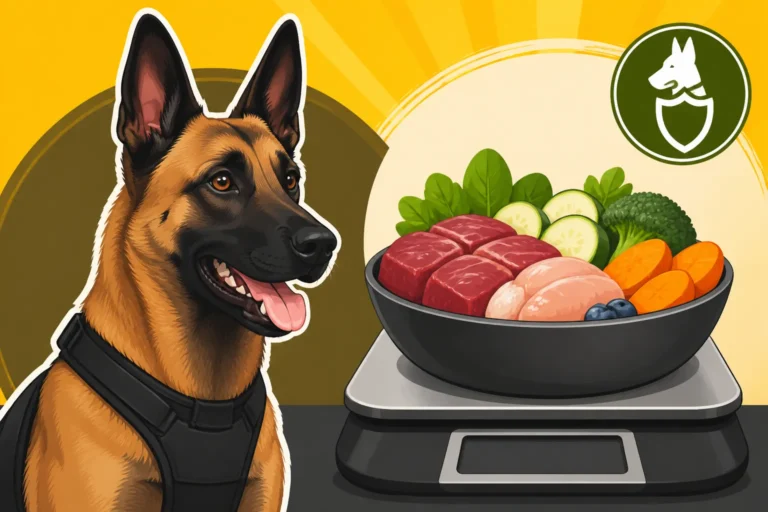
- High-Quality Protein: Protein is essential for muscle maintenance and repair. An active Malinois benefits from a diet with a significant percentage of animal-based protein. Chicken, beef, lamb, and fish are excellent sources. Aim for foods where meat is the first ingredient.
- Moderate to High Fat Content: Fat is a concentrated source of energy, crucial for endurance and a healthy coat. An active Malinois typically needs a higher fat content than many standard adult dog foods offer. Omega-3 and Omega-6 fatty acids are important for skin, coat, and anti-inflammatory support.
- Complex Carbohydrates: These provide sustained energy. Ingredients like sweet potatoes, peas, and brown rice can be good sources. Avoid excessive fillers like corn, wheat, or soy, which can be difficult for some dogs to digest and offer less nutritional value.
- Vitamins and Minerals: Ensure the food is nutritionally complete and balanced, with essential vitamins and minerals for overall health, immune function, and bone density.
Remember, a Malinois should always be on the lean side. The Lean Condition a Belgian Malinois Should Carry is often desired for their performance. Overweight Malinois are prone to joint issues and reduced stamina.
Comparing Kibble, Raw, and Fresh Options
When it comes to the type of food, you have a few options, each with its own pros and cons for a Malinois:
- Kibble: This is the most common and often most convenient option. High-quality performance kibbles are formulated to meet the demanding needs of active breeds. Brands like Eukanuba, Purina Pro Plan Sport, and Royal Canin generally have good reputations for their sport dog lines. When choosing kibble, scrutinize the ingredient list, focusing on named meat sources, and a balanced fat-to-protein ratio. Kibble is generally cost-effective and easy to store, and platforms like Chewy make it easy to order in bulk.
- Raw (BARF or PMR): A raw diet (Biologically Appropriate Raw Food or Prey Model Raw) aims to mimic what a dog would eat in the wild, consisting of raw meat, bones, and organs. Many Malinois owners report excellent muscle tone, coat health, and energy levels on raw diets. However, raw feeding requires careful planning to ensure nutritional completeness and safety (handling raw meat correctly is critical to prevent bacterial contamination). It can also be more expensive and time-consuming to prepare. If considering raw, consult with a veterinary nutritionist experienced in raw feeding to ensure your Malinois gets all necessary nutrients. For insights into raw feeding suitability, refer to Whether Raw Feeding Suits a Malinois in Training.
- Fresh/Cooked: This option falls between kibble and raw. Companies like Ollie deliver pre-portioned, human-grade fresh meals, or you can cook for your dog at home. These diets are often highly palatable and digestible. Like raw, home-cooked diets require careful balancing to be complete and should be formulated with the guidance of a veterinary nutritionist to avoid deficiencies. While fresh food services offer convenience, they can be a more significant investment financially.
The "best" option ultimately depends on your lifestyle, budget, and your dog's individual response. Many owners use a combination, such as feeding high-quality kibble with fresh or raw toppers.
Decoding Dog Food Labels
Understanding dog food labels is crucial for making an informed choice. It's not just about the marketing on the front of the bag; the guaranteed analysis and ingredient list tell the real story.
- Guaranteed Analysis: This section shows the minimum percentages of crude protein and crude fat, and maximum percentages of crude fiber and moisture. For an active Malinois, you're generally looking for higher protein (e.g., 25-30%+) and fat (e.g., 15-20%+) than what you might find in a maintenance adult formula.
- Ingredient List: Ingredients are listed by weight before cooking. This means the first few ingredients are the most abundant. Look for multiple named meat sources (e.g., "chicken meal," "deboned chicken," "lamb") at the top. Be wary of generic terms like "meat meal" or excessive plant-based proteins high up the list. Avoid artificial colors, flavors, and preservatives.
- AAFCO Statement: The Association of American Feed Control Officials (AAFCO) statement is a critical piece of information. It will indicate if the food is "formulated to meet the nutritional levels established by the AAFCO Dog Food Nutrient Profiles" for a specific life stage, such as "growth and reproduction," "adult maintenance," or "all life stages." For an adult Malinois, an "adult maintenance" or "all life stages" formula (if appropriately formulated for growth and adult needs) is generally acceptable, provided the nutrient profile aligns with their activity level.
Don't be afraid to research brands, read reviews, and even call the company with questions about their ingredient sourcing and nutritional philosophy. Websites like Amazon provide an easy way to compare many brands side-by-side and read user feedback, but remember to cross-reference with independent nutritional analysis if possible.
Common Challenges and Troubleshooting
Transitioning your Malinois to adult food isn't always a perfectly smooth sail. You might encounter a few bumps along the way, but most challenges can be managed with patience and a little problem-solving.
Pickiness or Refusal to Eat
It might seem counterintuitive for a high-drive Malinois, but some can be picky eaters, especially when faced with a new food. If your Malinois outright refuses the new adult food, consider a few factors. First, rule out any illness. If they're suddenly lethargic or showing other symptoms, a vet visit is in order. Assuming they're healthy, the issue is likely palatability. They might not like the taste, texture, or even the smell of the new food compared to their old puppy kibble.
Try warming the food slightly with a splash of warm water or low-sodium broth to enhance the aroma. A tiny dollop of plain yogurt or a sprinkle of a favorite treat (like freeze-dried liver) mixed in can also make it more appealing. Ensure you're not offering too many treats or table scraps throughout the day, which can spoil their appetite for their main meals. If pickiness persists, you might need to try a different adult food formulation or protein source. Sometimes, simply rotating between two or three different high-quality adult foods can keep things interesting and prevent boredom while still ensuring balanced nutrition.
Digestive Issues During Transition
As mentioned earlier, digestive upset is the most common challenge during food transitions. Diarrhea, soft stools, vomiting, or excessive gas are clear signals that the digestive system is struggling to adapt. The first and most crucial step is to slow down the transition process. Extend the gradual introduction period, perhaps taking 10-14 days instead of 7, or even longer if necessary. If issues persist even at very slow transition rates, consider these steps:
- Probiotics: Adding a canine-specific probiotic supplement can help rebalance gut flora and improve digestion. Many vets recommend them, and you can find them readily available.
- Pumpkin: A tablespoon or two of plain canned pumpkin (not pumpkin pie filling!) can help firm up stools due to its fiber content.
- Bland Diet: If diarrhea is severe, you might need to temporarily switch to a bland diet (boiled chicken and white rice) for 24-48 hours until the digestive system calms down, then reintroduce the new adult food very slowly.
- Vet Consultation: If digestive issues are severe, prolonged, or accompanied by other symptoms like lethargy, fever, or pain, consult your veterinarian immediately. They can rule out underlying medical conditions and recommend specific treatments or dietary interventions.
Remember that a Malinois under stress, such as during intense training or trials, can sometimes experience Soft Stools in a Malinois Under Training Stress, so be mindful of external factors too.
Maintaining Ideal Body Condition
After the transition, the ongoing challenge is maintaining your Malinois's ideal body condition. These dogs are lean, muscular athletes, and keeping them at their optimal weight is vital for joint health and performance. It's easy for them to get too thin if they're working hard, or too heavy if their exercise dips and their food isn't adjusted.
- Regular Body Condition Scoring: Don't just rely on the scale. Learn to assess your dog's body condition by sight and touch. You should be able to easily feel their ribs, but not see them prominently. They should have a distinct waist when viewed from above and an abdominal tuck from the side. Whether a Belgian Malinois Can Be Too Lean is a real concern, but so is being overweight.
- Adjust Based on Activity: A Malinois in full-time sport or working capacity will need significantly more calories than one getting moderate exercise. Increase or decrease food portions based on their activity level, the weather (they burn more calories in cold weather to stay warm), and their individual metabolism. It's not uncommon for a working Malinois to have their food adjusted almost daily.
- Consistency in Feeding: Stick to a consistent feeding schedule. Two meals a day is ideal for most adult Malinois, helping to manage energy levels and aid digestion. Avoid leaving food out all day, as this can make it harder to monitor intake and body condition.
- High-Quality Treats: If you use treats frequently for training (and with a Malinois, you likely do!), factor them into their daily caloric intake. Opt for high-value, small, and healthy training treats.
Long-Term Nutritional Considerations
Moving your Malinois to adult food isn't the finish line; it's just the next stage in their ongoing nutritional journey. As they mature and their lives unfold, their dietary needs will continue to evolve. Being proactive with their nutrition can significantly impact their longevity and quality of life.
Supplements for Joint Health
Given the Belgian Malinois's high activity levels, powerful jumps, and inherent predisposition to certain orthopedic conditions like hip and elbow dysplasia, long-term joint health is a paramount concern. While a high-quality adult food will provide foundational nutrition, many owners choose to add joint supplements as a preventative measure or to support aging joints.
Common joint supplements often contain ingredients like:
- Glucosamine and Chondroitin: These are natural compounds found in healthy cartilage and are thought to help support cartilage repair and maintenance.
- MSM (Methylsulfonylmethane): An organic sulfur compound that may help reduce inflammation and pain.
- Omega-3 Fatty Acids (EPA & DHA): Derived from fish oil, these have strong anti-inflammatory properties that can benefit joints, skin, and overall health.
- Green-lipped Mussel: A source of various beneficial nutrients, including chondroitin, glucosamine, and omega-3s.
It's generally a good idea to discuss joint supplements with your veterinarian. They can help you choose the most appropriate product and dosage based on your Malinois's age, activity level, and any pre-existing conditions. Many start using these supplements proactively around two to three years of age, or even earlier if their dog is in intense training. You can find many reputable brands on platforms like Amazon or through your vet's office. For further reading, check out Joint Supplements for a Working Belgian Malinois.
Hydration and Performance
Hydration is often an overlooked aspect of nutrition, but for an active Malinois, it's absolutely critical for optimal performance and overall health. These dogs can easily become dehydrated during strenuous exercise, especially in warmer weather. Dehydration can lead to decreased stamina, muscle cramps, heat exhaustion, and even life-threatening conditions.
Ensure your Malinois always has access to fresh, clean water. During and after training sessions, actively encourage them to drink. Portable water bowls are a must for any outing. If your Malinois is so driven that they refuse to drink during breaks, consider adding a little low-sodium chicken broth or an electrolyte solution (specifically formulated for dogs, not human sports drinks) to their water to make it more appealing. Keeping water available at all times, even in the kennel, is crucial. For Malinois that train in hot environments, staying hydrated is a constant battle.
Adjusting Food for Different Activity Levels
A Belgian Malinois's activity level isn't static; it fluctuates throughout their life and even day-to-day. A dog engaged in a full day of IGP training will burn significantly more calories than one enjoying a lighter day of neighborhood walks and mental games. Learning to adjust their food intake accordingly is an art that comes with experience.
- High-Activity Days: On days of intense training, competition, or long hikes, your Malinois will need more calories. This might mean slightly increasing their regular meal portion, or adding a calorie-dense topper like plain cooked meat, an egg, or a healthy fat source. Feeding a Belgian Malinois Around Training Sessions offers more guidance.
- Lower-Activity Days: If your Malinois has a rest day or is recovering from an injury, their caloric needs will decrease. Overfeeding on these days can quickly lead to unwanted weight gain. You'll need to slightly reduce their portion size to match their lower energy expenditure.
- Seasonal Changes: Malinois can burn more calories in cold weather to maintain body temperature. In contrast, they might eat slightly less in very hot weather. Be mindful of these seasonal shifts.
- Aging: As your Malinois ages and potentially slows down (though many Malinois remain active well into their senior years), their metabolism may decrease, and their caloric needs will likely reduce. You'll need to adjust their food to prevent weight gain and maintain a healthy lean body condition, while still ensuring they receive adequate protein for muscle mass.
Being flexible and responsive to your Malinois's changing needs is the cornerstone of providing excellent long-term care and nutrition. It's a journey of continuous learning and observation, but one that ultimately leads to a healthier, happier working dog.
Disclaimer
This article is for general informational purposes only and does not constitute professional advice. Laws, prices and regulations vary by location and change over time. Consult a qualified professional for guidance on your specific situation.