The Two Week Stretch When a Malinois Drops Coat
If you're a Belgian Malinois owner, you've likely experienced that moment of sheer disbelief when your seemingly short-coated, sleek dog suddenly starts shedding enough hair to knit another dog. It's a common frustration, feeling like you're constantly battling a tide of fur that appears out of nowhere. This guide is here to prepare you for, and help you navigate, that intense, often overwhelming, two-week stretch when your Malinois truly drops their coat.
Understanding the Malinois Coat Cycle: It's More Than You Think
Many people look at a Belgian Malinois and think, "Oh, a short-haired dog, that won't shed much." Oh, how wrong they often are! The reality of living with a Malinois is a far cry from that initial assumption, especially when the seasonal coat blow hits. It's a fundamental misunderstanding that can catch even experienced dog owners off guard.
The Double Coat Deception: What Lies Beneath
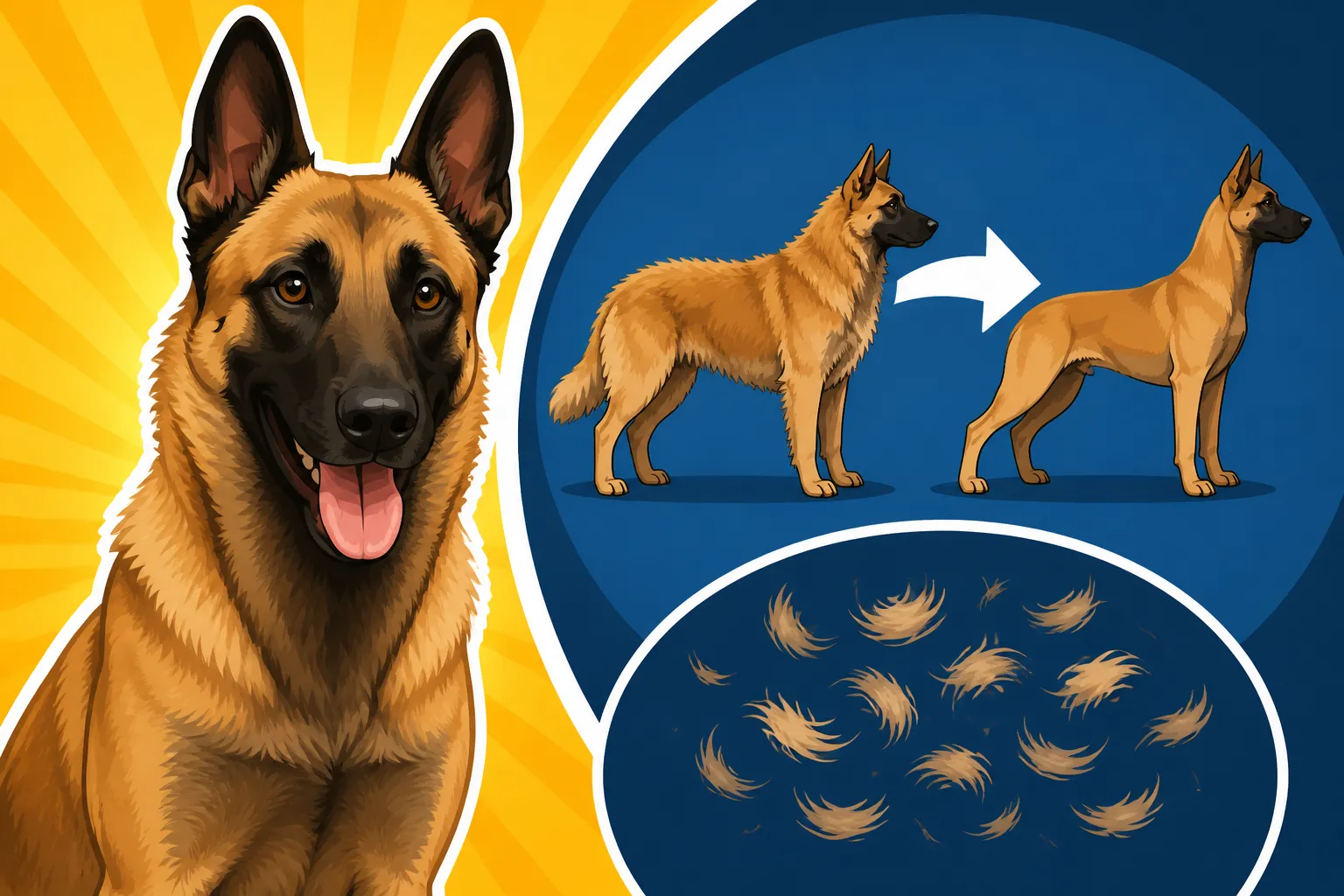
The deceptive thing about a Malinois is their sleek, almost utilitarian appearance. They have what's known as a double coat, and while the outer layer is indeed short, harsh, and weather-resistant, it's the hidden undercoat that truly holds the secret to their shedding prowess. This undercoat is dense, soft, and designed for insulation, keeping them warm in cold temperatures and actually helping to regulate their body heat in warmer weather by trapping a layer of air. Think of it like a down jacket your dog wears all the time.
When your Malinois decides it's time to "drop coat," it's primarily this fluffy, insulating undercoat that's being shed in vast quantities. It's not just a few stray hairs; it's a profound expulsion of dead hair to make way for new growth better suited to the upcoming season. Understanding How Much a Malinois's Short Coat Actually Sheds helps set realistic expectations for the sheer volume you'll encounter. Without this crucial undercoat, they wouldn't have been nearly as effective as the resilient herding dogs they were originally bred to be in the varied Belgian climate.
Seasonal Shedding vs. Constant Hair Loss
It's important to differentiate between the day-to-day hair loss that almost all dogs experience and the intense seasonal "coat blow" that Malinois are famous for. Your Malinois will shed year-round, a constant, low-level release of dead hairs that keeps their coat healthy. This is the hair you find on your clothes, scattered on the floor, or clinging to the corners of your couch. It’s manageable with regular brushing and vacuuming.
The seasonal coat blow, however, is an entirely different beast. This is when their body, triggered by changes in daylight hours and temperature, decides it's time to entirely replace their undercoat. Most Malinois will experience two major coat blows a year – typically in spring to lighten their coat for summer, and in fall to prepare for a denser winter coat. These events are far more dramatic, producing massive amounts of loose hair over a concentrated period. While traditionally tied to outdoor environments, many indoor Malinois still experience significant seasonal shedding, even if the indoor climate control might slightly blur the exact timing or intensity compared to a dog living primarily outdoors. The Season a Malinois Sheds Worst is usually spring, when the heavy winter coat is exchanged for a lighter one.
The Infamous Two-Week Coat Blow: Brace Yourself
So, you're ready for the "coat blow," but are you truly prepared for what "two weeks" of this intense shedding really means? It's often understated, even by those who understand the breed. This isn't just heavy shedding; it's an event that requires a strategy, patience, and a good vacuum cleaner.
What "Dropping Coat" Actually Looks Like
When a Malinois is truly dropping coat, it's not subtle. You'll start to see tufts of hair appearing on their back and flanks, almost as if they're unraveling. Brushing will yield impressive, seemingly endless amounts of soft undercoat. Within your home, you'll witness what can only be described as hair tumbleweeds rolling across the floor, seemingly multiplying by the minute. Everything you own – your clothes, your furniture, your car seats – will develop a fine layer of Malinois glitter.
It's genuinely overwhelming for many owners. You might find yourself vacuuming multiple times a day, only for new drifts of hair to appear shortly after. This isn't a sign of an unhealthy coat; it's simply the natural process of a double-coated breed. Living With Belgian Malinois Hair Everywhere becomes a daily reality, not just a passing phase. Validation for your frustration is key here: it is a lot of hair, and it does feel like an uphill battle. Just when you think you've gotten it all, a quick shake or a roll will release another cloud.
Why Two Weeks? The Biology Behind the Blitz
The "two-week stretch" isn't a hard and fast rule, but it's a common timeframe because of the biological efficiency of the shedding process. Your Malinois's hair follicles are programmed to go through cycles of growth, rest, and shedding. During a major coat blow, a significant portion of the undercoat follicles simultaneously enter the shedding phase. New hairs are actively growing in, pushing out the old, dead hairs. This coordinated effort results in a concentrated period of intense shedding.
While two weeks is often cited, the actual duration can vary slightly depending on the individual dog's genetics, diet, stress levels, and living environment. Some Malinois might shed heavily for closer to ten days, while others might stretch it out to three weeks. The intensity typically peaks within that central two-week window. During this time, the goal isn't to stop the shedding – you can't – but to manage it by actively removing the loose hair before it disseminates throughout your home. Think of it as a natural hair "purge" that, while messy, is essential for maintaining a healthy and functional coat.
Essential Tools and Techniques for Surviving the Shed
Okay, so the hair is coming, and it's coming fast. What's an owner to do? You can't stop it, but you can certainly get proactive about managing it. Having the right arsenal of tools and understanding the best techniques will make a world of difference in keeping your sanity and your home somewhat hair-free.
Brushing Strategies: Making a Dent in the Deluge
Brushing is your first line of defense, and during a coat blow, it needs to be elevated to an art form. Forget your standard slicker brush; you'll need specialized tools for this job. An undercoat rake is invaluable, designed with long, sturdy teeth that reach through the harsh outer coat to grab the loose, fluffy undercoat without damaging the top layer. Use short, gentle strokes, working in sections, always with the grain of the hair.
Another popular tool is a deshedding blade, often seen in brands like Furminator. These can be highly effective at removing vast amounts of undercoat, but they must be used carefully. Overuse or incorrect technique can cut the topcoat or irritate the skin, so a light hand and less frequent use (perhaps once or twice a week during the blow) are advised. For the two-week stretch, you should be brushing your Malinois daily, sometimes even twice daily, focusing on getting as much of that dead undercoat out as possible. You'll be amazed, and perhaps horrified, by the sheer volume of hair these tools can remove. For advice on specific types, consider Which Rake Pulls a Malinois's Coat Out Fastest or Whether a Deshedding Blade Suits a Belgian Malinois. Consistent, thorough brushing outside, if possible, will help contain the mess significantly.
Bathing and Blowing Out: Accelerating the Process
While daily brushing is crucial, sometimes you need to bring in the big guns. A bath, specifically a deshedding bath, can work wonders to loosen and remove copious amounts of dead hair. Look for shampoos and conditioners formulated to help release undercoat. The warm water helps open up the hair follicles, making it easier for the loose hair to detach.
The real game-changer after a deshedding bath is a high-velocity dryer. This isn't your average human hairdryer; these powerful machines produce a strong, concentrated stream of air that literally blasts the loose hair right off your dog. It's best done outdoors or in a garage, as the cloud of hair will be substantial. Professional groomers often offer deshedding services that include specialized bathing and high-velocity drying, and this can be a worthwhile investment during the peak shedding periods, effectively compressing days of shedding into an hour or two. This proactive step dramatically reduces the amount of hair that will later end up on your furniture and floors. For a general understanding of coat care, you might also be interested in How Rarely a Malinois Coat Needs Washing.
Managing the Mess Indoors and Out
Despite your best efforts with brushing and bathing, some hair is inevitably going to make its way into your living space. This is where strategic household management comes into play, combined with supporting your dog's coat health from the inside out.
Household Hair Management: Keeping Your Sanity
Living with a Malinois during a coat blow requires a shift in your cleaning habits. First and foremost, a good vacuum cleaner is not a luxury; it's a necessity. Look for models designed for pet hair, often with stronger suction and specialized attachments. You'll be using it frequently. Lint rollers become your best friend, residing in every room, by the front door, and in your car. Many owners find multipacks on platforms like Amazon to be an indispensable purchase during this time.
Consider placing washable throws or dedicated dog blankets over your most-used furniture. These can be easily removed, shaken out, and laundered, saving your upholstery from becoming a permanent Malinois hair tapestry. If you have a space like a utility room, garage, or even a covered patio, designate it as a "shedding zone" where you do your daily brushing. This helps contain the bulk of the loose hair to one area, preventing it from spreading throughout the house. Understand that Why Malinois Hair Weaves Into Upholstery is due to its fine texture and electrostatic charge, so regular vacuuming is non-negotiable.
Nutritional Support for a Healthy Coat (and Less Shedding Long-Term)
While diet won't magically stop your Malinois from shedding, it plays a vital role in the overall health and quality of their coat. A healthy coat tends to shed more efficiently and may experience less breakage, leading to a potentially less dramatic coat blow over time. Look for high-quality dog foods with excellent sources of protein and essential fatty acids.
Omega-3 and Omega-6 fatty acids, often found in fish oils or flaxseed, are particularly beneficial for skin and coat health. Many owners add a fish oil supplement to their Malinois's diet or opt for fresh, human-grade food services like Ollie that focus on balanced, nutrient-dense ingredients. These nutrients help maintain skin integrity and hair follicle health, which can contribute to a stronger, shinier coat and potentially a more efficient shedding process. While it won't eliminate the two-week stretch, supporting their coat from the inside out means the hair they do shed is healthy, and the new coat growing in is robust. For more on this, check out Whether Omega Oils Calm a Malinois's Skin.
Common Concerns and Troubleshooting
Even with the best tools and intentions, questions and worries can arise during this intense shedding period. It's crucial to know what's normal and when it might be time to seek professional advice.
Distinguishing Normal Shedding from Problematic Hair Loss
The sheer volume of hair during a Malinois coat blow can be alarming, making it hard to tell if what you're seeing is normal or if there's an underlying issue. Normal shedding, even heavy seasonal shedding, generally results in an even distribution of hair loss across the body. The skin underneath should appear healthy, without redness, irritation, or bald patches.
However, if you notice localized bald spots, excessive scratching, flaky or oily skin, a dull or brittle coat texture, or any skin lesions, these are signs that the hair loss might be more than just a normal coat blow. These symptoms could point to allergies, parasites (like fleas or mites), fungal infections, bacterial skin infections, or even hormonal imbalances. If you have any concerns, a vet visit is always recommended to rule out medical issues. Sometimes Running a Food Trial on an Itchy Malinois can help identify dietary sensitivities contributing to poor coat health or excessive shedding beyond the normal seasonal events.
Shedding in Puppies and Older Malinois
The shedding experience can also differ slightly depending on your Malinois's age. Malinois puppies, for example, go through a "puppy coat" phase. This soft, downy fur will eventually be replaced by their adult double coat. This transition, which usually occurs between 6 to 12 months, can involve a significant amount of shedding as the puppy coat "blows out" to make way for the coarser, more protective adult hair. It’s part of their natural development, as detailed in The First Year of a Belgian Malinois's Growth.
Older Malinois might also experience changes in their coat, though usually less dramatic than the puppy coat transition or the peak adult seasonal blow. As dogs age, their skin elasticity can decrease, and hair follicles might become less active. This could result in a somewhat thinner coat, or, conversely, shedding cycles that become less distinct and more drawn out. Older dogs might also be more prone to skin issues or slower hair regrowth. Regular grooming and a supportive diet remain important for coat health throughout their lives, including for Grooming a Malinois That Has Stopped Working.
Here's a quick comparison of popular shedding tools:
| Tool Type | Best Use Case | Pros | Cons |
|---|---|---|---|
| Undercoat Rake | Reaching deep into the undercoat to pull out loose fur | Excellent for thick undercoats; doesn't cut the topcoat | Can be time-consuming; requires consistent effort |
| Deshedding Blade | Quickly removing large volumes of loose undercoat | Highly efficient; dramatically reduces shedding in a short time | Can cut topcoat or irritate skin if used incorrectly or too often |
| Slicker Brush | Removing surface tangles and loose topcoat hair | Good for general grooming; adds shine | Less effective on dense undercoats during heavy shedding |
| Rubber Curry Brush | Loosening dirt and dead hair during baths or massage | Gentle; good for stimulating skin and distributing natural oils | Not ideal for major undercoat removal during a coat blow |
| High-Velocity Dryer | Blasting loose hair off after a bath | Extremely effective; accelerates the shedding process dramatically | Loud; requires dog to tolerate air flow; creates a huge hair cloud |
Disclaimer
This article is for general informational purposes only and does not constitute professional advice. Laws, prices and regulations vary by location and change over time. Consult a qualified professional for guidance on your specific situation.