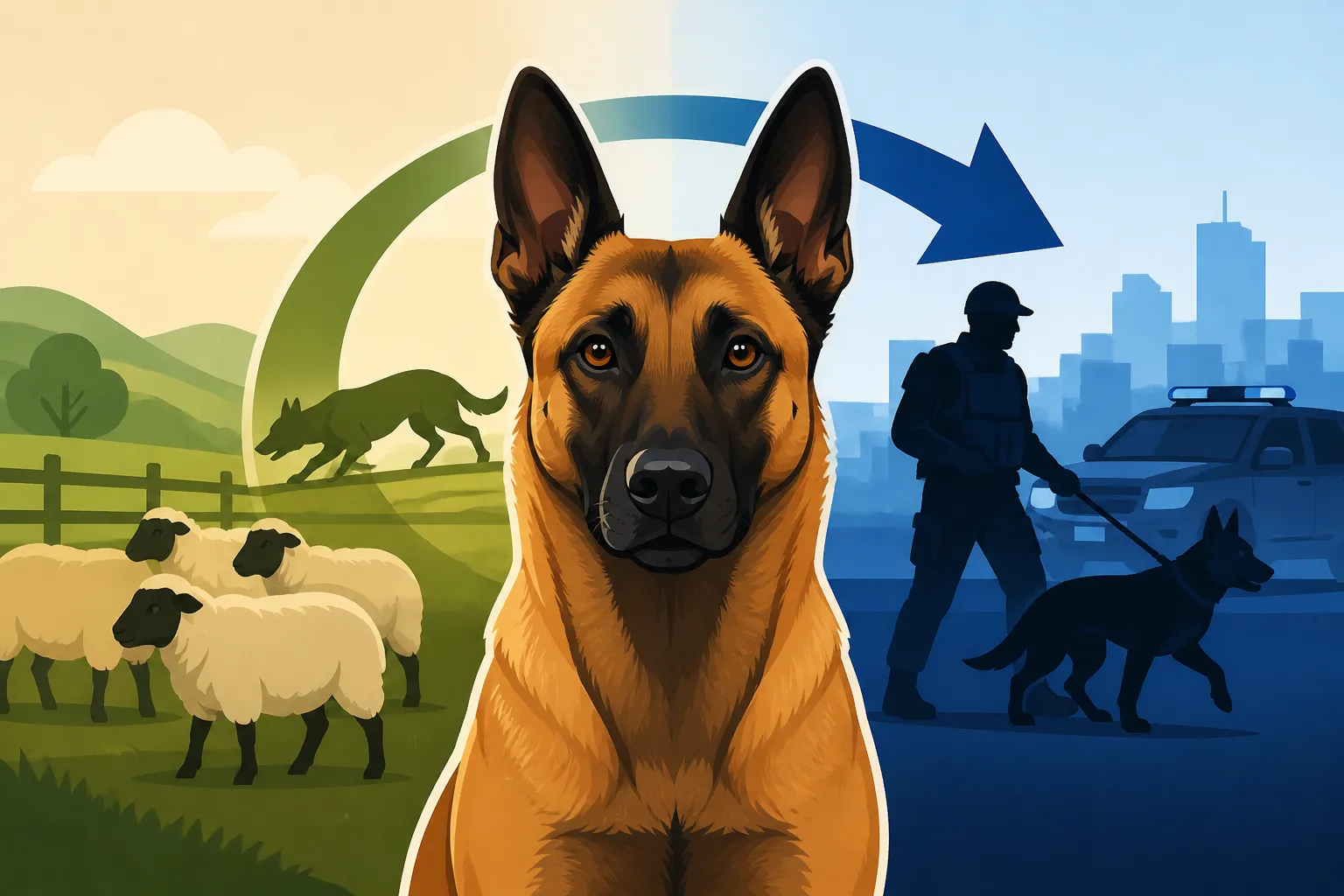
How the Malinois Went From Herding to Police Work
When you picture a Belgian Malinois today, chances are an image of a focused, powerful police or military working dog springs to mind, perhaps performing an impressive bite on a padded sleeve or meticulously sniffing out contraband. It's almost hard to reconcile this modern image with the breed's humble beginnings, but these remarkable dogs were actually developed as diligent herders. This guide will explore the compelling transformation of the Belgian Malinois, tracing its journey from a hardworking farm dog managing livestock to becoming one of the most elite and sought-after K9s in law enforcement and military units worldwide.
From Humble Herding Origins: The Malinois as a Farm Dog
Long before they were patrolling borders or sniffing out explosives, the Belgian Malinois, like its close cousins the Groenendael, Tervuren, and Laekenois, was an essential part of Belgian farm life. These dogs were primarily bred to herd sheep and cattle, guiding flocks with intelligence, agility, and an unwavering work ethic. They were not merely pets; they were integral members of the farm team, expected to work long hours in varying weather conditions, displaying both keen intelligence and robust physical endurance.
The selection process for these early Malinois centered on their working ability. Farmers needed dogs that were quick to learn, responsive to commands, and had a natural instinct to control livestock without being overly aggressive. Temperament was crucial; a good herding dog had to be calm enough to manage delicate animals but bold enough to handle a stubborn ram or steer. This focus on practical working traits laid the foundational characteristics that would later make them so valuable in other demanding fields. Breeders concentrated on developing a dog that was biddable, energetic, and possessed a strong desire to please its handler, all traits that are still hallmarks of the breed today. You can learn more about their original purpose in The Herding Job the Belgian Malinois Was Built For.
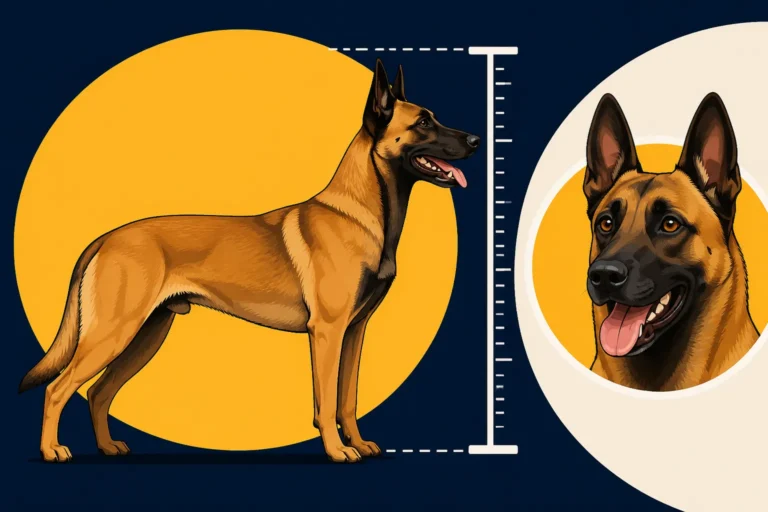
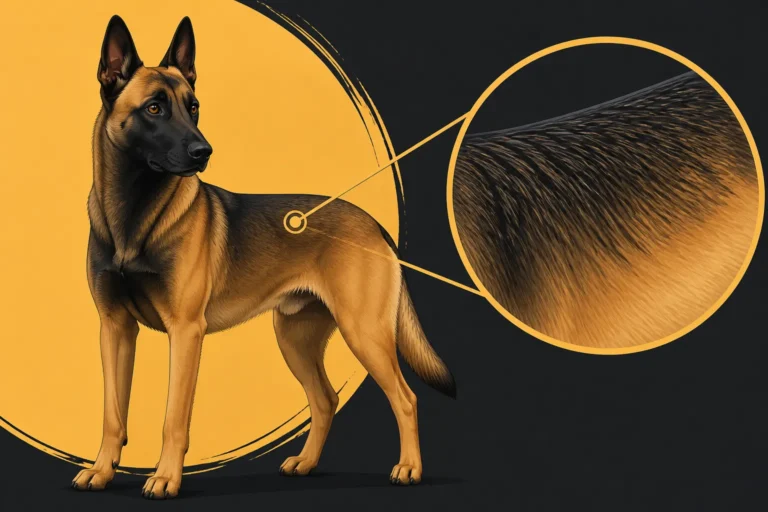
Their physical build also reflected their herding roots. The Malinois needed to be athletic, medium-sized, and capable of bursts of speed as well as sustained trotting. A sturdy, protective coat, typically fawn to mahogany with a distinct black mask, allowed them to withstand the elements of the Belgian countryside. They were not cumbersome or overly large, enabling them to navigate rough terrain and move quickly around livestock. Every aspect of their early breeding was geared towards efficiency and effectiveness in a pastoral setting, creating a resilient and highly adaptable canine.
The Dawn of a New Era: Why Militaries and Police Took Notice
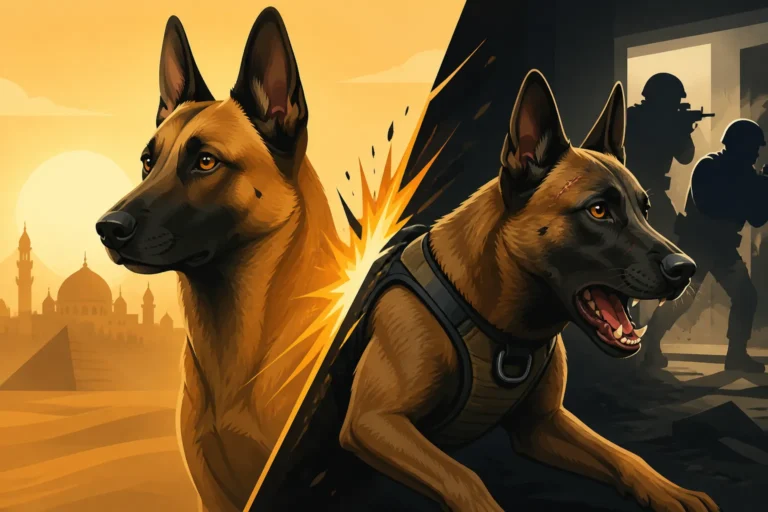
As the industrial revolution progressed in Europe, the traditional role of herding dogs began to decline. However, the very traits that made the Malinois excellent herders—their intense drive, intelligence, trainability, and powerful physical capabilities—caught the attention of new sectors: the burgeoning police and military forces. These organizations needed dogs that could perform complex tasks, withstand high-pressure environments, and protect their handlers. The Malinois was a natural fit.
The shift wasn't immediate, but by the early 20th century, the Malinois was being experimented with in police training programs, particularly in Belgium and the Netherlands. Their unparalleled combination of speed, agility, and formidable bite work potential made them stand out. Unlike some larger, heavier breeds often used in protection work, the Malinois offered a lean, athletic build that translated into incredible maneuverability and stamina, crucial for pursuits and sustained operations. Their intense prey drive, once channeled towards gathering sheep, was now redirected towards engaging and apprehending suspects or locating hidden objects.
The famous KNPV (Koninklijke Nederlandse Politiehond Vereniging) program in the Netherlands, a highly rigorous police dog training regimen, heavily favored the Malinois. The demands of KNPV training, which include advanced obedience, protection work, and scent detection, perfectly showcased the breed's innate talents. Dogs that excelled in these programs demonstrated exceptional nerve, courage, and an unbreakable bond with their handlers. This focus on real-world application, rather than just aesthetics, solidified the Malinois's reputation as a premier working dog, and soon, other nations began to take notice. How the Belgian Malinois Took Over Police Work details this historical transition.
| Trait Category | Herding Dog Application | Police/Military Dog Application |
|---|---|---|
| Drive & Energy | Sustained focus for moving and managing livestock | Relentless pursuit, high intensity work, long patrols |
| Intelligence | Quick problem-solving for flock control, complex commands | Learning intricate tasks, discerning threats, adapting to new scenarios |
| Biddability | Eagerness to please and follow handler's directions | High trainability for complex commands and precise execution |
| Physicality | Agility for quick changes in direction, stamina for long days | Speed, agility, powerful bite, endurance for demanding physical tasks |
| Nerve/Confidence | Holding firm with stubborn animals, independent decision-making | Handling high-stress situations, gunfire, chaotic environments |
| Prey Drive | Controlling movement of sheep and cattle | Engaging targets, focused detection work, retrieving objects |
The Modern Malinois: A Legacy Forged in Service
Today, the Belgian Malinois is globally recognized as a top-tier working dog, often chosen over other breeds for its specific suite of attributes. Their exceptional athleticism allows them to excel in dynamic roles, from jumping over obstacles to scaling walls, a stark contrast to their early days herding in open fields. Military Special Operations Forces, police departments in major cities like Los Angeles and New York, and countless federal agencies rely on them for everything from suspect apprehension to detecting explosives and narcotics. You might even hear about them being used for airport security, as touched on in The Belgian Malinois in Airport Detection Work.
This intense demand for working Malinois means that responsible breeders focus heavily on health, temperament, and proven working lines. When purchasing supplies for these highly active dogs, whether it's specialized performance food or durable training equipment, owners often turn to reputable suppliers. Even retailers like Chewy cater to the needs of these high-drive breeds, offering everything from reinforced toys designed to withstand powerful jaws to dietary supplements that support joint health. Their mental prowess also makes them excellent candidates for detection work, a demanding job that requires immense focus and problem-solving abilities without the need for physical apprehension. Detection Work Instead of Bite Work for a Malinois is a great read on this.
However, owning a Malinois comes with significant responsibility. Their deep-seated drive and need for a "job" mean they are not suited for every home. Without adequate mental and physical stimulation, they can become destructive, anxious, and problematic. They demand consistent training, clear boundaries, and an owner who understands their innate intensity. Many owners find themselves investing in specialized equipment and regular training sessions to meet their Malinois's needs, often looking for durable items on platforms like Chewy to stand up to the rigorous daily demands. It's a testament to their enduring working spirit that even in a pet home, a Malinois often benefits from having a structured role, whether that's advanced obedience, agility, or scent work, to keep their sharp minds and bodies engaged.
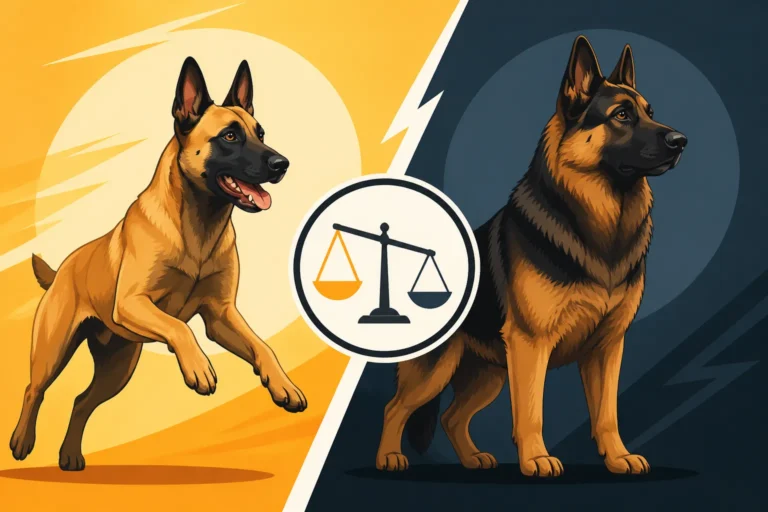
This legacy of service has also cemented their place in popular culture, although sometimes in a way that oversimplifies their complex nature. While their heroic acts are undeniable, it's crucial for prospective owners to understand that the Malinois is not just a "mini German Shepherd" or a highly energetic pet. They are a breed genetically wired for intense work, a trait directly inherited from their herding ancestors, meticulously honed over generations into the formidable partners we see today in demanding police and military roles. Understanding Two Hours and a Job a Belgian Malinois Demands Daily is crucial for any potential owner.
Disclaimer
This article is for general informational purposes only and does not constitute professional advice. Laws, prices and regulations vary by location and change over time. Consult a qualified professional for guidance on your specific situation.