Whether the Belgian Malinois Replaced the German Shepherd
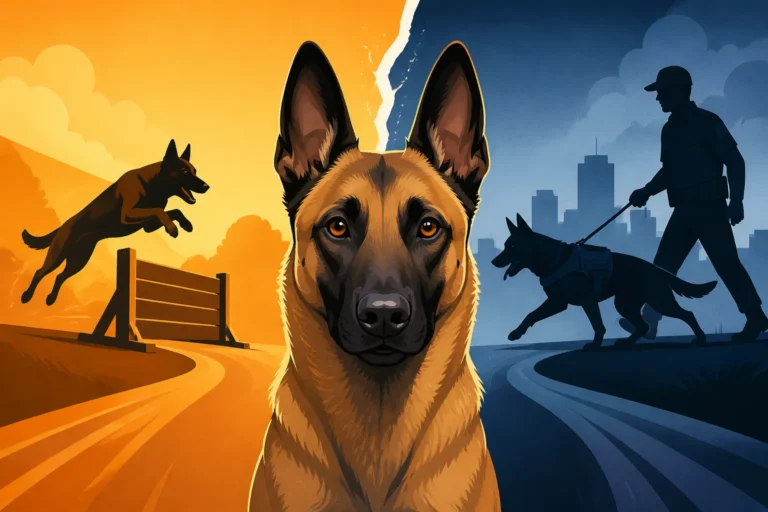
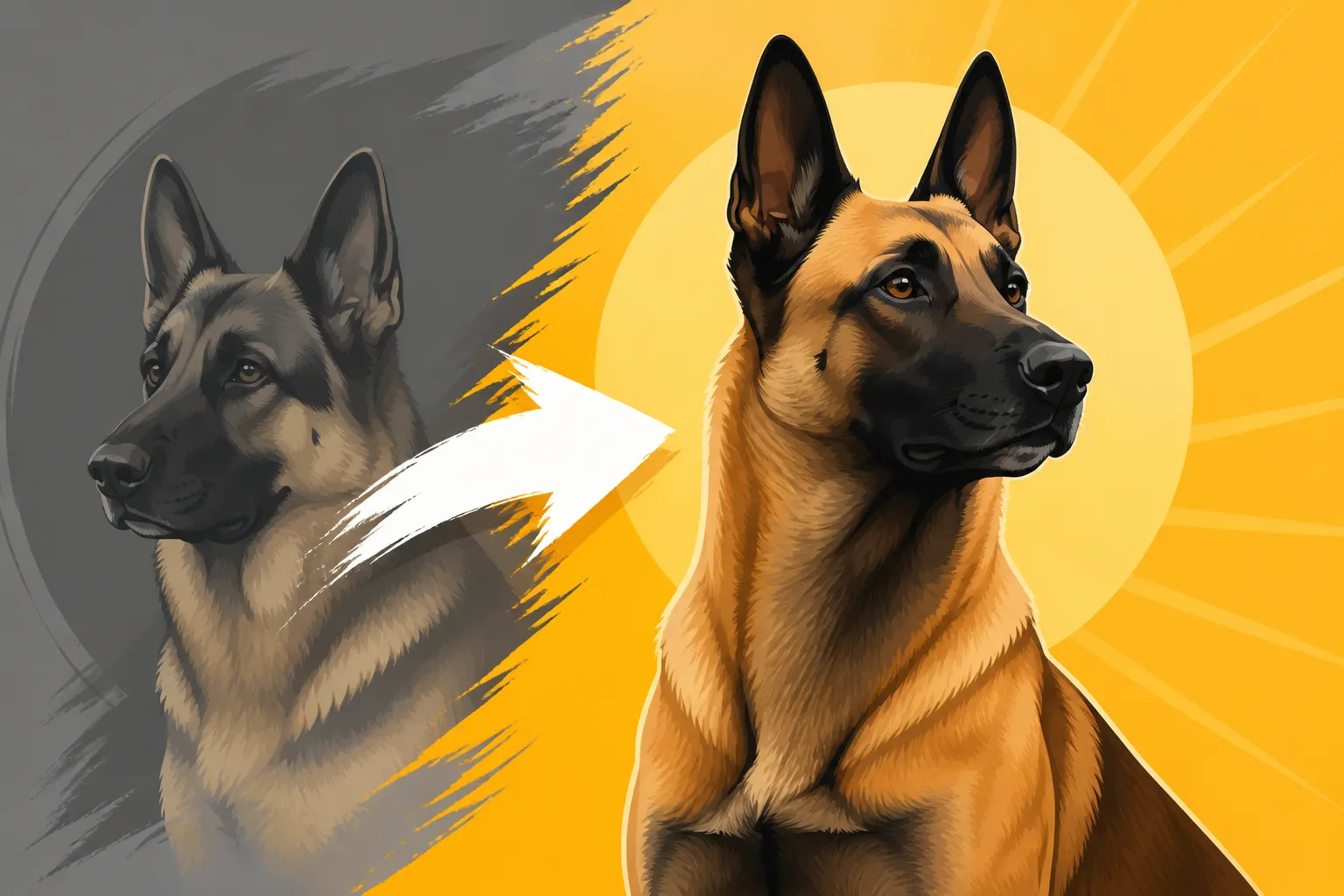
It’s a question many dog enthusiasts and potential owners find themselves asking these days: have the agile, intense Belgian Malinois truly taken over the German Shepherd’s traditional roles in police, military, and protection work? For decades, the German Shepherd Dog was the undisputed king of K9 units, a steadfast symbol of canine partnership in law enforcement and defense. But if you’ve been paying attention to the news or professional dog circles, it seems like the Malinois is everywhere now. This guide will dive into the fascinating evolution of these working breeds, exploring the reasons behind the Malinois's ascent and whether it truly signifies a replacement or a different kind of specialization in the demanding world of professional K9 work.
The German Shepherd's Long Reign and What Shifted
For a long, long time, when you thought of a police dog, a military dog, or even a personal protection dog, your mind instantly pictured a German Shepherd. And for good reason! These incredible dogs carved out a formidable reputation, proving themselves indispensable in countless roles across the globe.
A Legacy of Loyalty and Versatility
The German Shepherd's history is steeped in tales of courage, loyalty, and unmatched versatility. Originally bred in Germany to herd sheep, their intelligence, trainability, and impressive physical presence quickly made them a favorite for roles far beyond the pasture. From the early 20th century, they were adopted by police and military forces, serving with distinction in both World Wars and becoming a staple in K9 programs. Their balanced temperament, willingness to please, and imposing yet approachable demeanor made them ideal. They possessed a natural protective instinct, were robust enough to handle rigorous physical demands, and had a keen sense of smell that made them excellent for tracking and detection. They excelled at everything from patrol work to search and rescue, becoming true multi-purpose working dogs. They built a legacy that is still deeply respected and celebrated today.
Challenges and Changes in Breeding Focus
However, even the most legendary breeds can face challenges, and the German Shepherd was not immune. As their popularity surged, particularly after their heroic wartime efforts, breeding priorities sometimes shifted. The demand for German Shepherds, both as working dogs and family pets, led to diverse breeding lines. Some breeders began to prioritize aesthetics for the show ring, emphasizing specific physical traits like a dramatically sloped back or exaggerated angulation, which, while visually striking to some, could sometimes compromise the breed's functional soundness and longevity. This often meant a divergence from the original working dog characteristics.
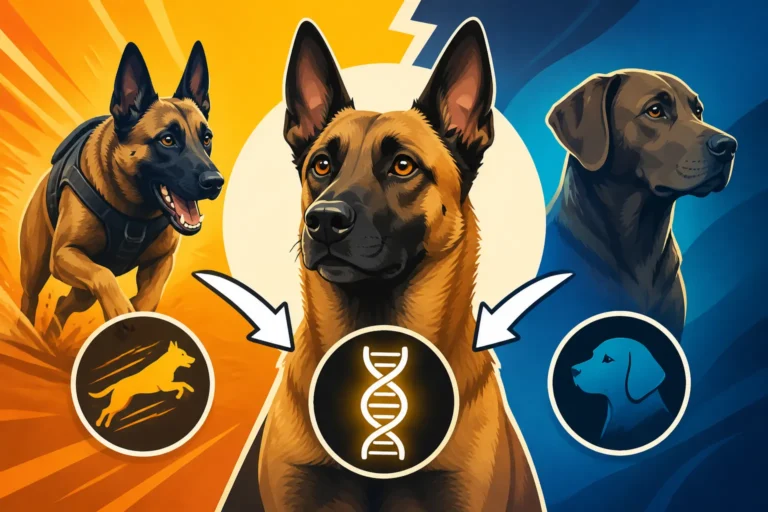
Over time, this split in breeding focus sometimes led to variations in temperament, health, and working drive within the breed. Some lines developed softer temperaments, less suited for the intensity required of police work, while others struggled with common health issues like hip and elbow dysplasia, which could shorten a dog's working life. While many dedicated breeders continued to produce exceptional working-line German Shepherds, the sheer volume and diversity of the breed meant that finding a dog with the precise combination of drive, nerve, and physical soundness for elite K9 roles became more nuanced. This created an opening, a space for another breed to step onto the world stage and demonstrate its own unique capabilities.
The Rise of the Belgian Malinois in Professional Roles
In the wake of evolving demands and changing breeding landscapes, the Belgian Malinois began its meteoric ascent in the world of professional working dogs. Their presence has become undeniable, and for many in the K9 community, they represent the pinnacle of canine athleticism and drive.
Drive, Agility, and Intensity: The Malinois Edge
What exactly is it about the Belgian Malinois that has propelled them to such prominence? It boils down to a potent combination of extreme drive, unparalleled agility, and an almost relentless intensity. These dogs are essentially finely tuned machines, bred for generations with a singular focus on working ability. Their prey drive is often off the charts, making them incredibly motivated by toys and engagement, which is the foundation of much K9 training. They possess an explosive energy and speed that can be breathtaking to witness, crucial for scenarios requiring quick reactions and rapid pursuit.
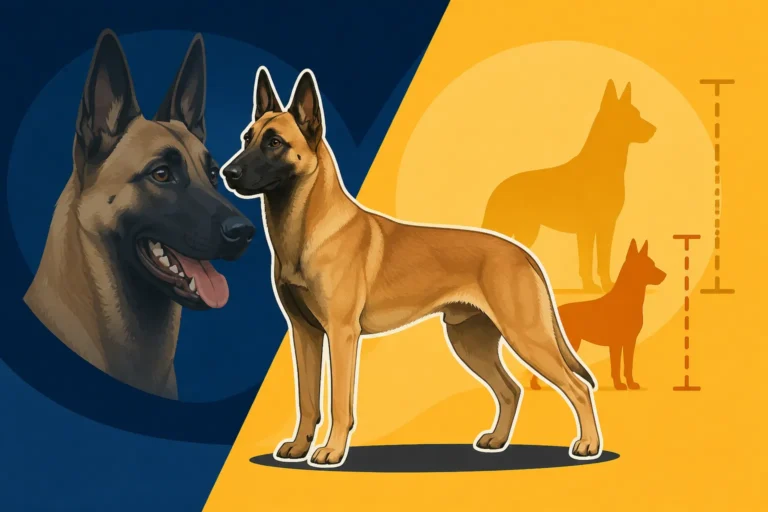
Their physical build is also a significant advantage: typically leaner and more compact than German Shepherds, Malinois are incredibly athletic, capable of incredible jumps, swift changes in direction, and sustained physical exertion without overheating as quickly. This high level of physical conditioning and mental fortitude means they can often perform tasks that require extreme endurance and focus for extended periods. When a Malinois is "on," they are all the way on, totally immersed in their task with unwavering determination. This intensity is often exactly what is sought after in high-stakes environments. When you’re looking at The Herding Job the Belgian Malinois Was Built For, you can see the foundational athleticism and biddability that, when honed, translates so perfectly to modern working roles.
Specialized Demands of Modern K9 Work
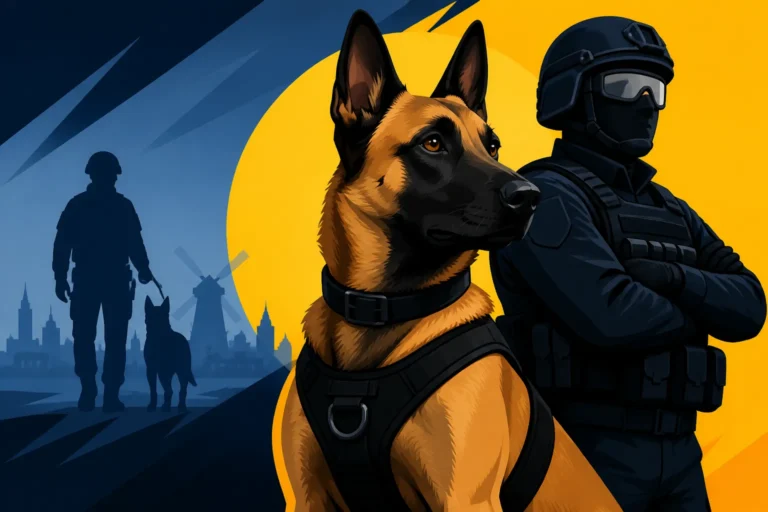
The nature of police and military K9 work has also evolved, placing a greater premium on certain attributes that the Malinois often exemplifies. While traditional patrol work still exists, there's an increasing need for highly specialized roles. Think about detection dogs needing to pinpoint minute odors in vast spaces, or apprehension dogs requiring incredible speed and tenacity in high-pressure situations. Malinois excel in these fast-paced, high-stress environments. Their smaller, more agile frame allows them to navigate tight spaces, scale obstacles, and perform complex movements that might be more challenging for a larger, heavier dog.
Furthermore, the rigorous selection process for K9s has become incredibly stringent. Trainers are looking for dogs with exceptional nerve, environmental soundness, and an almost insatiable desire to work. What the KNPV Program Selects For in a Malinois is a perfect example of this kind of demanding selection, where only the toughest, most driven dogs make the cut. The Malinois often ticks all these boxes, demonstrating a remarkable resilience and focus under duress. This makes them particularly suitable for the demands of specialized operations, from drug and explosives detection in crowded airports, as explored in The Belgian Malinois in Airport Detection Work, to precision work in military special operations, which is why Why Military Units Buy Malinois Over Shepherds is such a compelling read. They're often seen as dogs that can be pushed to the absolute limits of canine performance, and thrive on it.
Are Malinois Replacing German Shepherds, or Complementing Them?
This is where the narrative often gets a little muddled. It's easy to look at the increasing number of Malinois in K9 units and conclude that they've simply supplanted German Shepherds entirely. However, the reality is far more nuanced, reflecting a shift towards specialization rather than outright replacement.
Coexistence and Distinctive Niches
The truth is, German Shepherds are still widely used and highly valued in K9 work across the globe. They absolutely have not disappeared from the scene. Instead, what we're seeing is a natural division of labor, where both breeds often find their own distinctive niches. German Shepherds continue to excel in roles where a larger, more imposing presence is beneficial, or where a slightly more stable, less "on-the-go" temperament is desired for community-facing tasks. Their deep bark and natural protective stance can often be enough of a deterrent, and their ability to bond deeply with families can make them ideal for dual-purpose roles where they might live with a handler's family.
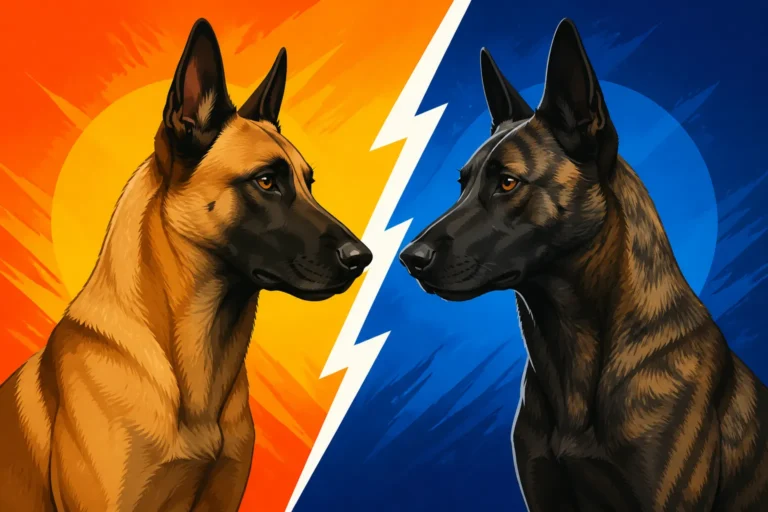
Malinois, on the other hand, frequently fill the roles requiring extreme speed, agility, and an almost unparalleled intensity. They are often chosen for tasks that demand high-octane performance, such as advanced bite work, intricate detection tasks, or military applications where their smaller size and athleticism can be an advantage in dynamic situations. So, rather than one replacing the other, they often complement each other, with K9 units selecting the breed (and, more importantly, the individual dog) best suited for a specific set of operational demands. It's truly a matter of finding the right dog for the right job. Malinois or German Shepherd for Real Work delves deeper into these considerations.
| Trait / Characteristic | German Shepherd | Belgian Malinois |
|---|---|---|
| Typical Build | Larger, more substantial frame; powerful, often with a sloping back in show lines. | Leaner, more compact, athletic; square build. |
| Energy & Drive | High drive, but often with a more "off switch" for downtime. Can be calmer indoors. | Extremely high drive, often relentless. Requires constant mental and physical engagement. |
| Agility & Speed | Very agile and fast, but generally less explosive than a Malinois. | Exceptional speed, agility, and explosive power. Known for incredible jumps. |
| Trainability | Highly intelligent and trainable; eager to please. Can be sensitive to harsh methods. | Highly intelligent and trainable; often more resilient to pressure due to high drive. |
| Public Perception | Widely recognized as a police/military dog, often seen as majestic and loyal. | Gaining recognition, but sometimes mistaken for a GSD mix; can be perceived as intimidating. |
| Health Concerns | Known for hip/elbow dysplasia, degenerative myelopathy. | Generally robust, but can have hip/elbow issues, certain genetic neurological conditions. |
| Ideal Role | General patrol, tracking, detection, search & rescue, family protection, therapy. | High-level bite work, specialized detection, military operations, agility, sport. |
The Importance of Individual Dog Selection
Ultimately, the breed label itself, while providing a general blueprint, is far less important than the individual dog standing before the trainer. This is a critical point that often gets overlooked in discussions about breed dominance. Professional K9 programs, whether military, police, or private, conduct incredibly thorough evaluations of prospective dogs. They're not just looking for a German Shepherd or a Belgian Malinois; they're looking for the right dog.
This selection process focuses on intrinsic qualities: stable nerves, high thresholds for stress, environmental confidence, intense toy or food drive, good health, and a clear, focused temperament. There are excellent German Shepherds who possess all these traits in spades, just as there are Malinois who might not meet the exacting standards for certain roles. Handlers and trainers will tell you that a well-bred, well-socialized, and properly trained German Shepherd is still an absolutely formidable working partner. The same goes for the Malinois. The selection is always about the individual, the potential it holds, and its suitability for the specific demands of the job. It's why programs will often buy from reputable breeders known for producing working lines, ensuring they get the best possible candidates, regardless of the breed's current popularity. It’s about quality over perceived trendiness.
What This Means for the Everyday Malinois Owner
The intense focus on Belgian Malinois in professional working circles naturally raises questions for those considering them as pets or even those who already own one. The traits that make them exceptional K9s don't just magically disappear when they're in a family home.
Understanding Your Malinois's "Job" Needs
If you own a Belgian Malinois, or are thinking about bringing one into your home, understanding their working dog heritage is paramount. These aren't dogs that are content with a few casual walks around the block. That incredible drive, agility, and intensity? It's still there, bubbling just beneath the surface, demanding an outlet. An "unemployed" Malinois is often a destructive, anxious, and unhappy Malinois. They need a job, a purpose, something that engages both their brilliant minds and their powerful bodies.
This means a commitment to consistent, structured training that goes beyond basic obedience. Think about activities like advanced obedience, agility, nose work, tracking, or even bite sports if you have access to a reputable club. Daily physical exercise needs to be vigorous and meaningful, not just a casual stroll. You might find yourself needing to dedicate Two Hours and a Job a Belgian Malinois Demands Daily or more to keep your dog truly fulfilled. Without this kind of engagement, you're likely to see problem behaviors emerge – chewing, incessant barking, reactivity, or even neurotic tendencies. It's a testament to their working origins: they are built to do, not just to be.
Responsible Ownership in the Shadow of Working Dog Reputations
The rising profile of the Belgian Malinois in police and military roles has inevitably affected public perception. On one hand, it's generated admiration for their capabilities. On the other, it can lead to misconceptions or even fear from those unfamiliar with the breed. As an owner, this means taking on a significant responsibility. Your Malinois needs to be impeccably trained and socialized. They need to understand boundaries and have a reliable "off switch" for appropriate situations, something often discussed in detail by experienced handlers. It's important for them to be comfortable in various environments and around different people, though their natural protective instincts will always be there.
Furthermore, providing for such a high-drive dog includes ensuring they have appropriate nutrition to fuel their endless energy. Performance formulas designed for active dogs are often a good choice, and you can find a wide variety of these on platforms like Chewy. Always ensure you're feeding them a diet that supports their energy output, especially if they are always in motion, as detailed in Feeding a Malinois That Is Never Not in Drive. You also need to be prepared for the level of commitment required – financially, emotionally, and in terms of time – for a dog that is, by nature, Whether a Belgian Malinois Is More Intense Than It Looks. Owning a Malinois is a lifestyle choice, one that requires dedication but rewards with an unparalleled bond with an extraordinary canine partner.
Disclaimer
This article is for general informational purposes only and does not constitute professional advice. Laws, prices and regulations vary by location and change over time. Consult a qualified professional for guidance on your specific situation.