The Laekenois Beside the Malinois and Why It Is Rare
Many dog enthusiasts, even those familiar with the incredible Belgian Malinois, often scratch their heads when they hear about the Laekenois. It’s understandable; these dogs share a common heritage, but their paths diverged dramatically, leading one to global recognition and the other to remain a cherished, yet profoundly rare, gem. This guide aims to shed light on the distinctive Laekenois, contrasting it with its more famous cousin, the Malinois, and exploring the compelling reasons behind its elusive status.
The Four Belgian Shepherds and the Laekenois’s Unique Niche
When we talk about the Belgian Malinois, we're really talking about one of four distinct varieties of the Belgian Shepherd Dog, all originating from Belgium in the late 19th century. These were originally categorized together as a single breed with different coat types and colors. Imagine a group of dedicated sheep herders and cattle drovers, each with their preferred type of working dog, eventually coming together to standardize their beloved companions. These were dogs built for demanding work, enduring the harsh Belgian climate and guarding livestock with unwavering loyalty.
A Shared Ancestry, Different Fates
The Malinois, Groenendael (long black coat), Tervuren (long fawn/red coat), and Laekenois (rough/wire coat) all hail from this common working stock. In the early days, they were judged together, often interbred, and their physical differences were primarily superficial — a matter of coat. However, over time, and through the efforts of dedicated breed clubs and different national kennel clubs, distinct identities began to solidify. The Malinois, with its short coat, gained traction for its utility in police and military work, rocketing its profile globally. The Laekenois, on the other hand, never quite broke out of its regional working roots, remaining largely unknown outside of its native country and a small circle of devoted fanciers. This historical divergence is crucial to understanding why you might see a Malinois on every news channel, but rarely a Laekenois. The Four Belgian Varieties the Malinois Belongs To delves deeper into this shared history.
The Laekenois: Named for a Royal Estate
The name "Laekenois" itself offers a clue to its origins. It is believed to have taken its name from the Royal Castle of Laeken, where these rough-coated dogs were favored by the castle's sheep caretakers. Their bristly, wiry coats were perfectly suited to working outdoors in thorny brush and protecting linens laid out to dry in the fields – a job that required both intelligence and a resilient physical presence. This specific working niche meant the breed was developed for a particular purpose and environment, and as that traditional work diminished, so too did the widespread need for such a specific type of dog.
The Distinctive Look: Malinois vs. Laekenois Coats
The most striking difference between a Belgian Malinois and a Laekenois is, without a doubt, their coat. While both are agile, medium-sized, powerful dogs, their outer garments are like night and day. This seemingly superficial difference actually impacts everything from their grooming needs to how they are perceived and even their suitability for certain environments.
The Malinois: A Short, Hard Worker's Coat
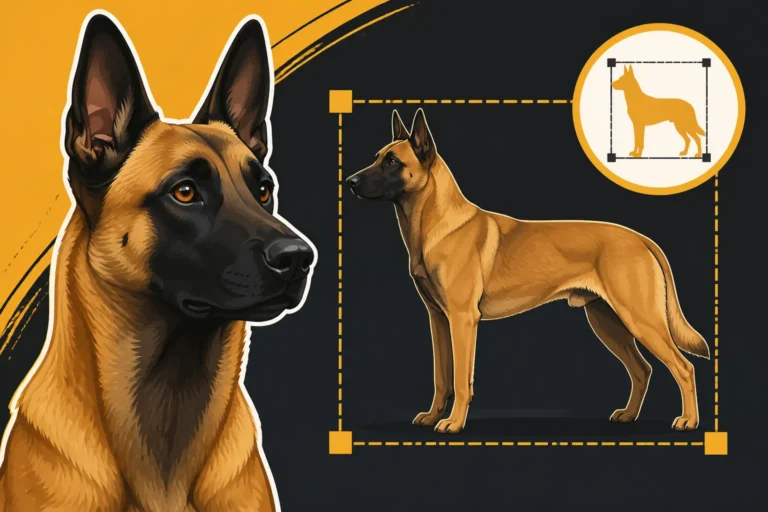
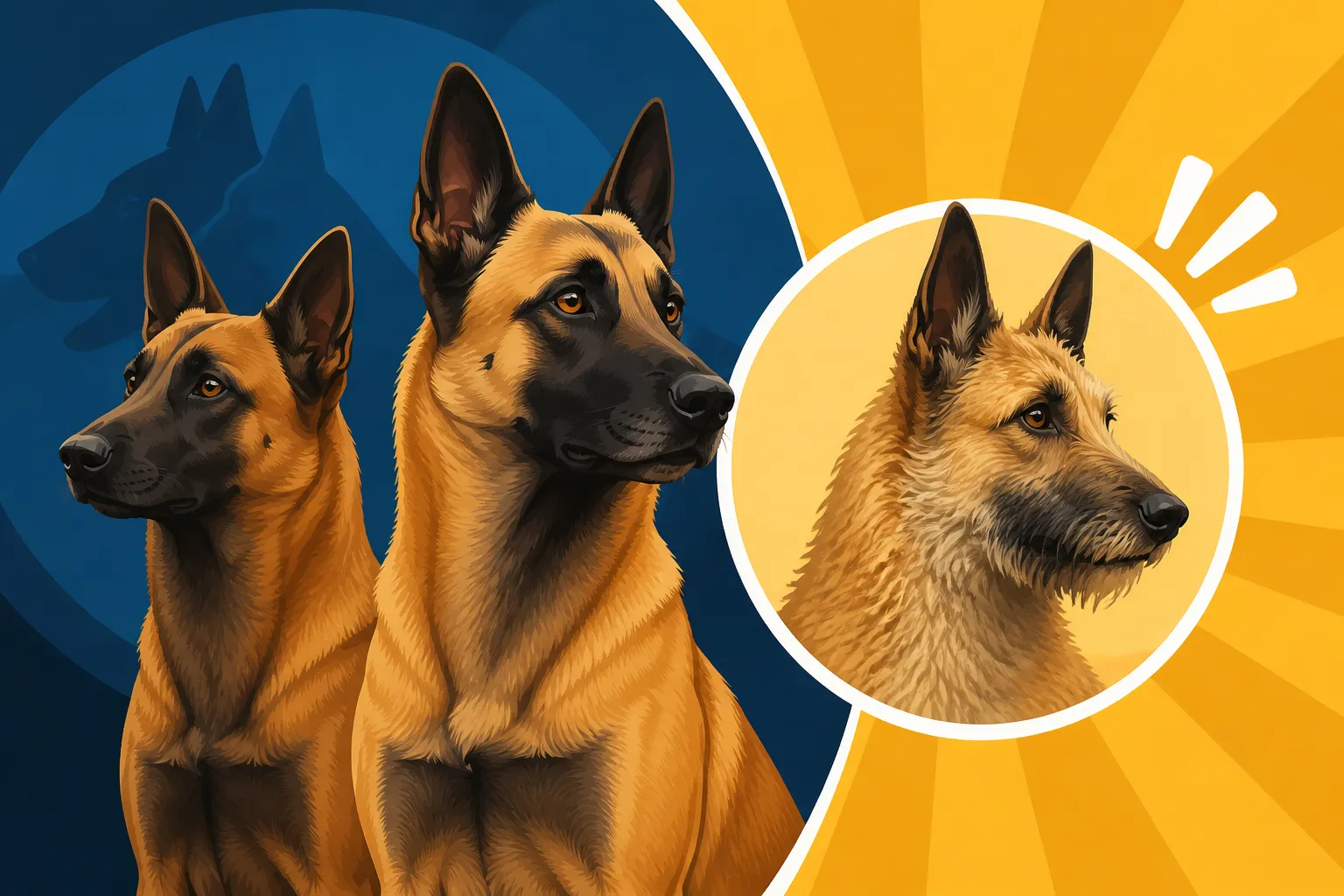
The Malinois sports a short, straight, and relatively harsh double coat. It's designed for practicality and minimal fuss, making it easy to clean and quick to dry. This coat, typically fawn to mahogany with a distinct black mask and often black overlay, is efficient. It offers protection from the elements without being cumbersome, allowing for maximum agility and minimal snagging during strenuous activities like bite work or navigating dense terrain. Grooming a Malinois is generally straightforward: a good brush a couple of times a week, more during shedding seasons, and they're usually good to go. You can find excellent grooming tools for their coat type on sites like Chewy. This coat also contributes to their sleek, athletic appearance, which appeals to many working dog enthusiasts.
The Laekenois: A Rough, Resilient Exterior
The Laekenois, however, stands apart with its truly unique coat. It possesses a harsh, wiry, rough coat that is notably shaggy and unkempt in appearance. This coat is not soft; it's designed to be protective, almost like armor against the elements and sharp vegetation. The hair is typically fawn to red, with some blackening on the muzzle and tail. Unlike the Malinois, the Laekenois's coat should not appear smooth or silky; it's meant to be coarse, giving it a somewhat rustic, rugged charm. This texture is what truly distinguishes it from its smooth-coated cousins. People often compare it to the texture of a terrier's coat, and in some ways, it requires similar care. How Much a Malinois's Short Coat Actually Sheds might give you an idea of the shedding difference, as a Laekenois typically "furnishes" rather than sheds profusely.
Grooming Differences and Practicalities
Grooming a Laekenois involves different techniques than a Malinois. While a Malinois might need a simple brush, a Laekenois benefits from hand-stripping to maintain the proper texture and remove dead hair. This isn't a simple trim; it's a specialized process that some owners learn to do themselves or have done by a professional groomer. If the coat is clipped, it tends to become softer, lose its harsh, protective texture, and the color might lighten, which is generally undesirable for breed standards and practical purposes. This more involved grooming requirement, combined with the fact that many casual dog owners aren't familiar with wire coats or hand-stripping, can be a minor barrier to ownership. Finding the right brushes and stripping tools can be done through specialty pet supply retailers or sites like Chewy, but the technique itself takes practice.
Temperament and Working Traits: Shared Heritage, Subtle Differences
While their coats are the most obvious differentiator, the underlying temperament and working drives of the Malinois and Laekenois also present subtle distinctions, rooted in their original purposes and subsequent breeding choices. Both are undeniably high-drive, intelligent, and intensely loyal dogs, but the nuances are important for potential owners to understand.
The Malinois: The Modern Working Dog
The Malinois has been selectively bred for generations for its intense drive, extreme trainability, and suitability for high-stakes work. Think police K9s, military dogs, and top-tier sport competitors in disciplines like IGP or Ring Sport. This means they often possess an "on-off switch" that's geared towards extreme focus and powerful performance. They are known for their strong prey drive, protective instincts, and boundless energy. A Malinois isn't just a dog; it's a partner that demands a job, and without one, it can become destructive or neurotic. Their high alert nature and sharp reactions make them incredible working dogs, but also challenging pets for the uninitiated. Two Hours and a Job a Belgian Malinois Demands Daily highlights this need for constant engagement.
The Laekenois: The Robust Herder and Guardian
The Laekenois shares much of the Malinois's intelligence and work ethic, but historically, its breeding focused more on a robust, resilient herding and guarding dog for sheep and property. While capable of excelling in modern dog sports, the Laekenois is often described as having a slightly more "rustic" or "earthy" temperament. They are often just as protective and watchful, but perhaps with a touch less of the hyper-intensity that defines many modern working Malinois lines. They are still incredibly active and intelligent, needing significant mental and physical exercise, but their drive might express itself differently—perhaps a bit less frantic, and more focused on practical, problem-solving tasks. They can be fiercely devoted to their families and are often described as being a bit more reserved with strangers than a Malinois might be.
Trainability and Adaptability
Both breeds are highly trainable and thrive on clear communication, consistency, and engaging work. They are not for passive owners. The Laekenois, like the Malinois, needs early and extensive socialization to ensure they grow into well-adjusted adults, especially given their protective instincts. While the Malinois might be quicker to pick up complex sequences for sport, the Laekenois is equally intelligent and capable, simply sometimes with a slightly different approach to problem-solving. Neither breed is typically suited for an owner who just wants a "backyard dog" or a casual companion. Both require a dedicated handler who understands canine behavior and is committed to providing consistent training and structure. This can be a huge hurdle for new owners, as Why a Belgian Malinois Is the Wrong First Dog details, and the same often applies to the Laekenois due to their similar needs.
Why the Laekenois Remains So Rare: Historical and Practical Reasons
Understanding why the Laekenois is such a rare breed requires looking beyond just coat type and into historical context, breeding practices, and even cultural preferences. It's a fascinating study in how a breed's destiny can be shaped by various factors, leading to its continued obscurity.
Historical Neglect and Shifting Priorities
In the early days of Belgian Shepherd standardization, the focus often gravitated towards the Malinois, Groenendael, and Tervuren. The Laekenois, with its rough coat, was often considered the "ugly duckling" by some or simply less visually appealing for show rings when compared to the dramatic long coats or the sleek Malinois. Furthermore, as traditional herding work declined, many working dog breeders began to prioritize traits more suited for police, military, and protection sports. The Malinois, with its short coat and exceptional drive, quickly became the darling of these fields. The Laekenois, while certainly capable, didn't experience the same surge in demand or targeted breeding programs for these new roles, which meant fewer breeders focused on them, and fewer puppies were produced. The 1959 Split That Made the Malinois Its Own Breed really cemented the individual identities and allowed different breeding paths.
Breeding Challenges and Limited Gene Pool
Rarity can become a self-fulfilling prophecy. With fewer individuals, the gene pool for the Laekenois is naturally smaller than that of the Malinois. This can make ethical breeding more challenging, as breeders must work carefully to avoid inbreeding and maintain genetic diversity. Finding suitable breeding partners becomes a significant hurdle, often requiring extensive travel or import of dogs. This also means that if you're looking for a Laekenois puppy, you might be on a waiting list for a very long time, and you'll likely pay a premium due to their scarcity and the dedicated effort required by responsible breeders. These breeders are often deeply committed to preserving the breed, not just producing puppies. You won't typically find Laekenois in pet stores or even many general rescue organizations, unlike some other breeds.
Lack of Mainstream Recognition and Demand
The Malinois gained global fame through its appearances in movies, its role in high-profile military operations, and its success in dog sports. This exposure generated massive demand. The Laekenois has never had that kind of mainstream spotlight. Most people simply don't know it exists. Without widespread public awareness, there isn't significant demand, which in turn means fewer breeders and fewer dogs. It's a niche breed, appreciated by a dedicated few who seek its specific characteristics and unique charm. Even within the pet industry, you'll rarely see specialized products marketed directly for Laekenois, though general supplies from places like Chewy will always be available. This lack of demand means less incentive for larger-scale breeding, keeping the population low.
The Difficulty of Import and International Standards
For those outside Belgium or specific European countries, acquiring a Laekenois often means importing one. This process can be complex, involving significant paperwork, travel, and expense. Differing breed standards between kennel clubs can also complicate matters, though most align generally on the ideal Laekenois. The relatively small number of breeders worldwide who focus on the Laekenois also means that potential owners must be prepared to do extensive research, build relationships with international breeders, and often wait for the right puppy to become available.
Here's a quick comparison of the two:
| Feature | Belgian Malinois | Belgian Laekenois |
|---|---|---|
| Coat Type | Short, straight, harsh, dense double coat | Rough, wiry, shaggy, coarse double coat |
| Primary Color | Fawn to mahogany, black mask, often black overlay | Fawn to red, some blackening on muzzle/tail |
| Grooming | Easy, regular brushing, minimal trimming | More involved, hand-stripping to maintain texture |
| Rarity | Common in working lines, widely recognized globally | Very rare, largely unknown outside niche circles |
| Recognition | Fully recognized by major kennel clubs (e.g., AKC) | Recognized by some, often in "Foundation" or "Misc." |
| Common Use | Police, military, protection sports, competitive obedience, agility | Herding, guarding, still excel in various dog sports |
| Temperament | Intense drive, high energy, extremely focused, protective | High energy, intelligent, protective, often described as more rustic/reserved |
Living with a Laekenois: What to Expect from This Uncommon Companion
Deciding to bring a rare breed like the Laekenois into your home is a significant commitment. While they share many characteristics with the Malinois, their rarity often means a different ownership experience, from finding a puppy to educating others about your unique dog. They are not merely "Malinois with a different haircut"; they are a distinct variety with their own needs and quirks.
Energy Levels and Mental Stimulation
Like all Belgian Shepherds, the Laekenois is a high-energy, intelligent dog that absolutely thrives on having a job to do. Simply letting them out in the yard isn't enough; they need structured exercise and, more importantly, consistent mental engagement. Think daily training sessions, puzzle toys (you can find a great selection on Chewy), scent work, agility, or obedience. An under-stimulated Laekenois can become destructive, anxious, or develop undesirable behaviors. They are problem solvers, and if you don't give them appropriate problems to solve, they'll invent their own – and you probably won't like the solutions! The Mental Work That Finally Tires a Malinois Out is a concept that applies directly to the Laekenois as well.
Socialization and Training are Non-Negotiable
Given their watchful and protective nature, early and thorough socialization is paramount for a Laekenois. This means exposing them to a wide variety of sights, sounds, people, and appropriate dog interactions from a young age. Without it, they can become overly suspicious or reactive, which, combined with their strong drives, can be a handful. Consistent, positive reinforcement-based training is essential throughout their lives. They are eager to please their handler but will test boundaries, especially during adolescence. Establishing clear rules and expectations from day one is critical for building a well-behaved companion. Remember, they bond very closely with their families and often show a reserved demeanor with strangers, which is a natural breed trait, not necessarily aggression, but something to manage thoughtfully.
Compatibility with Families and Other Pets
A well-socialized and properly managed Laekenois can be an excellent family dog, deeply loyal and protective. However, their high energy and strong prey drive mean they might not be suitable for homes with very young children or small, fast-moving pets unless introduced and supervised with extreme care. They need to be taught appropriate interactions and boundaries. Their herding instinct can manifest as nipping at heels or "corralling" children, which while not aggressive, can be intimidating. With other dogs, especially larger ones, they can coexist peacefully if properly introduced and managed, but same-sex aggression can sometimes be an issue, similar to other working breeds. A Belgian Malinois in a House With Kids and Dogs offers relevant insights into this dynamic.
Finding a Laekenois: Navigating the Rarity
So, you're enchanted by the unique charm of the Laekenois and you've decided this rare breed is the one for you. Be prepared for a journey! Finding a reputable breeder and bringing home a Laekenois is a very different experience than, say, acquiring a Labrador Retriever or even a Malinois. It requires patience, persistence, and a willingness to do your homework.
Connecting with Dedicated Breeders
Because of their rarity, you won't stumble upon Laekenois breeders easily through a casual online search or classified ads. You'll need to seek out dedicated breed clubs and associations. The American Belgian Malinois Club (ABMC) includes all four varieties of Belgian Shepherds, and they often have a list of reputable Laekenois breeders or can point you toward people who do. You might also need to look at European kennel clubs, as many of the best lines still reside there. These breeders are passionate about the breed's preservation and will thoroughly vet prospective owners to ensure their puppies go to suitable homes. Expect a lengthy application process, interviews, and a wait. This isn't a transactional purchase; it's building a relationship with someone who is a guardian of the breed.
Understanding the Cost and Commitment
Acquiring a Laekenois puppy typically comes with a higher price tag than more common breeds, reflecting their rarity, the extensive health testing undertaken by responsible breeders, and the sheer effort involved in maintaining a small, ethical breeding program. Beyond the initial purchase price, be ready for the ongoing costs of high-quality food (consider performance formulas often stocked by Chewy), potential specialized grooming, training, and vet care. Remember, this is a long-term commitment, potentially The Fourteen to Sixteen Years a Belgian Malinois Lives, and the Laekenois shares that longevity. Don't be surprised if the breeder requires you to sign a contract with clauses about spaying/neutering (if not for breeding), returning the dog if you can no longer care for it, and commitments to ongoing training and health care.
Health Considerations and Responsible Breeding
Like all purebred dogs, the Laekenois can be predisposed to certain health conditions, although generally, they are considered a hardy breed. Responsible breeders will perform extensive health screenings on their breeding stock to minimize the risk of passing on genetic diseases. This includes checks for hip and elbow dysplasia, eye conditions, and sometimes thyroid issues. Don't be afraid to ask for health clearances for both parents, including OFA or PennHIP results for hips and elbows, and CERF eye certifications. A good breeder will be transparent about their dogs' health history and the health issues prevalent in the breed. This diligence helps ensure you get a healthy puppy that has the best chance at a long, fulfilling life. The Hip and Elbow Numbers Behind a Malinois Clearance can help you understand what to look for in health documentation.
Preparing for Your Rare Companion
Before your Laekenois puppy comes home, make sure your environment is ready. This includes secure fencing (they are agile and can jump!), a comfortable crate, and a plan for daily exercise and training. Research local dog trainers who have experience with high-drive herding breeds. Stock up on durable chew toys and appropriate food. Most importantly, prepare yourself mentally for the unique challenges and immense rewards of owning a truly uncommon and extraordinary dog. You'll be part of a small, passionate community dedicated to this remarkable variety of Belgian Shepherd.
Disclaimer
This article is for general informational purposes only and does not constitute professional advice. Laws, prices and regulations vary by location and change over time. Consult a qualified professional for guidance on your specific situation.