The Malinois Against the Groenendael
It’s a common sight at dog shows and even in casual conversation among enthusiasts: the beautiful, long-haired black dog often gets called a Malinois, and the confusion is completely understandable. The truth is, while they share an incredibly rich history and come from the same country, the Belgian Malinois and the Groenendael are distinct varieties of the Belgian Shepherd Dog, each with their own unique characteristics that go far beyond just coat length. This guide is here to untangle that knot of confusion, exploring their shared heritage, individual traits, and what truly sets these magnificent canines apart.
The Shared Roots: A Look at the Belgian Shepherds
Before we dive into their differences, it’s crucial to understand that the Malinois and the Groenendael are not entirely separate breeds in the way a Labrador is from a Poodle. They are, in fact, two of four distinct varieties of the Belgian Shepherd Dog (Chien de Berger Belge), all originating from Belgium in the late 19th century. This shared ancestry means they carry many foundational similarities, from their sharp intelligence to their unwavering loyalty.
One Breed, Four Varieties – The Historical Perspective
Imagine a time when working dogs were bred purely for function, not for fancy show rings. That was the landscape in Belgium in the late 1800s. Shepherds and farmers needed reliable, intelligent dogs to herd livestock, guard property, and generally assist with daily chores. From this utilitarian breeding emerged a diverse group of dogs that, despite their different appearances, shared a common genetic blueprint for working ability. In 1891, a group of enthusiasts and veterinarians, led by Professor Adolphe Reul of the Cureghem Veterinary School, gathered these dogs and began to standardize them. Their goal was to define what constituted a "Belgian Shepherd Dog" and to categorize the different types based primarily on their coat. This is where the story of the Malinois and Groenendael truly begins, as they were recognized as distinct varieties within this overarching breed. You might be interested in reading about The Four Belgian Varieties the Malinois Belongs To to understand the full scope of their family tree.
The decision to classify them as varieties of one breed rather than entirely separate breeds was a testament to their shared lineage and working temperament. They all possessed that characteristic "Belgian Shepherd" drive, intelligence, and protective instinct. However, the varying coat types naturally developed in different regions or through different breeding preferences, leading to the distinct appearances we recognize today. This historical approach is quite different from how many other breeds were developed, often with completely separate ancestries.
The Importance of Coat Type
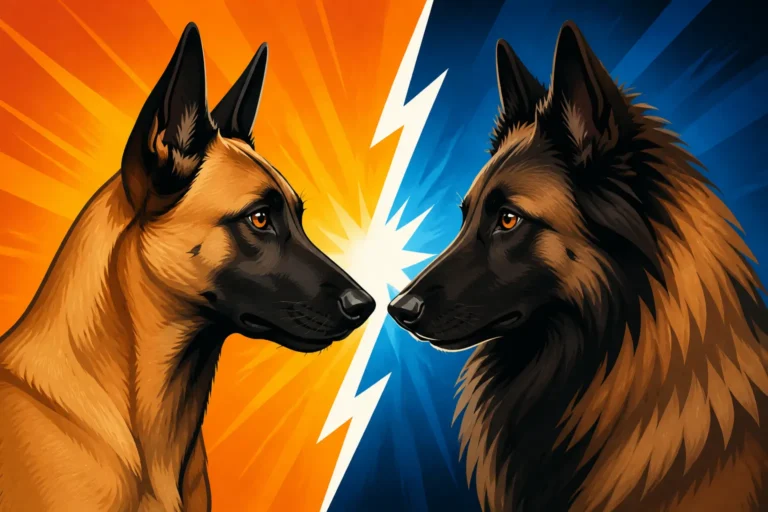
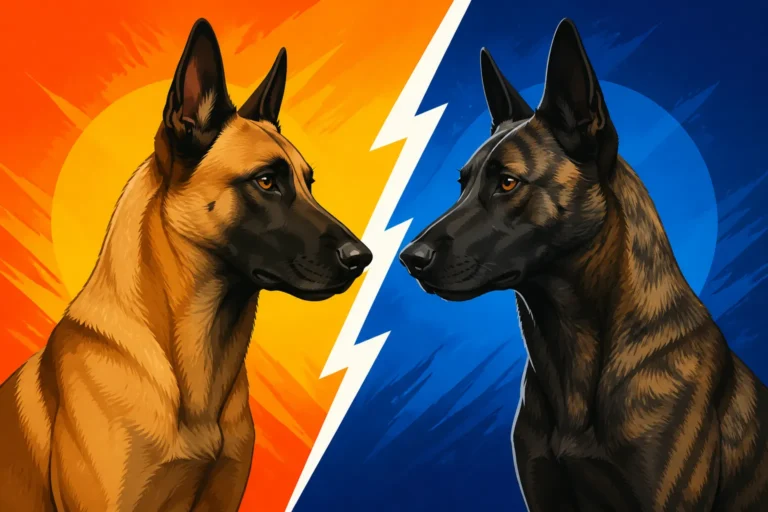
For the Belgian Shepherd Dog, the coat is everything when it comes to variety identification. It's the primary, most obvious characteristic that differentiates the four types: the Groenendael (long-haired black), the Tervuren (long-haired fawn/mahogany with black overlay), the Laekenois (rough-haired fawn), and, of course, the Malinois (short-haired fawn/mahogany with black mask). This classification based on coat type, rather than solely on geographic origin or working style, has deep roots in the breed's standardization efforts.
The coat isn't just a matter of aesthetics; it also influenced how these dogs were perceived and used, albeit subtly. A longer, denser coat might have offered more protection in certain climates, while a shorter coat might have been easier to maintain for dogs working in brush or rugged terrain. However, in terms of fundamental working ability and temperament, breeders initially focused on performance above all else. The coat simply became the visual shorthand for distinguishing one line from another. This is why when you see a Groenendael, its flowing black mane is its unmistakable hallmark, just as the Malinois's sleek, short coat is theirs. Many of the fundamental health and temperament traits remain shared across the varieties, a direct result of that shared heritage. For more on how they came to be seen as separate, you can explore The 1959 Split That Made the Malinois Its Own Breed.
Unpacking the Belgian Malinois: The Workhorse
When people think of the Belgian Malinois today, they often picture an intense, athletic, and highly driven working dog. This reputation is well-earned, as the Malinois has become the go-to choice for police, military, and protection sports around the world. But what exactly defines this powerhouse of a canine?
The Distinctive Physical Traits
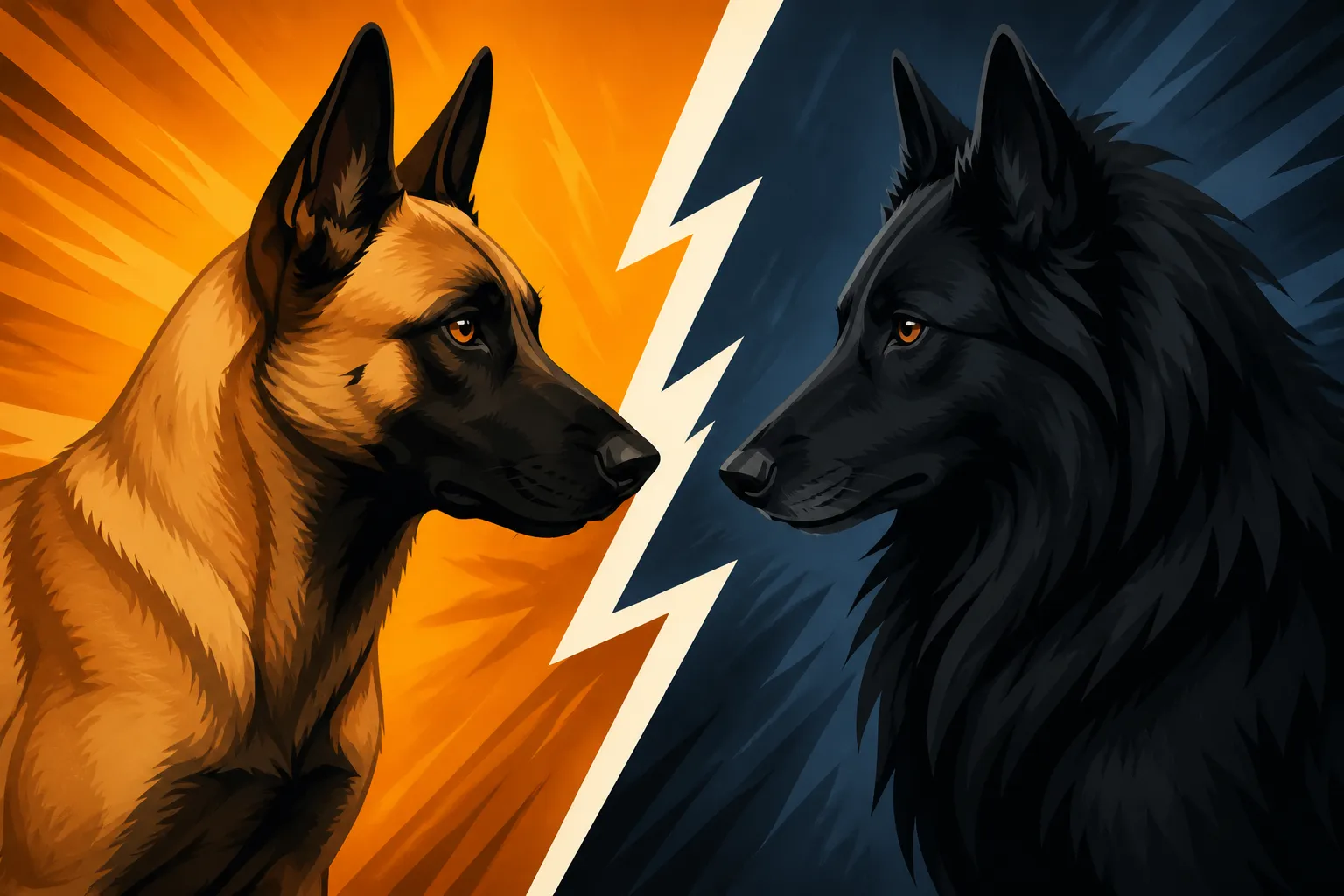
The Belgian Malinois is instantly recognizable by its short, dense coat, typically a rich fawn to mahogany color, always accompanied by a striking black mask and often black tips on its ears. This coat is not just practical for its working life, offering protection without excessive bulk, but it also contributes to its sleek, athletic appearance. They possess a powerful, muscular build, designed for endurance, agility, and explosive speed. Their alert, intelligent eyes, usually dark brown, convey a keen awareness of their surroundings, and their erect, triangular ears are constantly swiveling, picking up every sound. A well-bred Malinois should have a square, balanced outline, indicating its suitability for active roles.
While they are powerful dogs, they are also lean. You won't see a lot of extra fat on a healthy, working Malinois; every ounce of their muscle is put to good use. This lean condition is crucial for their performance, allowing them to be incredibly agile and quick. They typically stand between 22 and 26 inches at the shoulder, with males generally being larger and more substantial than females. Their weight range is broad, usually between 40 and 80 pounds, again reflecting their compact, muscular physique rather than heavy bone. Their powerful jaws, equipped with a full set of strong teeth, are a testament to their heritage as herding and protection dogs. For more on what to look for, check out The Height Limits a Belgian Malinois Is Judged Against.
Temperament and Drive
Here's where the Malinois truly shines, and also where it becomes clear why it's not a dog for everyone. The Malinois possesses an almost unparalleled level of drive, intensity, and intelligence. They are incredibly task-oriented, always eager to work and please their handler, but that "work" doesn't just mean a leisurely walk around the block. This breed demands a job, whether it's high-level obedience, protection sports, detection work, or advanced agility. An under-exercised or under-stimulated Malinois is a recipe for disaster, often leading to destructive behaviors, incessant barking, and even neurotic tendencies.
Their prey drive is famously high, a remnant of their herding origins, which can be a double-edged sword. While it makes them phenomenal partners in sports like IGP (formerly IPO) or Ring Sport, channeling that drive requires an experienced hand. They are incredibly sensitive to their handler's emotions and intentions, making them quick learners but also susceptible to harsh training methods that can damage their confidence. Building an Off Switch Into a Belgian Malinois is critical for these dogs to thrive in a home environment. They bond intensely with their primary handler and can be wary of strangers, which makes early and consistent socialization absolutely non-negotiable. They are not typically a dog that will enthusiastically greet everyone they meet, often preferring to observe new people with a keen, discerning eye.
Diving into the Groenendael: The Elegant Black Shepherd
In stark contrast to the Malinois's rugged, business-like appearance, the Groenendael presents a picture of elegant intensity. Named after the Chateau Groenendael, where its development was championed by Nicholas Rose, this variety often captures hearts with its striking beauty, but don't let the glamorous coat fool you; beneath it lies the same keen intellect and drive characteristic of all Belgian Shepherds.
The Groenendael's Regal Appearance
The defining feature of the Groenendael is its magnificent, long, straight, and abundant black coat. It's truly a sight to behold, flowing gracefully over its body, forming a beautiful ruff around the neck and chest, feathering on the legs, and a rich plumy tail. This jet-black coat, without any white markings except for a small patch on the chest or toes (which are generally considered faults in the show ring), gives the Groenendael an air of undeniable nobility and distinction. The texture should be medium-harsh, with a dense undercoat providing protection against the elements.
Beneath that stunning coat, the Groenendael shares the same sturdy, athletic build as its Malinois cousin. They are well-muscled and agile, designed for endurance and activity. Their head is refined, with intelligent, dark, almond-shaped eyes that convey a thoughtful expression. Their ears are erect and triangular, set high on the head, completing their alert and attentive look. While they carry more coat, their body structure is very similar to the Malinois, built for function and movement. A mature Groenendael typically falls within the same height and weight ranges as the Malinois, generally 22-26 inches at the shoulder and 40-80 pounds, though the coat can make them appear larger.
Temperament and Personality
Like all Belgian Shepherds, the Groenendael is incredibly intelligent, sensitive, and possesses a strong desire to be involved in family life. They are renowned for their loyalty and form incredibly deep bonds with their families, often to the point of being "velcro dogs" who want to be by your side at all times. Their protective instincts are strong, making them excellent watchdogs, though like the Malinois, early and consistent socialization is key to ensuring they differentiate between a genuine threat and a friendly visitor. They are known for being quite discerning with strangers, taking their time to assess new people.
While possessing plenty of drive, many Groenendaels are often described as being slightly less "on" than their Malinois counterparts, particularly in terms of sheer intensity and relentless work ethic. This isn't to say they are lazy; far from it. They still require significant mental and physical stimulation, thrive on training, and excel in dog sports like obedience, agility, and even herding. However, they may possess a more pronounced "off switch" in a home environment, perhaps being a bit more content to settle down after a good workout. They are highly trainable and responsive, eager to learn, and sensitive to their handler's voice and body language. This sensitivity makes positive reinforcement training methods particularly effective, fostering a strong, trusting relationship.
Key Differences Beyond the Coat: Work, Training, and Lifestyle
While their shared heritage ensures many similarities, the subtle distinctions between the Malinois and the Groenendael often lead them to thrive in different environments and with different types of handlers. These differences are crucial for anyone considering bringing one of these magnificent dogs into their home.
Energy Levels and Exercise Requirements
This is perhaps the most significant practical difference for the average owner. Both breeds are high-energy, period. Neither is a couch potato. However, the intensity and relentlessness of that energy can vary. A Belgian Malinois often operates at a higher, more sustained level of intensity. They are often described as having an "endless battery" and a "motor" that rarely turns off. They require not just physical exercise, but demanding mental work daily. We're talking about rigorous training sessions, advanced obedience, bite work, extensive tracking, or long, fast-paced runs, often for Two Hours and a Job a Belgian Malinois Demands Daily. Just a walk around the block or free time in a backyard will do little to satisfy a Malinois; it might even make their energy worse because they learn that you're not going to direct them. Many Malinois owners find that even after an hour of hard work, their dog is still looking for more. Keeping them mentally busy with puzzle toys from retailers like Chewy can help, but it's no substitute for real engagement.
The Groenendael, while still very active, might present its energy in a slightly less frenetic way. They still need significant daily exercise – think long hikes, vigorous games of fetch, or participation in dog sports. They thrive on mental challenges and will excel in obedience and agility. However, they may be more inclined to settle down at home after their needs are met, perhaps enjoying a quiet evening curled up with their family. They generally still require dedicated training sessions and structured activities to prevent boredom and destructive behaviors, but the sheer volume and intensity of that constant "on" switch can be a touch lower than the Malinois. This isn't a guarantee, of course; individual dogs vary, but as a general trend, the Malinois often edges out the Groenendael in terms of sheer, unadulterated, unceasing drive.
Training Approach and Suitability for Different Roles
Due to their slightly different temperament nuances and drive levels, the Malinois and Groenendael are often naturally suited for different types of work and handlers, though there is certainly overlap.
The Belgian Malinois has become the undisputed champion of high-level protection sports (like IGP, Ring Sport), police, and military K9 work. Their extreme drive, courage, speed, and environmental toughness make them ideal for these demanding roles. They excel at channeling their immense prey drive into focused tasks, and their resilience often means they can handle intense pressure and correction when paired with an expert handler. However, this same intensity means they require a handler who is experienced, confident, and utterly consistent. They are not a forgiving breed for novice owners or those who are inconsistent with their training. They can be prone to reactivity or neuroticism if improperly socialized or trained. When considering a Malinois for sport, understanding What Bite Sport Actually Asks of a Belgian Malinois is paramount.
The Groenendael, while also highly capable in protection sports and competitive obedience, is perhaps more commonly seen in family companion roles, though still in highly active ones. They excel in agility, obedience, rally, tracking, and even therapy work, where their intelligence and sensitivity are great assets. They still require a firm, fair, and consistent hand, but their perceived slightly softer nature means they might be more responsive to purely positive reinforcement techniques and may not require the same level of environmental 'toughness' training as a Malinois being prepped for high-stakes police work. They bond very deeply with their families and thrive on companionship, making them potentially a better fit for an active family seeking a loyal, protective, and intelligent dog, provided they can meet their exercise and training needs. They might also be more inclined to be social in a controlled environment, such as a dog park, though caution is always advised, and socialization is key. You can find quality leashes and training aids suitable for either breed on sites like Chewy.
Here's a quick comparison of some key aspects:
| Feature | Belgian Malinois | Groenendael |
|---|---|---|
| Coat Type | Short, straight, dense, fawn to mahogany with black mask | Long, straight, abundant, jet black |
| Grooming | Minimal shedding, low maintenance, regular brushing | Significant shedding, moderate maintenance, daily brushing (esp. seasonal) |
| Temperament | Extremely high drive, intense, constant 'on' switch, highly task-oriented | High drive, intelligent, loyal, can be slightly less intense, good 'off switch' possible |
| Primary Roles | Police, military, protection sports, detection, search & rescue | Family companion (active), obedience, agility, tracking, therapy, some protection work |
| Energy Level | Demands extensive, rigorous physical & mental work daily | Requires significant daily physical & mental exercise |
| Handler Need | Experienced, confident, consistent, high-intensity | Experienced, consistent, patient, values companionship |
| Appearance | Lean, athletic, rugged, purposeful | Elegant, regal, striking |
Grooming Demands
This is one of the most visible and practical differences between the two varieties.
The Belgian Malinois, with its short, sleek coat, is relatively low-maintenance when it comes to grooming. A quick brush a few times a week is usually sufficient to remove loose hair and keep their coat healthy. They do shed, sometimes quite a bit seasonally, but the short hairs are generally less intrusive than long ones. You might be surprised at How Much a Malinois's Short Coat Actually Sheds during blow-out seasons, but a good curry brush or shedding blade from Chewy will make quick work of it. Baths are only needed when dirty, and their coat dries relatively quickly. Their nails will need regular trimming, especially if they aren't working on abrasive surfaces frequently, and ear checks are routine.
The Groenendael, on the other hand, demands significantly more grooming attention. Their long, dense, double coat requires regular, thorough brushing to prevent mats and tangles, especially behind the ears, on the feathering of the legs, and on the tail. During shedding season, which can be intense, daily brushing is often necessary to remove the copious amounts of loose undercoat. Without diligent grooming, their beautiful coat can quickly become a tangled mess, leading to skin issues and discomfort. Baths are a more involved process due to the amount of coat, and thorough drying is essential to prevent skin problems. Investing in good quality brushes, combs, and a high-velocity dryer (if possible) is a must for Groenendael owners. While their ears are erect and generally well-ventilated, regular cleaning and inspection for debris or infection are still important.
Deciding Between a Malinois and a Groenendael
The choice between a Belgian Malinois and a Groenendael is not merely about coat preference. It's about a deep understanding of your own lifestyle, experience, and commitment. Both are extraordinary dogs, but they thrive with different levels of engagement and in different home environments.
Lifestyle Considerations
Before you even begin to consider which variety of Belgian Shepherd might be right for you, you need to conduct a brutally honest assessment of your lifestyle. These are not "set it and forget it" dogs. They demand active participation from their owners.
For the Belgian Malinois, you need to be an individual or family prepared for an almost constant level of engagement. If you're looking for a dog to join you on daily runs, participate in dog sports, or simply have an insatiable desire to be doing something with you for hours every day, the Malinois might fit. This breed thrives in homes where training is a lifestyle, not just a phase. They are not content with being left alone for long periods without adequate mental and physical outlets, and an underexercised Malinois can become destructive, noisy, and generally problematic. They often excel with a single, dedicated handler who takes charge and directs their energy. Their intensity means they can be overwhelming for households with very young children or other small, fragile pets if not raised with meticulous care and supervision.
The Groenendael also requires an active lifestyle, but perhaps with a slightly different flavor. If you enjoy long walks, hikes, regular training sessions, and are committed to participating in dog sports, a Groenendael could be a fantastic companion. They thrive on being part of the family unit, often seeking out interaction and affection. They might be a better fit for families who desire a dog that is highly trainable and active but can also relax and be a calm presence indoors after their needs are met. While they are still protective and wary of strangers, their overall energy level, while high, might be a bit more manageable for an active pet home that isn't necessarily pursuing professional K9 work or high-level bite sports. Their sensitivity can make them wonderful, empathetic companions, but also means they need a calm, consistent environment.
Neither breed is suited for a first-time dog owner who isn't prepared for the challenges of a high-drive, intelligent working breed. Under-socialization and inadequate training can lead to significant behavioral issues in both. This isn't just about walks; it's about providing consistent structure, boundaries, and a "job" every single day.
What to Ask a Breeder
Regardless of which variety you lean towards, finding a reputable breeder is paramount. This isn't just about getting a healthy puppy; it's about getting a puppy whose temperament is well-matched to your lifestyle and whose parents have the appropriate clearances.
When you contact a breeder, whether for a Malinois or a Groenendael, ask about their breeding philosophy. Are they breeding for working lines, show lines, or a blend? Understand that a working line Malinois will likely have a significantly higher drive than a show line Groenendael, though both will be energetic. Inquire about the health clearances of both parents, including hips, elbows, and eyes. For Malinois specifically, asking a breeder for [Malinois Ataxia Results] is becoming more common, as is inquiring about the presence of SDCA1 and SDCA2. A responsible breeder will be transparent about these results and the health history of their lines.
Beyond health, delve into the temperament of the parent dogs. Ask to meet the mother, if possible, and observe her behavior. How does she interact with strangers? How does she handle novel situations? A good breeder will be evaluating their puppies from day one, matching specific puppies to specific homes based on their individual temperaments. They should ask you a ton of questions to ensure you're a good fit for one of their dogs. A breeder who focuses on matching the right puppy to the right family is a far better choice than one who simply sells you the first puppy available. You also want to ask about the kind of socialization the puppies receive before they go to their new homes.
Finding the Right Match
Ultimately, the decision between a Belgian Malinois and a Groenendael comes down to more than just coat color or length; it's about understanding the subtle, yet significant, differences in their intrinsic drive and how that translates to daily life. If you're an experienced handler looking for an intense, relentless working partner for high-octane sports or professional work, the Malinois might be your ideal match. If you're an active family seeking an intelligent, loyal, and protective companion who also excels in various dog sports and can appreciate a quieter evening at home after a solid day's work, a Groenendael could be the perfect fit.
Both breeds thrive on consistency, clear communication, and a strong, positive relationship with their owner. They need early and extensive socialization to grow into well-adjusted adults, and they need a job to do. Without proper outlets for their intelligence and energy, either breed can become a handful. The key is honesty about your own capabilities and lifestyle, matched with diligent research into a reputable breeder and, most importantly, the individual puppy's temperament. Remember, bringing a Belgian Shepherd into your home is a long-term commitment to an active, engaged life together.
Disclaimer
This article is for general informational purposes only and does not constitute professional advice. Laws, prices and regulations vary by location and change over time. Consult a qualified professional for guidance on your specific situation.