Whether the Belgian Malinois Was Ever a Sheepdog Variety
Many people today see the Belgian Malinois as an intense, high-octane protection or sport dog, often wondering if this canine powerhouse was always bred for such demanding roles. The truth is, beneath the modern veneer of military and police work lies a rich history rooted deeply in the pastures and farms of Belgium. This guide will delve into the Malinois's origins as a true sheepdog variety and explore how its exceptional traits led to its current diverse and specialized applications.
The Undeniable Herding Roots of the Belgian Malinois
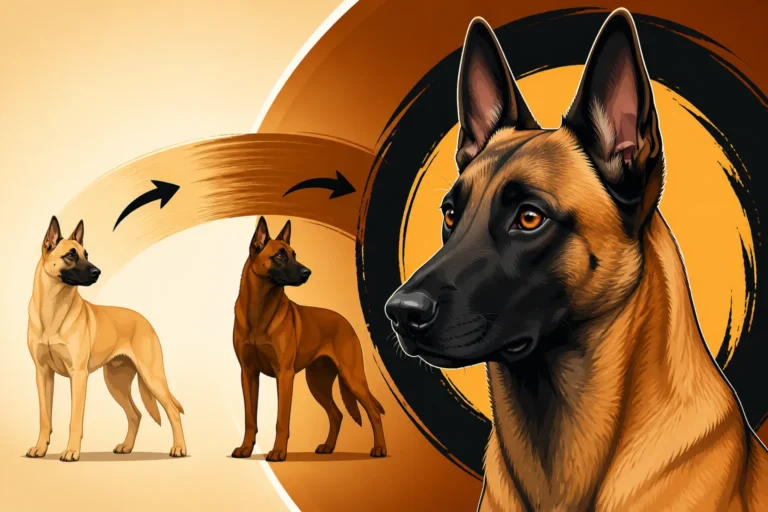
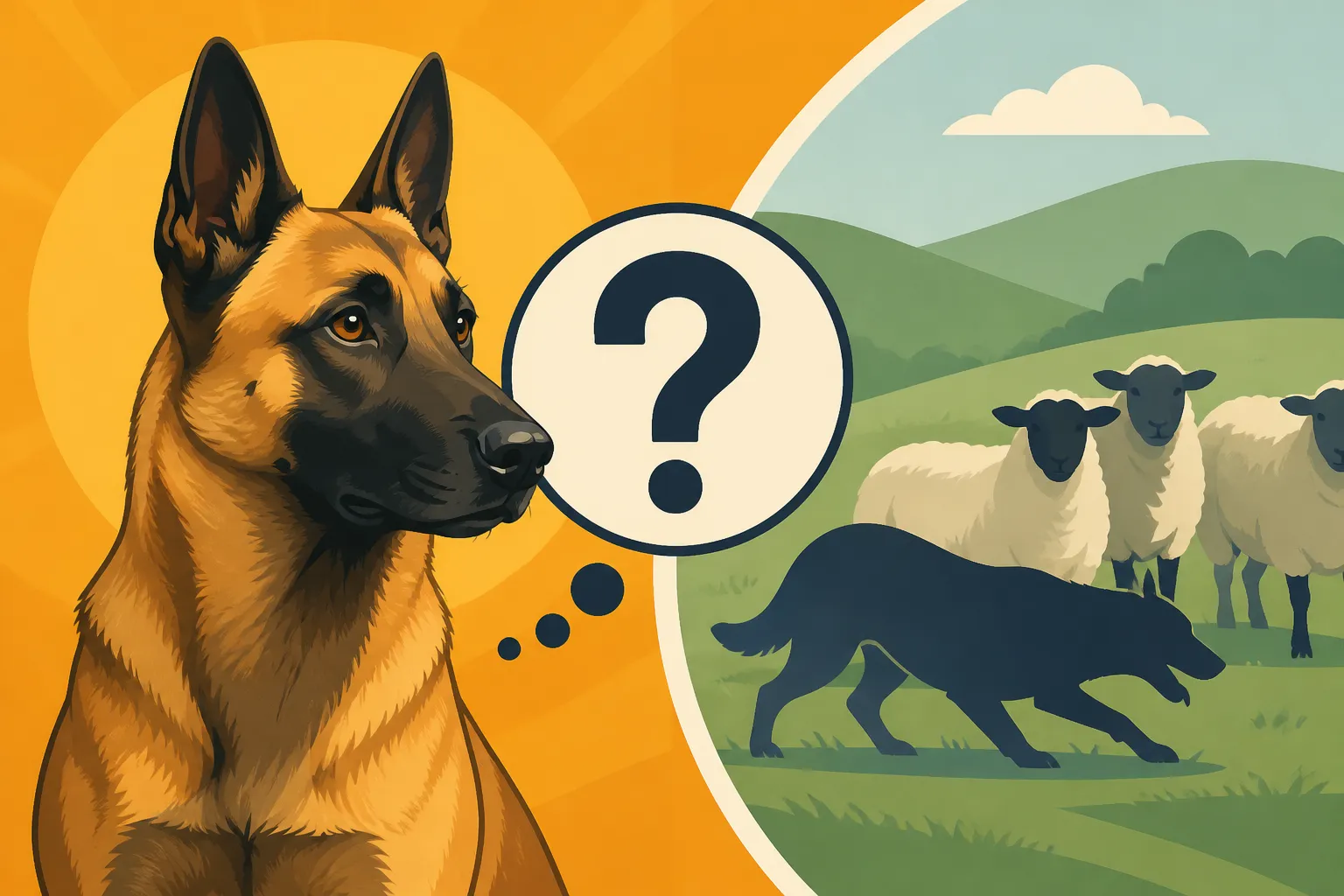
Yes, the Belgian Malinois absolutely began its journey as a sheepdog. In the late 19th century, in Belgium, there was a concerted effort to standardize the native shepherd dogs. These were not specialized protection dogs as we know them today, but rather indispensable, all-around farmhands. They were relied upon not just to move sheep, but to guard livestock, watch the property, and assist with general farm duties. The various Belgian Shepherd Dogs were categorized by their coat type, and the Malinois emerged from this need for a short-coated, highly intelligent, and agile herding dog in the region around Malines (Mechelen).
Think about the life on a Belgian farm back then. It wasn't about competitive bite work or high-speed tracking; it was about practical, daily tasks that required a dog with keen intelligence, immense stamina, and an innate desire to control and protect. These dogs needed to be hardy enough to work in various weather conditions, agile enough to navigate diverse terrain, and smart enough to understand complex commands from their shepherds. The original Malinois excelled at precisely this. They moved flocks, kept predators at bay, and were alert watchdogs for the entire homestead, proving their worth day in and day out. Their short, easy-to-maintain coat was simply a practical advantage for a working dog in the local climate, less prone to burrs and mud than their longer-coated cousins.
The very traits that make the modern Malinois so formidable today—its intense focus, relentless drive, incredible athleticism, and sharp intelligence—were initially honed for the demanding work of herding. A sheepdog needs to be quick to respond, able to think independently when away from the handler, and possess a strong prey drive that can be channeled into gathering and moving livestock without actually harming them. This sophisticated level of control over natural instincts is a hallmark of an effective herding dog, and it was deeply ingrained in the breed from its earliest days. You can learn more about The Herding Job the Belgian Malinois Was Built For by diving into its specific historical role.
Regional Origins and Breed Standardization
The process of formally recognizing and standardizing the Belgian Shepherd Dog varieties, including the Malinois, took place in the late 1800s. The Veterinary School of Cureghem played a pivotal role, with Professor Adolphe Reul leading the charge. In 1891, a meeting of fanciers and shepherds was held, and it was determined that there were indeed distinct types of native shepherd dogs, differing primarily in coat texture and color. The short-coated variety, found predominantly in the Malines region, was recognized as the Malinois.
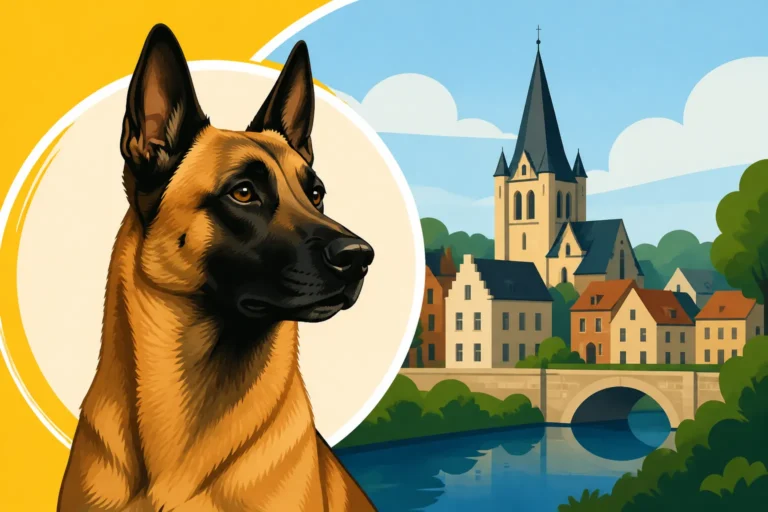
This regional distinction wasn't arbitrary; it reflected the specific needs and preferences of the local farming communities. Dogs were bred for function, and the traits that made a successful herding dog in one area might be slightly different from another. The Malinois quickly gained a reputation for its exceptional working ability, becoming a favored choice for shepherds due to its intelligence, trainability, and tireless work ethic. These early breeders and enthusiasts weren't focused on aesthetics alone; their primary goal was to preserve and enhance the working capabilities of these versatile farm dogs. This drive to maintain working aptitude is still very much alive in many Malinois breeding programs today, influencing everything from temperament to physical structure. Understanding The Belgian Town the Malinois Is Named After helps cement its place in this history.
How the Malinois Evolved Beyond the Pasture
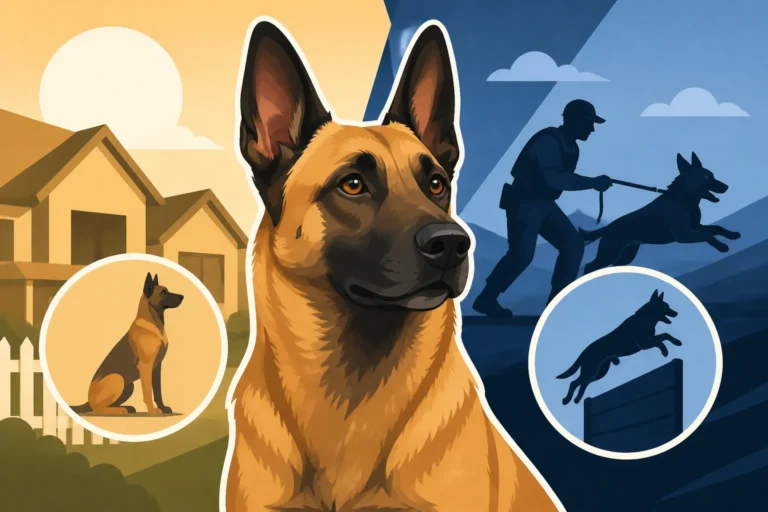
While the Malinois started as a quintessential sheepdog, its inherent qualities were simply too valuable to remain confined to agricultural work. As society changed and the need for traditional herding dogs lessened, new opportunities arose, particularly in military, police, and personal protection roles. The transition wasn't sudden but rather a gradual recognition of the breed's incredible versatility and adaptability. Their innate intelligence, courage, and intense focus made them ideal candidates for tasks that required more than just moving sheep.
By the early 20th century, the Malinois was already being employed by police forces in Belgium and other parts of Europe. Their keen senses, physical prowess, and trainability proved invaluable for tracking criminals, guarding property, and assisting officers in dangerous situations. This shift was largely due to breeders and trainers who saw the potential in these dogs beyond the farm. They started selectively breeding for traits like stronger bite inhibition (for protection work), environmental soundness in urban settings, and an even higher degree of courage and nerve. This evolution marked a significant turning point, moving the breed from a general-purpose farm dog to a highly specialized working companion capable of performing complex and high-stakes tasks.
The World Wars further solidified the Malinois's reputation as a military working dog. They served as messengers, ambulance dogs, and even search and rescue dogs, demonstrating their unwavering loyalty, bravery, and resilience under extreme pressure. This exposure on a global scale brought the breed to the attention of more working dog enthusiasts and organizations, leading to its eventual widespread adoption by militaries and law enforcement agencies around the world. The intense drive that once gathered sheep now focused on detecting explosives, locating suspects, or protecting handlers. It's a fascinating journey that highlights the breed's incredible capacity for adaptation and its enduring utility in diverse roles.
From Herding Trials to Protection Sports
As the breed's role diversified, so did the competitive avenues available to Malinois owners and trainers. While herding trials still exist and some Malinois excel in them, the breed became increasingly prominent in protection sports like IGP (formerly IPO or Schutzhund), Ring Sports (Belgian Ring and Mondioring), and KNPV programs. These sports test a dog's obedience, tracking ability, and protection skills, often mimicking real-world scenarios that police and military dogs encounter.
The skills required for these sports – precise obedience under extreme pressure, controlled aggression, powerful biting, and unwavering focus on a decoy – are a far cry from the subtle art of sheep herding. However, the foundational traits of the Malinois, such as high prey drive, strong territorial instincts, and intense handler focus, provided a perfect starting point. Trainers learned how to channel and refine these natural drives into highly specialized behaviors. For example, the Malinois's natural instinct to "herd" or control movement could be redirected into "driving" a decoy in bite work, maintaining pressure and focus. This demanding training requires specific equipment and high-quality nutrition. Finding durable bite suits, sleeves, and performance dog food is crucial, and retailers like Chewy often carry a wide selection of specialized products to support these high-energy athletes.
This shift meant that breeders began to select for different nuances in temperament and physical structure. While a herding Malinois needs agility and endurance, a protection sport Malinois also needs explosive power, strong nerves, and a solid, confident grip. The breed standard, while still recognizing its herding origins, now also implicitly acknowledges its prowess in these modern working fields. The journey from sheepdog to world-renowned protection dog is a testament to the Malinois's incredible genetic predisposition for intense work and deep partnership with its human handler.
The Herding Instinct in Today's Belgian Malinois
Even with the evolution of the breed's primary roles, the herding instinct remains a powerful, often undeniable, part of the Belgian Malinois's genetic makeup. Many Malinois, even those bred for generations for protection work, will display classic herding behaviors when presented with opportunities. This might manifest as chasing and circling children or other pets, nipping at heels, or attempting to "gather" family members in a yard. It's not aggression; it's an ingrained behavioral pattern designed to control movement.
For owners, understanding this underlying instinct is crucial, especially if they have other animals or young children. Without appropriate outlets or redirection, this instinct can become a source of frustration or even perceived behavioral problems. A Malinois isn't just a dog that needs exercise; it needs a job, and often that job involves channeling its natural drives. For some, this might mean actually engaging in herding trials, which can be an incredibly rewarding experience for both dog and handler. For others, it might mean finding other structured activities that satisfy the desire to chase, control, and work closely with a human partner.
Recognizing these deep-seated instincts helps us appreciate the breed for what it is: a highly intelligent, intensely driven working dog whose historical purpose continues to influence its behavior today. It's a key piece of the puzzle in understanding The Herding Instinct Still in a Belgian Malinois. This is why simply letting a Malinois "run around" in a backyard isn't enough; their minds, and their innate drives, need purposeful engagement.
Modern Manifestations of Herding Behavior
So, what does this look like in a typical home or training environment? You might see your Malinois exhibit a strong "eye" on moving objects or people, indicating a deep focus often associated with herding dogs. They might try to "flank" you or other family members, circling wide to gather them towards a central point. Heel nipping, while often discouraged, is another direct manifestation of a herding dog's attempt to move stubborn livestock. It’s important to remember these aren't necessarily signs of a poorly behaved dog, but rather a dog acting on strong, innate desires.
Even in bite work, elements of herding can be observed. The way a Malinois drives into a decoy, attempts to control their movement, and maintains intense focus can be seen as a refined extension of their ancestral job. Their agility and quick directional changes, which were once used to outmaneuver a stubborn sheep, are now employed to intercept a decoy or navigate an obstacle course. This powerful blend of instinct and training is what makes the Malinois so effective and captivating in its modern roles. However, it's also why a Malinois is considered a challenging breed for the inexperienced owner, as those instincts need careful guidance.
For a family living with a Malinois, understanding these behaviors is the first step in managing them. Providing appropriate outlets, such as structured play with toys, agility, or even advanced obedience, can redirect these drives positively. You'll find many toys and training aids that can help channel this energy in beneficial ways, with online options from places like Chewy making it easy to keep your dog stimulated.
Fulfilling the Drives: Practical Advice for Malinois Owners
For any current or prospective Belgian Malinois owner, understanding the breed's herding origins is foundational to providing a fulfilling life. These aren't dogs content to be couch potatoes. Their historical role as intelligent, active working partners means they need significant physical exercise and, perhaps more importantly, mental stimulation. An "unemployed" Malinois, regardless of its specific lineage, is often a destructive and frustrated Malinois.
The drive to work, to have a purpose, is deeply ingrained. This means daily, structured activities that engage both body and mind. Simple walks around the block won't cut it. Consider activities like obedience training, agility, Channeling a Belgian Malinois's Prey Drive Into a Tug, scent work, or even dabbling in actual herding if you have access to livestock. The key is to provide a consistent "job" that allows them to use their incredible intelligence and boundless energy. This could be anything from advanced obedience routines that demand precision, to puzzle toys that require problem-solving, to dedicated protection training sessions.
A well-exercised and mentally stimulated Malinois is a calmer, happier, and much more manageable companion. Investing in quality training and equipment is not a luxury, but a necessity for this breed. This commitment to their needs is reflected in What a Year With a Working Belgian Malinois Costs, which accounts for these essential elements. Remember, these dogs were bred to be partners in work, and they thrive when given that opportunity, even if their "flock" is now a set of agility cones or a scent article.
Providing Appropriate Outlets for Instincts
So, what are some practical ways to channel that powerful herding and working instinct into something positive for your Malinois?
- Structured Play: Games of fetch, especially with a specific "out" command, can mimic the gathering and releasing aspects of herding. Flirt poles are excellent for satisfying prey drive and practicing controlled chase.
- Obedience and Rally: These sports demand intense focus and teamwork, providing a mental workout that tires a Malinois just as much as physical exertion. A crisp recall, practiced diligently, is essential given their drive to chase. You might be interested in Recall on a Belgian Malinois in Full Drive to help improve this crucial skill.
- Scent Work/Nose Work: This taps into their incredible olfactory senses and provides an immensely satisfying mental challenge. Dogs are rewarded for using their nose to locate specific odors, a job that mimics detection work and can be done by almost any Malinois.
- Agility: Jumping, weaving, and climbing courses require immense coordination, focus, and physical ability. It's a fantastic way to burn off energy and build confidence.
- Tug Games: Highly controlled tug games, with clear rules about when to engage and when to "out," can be a superb outlet for their bite drive and bonding. Make sure you're using durable tugs that can withstand their powerful jaws, which can be found at pet supply stores, including large online retailers like Chewy.
- Actual Herding: If available, even introductory herding lessons can be incredibly fulfilling for a Malinois, allowing them to engage directly with their ancestral purpose. Whether a Belgian Malinois Still Herds provides more insight into this.
The crucial takeaway is that a Belgian Malinois is an ancient breed with a modern job, but its core instincts remain. Acknowledging and appropriately channeling these instincts is the key to a harmonious relationship with these truly remarkable dogs. They are not just pets; they are working companions, and they need to be treated as such. Understanding their history as a sheepdog variety provides valuable insight into the incredible capabilities and complex needs of this amazing breed.
| Original Belgian Shepherd Varieties | Primary Coat Type | Original Purpose | Current Primary Roles | Notable Traits Inherited |
|---|---|---|---|---|
| Groenendael | Long, Black | Herding, Guarding | Companion, Sport | Loyalty, Watchfulness |
| Laekenois | Rough, Fawn | Herding, Guarding | Rare, Sport | Resilience, Playfulness |
| Malinois | Short, Fawn | Herding, Guarding | Police, Military, Sport | Drive, Focus, Athleticism |
| Tervuren | Long, Fawn | Herding, Guarding | Companion, Sport | Intelligence, Elegance |
Disclaimer
This article is for general informational purposes only and does not constitute professional advice. Laws, prices and regulations vary by location and change over time. Consult a qualified professional for guidance on your specific situation.