When the AKC Finally Listed the Malinois
Many Belgian Malinois owners, or those simply admiring these incredible dogs, often wonder about the breed's official journey to recognition in the United States. It can feel like these powerful dogs just suddenly appeared on the scene, fully formed and ready for work, but their path to formal acceptance was a gradual one, marked by specific milestones. This guide will walk you through the history of the Belgian Malinois's recognition by the American Kennel Club (AKC), explaining the timeline and the significance of each step for the breed.
The Early Days: Before AKC Recognition
Before the Belgian Malinois was a household name, particularly in working dog circles, it was part of a broader group of dogs with a shared heritage. Understanding this history is crucial to appreciating its eventual standalone recognition. These dogs didn't just materialize; they evolved through generations of dedicated breeding for specific purposes.
The Belgian Shepherds' Shared History
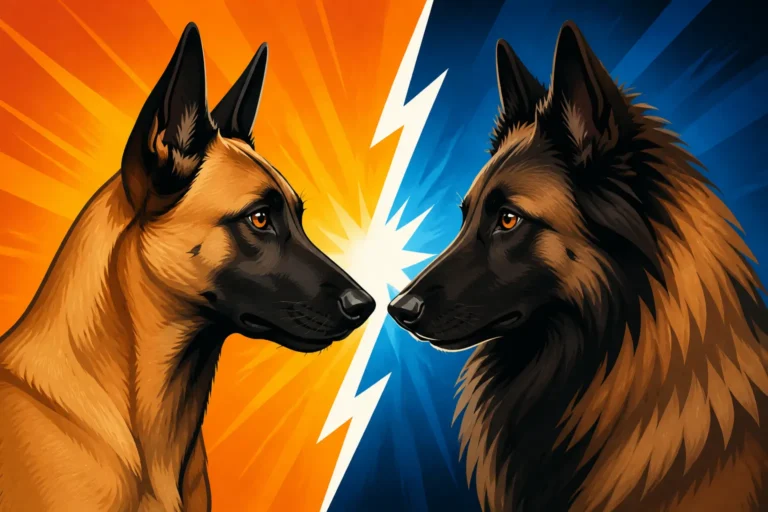
At the heart of the Belgian Malinois's story lies its deep connection to the other Belgian Shepherd varieties: the Groenendael (long black coat), the Tervuren (long fawn/mahogany coat), and the Laekenois (rough coat). Initially, in their native Belgium, these dogs were primarily categorized by their utility as working farm dogs, rather than strict coat type. They were all bred for their intelligence, athleticism, and protective instincts, serving as versatile herders and guardians of livestock and property. The Belgian Town the Malinois Is Named After gives you a peek into their origins. It wasn't until the late 19th century that efforts began in Belgium to standardize these working dogs into distinct varieties based on their physical appearance, particularly coat length and color. This classification was driven by a desire to preserve specific traits and ensure consistency in breeding.
Early Arrivals and Growing Interest
The initial Belgian Shepherds, including what would become the Malinois type, made their way to the United States in the early 1900s. American fanciers and working dog enthusiasts were immediately captivated by their intelligence, intense drive, and formidable work ethic. However, at this point, the AKC (American Kennel Club) largely grouped them all under the umbrella term "Belgian Sheepdog," often without distinct recognition for the individual coat varieties. This meant that a Malinois-type dog might be shown and registered simply as a Belgian Sheepdog, competing alongside its longer-coated cousins. This period was vital for establishing a foundation for the breed in North America, even if its distinct identity wasn't yet fully codified. Breeders were actively working to import quality lines and demonstrate the dogs' capabilities, laying the groundwork for future formal recognition. When the First Malinois Landed in the States dives deeper into these initial arrivals.
The Path to AKC Acceptance
The journey from being a generalized "Belgian Sheepdog" to a fully recognized, distinct breed by the AKC was a multi-stage process for the Malinois. It involved specific classifications and a period of demonstration to prove its unique merits and consistent breed type. This wasn't just a bureaucratic hurdle; it was a testament to the dedication of breeders and owners who championed the breed.
Entering the Miscellaneous Class
A pivotal moment for the Belgian Malinois came in 1959. At this time, the AKC made the significant decision to grant separate breed status to the three main Belgian varieties: the Belgian Malinois, the Belgian Sheepdog (referring to the Groenendael), and the Belgian Tervuren. This meant that these dogs were no longer merely varieties within a single breed but were now considered distinct breeds in their own right. However, for the Malinois specifically, this initial recognition came with a temporary placement in the AKC's Miscellaneous Class. This class serves as a transitional category for breeds that are moving towards full recognition. It allows for the accumulation of performance and exhibition data, giving the AKC an opportunity to observe the breed's population, consistency in type, and participation levels before it's moved into one of the established permanent groups. It was a period of proving themselves, showcasing their characteristics and ensuring breeders adhered to a consistent standard. The 1959 Split That Made the Malinois Its Own Breed explores this decision in detail.
The Journey to the Herding Group
After a period of observation and demonstration in the Miscellaneous Class, the Belgian Malinois finally achieved full and permanent recognition by the AKC. In 1965, the breed was officially moved from the Miscellaneous Class into the Herding Group. This was the moment that truly cemented the Belgian Malinois's place as a distinct and respected breed within the AKC framework. Placement in the Herding Group was a natural fit, reflecting the breed's historical origins and inherent working abilities as a sheepdog. This move allowed Malinois to compete for championship titles in conformation, participate in a full range of AKC events, and gained them greater visibility and prestige. It also meant that breed-specific clubs could fully develop and operate under the AKC's guidelines, promoting responsible breeding and ownership. When the Belgian Malinois Joined the Herding Group offers more insight into this milestone.
Here's a quick look at the Malinois's journey through AKC classifications:
| AKC Classification Stage | Key Dates | Significance for Belgian Malinois |
|---|---|---|
| Early U.S. Arrivals | Early 1900s | Introduction to American fanciers, often grouped as "Belgian Sheepdogs" with other varieties. |
| Separate Breed Recognition | 1959 | The AKC officially recognized the Malinois as a distinct breed, separating it from the Belgian Sheepdog (Groenendael) and Belgian Tervuren. |
| Miscellaneous Class | 1959 – 1965 | A transitional period where the breed demonstrated its consistency, population, and participation before full group entry. |
| Herding Group | 1965 | Full AKC recognition, allowing competition for championship titles and participation in all relevant events. |
What AKC Recognition Meant for the Belgian Malinois
Achieving full AKC recognition was more than just a formality; it had profound implications for the Belgian Malinois in the United States, shaping its popularity, breeding practices, and the resources available to its owners. It brought the breed into a larger spotlight, for better or for worse.
Increased Visibility and Responsibility
With its placement in the Herding Group, the Belgian Malinois gained significantly increased visibility among the general public and within the purebred dog community. This meant more people became aware of the breed, leading to a rise in interest. For dedicated fanciers, this was a moment of pride, as their beloved working dogs finally had a prominent platform. This increased visibility also brought a greater responsibility to preserve the breed's working characteristics and health. The official AKC breed standard provided a clear blueprint for what a Belgian Malinois should embody, guiding breeders in their efforts. Now, information about proper care, training, and sourcing a Malinois became more streamlined. You can find many specialized items for these high-energy dogs, from specific food formulas to durable toys, at retailers like Chewy, which cater to the needs of recognized breeds. This surge in public awareness also contributed to How the Belgian Malinois Took Over Police Work as their reputation for trainability and drive grew.
However, this newfound popularity wasn't without its challenges. As with any breed that gains public attention, there's always the risk of overbreeding by individuals who prioritize profit over health and temperament. This meant that responsible breeders, often members of the national breed club The Parent Club Behind the Belgian Malinois, had to work even harder to educate potential owners about the unique demands of living with a Malinois. Ensuring newcomers understood the breed's intense drive, need for consistent training, and substantial exercise requirements became paramount. Resources for owners, whether through breed clubs or online stores like Chewy, became more organized and accessible, which was a huge benefit.
The Impact on Breeding and Standards
AKC recognition provided a standardized framework for breeding and judging the Belgian Malinois in the U.S. Breeders now had clear guidelines regarding physical conformation, temperament, and health clearances to aim for. This helped to ensure that the breed maintained its distinctive qualities and working aptitude. For serious breeders, it meant adherence to specific health testing protocols for conditions like hip and elbow dysplasia, which became more rigorously monitored. This formal recognition also allowed for the establishment of more robust pedigrees and health databases, making it easier for potential puppy buyers to research lines and make informed decisions. Many breeders now require buyers to sign contracts detailing care expectations and offering lifetime support.
For owners, the AKC's involvement meant a broader array of structured events where their Malinois could compete and demonstrate their abilities, from obedience trials to agility courses and, of course, herding events. This structure reinforced the breed's identity as a highly capable and intelligent working dog. Today, when you look for Malinois-specific products or information, whether it's high-performance dog food or specialized training equipment, platforms like Chewy make it simple to find what you need, reflecting the increased support infrastructure for this recognized breed. However, even with all the positive changes, the fundamental question remains: Whether a Belgian Malinois Belongs in a Pet Home for every potential owner, given their demanding nature.
Disclaimer
This article is for general informational purposes only and does not constitute professional advice. Laws, prices and regulations vary by location and change over time. Consult a qualified professional for guidance on your specific situation.