When the First Malinois Landed in the States
It can feel like the Belgian Malinois burst onto the scene in the United States almost overnight, particularly with their recent rise in popularity in police and military circles. But the truth is, the journey of these incredible dogs to American shores and into our hearts has been a long and fascinating one, full of quiet perseverance and distinct challenges. This guide will take you through the historical timeline, exploring exactly when and how the first Malinois made their way to the States, tracing their path from humble European herders to the highly sought-after working dogs we know today.
The Genesis: Belgian Shepherds in Europe Before America
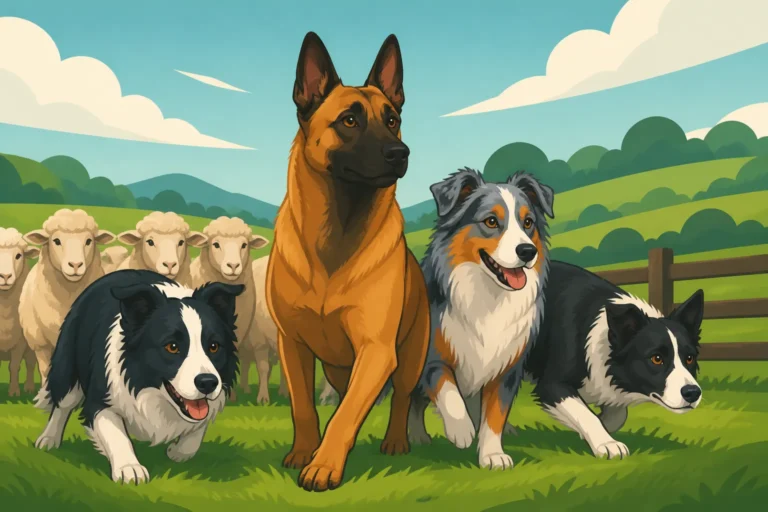
Before we can pinpoint when the Malinois specifically arrived in the States, we have to understand their origins as part of a larger group of dogs in Belgium. For a long time, these dogs weren't distinct breeds as we categorize them today, but rather varieties of a single Belgian Shepherd Dog. Imagine a time when local farmers and shepherds simply bred for working ability, not for a specific coat color or texture. They needed dogs that could work stock, guard property, and be loyal companions in the harsh Belgian countryside.
A Unified Breed with Varied Coats
In the late 19th century, a group of dedicated Belgian fanciers, led by Professor Adolphe Reul of the Cureghem Veterinary School, began to organize and standardize these magnificent dogs. What they found was a diverse population of intelligent, agile, and protective herding dogs, differing primarily in their coat types and colors. It wasn't about separate breeds yet; it was about defining a national type. This crucial period saw the establishment of the first breed club, the Club du Chien de Berger Belge, and the initial classifications based on their physical traits, particularly their coats.
Initially, all four varieties—the Malinois (short coat), the Groenendael (long black coat), the Tervuren (long fawn/red coat), and the Laekenois (rough coat)—were considered simply different versions of the Belgian Shepherd Dog. This foundational understanding is vital because, when these dogs first traveled abroad, they were often grouped under this umbrella term. It wasn't until later that the distinctions became more rigid, leading to the Malinois being recognized as its own distinct entity. Early breeders prioritized temperament and working drive above all else, ensuring that the dogs retained the intense focus and boundless energy that define the breed to this day. You can learn more about The Four Belgian Varieties the Malinois Belongs To.
Early Exports Beyond Belgium
As the reputation of the Belgian Shepherd Dogs grew for their exceptional working capabilities, it wasn't long before they caught the eye of enthusiasts and working dog professionals beyond Belgium's borders. These dogs were intelligent, trainable, and possessed a natural protectiveness that made them valuable not just for herding, but also for police and military roles emerging in the early 20th century. Their versatility and keen senses made them desirable assets in a rapidly changing world.
However, these early exports were often sporadic and without the formal, well-documented importation processes we see today. Dogs might have traveled with immigrants, been brought over by wealthy individuals, or introduced by working dog advocates seeking superior stock. The exact numbers and timelines for these initial journeys are often hazy, relying on anecdotal evidence and sparse records. What is clear is that a foundation was being laid, slowly but surely, for the presence of these dogs across the globe, including North America. The dogs sent out were ambassadors of their type, carrying the genes and temperament that would eventually define the Malinois in other countries.
The First Waves of Belgian Shepherds to America
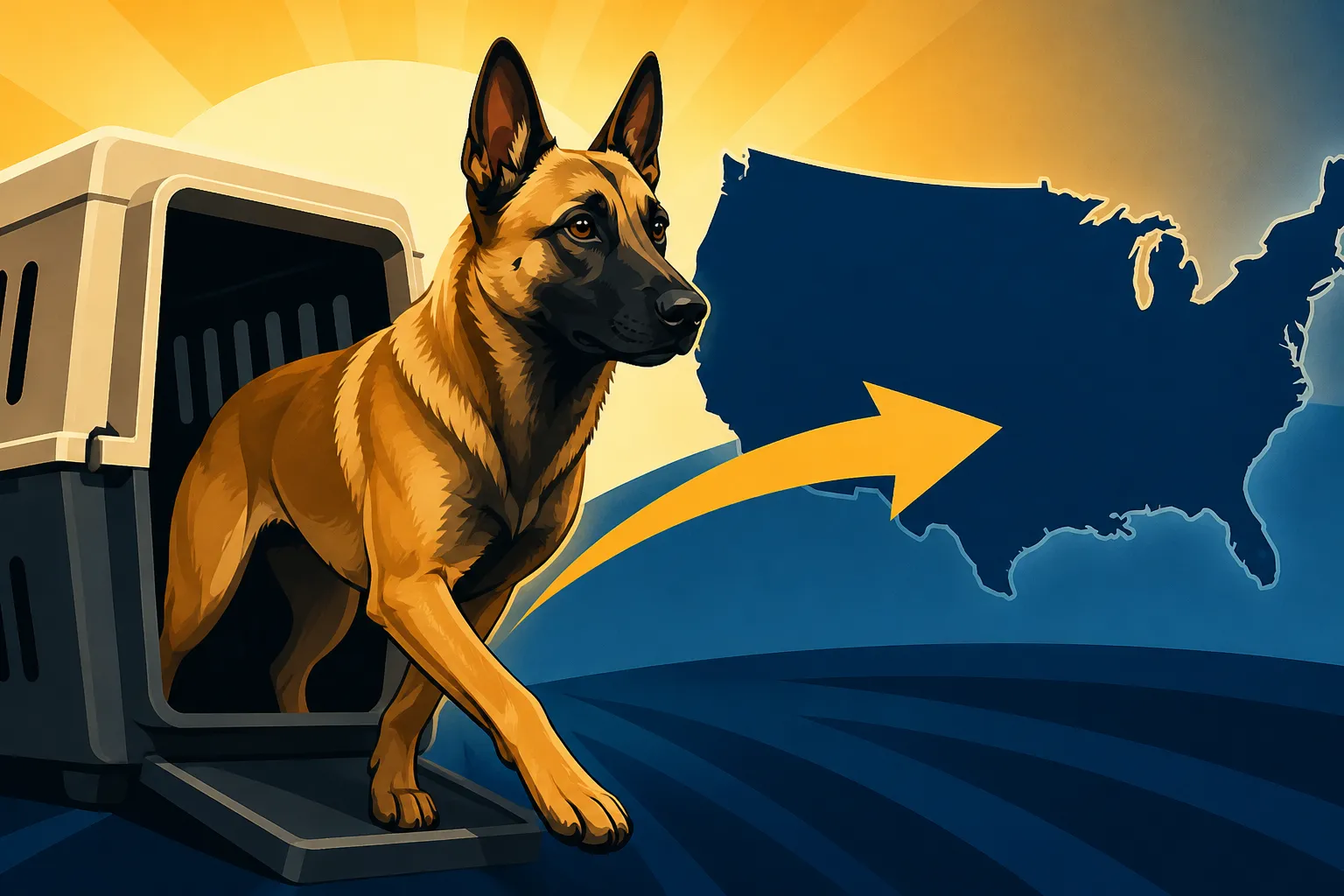
Pinpointing the exact moment a Belgian Malinois—as we define it today—landed in the United States is tricky, largely because of the aforementioned classification issues. The first Belgian Shepherd Dogs, encompassing all varieties, likely arrived in the late 19th or very early 20th century. They weren't stepping off the boat with "Malinois" stamped on their passports, but rather as "Belgian Shepherds."
Immigration and Imports in the Late 19th, Early 20th Century
The late 1800s and early 1900s were a period of significant immigration to the United States. Many people from European countries brought their customs, skills, and sometimes, their working animals with them. It's highly probable that some of these immigrants, particularly those from rural Belgium, brought their adaptable and hardy shepherd dogs along for the journey. These dogs wouldn't have been seen as exotic pets but as valuable working partners, essential for guarding property or perhaps even helping with smaller livestock operations on American farms.
Beyond immigrant families, there were also early enthusiasts of European working breeds who actively sought out these dogs. They recognized the intelligence and drive inherent in the Belgian Shepherds, seeing their potential for various roles in the burgeoning American working dog scene. These individuals might have imported specific dogs directly from Belgium, driven by a desire to establish quality bloodlines or introduce these capable canines to American dog sports or utility work. However, records from this era are often incomplete or simply didn't differentiate between the different Belgian Shepherd coat types, making it challenging to say definitively, "This was the first Malinois." It was more of a gradual infiltration of the general Belgian Shepherd type.
Initial American Kennel Club Involvement
The American Kennel Club (AKC) played a significant role in formalizing breed recognition in the United States. The Belgian Shepherd Dog was first recognized by the AKC in 1911. However, this recognition encompassed all the Belgian varieties under one breed standard. This meant that Malinois, Groenendaels, and Tervurens were all shown and registered simply as "Belgian Sheepdogs" (the term commonly used in the US for the Groenendael). Imagine the confusion this created for enthusiasts trying to differentiate and develop specific types!
This initial, broad recognition made it difficult for Malinois proponents to establish their distinct identity within the American dog world. Breeders who were passionate about the short-coated Malinois type had to work within a framework that didn't fully acknowledge their dog's unique characteristics. It was a time of advocacy and education, where dedicated individuals had to champion their specific variety to gain broader acceptance and eventually, separate recognition. This period highlights the administrative hurdles these dogs faced even after arriving on American soil. You can read more about When the Belgian Malinois Joined the Herding Group and Why the Belgian Malinois Went Into the Miscellaneous Class.
The Evolution of Malinois Recognition in the US
The path to the Malinois being recognized as a distinct breed in the United States was not straightforward. It involved splits, mergers, and passionate debates among breeders and kennel clubs, reflecting the complexities of breed standards and the differing philosophies of dog enthusiasts on both sides of the Atlantic.
The Great American Split and Re-Recognition
The journey of the Malinois through the AKC was quite convoluted. After the initial broad recognition as "Belgian Sheepdogs," the breed (all varieties grouped together) saw a period of fluctuating popularity. However, by the 1930s, the AKC decided to split the Belgian Shepherd Dog into three distinct breeds for registration purposes: the Belgian Sheepdog (Groenendael), the Belgian Malinois, and the Belgian Tervuren. This was a significant step, finally giving the Malinois its own designation, even if it didn't last in that form initially.
However, this separation was short-lived. Following World War II, a decline in overall Belgian Shepherd Dog populations and a push for simplification led the AKC to re-merge all three varieties back into a single "Belgian Sheepdog" breed in 1959. This decision, while perhaps pragmatic at the time, was a source of frustration for those who had worked tirelessly to promote the distinct characteristics and working abilities of the Malinois. It meant that for a period, what we now call a Malinois was once again being registered under a generic umbrella, obscuring its unique identity for potential owners and working organizations. This period of re-merger and the subsequent push for re-separation is a key part of The 1959 Split That Made the Malinois Its Own Breed.
The Road to Permanent Recognition
The re-merger wasn't the end of the story, but rather a catalyst for further advocacy. Dedicated Malinois enthusiasts, understanding the unique traits and needs of their short-coated dogs, continued to champion their cause. They argued that the Malinois's distinct appearance and slightly different working style warranted separate breed status. They were not merely a coat variation; they were a breed with their own history and future.
Their tireless efforts paid off. In 1965, the AKC once again granted separate breed status to the Belgian Malinois. This time, it stuck. This was a monumental victory, providing the Malinois with its own breed standard, its own place in the Herding Group, and a clearer path for breeders to preserve and promote its specific qualities. This permanent separation allowed for focused breeding programs aimed at maintaining the Malinois's exceptional working drive, temperament, and health, rather than having them diluted within a larger, more diverse gene pool. The establishment of dedicated breed clubs, like the American Belgian Malinois Club, was crucial during this time to define and protect the breed's future. These clubs became The Parent Club Behind the Belgian Malinois and worked to ensure the breed's integrity.
World Wars and the Malinois's American Trajectory
Major global events profoundly shaped the presence and purpose of the Belgian Malinois in the United States. The World Wars, in particular, highlighted their incredible utility and fortitude, further cementing their reputation as premier working dogs.
Impact of WWI and WWII on European Dog Breeds
The two World Wars had a devastating impact on dog breeding programs across Europe, including Belgium. Many kennels were destroyed, breeding stock was lost, and the focus shifted from recreational breeding to survival and utility. Dogs were pressed into service as messengers, sentinels, and medical dogs, often risking their lives on the front lines. The Malinois, with its intelligence, trainability, and resilience, proved invaluable in these roles.
However, the wars also severely disrupted international travel and trade, making the importation of new dogs from Belgium extremely difficult, if not impossible. This meant that the small population of Belgian Shepherds already present in the United States largely had to rely on its own genetic resources. Breeders in the US had to be resourceful, carefully managing existing lines to ensure the continuation of the breed while preserving its working qualities. This period was a true test of the breed's resilience, both in Europe and in America. Many people have questions about Whether Belgian Malinois Served in Both World Wars.
Post-War Resurgence and Working Roles in the US
After the wars, especially World War II, there was a renewed interest in working dog breeds in the United States. Military and police forces, having witnessed the effectiveness of dogs in conflict, began to formalize their K9 programs. The Malinois, with its compact size, intense drive, and formidable bite work capabilities, quickly became a favored choice. They were agile, fast, and highly responsive to training, excelling in protection, tracking, and detection tasks.
This post-war period marked a significant shift in the Malinois's perception in America. No longer just an obscure herding dog, it was increasingly recognized as a top-tier police and military canine. Veteran handlers who had worked with these dogs overseas often returned advocating for their use, bringing back knowledge and sometimes even directly importing new bloodlines. This direct exposure to their unmatched capabilities in critical roles was a powerful endorsement, setting the stage for their future dominance in professional working dog circles. The rise in demand for their specific skill set was a major factor in How the Belgian Malinois Took Over Police Work.
From Obscurity to Prominence: The Modern American Malinois
The trajectory of the Belgian Malinois in the US has been a remarkable journey from relative obscurity to a breed widely recognized for its unparalleled working abilities. This shift is deeply intertwined with changing societal needs, media representation, and the dedicated efforts of working dog enthusiasts.
Increased Demand for Working Dogs
In the latter half of the 20th century and into the 21st, the need for specialized working dogs escalated dramatically. Police departments required K9s for patrol, narcotics detection, and apprehension. Military units sought dogs for explosives detection, tracking, and combat support. The Malinois consistently proved to be an outstanding candidate for these demanding roles. Their exceptional prey drive, intense focus, intelligence, and physical prowess made them superior to many other breeds in high-stakes environments.
This increasing demand fueled a surge in breeding programs focused specifically on producing working lines. Trainers and handlers sought out Malinois from proven European bloodlines known for their genetics in police and sport work, leading to more direct and intentional imports. The rigorous standards of organizations like the KNPV (Royal Dutch Police Dog Association) and various sport dog venues ensured that dogs brought into American programs were of the highest caliber, capable of performing under extreme pressure. While these dogs are not for everyone, their impact in these fields is undeniable.
The Role of Media and Public Perception
While the Malinois earned its stripes quietly in professional working circles for decades, its public profile exploded in the early 21st century. High-profile incidents, such as the SEAL Team Six raid on Osama bin Laden's compound, which featured a Malinois named Cairo, brought the breed into the mainstream spotlight. Suddenly, everyone wanted to know about "that dog" that was so instrumental in critical operations. This widespread media attention, while bringing fame, also had a double-edged effect. Cairo and What One Raid Did to the Malinois became a household name, showcasing the breed's extraordinary courage and capabilities.
However, this newfound fame also led to a significant increase in demand from individuals who were not fully prepared for the intense energy, intelligence, and drive of a working Malinois. The image of a fearless, highly trained military dog can be captivating, but the reality of living with and properly fulfilling such a dog is vastly different from owning a typical pet breed. This disparity between public perception and breed reality has unfortunately led to many Malinois ending up in shelters or rescue organizations when owners realize they are simply overwhelmed. This raises important questions about Whether Popularity Has Hurt the Belgian Malinois and about The Reputation a Belgian Malinois Carries in Public.
The Malinois has truly arrived in the United States, no longer an obscure European import but a prominent figure in both professional K9 work and increasingly, in the public eye. Their journey from a unified Belgian Shepherd type to a distinctly recognized and highly specialized breed is a testament to their enduring qualities and the dedication of the people who have championed them every step of the way. Today, resources for Malinois owners are abundant, unlike the early days. Whether you need specialized training equipment or high-quality performance food, a quick search online through retailers like Chewy makes finding what you need incredibly easy.
The Modern American Malinois: A Look at Their Place Today
Today, the Belgian Malinois holds a significant and undeniable place in American dog culture, though it's still predominantly celebrated for its working prowess rather than as a common family pet. Their journey from being grouped with other Belgian Shepherds to achieving individual recognition has culminated in a breed that is respected, admired, and occasionally misunderstood.
Beyond Working Lines: Malinois in Sport and Show
While the image of a police or military Malinois often comes to mind, the breed's presence in the United States extends far beyond these professional roles. Malinois are highly successful in a multitude of dog sports, including Schutzhund/IGP, French Ring, Mondioring, agility, obedience, and even competitive dock diving. These sports provide an outlet for their incredible athleticism and sharp minds, allowing owners to channel their dog's natural drives into structured, productive activities.
In the show ring, the Malinois is judged against a specific breed standard that emphasizes its athletic build, intelligent expression, and distinctive fawn-to-mahogany coat with a black mask. While show lines often prioritize conformation and temperament suitable for the ring, dedicated breeders strive to maintain the working aptitude that is the hallmark of the breed. It's a fine balance, ensuring that beauty does not overshadow brains and brawn. Many enthusiasts participate in both conformation and performance events, showcasing the breed's versatility. Finding the right gear for these diverse activities, from durable tugs to specialized harnesses, is readily available through vendors like Chewy.
Challenges of Ownership and Future Outlook
Despite their impressive capabilities, owning a Belgian Malinois is not for the faint of heart, and this reality is increasingly understood by the American public. Their intense need for physical exercise and mental stimulation, coupled with their powerful drive, means they require an experienced and committed owner. An unemployed or under-stimulated Malinois can quickly become destructive, anxious, or develop behavioral problems, which is why they are often cited as one of the breeds most commonly misunderstood and rehomed by unprepared owners.
The future of the Malinois in the United States will likely continue to evolve with a clearer distinction between high-drive working lines and those bred for active companion homes or sport. Education remains key, ensuring that prospective owners truly understand the commitment involved before bringing one of these magnificent dogs into their lives. Responsible breeders and rescue organizations play a crucial role in screening potential owners and providing ongoing support, helping to ensure that these intelligent and driven dogs find suitable homes where their unique needs can be met. From specialized dietary needs to tough toys and durable crates, modern Malinois owners rely on platforms like Chewy for their everyday care essentials, underscoring the shift in accessibility and options over the past century.
| Historical Period | Belgian Shepherd Status in US | Key Events / Characteristics |
|---|---|---|
| Late 19th/Early 20th C. | Introduced as "Belgian Shepherds" | First dogs arrive with immigrants and early enthusiasts. No distinct Malinois recognition. Focus on working utility. |
| 1911 | AKC Recognition (all varieties) | American Kennel Club officially recognizes "Belgian Sheepdogs" as a single breed encompassing all four varieties. |
| 1930s | Temporary Separate Recognition | AKC temporarily splits "Belgian Sheepdog" into three distinct breeds: Belgian Sheepdog (Groenendael), Belgian Malinois, and Belgian Tervuren. |
| 1940s-1950s | Wartime Impact & Re-merger | World Wars disrupt European breeding and US imports. AKC re-merges all varieties into "Belgian Sheepdog" (1959) due to declining numbers and simplification efforts. |
| 1965 | Permanent Separate Recognition | Dedicated advocates succeed; AKC officially and permanently grants separate breed status to the Belgian Malinois. Breed standard established. |
| Late 20th C. – Present | Rise to Prominence | Increased demand for K9s. Malinois excel in police/military work. Media attention boosts public profile, leading to both admiration and challenges for unprepared pet owners. |
Disclaimer
This article is for general informational purposes only and does not constitute professional advice. Laws, prices and regulations vary by location and change over time. Consult a qualified professional for guidance on your specific situation.