The Parent Club Behind the Belgian Malinois
It's incredibly common for people new to the world of purebred dogs, especially a high-drive breed like the Belgian Malinois, to feel a bit lost when trying to understand all the different organizations and what they actually do. You hear terms like "parent club" or "breed standard," and it can all sound like a secret society, making it tough to figure out where to find reliable information or reputable breeders. This guide is here to demystify the role of the parent club for the Belgian Malinois, showing you how these dedicated groups are vital for the breed's health, preservation, and future, and how you, as an owner or prospective owner, can benefit from their expertise and resources.
What Exactly Is a Breed's Parent Club?
When you delve into the world of purebred dogs, you quickly encounter a structured landscape of organizations, each playing a specific role. At the heart of each individual breed's preservation and promotion is its "parent club." This isn't just some casual fan club; it's the officially recognized national organization that acts as the guardian of a specific breed. Think of it as the constitutional body for a single breed, dedicated to maintaining its integrity, promoting its health, and preserving its unique characteristics.
Defining Their Core Purpose
The core purpose of a parent club is multi-faceted. First and foremost, they are responsible for upholding the official breed standard, which is the detailed description of what the ideal specimen of that breed should look like, how it should move, and what its temperament should be. This standard is not just for show judges; it’s a living document that guides breeders in their efforts to produce dogs that embody the breed's essence. They also work to educate the public about the breed, ensuring that potential owners understand the unique demands and characteristics of a Malinois before bringing one home. Beyond that, they often spearhead health initiatives, fund research into breed-specific diseases, and promote ethical breeding practices to ensure the long-term well-being of the breed.
The Relationship with Larger Kennel Clubs
These parent clubs don't operate in a vacuum. They are typically affiliated with a larger, overarching national kennel club, such as the American Kennel Club (AKC) in the United States. The larger kennel club provides the framework for dog registration, events, and championships, while the parent club provides the specific expertise and oversight for their particular breed. It's a symbiotic relationship: the national kennel club recognizes the parent club as the authority on the breed, and the parent club, in turn, helps shape the policies and guidelines for their breed within the larger organization. This means that while the AKC sets general rules for dog shows, it's the American Belgian Malinois Club (ABMC) that defines the specific nuances of how a Malinois should be judged, from its powerful gait to its alert expression.
Why a Parent Club Matters to Future Owners
For anyone considering bringing a Belgian Malinois into their lives, understanding and engaging with the parent club is paramount. This breed is not for the faint of heart, demanding immense dedication, training, and a deep understanding of its intense drive and intelligence. The parent club serves as a beacon of knowledge, offering invaluable resources that can help you determine if a Malinois is truly the right fit. They provide access to information about responsible breeders, health testing recommendations, and educational materials that cover everything from puppy development to advanced training techniques. Ignoring this resource would be like buying a specialized piece of machinery without reading the manufacturer's manual – you're setting yourself up for potential frustration and unforeseen challenges.
The American Belgian Malinois Club (ABMC): History and Mission
In the United States, the primary guardian of the Belgian Malinois breed is the American Belgian Malinois Club, affectionately known as the ABMC. This organization has played a crucial role in establishing the breed within the American purebred dog scene and ensuring its continued legacy as a formidable working dog. Their history reflects the journey of the Malinois from a lesser-known European herding dog to a highly respected and sought-after partner in various working disciplines across North America.
Tracing Their Roots
The Belgian Malinois, along with its three Belgian Shepherd cousins (Groenendael, Tervuren, and Laekenois), originated in Belgium in the late 19th century. Early in their history, they were considered varieties of a single breed. However, in 1959, a significant split occurred that officially recognized the Malinois as its own distinct breed, largely due to its specific coat type and growing recognition for its working abilities. The 1959 Split That Made the Malinois Its Own Breed was a pivotal moment. The ABMC itself was formed with the express purpose of promoting the purebred Belgian Malinois, preserving its inherent working abilities, and encouraging ethical breeding and ownership. For decades, they have been the voice advocating for the breed's specific needs and characteristics within the broader dog community.
Upholding the Malinois Standard
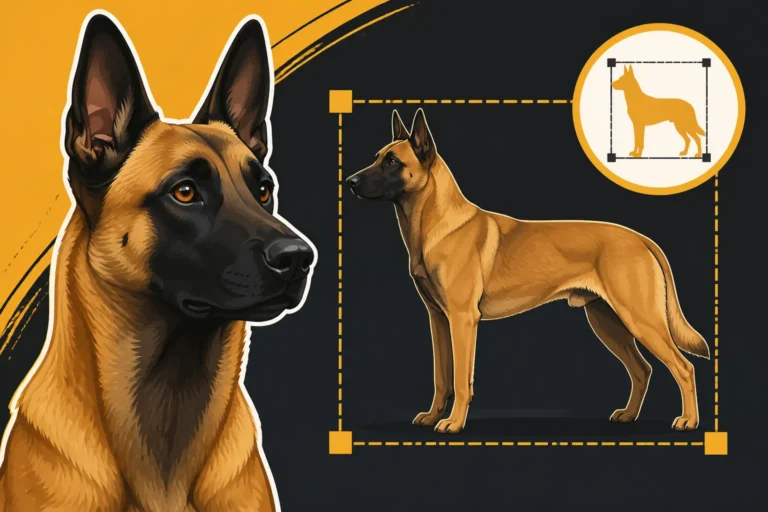
The cornerstone of the ABMC's mission is to uphold the integrity of the Belgian Malinois breed standard. This standard is a comprehensive document that meticulously describes the physical attributes, movement, and temperament that define a true Malinois. It details everything from the correct ear set and eye color to the powerful, effortless gait and the distinctive fawn coat with a black mask. The Height Limits a Belgian Malinois Is Judged Against are also strictly defined within this standard, ensuring that dogs conform to the athletic build necessary for their demanding work. By adhering to and promoting this standard, the ABMC helps ensure that breeders are working towards a consistent ideal, preserving the breed's functional conformation and characteristic appearance.
Promoting the Working Dog Ethos
Unlike many breeds where the show ring often overshadows working utility, the ABMC places a strong emphasis on the Malinois's heritage as a working dog. They actively encourage participation in a wide range of performance events, including obedience, agility, tracking, herding, and especially protection sports like IGP (formerly IPO) and Mondioring. This commitment to the "working dog ethos" is fundamental to the breed's identity. They understand that the intense drive, intelligence, and athleticism that make a Malinois excel in these fields are precisely what define the breed and differentiate it from others. Therefore, much of their outreach and support is geared towards helping owners channel that tremendous energy and talent into productive and fulfilling activities for their dogs. After all, an unemployed Malinois can quickly become a destructive one. The Structure a Belgian Malinois Needs Every Day for mental and physical stimulation is something the ABMC deeply understands and advocates for.
How Parent Clubs Shape the Breed Standard
The breed standard isn't just a dusty old document; it's a living guide that influences every aspect of the Belgian Malinois breed, from how a puppy is selected by a breeder to how an adult dog performs in competition. The parent club, through its dedicated committees and members, is responsible for interpreting, promoting, and sometimes even proposing updates to this standard, ensuring it remains relevant while preserving the breed's core identity.
The Blueprint of the Ideal Malinois
Imagine trying to build a complex machine without blueprints – it would be chaos. The breed standard serves as that essential blueprint for the ideal Malinois. It covers details like head shape, muzzle length, ear placement, coat texture, and even the carriage of the tail. For instance, the standard calls for a strong, lean, and athletic body, reflective of a dog built for speed and endurance, not bulk. The correct angulation of the limbs is crucial for the efficient movement required in demanding tasks. This meticulous attention to detail ensures that the physical characteristics necessary for a Malinois to perform its historical herding duties and modern-day protection work are maintained. Without the parent club diligently guarding this blueprint, breeders might drift, leading to a loss of uniformity and functional integrity within the breed over generations.
Temperament and Character Guidelines
Perhaps even more important than physical appearance, especially for a breed like the Malinois, are the temperament and character guidelines outlined in the standard. A Malinois isn't just a look; it's a dynamic personality. The standard describes a dog that is attentive, intelligent, alert, active, and highly protective. It emphasizes qualities like confidence, courage, and a strong desire to work. This isn't just fluffy language; these traits are foundational to the Malinois's success in roles ranging from police and military K9s to search and rescue dogs. The parent club understands that a Malinois lacking these inherent qualities is not a true representation of the breed. They advocate for breeding decisions that prioritize these mental attributes, recognizing that a sound mind is just as, if not more, important than a sound body. This is why when you are looking for a puppy, discussions around the temperament of the sire and dam are so crucial.
Influencing Judging and Breeding Decisions
The parent club directly influences how the breed is judged in the show ring and, perhaps more significantly, how breeders make their choices. Show judges rely on the breed standard, as interpreted and taught by the parent club, to evaluate dogs. A judge attending a specialty show sanctioned by the ABMC will be looking for a dog that exemplifies the standard in every way. Similarly, reputable breeders use the standard as their compass. When they evaluate potential breeding pairs, they are not just looking for pretty dogs; they are assessing how closely each dog conforms to the standard's ideals for conformation, health, and temperament. What a Titled Belgian Malinois Adds to a Breeding Program is a testament to this, as titles often signify a dog's adherence to the standard and its proven working ability. This guidance from the parent club helps prevent trends that might compromise the breed's health or working ability, ensuring that breeding focuses on preserving the whole dog rather than just chasing fads.
Beyond the Show Ring: Health and Responsible Breeding
While breed standards often conjure images of show dogs, the work of a parent club extends far beyond the competitive arena. For a high-performance breed like the Belgian Malinois, ensuring robust health and promoting responsible breeding practices are absolutely critical to the breed's future. The parent club acts as a central hub for vital health information, helping to safeguard the well-being of these incredible dogs.
Promoting Health Clearances and Genetic Testing
One of the most vital roles of a parent club is to advocate for comprehensive health testing. They establish recommended health clearances that reputable breeders should perform on their breeding dogs before they ever consider producing a litter. For the Malinois, this typically includes screenings for hip and elbow dysplasia, which are common orthopedic issues in many active large breeds. The Hip and Elbow Numbers Behind a Malinois Clearance are crucial details that breeders report to public databases. Beyond structural health, parent clubs also track and encourage testing for genetic conditions that can affect the breed. For instance, the Malinois is known to carry genes for certain neurological conditions like Spongy Degeneration with Cerebellar Ataxia (SDCA). The ABMC actively encourages breeders to test for these conditions, helping to reduce their prevalence in future generations. Asking a Breeder for Malinois Ataxia Results is a question that the parent club encourages prospective buyers to ask to ensure they are getting a puppy from health-conscious lines.
Setting Ethical Breeding Guidelines
The parent club isn't just about what dogs look like or how healthy they are individually; it's also about how breeding is conducted. They set forth ethical breeding guidelines that promote the well-being of the dogs, the integrity of the breed, and the responsibility of the breeder. These guidelines often cover aspects such as minimum breeding age, frequency of litters, proper care of pregnant dams and puppies, and responsible placement of puppies into suitable homes. They also emphasize transparency, encouraging breeders to share health clearances, pedigrees, and information about the temperament of their breeding stock. This commitment to ethics helps differentiate responsible breeders who are dedicated to the breed's future from those who might prioritize profit over health and temperament.
Research and Health Initiatives
Parent clubs often play a direct role in funding and supporting research into breed-specific health concerns. When a new health issue emerges or a genetic condition is identified within the breed, the parent club is often at the forefront, collaborating with veterinary researchers, universities, and genetic testing laboratories. They might raise funds for studies, organize health clinics, or help collect samples from affected dogs to advance scientific understanding. For instance, if a rare form of cancer or a neurological condition like The Seizure Disorder Running in Malinois Lines were to become more prevalent, the ABMC would likely be instrumental in mobilizing resources to investigate and address the issue. This proactive approach to health means that the Malinois breed benefits from ongoing efforts to identify, understand, and mitigate potential health challenges. When searching for dog supplies or specialized diets for dogs with particular health needs, reputable online retailers like Chewy often carry a wide range of products that align with such health initiatives.
Community, Education, and Support for Malinois Owners
Owning a Belgian Malinois is a unique experience, full of incredible highs and, let's be honest, some formidable challenges. It’s not a dog for everyone, and having a robust support system can make all the difference. This is where the parent club truly shines, moving beyond the technical aspects of breed preservation to create a community, offer education, and provide invaluable support for Malinois enthusiasts at every stage of their journey.
Fostering a Network of Enthusiasts
The ABMC acts as a central hub for Belgian Malinois owners, breeders, and enthusiasts across the country. Through national specialties, regional club events, online forums, and publications, they create opportunities for people who share a passion for this incredible breed to connect, share experiences, and learn from one another. This network is invaluable, especially for new owners who might feel overwhelmed by their Malinois's energy and intelligence. Imagine being able to chat with someone who successfully managed A Malinois Puppy That Bites Everything Including You, or someone who found effective ways to channel their Malinois's intense drive. This shared camaraderie and collective wisdom are priceless, helping owners navigate the sometimes-demanding realities of life with a Malinois.
Educational Resources and Events
Education is a cornerstone of the parent club's mission. They understand that responsible ownership is key to the breed's success and reputation. The ABMC provides a wealth of educational materials, from articles on training and behavior to advice on nutrition and health care. They often host seminars, workshops, and training days focused on specific aspects of Malinois ownership, such as bite work fundamentals, advanced obedience, or proper conditioning for sport. These events not only provide hands-on learning opportunities but also connect owners with experienced trainers and mentors. For example, understanding The Kind of Owner a Belgian Malinois Requires is a crucial first step, and the club's resources help potential owners realistically assess their capabilities and commitment. They might even offer guidance on choosing the right crate or chew toys that can stand up to a Malinois, often highlighting products found at pet supply retailers like Chewy.
Supporting Malinois in Need (Rescue)
Despite best efforts, not every Malinois lands in a suitable forever home. The intense demands of the breed mean that some owners, unprepared for the commitment, may find themselves unable to cope. In these situations, the parent club often works closely with, or directly supports, dedicated Belgian Malinois rescue organizations. These rescues are typically run by passionate volunteers who understand the breed's unique needs and are committed to rehabilitating and rehoming Malinois who have been abandoned, surrendered, or found themselves in difficult circumstances. The parent club's support, whether financial, through public awareness, or by providing a network of experienced foster homes, is crucial for these efforts. This demonstrates their commitment not just to the ideal Malinois, but to every individual dog within the breed, ensuring that even those who have had a rough start get a second chance at a fulfilling life.
Navigating the Parent Club's Resources as an Owner
For both current and prospective Belgian Malinois owners, the parent club's website and community are treasure troves of information and support. Knowing how to effectively use these resources can be the difference between a frustrating experience and a deeply rewarding partnership with your Malinois. It’s about being proactive and seeking out the best possible guidance.
Finding Reputable Breeders Through the Club
One of the most valuable resources a parent club offers is its breeder directory or referral service. When you're looking for a Belgian Malinois puppy, it's absolutely vital to choose a reputable breeder who prioritizes health, temperament, and adherence to the breed standard. The ABMC typically has strict criteria for breeders listed in their directory, often requiring health clearances, participation in dog sports or conformation, and adherence to ethical breeding practices. Using their list is a fantastic starting point for finding breeders who are truly dedicated to the welfare of their dogs and the future of the breed. This helps you avoid unethical backyard breeders or puppy mills who might not perform necessary health checks or breed for sound temperaments. When you're talking to these breeders, they will be able to provide details on things like Reading a Belgian Malinois Pedigree Before Paying, giving you insight into the lineage and accomplishments of the parent dogs.
Accessing Educational Materials
The parent club's website is usually packed with articles, guides, and links to educational content covering every aspect of Belgian Malinois care and training. You might find detailed explanations of the breed standard, advice on puppy raising, insights into specific training techniques, and information on common health issues. If you're wondering about Whether a Malinois Puppy Arrives With Ataxia Results, for instance, the parent club will likely have information on genetic testing and what to expect from a responsible breeder. They often publish newsletters or magazines that delve deeper into breed-specific topics, offering expert advice and sharing member experiences. Many of these resources are available freely online, providing foundational knowledge that can greatly enhance your understanding of the breed's unique needs and how to meet them.
Engaging with the Malinois Community
Beyond passive consumption of information, the parent club encourages active engagement with its community. Joining the club, attending local or national events, and participating in online forums can open doors to invaluable mentorship and friendships. This is where you can ask specific questions, get recommendations for local trainers, or find training partners for various dog sports. The collective experience of a dedicated Malinois community is an incredible asset. You might connect with someone who can advise you on the best high-energy dog foods, perhaps found on platforms like Chewy, to fuel your active Malinois, or share tips on managing their intense prey drive. This sense of belonging and shared purpose helps ensure that you and your Malinois are never truly alone on your journey, providing a constant source of support and information.
Disclaimer
This article is for general informational purposes only and does not constitute professional advice. Laws, prices and regulations vary by location and change over time. Consult a qualified professional for guidance on your specific situation.