What Malines and Mechelen Have to Do With the Malinois
It can be incredibly confusing when you hear a breed name that sounds like a place, and then you hear another name that seems to be for the same place, leaving you scratching your head about what's what. Many Belgian Malinois enthusiasts have pondered the connection between the breed and the cities of Malines and Mechelen, wondering if they're different places, the same place, or if the dog just picked up its name casually. Let's clear up that common confusion and dive deep into the fascinating history behind how our beloved Malinois got its distinctive name.
The Heart of Belgium: Tracing the Malinois Name Back to Its Roots
The world of dog breeds, especially those with deep historical roots, often intertwines with geography. Many breeds carry the name of their place of origin, a testament to the region that fostered their development and shaped their characteristics. For the Belgian Malinois, this connection is not just a casual nod but a fundamental part of its identity, rooted firmly in the heart of Belgium. Understanding this geographical link is key to appreciating the breed's heritage.
The City of Malines and Mechelen: A Linguistic Connection
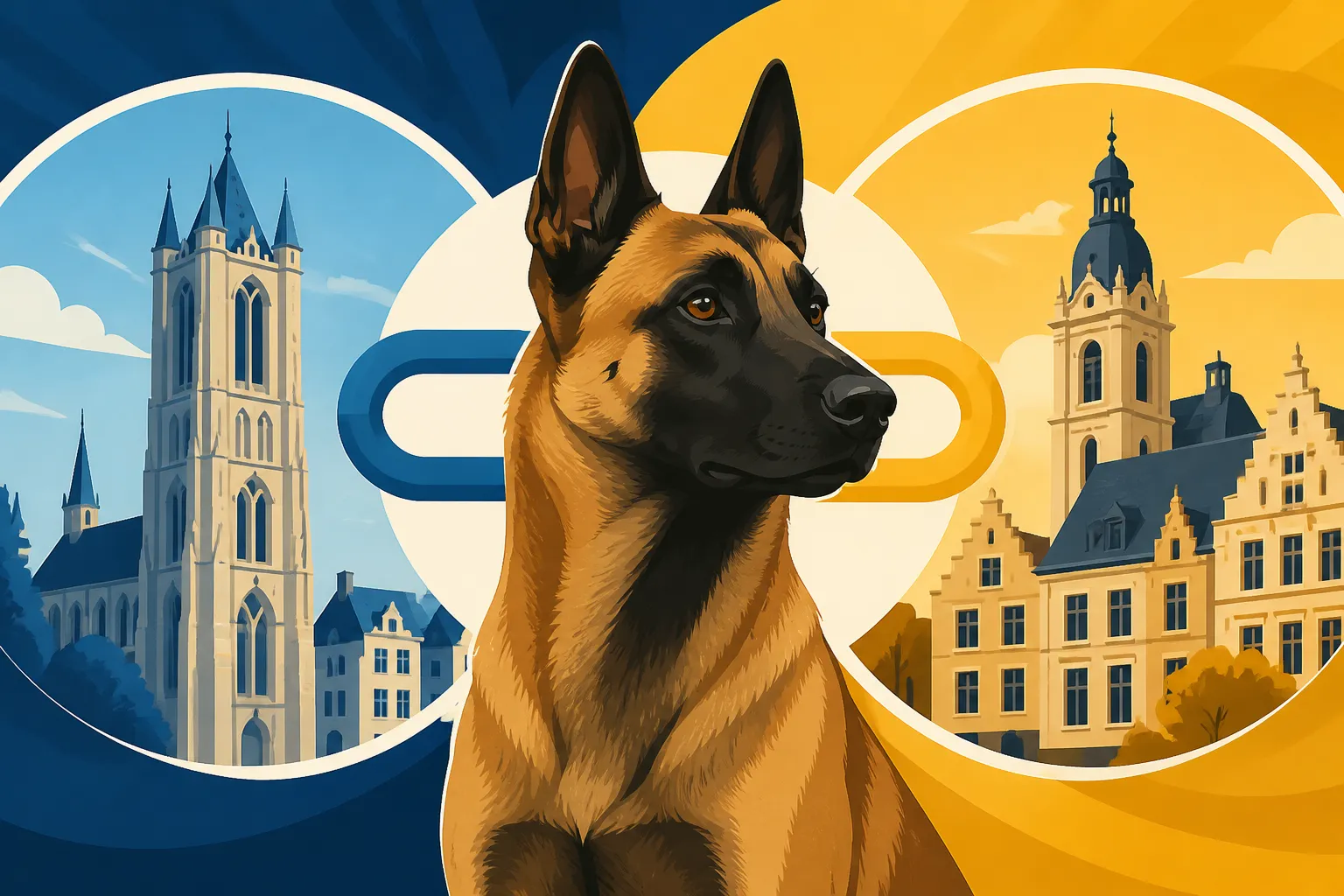
Here’s where the confusion often lies: Malines and Mechelen are, in fact, the same city. Malines is the French name for the city, while Mechelen is its Dutch name. Belgium is a country with multiple official languages, primarily French and Dutch (Flemish), and this linguistic diversity is reflected in many place names. So, when you hear Malines or Mechelen in reference to the Belgian Malinois, you're hearing two different names for the very same municipality in the province of Antwerp, Flanders. It's a classic case of historical and cultural overlap that often perplexes newcomers to the breed's backstory.
Think of it like this: a dog bred in a region with both French and Dutch speakers might naturally acquire a name reflecting both linguistic traditions. The breed’s foundation stock was developed and refined in this very area, making the connection to the city not just an honorific, but a geographical marker of its origin. This dual naming highlights the rich cultural tapestry of Belgium itself, a country where such linguistic nuances are commonplace and deeply ingrained.
How a Place Name Becomes a Breed Name
The practice of naming a dog breed after its place of origin is incredibly common, particularly for working breeds. It’s a shorthand, a way to quickly identify where a particular type of dog was developed and often what kind of work it was historically intended to do. For the Malinois, the city of Malines (Mechelen) became synonymous with a specific type of shepherd dog known for its keen intelligence, robust working ability, and distinctive short, fawn coat. Early breeders and enthusiasts in the region worked tirelessly to standardize these traits.
It wasn't just about geographical convenience; it was about pride in a local strain of dog that excelled at its tasks. As these dogs gained recognition, both locally and internationally, the name "Malinois" stuck, distinguishing it from other Belgian shepherd types. This naming convention served to celebrate the regional heritage and the dedicated efforts of the people in and around Mechelen who championed this particular working dog. It tied the dog irrevocably to its birthplace, ensuring its history was always remembered.
The Broader Belgian Shepherd Family: Malinois in Context
To truly grasp the Malinois's identity, it’s essential to understand that it’s not just a standalone breed, but one of four distinct varieties within the larger Belgian Shepherd Dog family. This familial relationship is key to understanding why they were initially grouped together and how they eventually came to be recognized as separate, albeit closely related, entities. The history of this classification is as intricate as the dogs themselves.
The Four Varieties of Belgian Shepherds
The Belgian Shepherd Dog, or Chien de Berger Belge, encompasses four varieties: the Groenendael (long-haired black), the Tervuren (long-haired other than black), the Laekenois (rough-haired), and, of course, the Malinois (short-haired). Originally, all these dogs were considered a single breed, sharing a common ancestry as versatile farm dogs. They were all bred for herding and guarding livestock across the diverse Belgian landscape, but regional preferences in coat type and color began to emerge. Each variety, including the Malinois, developed its own loyal following among local farmers and breeders who favored specific appearances and temperaments.
Despite their shared heritage, distinct physical characteristics, primarily coat length and texture, led to their eventual separation into varieties. Breeders passionately defended their preferred types, arguing for their uniqueness and functional suitability. This close-knit family history is fascinating, demonstrating how subtle differences, especially in a working context, could lead to significant distinctions. You can learn more about this by reading The Four Belgian Varieties the Malinois Belongs To.
The Historical Need for Distinct Classifications
In the late 19th century, as dog fancy began to formalize and kennel clubs emerged, there was a strong push to categorize and standardize breeds. For the Belgian Shepherds, this meant identifying and preserving the different types that had developed somewhat organically across various regions of Belgium. The challenge was to create order out of what was essentially a collection of local working dogs with varying appearances. This wasn't just about aesthetics; it was about ensuring that distinct bloodlines and working traits could be consistently reproduced.
The drive for classification was fueled by a desire to recognize and promote these native Belgian dogs, ensuring their survival and improvement. Without clear distinctions, breeding efforts could become muddled, and unique traits might be lost. This formalization process was critical for establishing the Malinois as a recognized entity, giving it a clear definition separate from its long-haired cousins, even if their roots were intertwined.
Why Belgium Sorted the Malinois Out by Coat
The primary differentiator among the Belgian Shepherd varieties was indeed their coat type. For the Malinois, its short coat was a defining characteristic. This wasn't an arbitrary choice; the short coat offered practical advantages for a working dog. It was easier to maintain, less prone to collecting burrs and mud, and quicker to dry – all crucial considerations for a dog spending its days herding sheep or guarding property in varied weather conditions. Why Belgium Sorted the Malinois Out by Coat delves deeper into these practical aspects.
Early Belgian breeders, under the guidance of Professor Adolphe Reul and other canine enthusiasts, meticulously examined and documented the various shepherd dogs of Belgium. They grouped them based on their regional characteristics, with the short-haired dogs from the Malines area forming a distinct type. This categorization by coat was a pragmatic approach, allowing breeders to focus on maintaining a uniform appearance and temperament within each type, ensuring that the "Malinois" strain remained true to its specific regional and functional identity.
A Journey Through Time: The Early Days of the Malinois
The story of the Belgian Malinois is not just about its name, but about the dedication of early breeders and the evolving role of dogs in society. From humble beginnings as essential farmhands to their recognition as a distinct and highly capable breed, the Malinois has a rich history that speaks to its enduring qualities. It’s a narrative of purposeful breeding, adaptation, and eventual global acclaim.
Herding Origins and Working Ancestry
Before they were famous police and military dogs, Malinois, like all Belgian Shepherds, were first and foremost herding dogs. They were the unsung heroes of Belgian farms, indispensable for moving and guarding livestock. Their intelligence, agility, and tireless work ethic made them perfectly suited for the demanding life of a shepherd's companion. These dogs weren't just pets; they were integral members of the farm economy, protecting sheep from predators and guiding them across vast pastures. You can explore The Herding Job the Belgian Malinois Was Built For to understand the extent of their original purpose.
This working ancestry instilled in the Malinois the high drive, quick responsiveness, and remarkable trainability that we still admire today. Farmers didn't breed for looks; they bred for ability. A dog that couldn't perform its duties efficiently wouldn't last long in the breeding pool. This relentless selection for working aptitude is what forged the Malinois into the formidable canine athlete it is today, a legacy that continues to define the breed even as its roles have diversified.
Standardization Efforts in the Late 19th Century
The late 1800s were a pivotal time for dog breeds, as enthusiasts across Europe began formalizing what had previously been regional types. In Belgium, a group of dedicated individuals, spearheaded by Professor Reul of the Cureghem Veterinary School, embarked on a mission to identify and standardize the native shepherd dogs. Their goal was to differentiate the various types and establish a consistent breed standard for each. This was not a simple task, as there was considerable variation among the working dogs.
The first official gathering for judging Belgian Shepherd Dogs took place in 1891, at the initiative of the Club du Chien de Berger Belge (Belgian Shepherd Dog Club). It was at this crucial point that the short-haired, fawn dogs from the Malines region began to coalesce into a distinct recognized type. This period marked the transition from informal working dogs to a formally recognized and meticulously bred canine lineage. These efforts laid the groundwork for the modern Malinois we know and love. Learn more about this by reading The Years the Belgian Malinois Was Standardized.
How Malinois Breeders Organized in the 1890s
The push for standardization naturally led to the organization of breeders. In the 1890s, local clubs and groups formed, bringing together individuals passionate about particular types of Belgian Shepherds. These groups were instrumental in setting breed standards, organizing dog shows, and maintaining studbooks. For the Malinois, breeders in and around Mechelen came together to define the ideal characteristics of their short-haired shepherd. They established criteria for temperament, conformation, and working ability, ensuring that future generations would consistently embody the desired traits.
This organized approach was vital for the breed's survival and development. It prevented random breeding and ensured that only dogs meeting the strict standards contributed to the gene pool. These early clubs also served as forums for exchanging knowledge and promoting the breed. This collective effort among devoted breeders solidified the Malinois's identity and set it on a path to becoming one of the most respected working dog breeds in the world. For deeper insight into how this all came about, check out How Malinois Breeders Organized in the 1890s.
Beyond the Name: What the Region Imparted to the Breed
The influence of Malines/Mechelen extends far beyond just lending its name to the breed. The specific environmental, social, and working conditions of this region played a crucial role in shaping the Malinois's inherent characteristics. These weren't just dogs bred in a place; they were dogs bred by a place, inheriting traits that made them perfectly suited to their original Belgian surroundings.
The Working Temperament Shaped by Local Demands
The Belgian Malinois’s intense working temperament is not an accident; it's a direct reflection of the demands placed upon its ancestors in the agricultural landscape surrounding Mechelen. Farmers needed dogs that were not only intelligent and trainable but also incredibly resilient, fearless, and possessed an almost inexhaustible drive. They faced varied terrains, unpredictable livestock, and the constant threat of predators. A soft or timid dog wouldn't have been effective, nor would one that lacked initiative.
Therefore, selective breeding naturally favored dogs with high energy, keen observational skills, and a strong desire to work in close partnership with their human handlers. This historical context explains why a Malinois today still thrives when given a job to do and can become destructive or neurotic without proper outlets for its boundless energy and intelligence. It’s a trait that's been hardwired into their DNA over generations of rigorous selection for functional performance. Finding appropriate outlets for this drive is key to a happy Malinois, and resources from places like Chewy can help you find durable enrichment toys or equipment.
Early Breeders and Their Vision
The early breeders of the Malinois were not just hobbyists; they were often farmers, shepherds, and local enthusiasts with a very clear vision for their dogs. They understood the practical needs of a working dog and selected individuals based on their ability to perform demanding tasks with precision and endurance. Their vision was to create a superior working animal, not merely a show dog. This focus on utility above all else ensured that traits like courage, agility, trainability, and an unwavering loyalty were paramount.
These breeders were keen observers, passing down knowledge and selectively pairing dogs that demonstrated the most desirable working qualities. They understood that a dog’s physical structure needed to support its function, leading to the Malinois's athletic build and balanced conformation. Their dedication to a working ideal, firmly rooted in the local traditions and needs of the Mechelen region, continues to influence how responsible breeders approach the Malinois today, prioritizing health, temperament, and working ability.
The Malinois Today: A Legacy of Its Origins
Even as the Belgian Malinois has transitioned from its original herding role to global prominence in protection sports, police, and military work, its historical origins in Malines/Mechelen remain a defining part of its story. The foundational traits painstakingly developed in that region continue to manifest in the modern Malinois, making it the remarkable breed it is today.
Global Recognition and Continued Evolution
The journey from a regional Belgian farm dog to an internationally recognized working breed has been extraordinary for the Malinois. Its exceptional versatility, trainability, and courage have made it a top choice for demanding roles around the world. Whether it's sniffing out contraband, performing search and rescue, or excelling in competitive dog sports, the Malinois consistently proves its mettle. This global recognition, however, hasn't erased its roots. Every Malinois, whether it's working in a bustling city or competing on a trial field, carries the legacy of its ancestors from the Mechelen region.
The breed continues to evolve, with dedicated breeders striving to maintain its working integrity while adapting to new challenges and roles. Despite its increasing popularity, particularly after high-profile military actions, the core characteristics—intelligence, intensity, and drive—remain paramount. These traits, first nurtured in the fields of Belgium, are what ensure the Malinois's enduring success and make it such a sought-after partner for those who understand and can channel its incredible potential. Checking websites like Chewy for breed-specific training books or advanced harnesses can be a good starting point for new owners.
The Unmistakable Malinois Drive, Still Present
If there's one thing that consistently defines the Belgian Malinois, it's its undeniable, relentless drive. This isn't just energy; it's a deep-seated need to work, to have a purpose, and to engage actively with its environment and handler. This characteristic is a direct inheritance from its herding and guarding ancestors in Mechelen. Those dogs couldn't afford to be lazy or disengaged; their lives, and the lives of the livestock they protected, depended on their constant vigilance and tireless efforts.
This drive manifests in various ways today: the intense focus during training, the explosive speed in pursuit, the unwavering commitment to a task. It's what makes the Malinois so brilliant in working disciplines, but also what makes it a challenging breed for the inexperienced or inactive owner. This isn't a dog that's content to sit on the couch all day, even with the most comfortable beds from Chewy. Its history dictates a life of activity and mental stimulation, a living testament to the demanding environment from which it emerged. Understanding and fulfilling this innate drive is the key to a successful partnership with a Malinois.
Understanding the Belgian Shepherd Varieties
To help clarify the differences between the Belgian Shepherd varieties, especially given their shared origin and the coat-based distinctions, here's a brief overview. This table highlights their primary characteristics and the original reasoning behind their classification.
| Variety Name | French Name (if different) | Coat Type & Color | Primary Distinguishing Feature |
|---|---|---|---|
| Malinois | (same) | Short, fawn to mahogany with a black mask | Short coat |
| Groenendael | (same) | Long, black | Long, black coat |
| Tervuren | (same) | Long, fawn to mahogany with a black mask and overlay | Long, non-black coat |
| Laekenois | (same) | Rough, fawn with black overlay (harsh, wiry texture) | Harsh, wiry coat |
This table makes it clear that while they share the "Belgian Shepherd" umbrella, their coat types are the most obvious way they were sorted and named, with the Malinois specifically linked to its region by its short coat and the city of Mechelen.
Disclaimer
This article is for general informational purposes only and does not constitute professional advice. Laws, prices and regulations vary by location and change over time. Consult a qualified professional for guidance on your specific situation.