How Malinois Breeders Organized in the 1890s
It's easy to look at the powerful, highly specialized Belgian Malinois of today and imagine they sprang into existence fully formed, but the truth is far more complex and fascinating. Many owners and enthusiasts don't realize the incredible effort and organization that went into shaping this magnificent breed. Back in the 1890s, dedicated breeders worked tirelessly to define, standardize, and preserve the unique qualities of what would become the Malinois, laying a foundation that echoes in every working dog we see now. This guide will take you back in time to explore how these early pioneers organized their efforts to create the breed we know and love.
The Genesis of a Breed: Belgium's Working Dogs
Before the systematic efforts of the late 19th century, the landscape of working dogs in Belgium was a diverse, uncataloged collection of shepherd dogs. Farmers and drovers relied on these canines for their utility – herding sheep, guarding property, and generally assisting with farm life. They were valued for their ability to perform tasks, not for a uniform appearance or a precise pedigree. This utilitarian approach meant there was immense variation in size, coat type, and color, all under the umbrella of "Belgian shepherd dog." It was a practical world, and these dogs were practical tools, but it wasn't a world that lent itself to breed recognition as we understand it today.
The Undefined Shepherd Dogs of Belgium
Imagine wandering through the Belgian countryside in the mid-1800s. You'd see countless dogs resembling what we now call a shepherd, but they wouldn't fit a tidy description. Some might have long coats, others short; some might be black, others fawn, and many would have variations in between. Each dog was a product of its immediate lineage and the specific demands of its owner's farm. There was no overarching standard, no written ideal that breeders aimed for. The focus was purely on function: could the dog move sheep, protect livestock, or alert to strangers? If it could, its appearance was largely secondary. This made for incredibly capable working dogs, but a nightmare for anyone trying to establish a consistent breed type. The sheer diversity made it challenging to even discuss "a Belgian Shepherd" in a uniform way, let alone multiple distinct varieties. You can almost feel the frustration of early enthusiasts trying to bring order to this beautiful chaos.
Professor Adolphe Reul's Visionary Influence
Into this landscape stepped Professor Adolphe Reul of the Cureghem Veterinary School, a true visionary whose influence on the Belgian Malinois cannot be overstated. Reul was instrumental in recognizing the need for standardization. He didn't just observe the dogs; he meticulously studied them, traveling extensively throughout Belgium to document the various types. It was Reul who first proposed a classification system based primarily on coat type and length, recognizing distinct variations within the general "Belgian Shepherd" population. His work wasn't just academic; it was the spark that ignited organized breeding efforts, giving breeders a framework within which to discuss and develop specific lines. Without his insight, it’s possible the individual varieties, including the Malinois, might never have achieved the distinct recognition they hold today. His dedication provided the scientific grounding needed to move from a collection of farm dogs to established, recognized breeds. This groundwork would also lay the foundation for understanding The Belgian Farm Dogs the Malinois Came From.
The Birth of Formal Breed Organizations
The intellectual groundwork laid by Professor Reul quickly translated into practical action, as dedicated fanciers and working dog enthusiasts recognized the urgency of preserving and refining these magnificent animals. The unorganized breeding practices, while producing excellent individual workers, weren't conducive to establishing a stable, recognizable breed for exhibition or for consistent performance across generations. The need for a cohesive group to set standards, register dogs, and promote responsible breeding became overwhelmingly clear. This period marked a pivotal shift from informal, farm-based breeding to a structured, collective endeavor.
The Foundation of the Club du Chien de Berger Belge
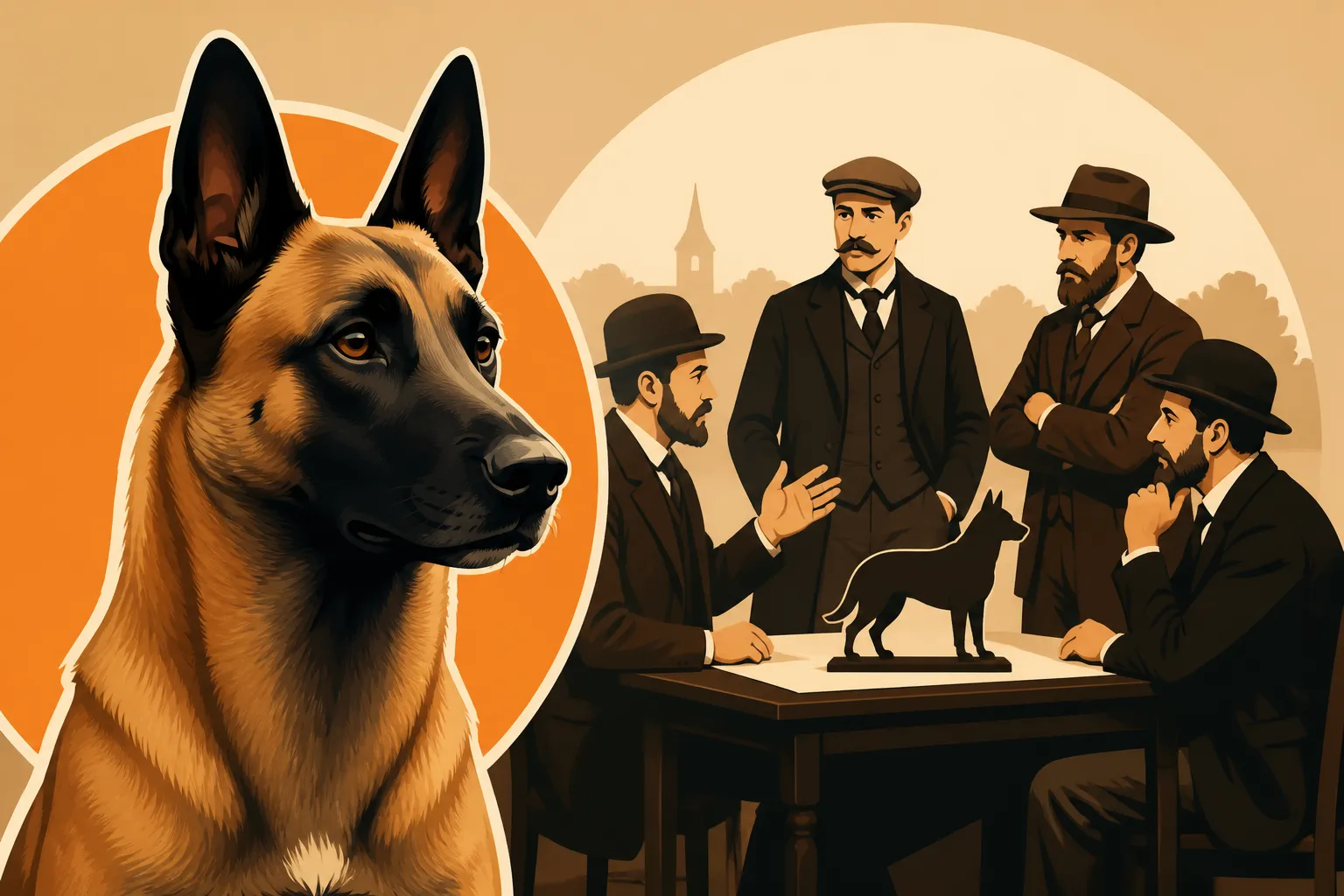
The year 1891 was monumental for Belgian shepherd dogs. It saw the official formation of the Club du Chien de Berger Belge (Belgian Shepherd Dog Club), largely spearheaded by the very individuals inspired by Professor Reul’s work. This club wasn't just a casual gathering; it was a serious undertaking with the explicit goal of uniting breeders and establishing a definitive standard for the various Belgian shepherd types. Imagine the impassioned debates and tireless efforts that must have gone into these early meetings! They faced the monumental task of consolidating regional preferences, often deeply ingrained through generations of local breeding, into a national consensus. The club quickly became the central authority, tasked with overseeing registrations, promoting healthy breeding practices, and eventually, organizing exhibitions to showcase the emerging breeds. Their initial efforts were crucial in moving from simply having "working dogs" to defining specific "breeds."
The club's first major step was to gather and evaluate as many representative Belgian shepherd dogs as possible. This was done at a special event held in Cureghem, where dogs were measured, examined, and categorized. This painstaking process allowed them to truly see the range of types they were dealing with and to begin drawing lines of distinction. It was a rigorous, hands-on approach to breed development, driven by a profound respect for the dogs' working heritage. They understood that the physical characteristics needed to align with the functional capabilities that made these dogs so valuable. Such gatherings would have been a stark contrast to today's easy access to information and supplies from retailers like Chewy; these early breeders were building from the ground up, with only their passion and expertise to guide them.
Initial Classification and the Emergence of the Malinois
One of the most significant outcomes of the Club du Chien de Berger Belge's early efforts was the decision to categorize the Belgian shepherd dogs into distinct varieties, primarily based on their coat. This wasn't an arbitrary choice; it reflected the most noticeable and genetically consistent differences observed in the working populations. The short-coated variety, which hailed predominantly from the Malines region (hence "Malinois"), was quickly identified as one of these key types. Along with the Groenendael (long black coat), Tervuren (long fawn coat), and Laekenois (rough coat), the Malinois began its journey as a formally recognized entity. This initial classification, though slightly refined over the years, set the precedent for The Four Belgian Varieties the Malinois Belongs To and how they would be recognized globally.
The club decreed that these varieties should be bred true, meaning that a short-coated dog should ideally only be bred to another short-coated dog, to maintain the distinct characteristics. This was a crucial step in preventing the dilution of traits and ensuring each variety developed its own consistent identity. It was a complex and sometimes contentious process, as breeders had differing opinions and regional loyalties. However, the collective will to establish and preserve these unique Belgian working dogs ultimately prevailed, leading to The Years the Belgian Malinois Was Standardized. This careful and deliberate process of differentiation highlights the foundational commitment to breed purity and functional integrity that continues to define the Malinois today.
Defining the Malinois: Physicality and Purpose
Once the concept of distinct varieties was established, the focus shifted to meticulously defining what each variety, particularly the Malinois, should embody. This wasn't just about drawing up a pretty picture; it was about creating a blueprint that ensured the continued functionality and health of the dogs. The breeders understood that aesthetics were secondary to utility, but that certain physical traits were inherently tied to the Malinois's ability to excel at its demanding work.
The Significance of the Short Coat
The short coat was, of course, the defining characteristic of the Malinois. While other varieties boasted long or rough coats, the short, dense coat of the Malinois was seen as highly practical for the working dog. It was easier to maintain, less prone to snagging on brush during herding tasks, and quicker to dry, a significant advantage in the often damp Belgian climate. Breeders specifically sought to preserve and refine this coat type, recognizing its utilitarian benefits. This decision to sort the breeds by coat type highlights Why Belgium Sorted the Malinois Out by Coat. The goal was not just a dog that looked a certain way, but a dog whose very physical make-up suited its rigorous demands.
Beyond mere convenience, the short coat also allowed for easier detection of injuries or parasites, a practical consideration for dogs spending long hours working outdoors. The commitment to this coat characteristic was a testament to the breeders' pragmatic approach. They weren't breeding for fancy show rings alone; they were breeding for the field, the farm, and demanding environments where a resilient, low-maintenance coat was a true asset. Even today, the Malinois's coat is admired for its practicality and toughness, a direct legacy of these early selective pressures. It’s a testament to the fact that form often follows function in well-bred working lines.
Establishing Early Malinois Characteristics and Temperament
Beyond the coat, early breeders worked to solidify a comprehensive standard for the Malinois. This included precise details on physical conformation, such as body structure, head shape, ear set, and tail carriage. They looked for a strong, agile, and well-muscled physique, indicative of a dog capable of sustained physical effort. The "square outline" often mentioned in breed standards traces its roots back to these early definitions, aiming for a balanced and efficient animal. The Malinois was expected to be powerful yet elegant, with no extremes in build that would hinder its working ability.
Crucially, the early breeders placed immense emphasis on temperament. The Malinois was, first and foremost, a working dog. They sought intelligent, courageous, and highly biddable dogs with a strong protective instinct and an unshakeable work ethic. Nervousness or aggression, unless controlled and channeled, were undesirable traits that would compromise a dog's utility. The desired temperament was one of alertness, confidence, and a keen desire to please its handler, combined with a natural suspicion of strangers—qualities vital for its original role as a herding and guarding dog. This focus on functional temperament is a hallmark of the breed's origins and differentiates it significantly from breeds where appearance might have taken precedence. Owners often marvel at the drive of their Malinois, a trait meticulously cultivated since these foundational years. Even when looking for food or toys today, a Malinois’s intense focus, perhaps on a treat from Chewy, is a direct echo of this inherited drive.
Navigating Challenges and Solidifying the Working Ethos
The path to formal breed recognition was not without its bumps. Early breeders faced the challenge of unifying disparate lines, overcoming regional biases, and ensuring that as they refined the breed, they never lost sight of its original purpose. This constant balancing act between standardization and functional integrity defined much of their work in the 1890s and beyond.
Persistent Regional Variations and Breeder Loyalty
Despite the efforts of the Club du Chien de Berger Belge, regional variations and deeply held breeder preferences didn't vanish overnight. Breeders in different areas often had their own ideas about the "ideal" Belgian shepherd dog, shaped by local working conditions and historical breeding practices. It took time, education, and consistent enforcement of the new standards to bring a more unified vision to fruition. Some breeders might have initially resisted certain aspects of the standardized appearance if they felt it didn't align with the working ability they prized.
This period was a fascinating tug-of-war between the desire for uniformity and the preservation of specific local traits that breeders believed were essential. The club had to be both diplomatic and firm, demonstrating the benefits of a cohesive breed standard while respecting the foundational lines that contributed to the breed's richness. It's a testament to their dedication that they eventually managed to bring most breeders on board, creating a shared understanding of what a Malinois should be. The initial disagreements and discussions were part of the vital, organic process of breed formation, ensuring that the resulting standard was robust and reflective of the dogs' true nature.
An Unwavering Focus on Purpose-Driven Breeding
One aspect that remained absolutely non-negotiable for early Malinois breeders was the breed's working ability. The Malinois was not developed to be a pampered companion; it was bred for a job, typically herding and guarding. Every decision regarding selection, breeding, and even the physical standard was ultimately weighed against how it would impact the dog's capacity to perform its duties. This unwavering commitment to purpose-driven breeding meant that dogs displaying exceptional working drive, intelligence, and physical soundness were highly prized. What Belgian Breeders Originally Selected the Malinois For was always at the forefront of their minds.
The physical traits codified in the standard were directly linked to utility. A robust skeletal structure, powerful musculature, and correct angulation were all seen as vital for endurance and agility in the field. Similarly, the alert, intelligent expression and responsive nature were indicators of a dog that could quickly learn and execute complex commands. Breeders understood that sacrificing working qualities for mere appearance would ultimately undermine the very essence of the Malinois. This philosophy cemented the breed's reputation as an elite working dog, a legacy that continues to define it in police, military, and sport roles today.
Preserving Essential Working Instincts
The ultimate goal of all this organization and standardization was to preserve and enhance the Malinois's innate working instincts. Breeders carefully selected for dogs that displayed strong herding drives, natural protective tendencies, and an inherent desire to engage with tasks. These instincts were not just desirable; they were fundamental to the breed's existence. Without them, the Malinois would cease to be the functional shepherd dog it was intended to be. They focused on maintaining the keen intelligence and high energy levels that allowed these dogs to excel in demanding roles.
To ensure these instincts were passed down, early breeders likely observed their dogs extensively in working scenarios, not just in kennels. Pedigrees would have been valued not just for bloodlines, but for the proven working titles and capabilities of ancestors. This vigilance ensured that the Malinois remained a truly working breed, even as its appearance became more standardized. The fierce drive and intelligence that makes a Malinois a handful for an unprepared owner today, requiring mental and physical stimulation often purchased from places like Chewy, is a direct inheritance from this foundational commitment to working ability. This dedication to preserving original traits is why the Malinois continues to be a top choice for serious working dog enthusiasts.
Here's a quick look at some key players and their contributions during this crucial period:
| Key Figure/Organization | Role in 1890s Malinois Development | Impact on Breed Standardization |
|---|---|---|
| Professor Adolphe Reul | Scientific classification of Belgian shepherd types | Provided initial framework for coat-based variety distinction |
| Club du Chien de Berger Belge | Formed in 1891, the primary breed club | Established breed standards, organized evaluations, managed registrations |
| Early Malinois Breeders | Dedicated individuals in Malines region | Fostered the short-coated, utilitarian working dog line |
Disclaimer
This article is for general informational purposes only and does not constitute professional advice. Laws, prices and regulations vary by location and change over time. Consult a qualified professional for guidance on your specific situation.