Why the Breed Is Called Malinois in English
It’s a question many new or aspiring owners ask, often with a slight furrow in their brow: why is this incredible dog called a "Malinois" in English? It feels a little foreign, a little specific, especially when compared to names like German Shepherd or Golden Retriever. The truth is, the name Belgian Malinois, or just Malinois as it's often affectionately shortened to, is a direct nod to the breed's proud origins and a fascinating piece of its history, and understanding it helps us appreciate the dog even more. This guide will unravel the story behind the name, delving into its roots and why this particular designation stuck in the English-speaking world.
The Historical Roots of the Belgian Shepherd Dog Varieties
To truly understand why we call them Malinois, we have to journey back to Belgium in the late 19th century. At this time, there wasn't a distinct "Belgian Malinois" as we know it today. Instead, there was a diverse group of shepherd dogs spread across the country, all performing essential duties on farms and in fields. These dogs were selected primarily for their working ability, intelligence, and protective instincts, not for a uniform appearance. They were hardy, adaptable, and invaluable companions to farmers and shepherds.
A Unified Breed with Distinct Varieties
Initially, there was a strong movement to standardize these working dogs into a single breed: the Belgian Shepherd Dog. The idea was to encompass all variations under one umbrella, recognizing their shared heritage as versatile herding and guarding dogs. However, as breeders and enthusiasts began to gather and discuss the characteristics of these dogs, it became clear that while they shared many traits, distinct differences in coat type and color were prevalent.
Imagine a group of dedicated dog lovers, meeting in chilly Belgian halls, passionately arguing over the merits of a rough coat versus a short coat, or a black dog versus a fawn one. These discussions were pivotal. In 1891, the Club du Chien de Berger Belge (Belgian Shepherd Dog Club) was formed, and under the guidance of Professor Adolphe Reul of the Cureghem Veterinary School, a serious effort began to identify and classify the native shepherd dogs. Professor Reul is often credited as The Professor Who Named the Malinois Type, playing a crucial role in establishing the initial distinctions.
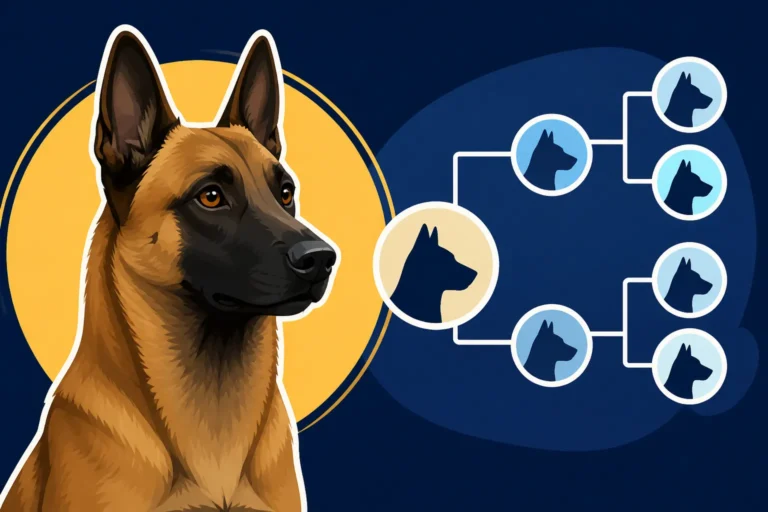
The initial classification sought to acknowledge these differences while still maintaining the concept of a single breed. The focus was on identifying clear, reproducible traits that breeders could select for. This is where the distinct "varieties" of the Belgian Shepherd Dog came into play. They were all considered part of the same overall breed but distinguished by their unique physical characteristics. You can read more about The Four Belgian Varieties the Malinois Belongs To to grasp the broader picture.
The Role of Geographic Regions in Naming
This is where the "Malinois" part of the name truly begins to make sense. As these distinct varieties were recognized, they were often named after the specific geographical regions or towns where they were most prevalent or where their most prominent breeding lines originated. It was a practical and logical way to differentiate them in a time before widespread genetic testing and formalized registries.
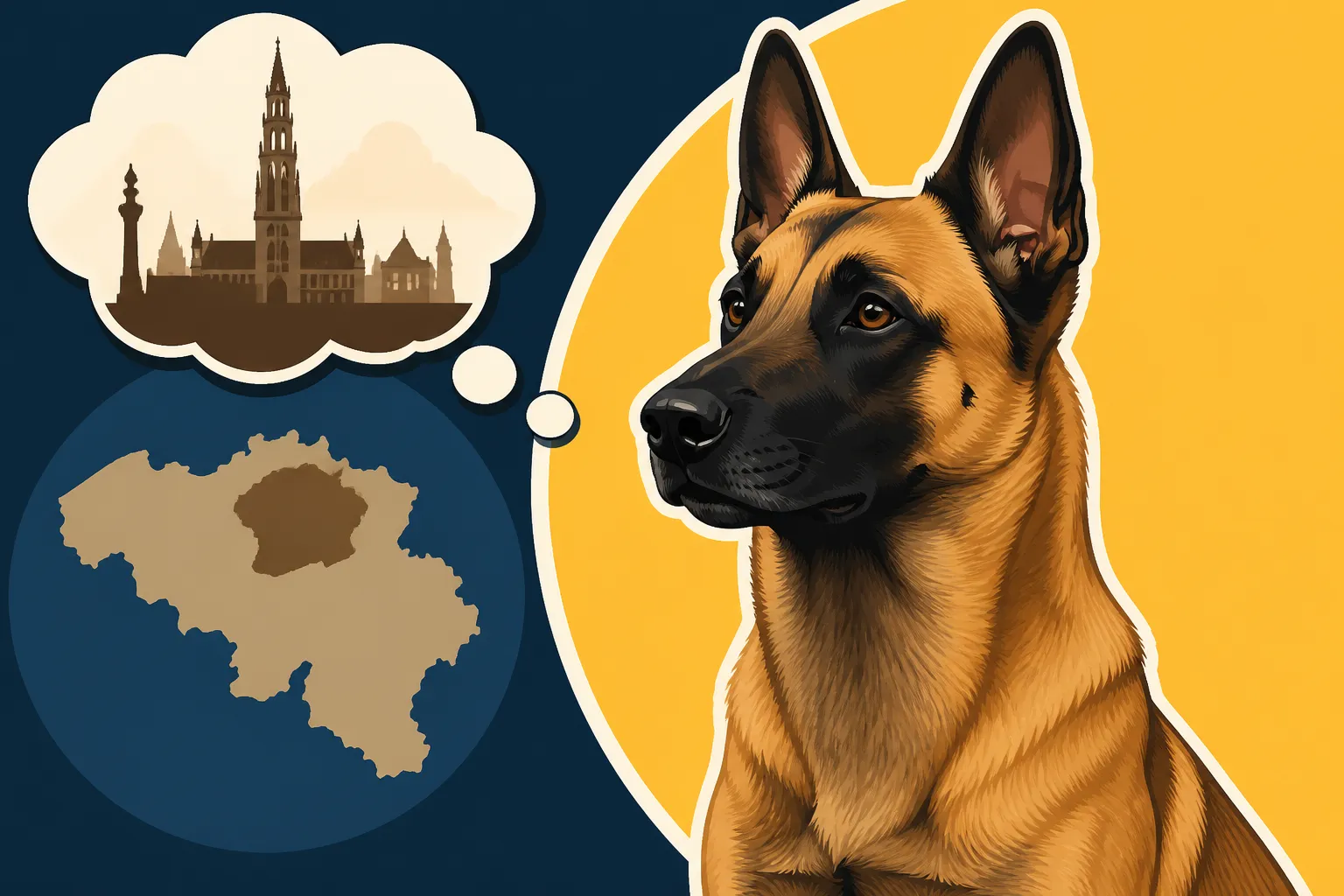
The short-coated, fawn-colored dogs with black masks were particularly common and highly regarded in and around the city of Malines, or Mechelen in Dutch. This bustling Belgian town, with its rich history and agricultural surrounds, became synonymous with this particular type of Belgian Shepherd. So, when people talked about "the shepherd dog from Malines," it eventually condensed into simply "Malinois." It was an informal designation that became formal through common usage and breed club recognition.
This regional naming wasn't unique to the Malinois, either. The Groenendael, with its long black coat, was named after the Château de Groenendael, a restaurant and kennel owned by Nicolas Rose. The long-coated, fawn Tervuren took its name from the village of Tervuren. And the rare rough-coated Laekenois was associated with the Royal Castle of Laeken. Each name tells a story of a specific place and the people who cherished and developed that particular variety of the Belgian Shepherd. This geographical connection provided a clear way to identify and discuss the specific traits and lines being developed.
From Regional Dog to International Recognition
While the name "Malinois" was already in use locally, its journey to becoming the globally recognized English name for this breed is a story of standardization, dedicated breeders, and the dog's undeniable working prowess.
The Club's Influence and Standardization Efforts
The breed clubs, particularly the Club du Chien de Berger Belge, played a critical role in formalizing these distinctions. As they worked to create breed standards, they needed clear, unambiguous names for each variety. The choice to use the regional names was a natural one, as these names were already understood within the Belgian dog community.
These early standards, developed through careful observation and consensus, defined not just the physical appearance but also the temperament and working abilities expected of each variety. For the Malinois, this meant a dog of exceptional intelligence, high drive, and remarkable athleticism, often described as having an intense and focused demeanor. The 1959 split in the American Kennel Club, which resulted in The 1959 Split That Made the Malinois Its Own Breed, further solidified its independent recognition in the English-speaking world, even if it maintained a shared heritage with the other Belgian Shepherds under the FCI (Fédération Cynologique Internationale) standard. This process helped to prevent confusion and allowed for consistent breeding goals.
How Export and Popularity Cemented the Name
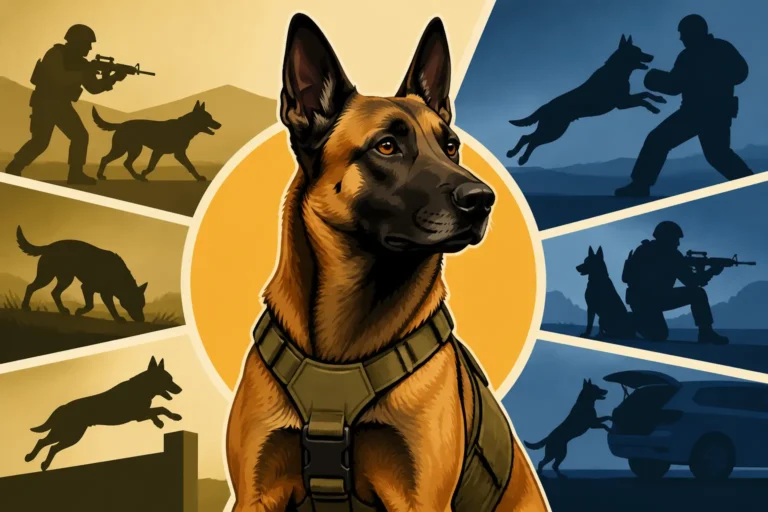
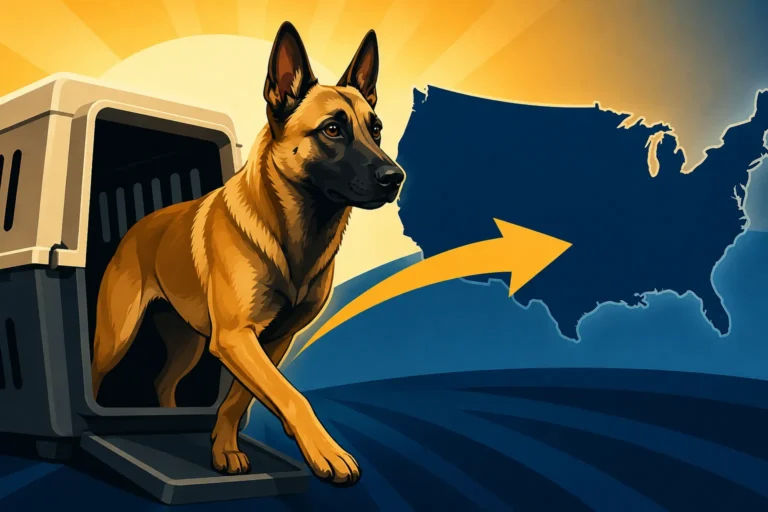
The Belgian Malinois really started to gain international traction because of its exceptional capabilities as a working dog. Beyond herding, their intelligence, agility, and keen senses made them ideal for police, military, and protection work. As these dogs were exported from Belgium to other countries, particularly to English-speaking nations, the name "Malinois" traveled with them.
Imagine a police department in the United States or a military unit in the UK looking for a superior working dog. They would hear about these incredible "Malinois" dogs from Belgium, known for their drive and trainability. The name became a badge of honor, synonymous with elite performance. Over time, as more of these dogs were imported and successfully deployed, the name became firmly entrenched in the English lexicon for this specific type of Belgian Shepherd. You’ll find that whether you're looking for specialized training equipment or just browsing high-performance dog food on sites like Chewy, the term "Belgian Malinois" is used consistently to describe these dogs and their particular needs. Their reputation preceded them, and the name just stuck.
Their prowess in various demanding roles, from detection to patrol, meant that the "Malinois" became a recognized commodity. Other breeds might have been considered, but the unique blend of attributes in the Malinois, often highlighted in discussions like Malinois or German Shepherd for Real Work, quickly made it a top choice. This widespread adoption in working circles cemented the name far beyond its regional origins.
Decoding the Name: What "Malinois" Actually Means
So, we know "Malinois" comes from a place. But let's dig a little deeper into that connection.
The City of Malines and Its Connection
The name "Malinois" quite simply translates to "from Malines." The city of Malines, known as Mechelen in Dutch, is a vibrant municipality in the province of Antwerp, Belgium. Historically, it was a significant center for trade and industry, surrounded by agricultural lands where hardworking shepherd dogs were essential.
When you hear "Malinois," you are literally hearing an echo of these historical ties. It’s a direct link to the geographical area where this specific variety of Belgian Shepherd was bred, nurtured, and popularized. This connection is not just a historical footnote; it speaks to the pride of place and the community that developed these dogs. When you see a Malinois, you're not just seeing a dog; you're seeing a living piece of Belgian heritage, specifically from the region around Mechelen. The question Whether Belgian Malinois and Mechelaar Are the Same is perfectly answered here, confirming "Mechelaar" is simply the Dutch equivalent for "Malinois."
It’s a powerful testament to regional identity, a reminder that before global communication, local distinctions were everything. The farmers and breeders in and around Malines had a clear vision for their working dogs, and that vision evolved into the Malinois we admire today. Even if you're shopping for specific training collars or durable toys on Chewy, the historical context of "Malinois" is still present in the breed's very identity.
Beyond the Name: Distinguishing the Malinois
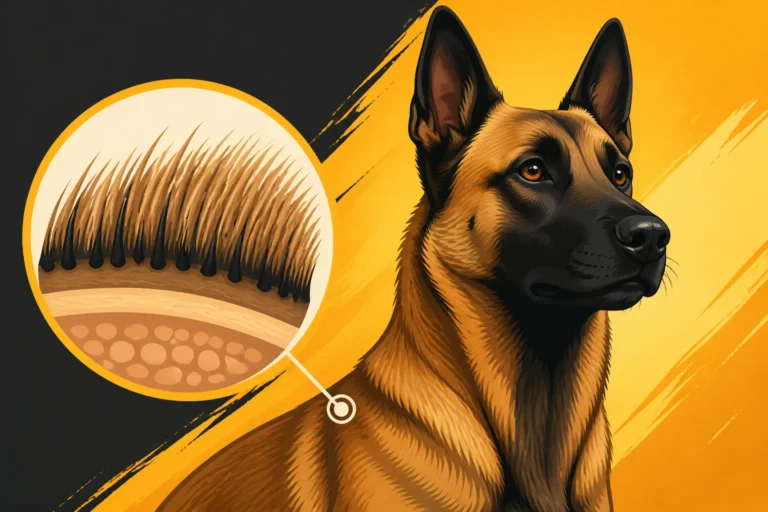
While the name is a key identifier, it’s also important to remember what makes the Malinois distinct beyond just its geographical moniker. It’s not just the name "Malinois" that sets it apart; it’s the physical characteristics and temperament that were defined and standardized alongside that name. The Malinois typically sports a short, straight coat, most commonly fawn or mahogany, with that striking black mask on its face. Fawn to Mahogany and the Black Malinois Mask describes these coat characteristics in detail.
Their athletic build, often described as square in outline and leaner than some other shepherd breeds, also differentiates them. This physical blueprint, combined with their renowned intensity, high drive, and exceptional trainability, is what truly defines the Malinois. When breed standards were being formalized, distinguishing factors like coat type and color were crucial for delineating one variety from another, even if they were all "Belgian Shepherd Dogs." This is how How the FCI Classifies the Malinois allows for all four varieties under a single standard, yet still gives them distinct names for clear identification.
Common Misconceptions and Clarifications
Despite the clarity of its origins, the name "Malinois" can still lead to a little confusion, especially for those new to the breed or to dog history in general. Let's clear up a couple of common points.
Is it "Mechelaar" or "Malinois"?
A very common point of confusion arises from the dual language nature of Belgium. As mentioned, Malines is the French name for the city, while Mechelen is the Dutch (or Flemish) name. Therefore, "Malinois" comes from the French root, while "Mechelaar" is the Dutch term for the same dog. Both refer to the same breed of short-coated Belgian Shepherd.
So, if you hear someone from Belgium or the Netherlands refer to a "Mechelaar," they are talking about what English speakers know as a "Malinois." It's purely a linguistic difference, not a difference in the dog itself. This is akin to calling the breed a "German Shepherd" in English versus "Deutscher Schäferhund" in German. Both terms are correct within their respective languages, describing the same incredible animal. This clarifies why Whether Belgian Malinois and Mechelaar Are the Same is a common question, and the answer is yes, they are.
The Enduring Legacy of a Working Name
The fact that "Malinois" has become the predominant English name for this specific Belgian Shepherd variety speaks volumes about the breed's journey. It's a testament to the effectiveness of early breed standardization efforts and, more importantly, to the breed's undeniable impact on the working dog world. When the first Malinois made its way to the United States, as explored in When the First Malinois Landed in the States, it brought its name and reputation with it, solidifying its place in the American dog scene.
This isn't a fancy, made-up name; it's a practical, historical one that grounds the breed in its geographical and cultural heritage. It tells a story of dedicated Belgian breeders, of working farms, and of a dog that was so invaluable to its community that its name became inextricably linked to its place of origin. Even today, as Malinois grace headlines for their heroic actions in various fields, the name "Malinois" continues to evoke images of intelligence, athleticism, and an unparalleled drive to work. When you're browsing for performance supplements or robust training gear on Chewy, the power of that name resonates. It's not just a breed; it's a legacy.
Here's a quick overview of the Belgian Shepherd varieties to highlight the naming conventions:
| Variety Name | Coat Type | Color Range | Associated City/Region | Primary Language of Name |
|---|---|---|---|---|
| Malinois | Short | Fawn-Mahogany, Black Mask | Malines (Mechelen) | French (Malinois), Dutch (Mechelaar) |
| Groenendael | Long | Black | Groenendael | French |
| Tervuren | Long | Fawn-Mahogany, Black Mask | Tervuren | French |
| Laekenois | Rough/Wire | Fawn, Black Mask | Laeken | French |
This table clearly illustrates how each variety, including the Malinois, is tied to a specific locale, emphasizing the historical naming practice.
Disclaimer
This article is for general informational purposes only and does not constitute professional advice. Laws, prices and regulations vary by location and change over time. Consult a qualified professional for guidance on your specific situation.