Whether Belgian Malinois and Mechelaar Are the Same
It's incredibly common to hear people talk about "Malinois" and "Mechelaar" as if they might be two distinct breeds, or perhaps different types within the same breed. This can lead to a lot of head-scratching when you're trying to learn more about these incredible dogs or even looking for a puppy, as you try to figure out if you're comparing apples to oranges. Let's clear up this pervasive confusion once and for all and help you understand why both terms are used for the same beloved working dog.
A Tale of Two Names, One Dog: Unpacking the Malinois Identity
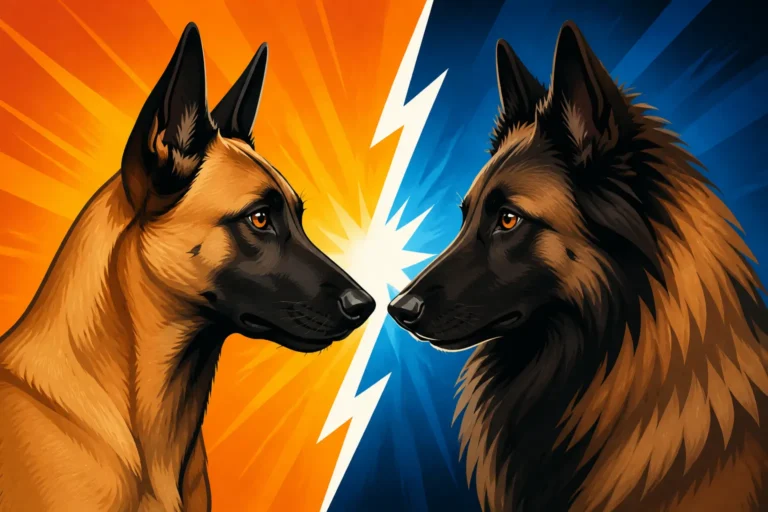
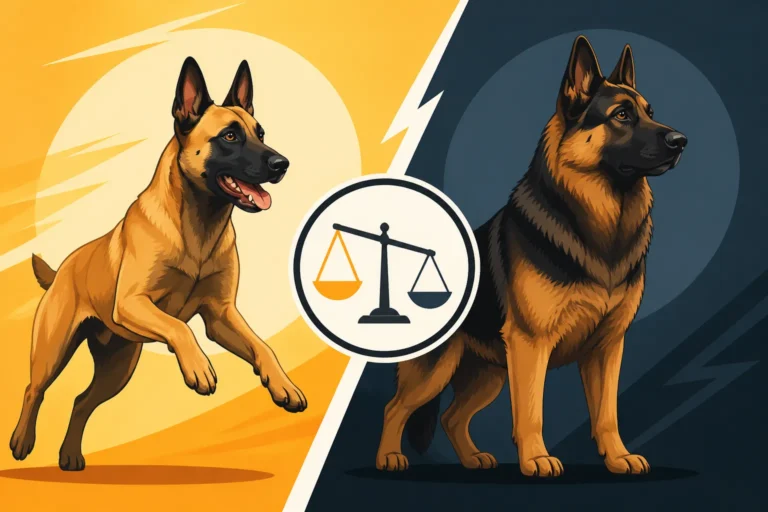
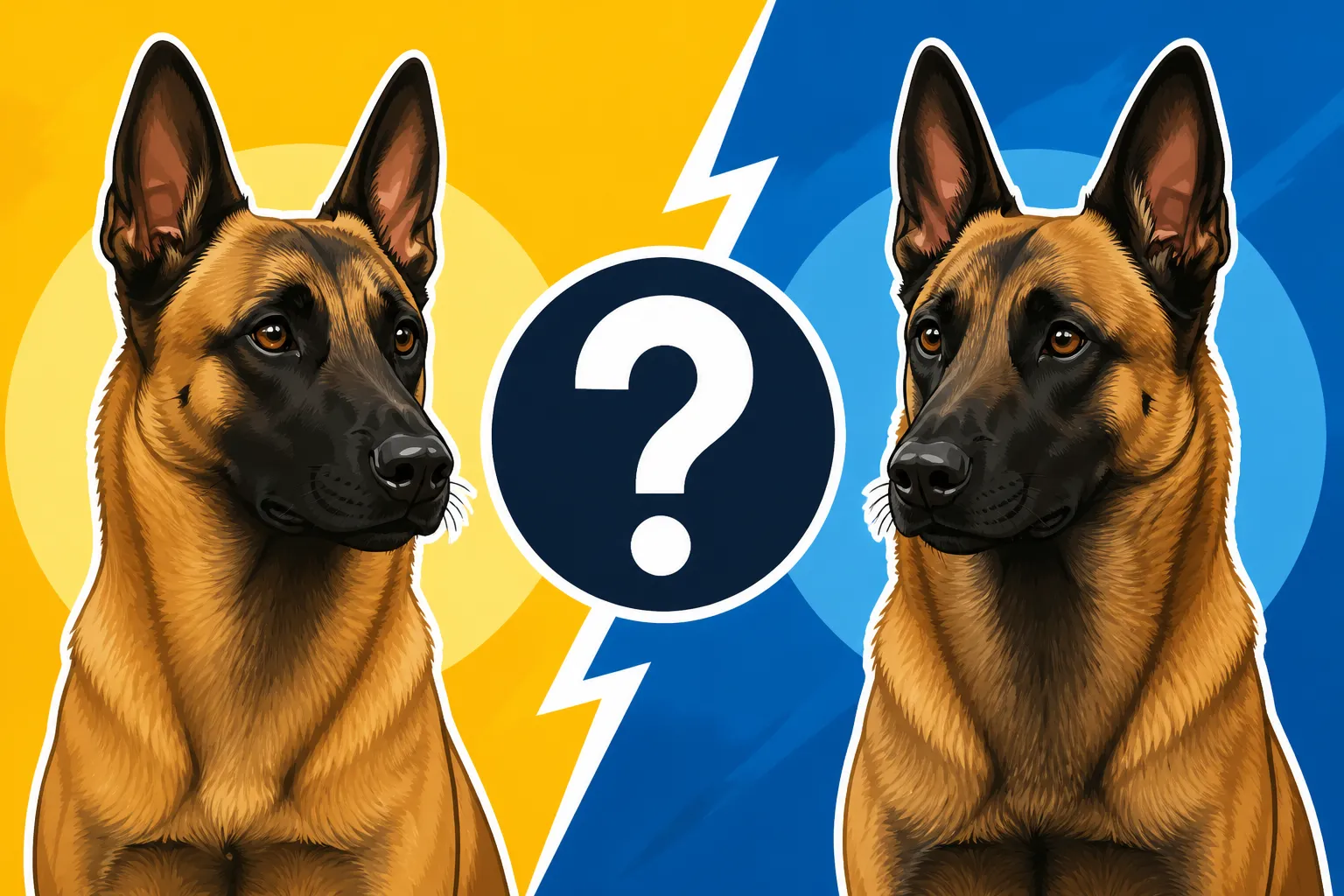
The heart of the confusion between the Belgian Malinois and the "Mechelaar" really boils down to linguistics and geography. Essentially, they are two names for the exact same breed of dog, much like how "German Shepherd Dog" is often shortened to "German Shepherd." The difference isn't in their genetics or their working ability, but in which language you're speaking and sometimes, which region you're in.
The Birthplace and the Name: "Malinois"
The name "Malinois" comes from Malines, the French name for the city in Belgium where the breed was originally developed and standardized. This city is officially known as Mechelen in Dutch. Back in the late 19th century, Belgian shepherds were being developed into distinct varieties based primarily on their coat type and color. The short-haired, fawn-colored dogs with a black mask that originated from the Malines area became known as the Malinois. It was a straightforward way to differentiate them from their longer-haired cousins, like the Groenendael and the Tervuren, or the rough-haired Laekenois.
When the breed spread internationally, especially into English-speaking countries and those adopting French terminology, "Malinois" became the universally accepted name. The breed clubs, like the American Kennel Club (AKC) and the Fédération Cynologique Internationale (FCI), which is the world canine organization, officially recognize them under the name "Belgian Malinois." This standardization really helped solidify "Malinois" as the go-to term for breed enthusiasts and working dog professionals worldwide. You'll find a deeper dive into their history in The Belgian Town the Malinois Is Named After and how they fit into The Four Belgian Varieties the Malinois Belongs To. The process of establishing these breeds wasn't overnight; it involved dedicated breeders and enthusiasts defining the traits, as explored in The Years the Belgian Malinois Was Standardized.
The Lingual Twist: "Mechelaar"
So, where does "Mechelaar" fit in? It's quite simple: "Mechelaar" is the Dutch or Flemish name for the Belgian Malinois. Just as the city of Malines is Mechelen in Dutch, the dog from Mechelen is a "Mechelaar." If you're in Belgium, especially in the Flemish-speaking regions, or in the Netherlands, you'll hear people refer to them as Mechelaars. It’s not a separate breed or a special sub-type; it's literally just the translation of their name into another language.
This can be particularly confusing for those new to the working dog world, especially if they are looking at dogs from European lines. You might encounter a pedigree where "Mechelaar" is used, or hear a trainer from the Netherlands talk about their "Mechelaar" in the same breath an American trainer talks about their Malinois. Rest assured, they're talking about the same intensely driven, intelligent, and athletic dog. The key is understanding the linguistic context. It's a prime example of how language and regional nomenclature can create perceived distinctions where none truly exist for the dog itself.
Why the Dual Naming Persists and What It Means for Owners
The continued use of both "Malinois" and "Mechelaar" isn't just a quirky linguistic detail; it sometimes carries subtle connotations within the working dog community, especially concerning specific training programs and lineages. For prospective owners, understanding these nuances can be helpful when researching breeders or imported dogs.
Regional Differences and Working Dog Lineages
In the Netherlands, for instance, the term "Mechelaar" is frequently used, particularly in connection with KNPV (Koninklijke Nederlandse Politiehond Vereniging) programs. KNPV is a highly respected Dutch police dog training program renowned for producing some of the most formidable working dogs in the world. Because these dogs are often bred and trained within a Dutch-speaking environment, the name "Mechelaar" naturally becomes prevalent. This might lead some to believe that a "KNPV Mechelaar" is a different breed or a specific, harder type of Malinois.
While KNPV dogs are indeed typically exceptional working animals, bred for very specific traits and put through rigorous training, they are still Belgian Malinois. The term "KNPV Mechelaar" simply indicates a Malinois that comes from a lineage highly successful in the KNPV program, often with a Dutch-speaking background. It's a descriptor of their working heritage and region, not a classification of a separate breed. You might find yourself wondering Whether Dutch Bred Malinois Differ From Belgian Ones due to this, but the core breed remains consistent. These dogs are purpose-bred, and What a KNPV Program Puts a Belgian Malinois Through is designed to forge unparalleled working traits, irrespective of the name used.
Navigating Breeders and Pedigrees
For anyone looking to bring one of these dynamic dogs into their life, whether you're interested in sport, service, or as an incredibly active companion, encountering both terms requires a little savvy. When you're looking at a breeder's website or discussing a litter, don't be shy about asking for clarification if you see "Mechelaar" used. Most reputable breeders will be happy to explain that it's simply the Dutch name for the same breed.
What matters most is the official pedigree. Regardless of whether a breeder refers to their dogs as Malinois or Mechelaars, their registration papers will almost always list them as "Belgian Malinois" under an internationally recognized registry like the FCI (which many European national clubs adhere to), or the AKC/UKC in North America. When you're trying to decipher the lineage and verify the health clearances of a dog, focusing on the official registration and the recognized breed name is crucial. Understanding Reading a European Belgian Malinois Pedigree can certainly help in these situations, as you'll see the official names rather than regional nicknames.
It's about ensuring transparency and understanding what you're getting. Whether the breeder is in Belgium, the Netherlands, or the United States, a well-bred working Malinois will share a common standard and set of expectations, regardless of the name they use in casual conversation. Remember, the dog's true identity lies in its genetic heritage and the recognized breed standard, not in the language of its country of origin.
The Core Characteristics Remain the Same
Despite the linguistic duality, the fundamental characteristics of a Belgian Malinois remain steadfast, whether you call them Malinois or Mechelaar. This consistency is a testament to the strong breed standard and the dedication of breeders worldwide to maintain their unique traits.
Unmistakable Malinois Temperament and Drive
No matter the name, the Belgian Malinois is renowned for its intense drive, intelligence, and boundless energy. These are not dogs for the faint of heart or for owners who are looking for a couch potato. They are dogs bred for work, with an "on switch" that seems perpetually engaged and an "off switch" that needs deliberate training to develop. Their strong prey drive, high retrieve drive, and ceaseless desire to be doing something are hallmarks of the breed. This translates into a dog that needs significant mental and physical engagement daily, not just a walk around the block.
Their temperament is typically alert, watchful, and confident. They bond very strongly with their families and can be highly protective, which is a fantastic trait for a working or protection dog, but demands careful socialization and training in a pet home. Without proper outlets for their energy and intelligence, a Malinois can quickly become destructive, anxious, or develop behavioral problems. This is why discussions around Why a Belgian Malinois Is the Wrong First Dog are so important; their needs are immense. This unwavering intensity is what makes them exceptional in police, military, and sport work, a journey detailed in How the Malinois Went From Herding to Police Work. Their public image, often seen through this lens, is explored in The Reputation a Belgian Malinois Carries in Public.
| Characteristic | Belgian Malinois (International/French) | Mechelaar (Dutch/Flemish) |
|---|---|---|
| Breed Status | Officially recognized breed | Officially recognized breed (under the Malinois name) |
| Origin City | Malines (French name) | Mechelen (Dutch name) |
| Core Identity | Short-haired Belgian Shepherd Dog | Short-haired Belgian Shepherd Dog |
| Temperament/Drive | High drive, intelligent, athletic, intense | High drive, intelligent, athletic, intense |
| Physical Appearance | Fawn to mahogany, black mask, erect ears | Fawn to mahogany, black mask, erect ears |
| Working Application | Police, military, sport, protection | Police, military, sport, protection |
| Genetic Distinction | None; they are genetically identical | None; they are genetically identical |
Physical Appearance: A Unified Standard
From a physical standpoint, whether it's called a Malinois or a Mechelaar, the dog adheres to the same breed standard. You'll recognize them by their distinctive short, fawn coat, often with a black overlay, and a striking black mask on their face. Their ears are erect and triangular, and their body is square and muscular, built for agility, endurance, and power. They possess a keen, intelligent expression that hints at the gears constantly turning in their minds. The breed standards for size are quite specific, as discussed in The Height Limits a Belgian Malinois Is Judged Against.
There isn't a separate, distinct "Mechelaar" physical type that deviates from what is expected of a Belgian Malinois. The coat texture, color patterns, and overall conformation are consistent across the board. The rich fawn to mahogany hues, combined with that characteristic black mask, are defining features, as detailed further in Fawn to Mahogany and the Black Malinois Mask. Even their double coat, which is surprisingly dense for a short-haired dog, is a shared trait. While they are short-coated, they still shed quite a bit, and understanding The Harsh Outer Coat a Malinois Should Carry helps appreciate their functional design. Companies like Chewy offer a wide range of grooming tools and diet options specifically designed to help manage that coat and maintain overall health for these active dogs.
So, the next time you hear someone use "Mechelaar," you can confidently explain that they're simply referring to the Belgian Malinois by its Dutch name. It’s a fascinating quirk of the breed’s international presence, but one that shouldn't lead to confusion about the dog itself. Whether you call them Malinois or Mechelaar, you're talking about the same incredible, demanding, and utterly captivating canine athlete. Chewy also has a great selection of high-performance dog foods suitable for these active dogs, ensuring they get the right nutrition to fuel their high drive.
Disclaimer
This article is for general informational purposes only and does not constitute professional advice. Laws, prices and regulations vary by location and change over time. Consult a qualified professional for guidance on your specific situation.