What a Malinois Crossed With a Tervuren Produces
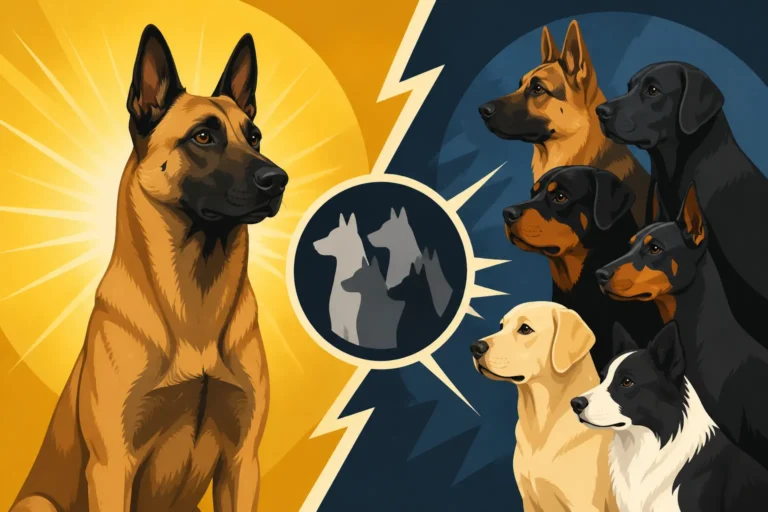
It's quite common for people to wonder what happens when two breeds that look somewhat similar, yet have distinct characteristics, are crossed. When you consider breeding a Belgian Malinois with a Belgian Tervuren, you're not just creating a "mix" in the casual sense; you're delving into the intricate genetics of two varieties of the same overarching breed. This guide will help you understand the fascinating outcomes, shared traits, and crucial considerations for anyone interested in a Malinois/Tervuren cross.
Understanding the Parent Breeds: Malinois and Tervuren
Before we dive into the fascinating world of their offspring, it’s really helpful to get a solid grasp of what each parent breed brings to the table. While they are both Belgian Shepherds, their distinct characteristics have been honed over generations, influencing everything from their appearance to their typical temperament.
The Belgian Malinois: Power and Precision
Ah, the Malinois. If you've spent any time around this breed, you know they are absolute powerhouses, brimming with an almost unbelievable amount of energy and drive. Originating as a herding dog, the Malinois quickly transitioned into roles requiring immense focus, athleticism, and a sharp intellect, such as police and military work. Their short, dense fawn-to-mahogany coat, typically accentuated by that striking black mask, is built for practicality and demands minimal grooming, which is a huge plus when you're dealing with a dog that lives to work and play hard. These dogs are lean, muscular, and incredibly agile, capable of breathtaking feats of speed and precision.
Temperament-wise, a Malinois is a dog that absolutely needs a job. Their intelligence is off the charts, but it's a double-edged sword: without consistent mental and physical challenges, they can become destructive or develop undesirable behaviors. They form incredibly strong bonds with their handlers and thrive on structured training, often displaying a sensitive side beneath their tough exterior. They can be intense, highly protective, and always seem to be thinking, processing, and ready for the next command or challenge. Many people are drawn to their intensity and focus, which is why How the Belgian Malinois Took Over Police Work is such a popular topic.
The Belgian Tervuren: Elegance and Endurance
Now, let's talk about the Tervuren. Often described as the "elegant" variety of the Belgian Shepherd, the Tervuren shares much of the Malinois's athleticism but with a distinct, longer, flowing coat. This coat typically comes in shades of fawn to mahogany, often with a heavier black overlay than a Malinois, creating a stunning, almost regal appearance. Like the Malinois, they were originally bred for herding sheep, and their intelligence and endurance are deeply ingrained.
While sometimes perceived as slightly "softer" or less intense than their Malinois cousins, this is a generalization that can be misleading. A Tervuren is still a very high-drive dog that demands significant engagement. They are intelligent, agile, and possess a strong work ethic. They excel in dog sports like agility, obedience, and even protection work, demonstrating a deep loyalty and a desire to please their families. The key difference in their general perception often boils down to their more "showy" coat and perhaps a slightly less "hard" temperament in certain lines, but make no mistake, they are full-throttle working dogs. For a deeper dive into the nuances, you might find The Malinois Against the Tervuren quite insightful.
The Genetic Blueprint: What Happens in a Cross
When you breed a Belgian Malinois and a Belgian Tervuren, it's not quite like mixing a Golden Retriever with a Poodle. These aren't entirely disparate breeds. Instead, you're essentially breeding two varieties of the same fundamental breed, the Belgian Shepherd Dog. This distinction is crucial for understanding the genetic outcomes.
Similarities and Differences in the Belgian Shepherd Family
In many parts of the world, particularly under the FCI (Fédération Cynologique Internationale) standard, the Malinois, Tervuren, Groenendael (Belgian Shepherd), and Laekenois are all considered varieties of a single breed: the Belgian Shepherd Dog. The primary distinctions between them are coat length, coat color, and coat texture. This means their core genetic makeup is incredibly similar, and they share a vast common gene pool. It's like having different flavors of the same ice cream; the fundamental ingredients are the same, but the presentation varies.
Therefore, when you cross a Malinois and a Tervuren, you're not introducing wildly different genetic traits from two unrelated breeds. You're combining genes that are already very closely aligned. The primary observable differences that arise from such a cross will mostly revolve around the coat – its length and possibly the intensity of the black overlay. Their shared ancestry means that many health predispositions, drives, and fundamental temperament traits are already present in both lines. If you're curious about the broader family, The Four Belgian Varieties the Malinois Belongs To offers an excellent overview.
Predicting Coat and Color in Offspring
This is where the genetics become particularly interesting. Both Malinois and Tervuren carry genes for coat length. The Malinois expresses a short coat, while the Tervuren expresses a long coat. Coat length is typically determined by a specific gene, where the short coat allele is dominant over the long coat allele.
- If you breed a pure Malinois (which could be homozygous for short coat, meaning it only carries short coat genes, or heterozygous, meaning it carries one short and one long coat gene) with a pure Tervuren (which is homozygous for long coat), the outcome can vary. If the Malinois is homozygous for short coat, all puppies will have short coats but will carry the gene for a long coat. If the Malinois is heterozygous, then you could see a mix of short-coated puppies (some carrying the long coat gene, some not) and possibly even long-coated puppies, depending on the exact genetic combination.
- What you often see in these crosses are what some refer to as "rough coat Malinois" or Malinois with a slightly "fuller" or "half-coat." This means the fur might be a bit longer than a typical Malinois, especially around the neck, britches, and tail, but not as profuse or flowing as a full Tervuren coat. It's a spectrum, and predicting the exact length can be a pleasant surprise or a mild variation from what you expected!
- Color-wise, the fawn to mahogany range with the distinctive black mask and overlay is almost guaranteed. Both breeds share these color genetics. You wouldn't suddenly get a blue or brindle dog from this cross, as those colors aren't naturally present in either parent's standard genetic makeup. The intensity of the black overlay, however, can vary, creating some truly beautiful variations in shading. Understanding Fawn to Mahogany and the Black Malinois Mask gives you a great baseline for these expectations.
Traits to Expect in a Malinois/Tervuren Mix
When you bring a Malinois/Tervuren cross into your home, you're not just getting a dog; you're adopting a bundle of intelligent, high-energy potential. These dogs are designed for activity, and their traits reflect that strong working heritage.
Temperament: High Drive is a Given
Let's be unequivocally clear: regardless of whether your mixed pup ends up with a shorter or longer coat, the core Belgian Shepherd temperament will be front and center. This means you should absolutely expect an extremely high-drive, intelligent, and energetic dog. This isn't a cross that's going to produce a laid-back, "Netflix and chill" companion. These dogs are relentless in their desire to engage, learn, and perform. They possess a deep need for mental stimulation and physical exertion every single day.
They are typically incredibly handler-focused, eager to please the person they've bonded with, and will thrive on a structured routine. This intense focus, however, means they can also be prone to anxiety or destructive behaviors if their needs aren't met. Think of them as eager students with endless energy – if you don't give them lessons and tasks, they'll invent their own, and you probably won't like the curriculum! Their innate instincts for herding, protection, and prey drive will be strong, so early and consistent training is not just recommended, it's absolutely essential. Be prepared for Two Hours and a Job a Belgian Malinois Demands Daily – and then some!
Physical Appearance: A Blend of Both
From a physical standpoint, a Malinois/Tervuren cross will typically be a striking blend of both parents, with the coat being the most variable trait. You might see a dog that looks almost identical to a Malinois, but upon closer inspection, has slightly longer fur, especially around the ruff, ears, or tail. Others might lean more towards the Tervuren look, with a fuller, albeit perhaps not as dense, long coat. The black mask, expressive eyes, and alert, erect ears common to both breeds will almost certainly be present, giving them that unmistakable Belgian Shepherd intensity.
Their build will be athletic, lean, and powerful. These are medium to large dogs, known for their agility and strength, not their bulk. They will generally fall within the standard height and weight ranges of both Malinois and Tervuren, typically between 22 to 26 inches at the shoulder and weighing anywhere from 40 to 80 pounds, depending on sex and individual genetics. They are built for speed and endurance, not for being overweight couch potatoes. Understanding The Height Limits a Belgian Malinois Is Judged Against for purebreds can give you a good idea of the range to expect.
Working Aptitude: Ready for Anything
The inherent working aptitude of both Malinois and Tervuren means their offspring will inherit a formidable set of drives and instincts. Whether it's the intense prey drive, the natural herding instinct, or a keen protective nature, these dogs are born ready to work. This makes them ideal candidates for a wide array of dog sports and working roles. They can excel in:
- Obedience and Rally: Their intelligence and desire to please make them quick learners, though their intensity means you'll need to keep training engaging.
- Agility: Their athleticism, speed, and focus are perfectly suited for navigating complex agility courses.
- Protection Sports (e.g., IGP, Ring Sports): With appropriate training and a qualified handler, their natural protective instincts and bite work capabilities can be channeled into these demanding sports.
- Scent Detection/Nose Work: Their keen sense of smell and relentless drive to "find the thing" makes them phenomenal at detection tasks, whether for professional work or as an engaging hobby. Detection Work Instead of Bite Work for a Malinois is a great alternative for those who don't want to pursue protection sports.
Regardless of the specific activity, these dogs require a purpose. Providing them with opportunities to use their minds and bodies, perhaps with durable puzzle toys or training equipment easily found on sites like Chewy, is not just beneficial, it's fundamental to their well-being.
Considerations for Owning a Malinois/Tervuren Cross
Bringing any dog into your life is a commitment, but with a Malinois/Tervuren cross, that commitment is elevated. These are not dogs for the faint of heart or the inexperienced. They demand a lifestyle that can accommodate their unique needs.
Training and Socialization Imperatives
The intensity of a Belgian Shepherd cross means that early and consistent training and socialization are not optional; they are absolutely critical. From the moment you bring your puppy home, you need a plan. Exposure to a wide variety of sights, sounds, people, and appropriate canine interactions, all in a controlled and positive manner, is essential to developing a well-adjusted adult. Without proper socialization, their natural wariness of strangers or novel situations can escalate into reactivity or fear-based aggression.
Training must be ongoing and consistent. These dogs are incredibly intelligent and will quickly learn to exploit any inconsistencies or gaps in your expectations. Positive reinforcement methods work wonderfully, but they need to be paired with clear boundaries and firm, fair leadership. They are smart enough to learn what you want, but also smart enough to try to get away with what they want if you're not consistent. Building a strong foundation with puppy classes and continuing into advanced obedience is paramount. For insights into laying that groundwork, consider Socializing a Belgian Malinois Puppy Safely.
Exercise and Mental Stimulation Needs
Let me be blunt: if your idea of exercise is a couple of leisurely strolls around the block, this is absolutely not the dog for you. A Malinois/Tervuren cross requires significant, vigorous physical exercise and intensive mental stimulation every single day. We're talking about more than just letting them run around a fenced yard. They need a job, a purpose, something that engages their brilliant minds and burns off that boundless energy.
Consider activities like:
- Structured Runs or Cycling: Many Malinois thrive as running or cycling partners, but ensure proper conditioning and vet clearance.
- Advanced Fetch and Tug Sessions: Not just casual play, but highly structured sessions with clear rules for engagement and release.
- Dog Sports: Agility, obedience, dock diving, tracking, scent work – anything that challenges them both physically and mentally.
- Hiking: Long, challenging hikes on varied terrain can be excellent, especially if you practice off-leash recall in safe areas.
- Puzzle Toys and Enrichment: Even indoors, these dogs need their brains to work. Toys that dispense food or require problem-solving can be invaluable, and you can find many options on Chewy.
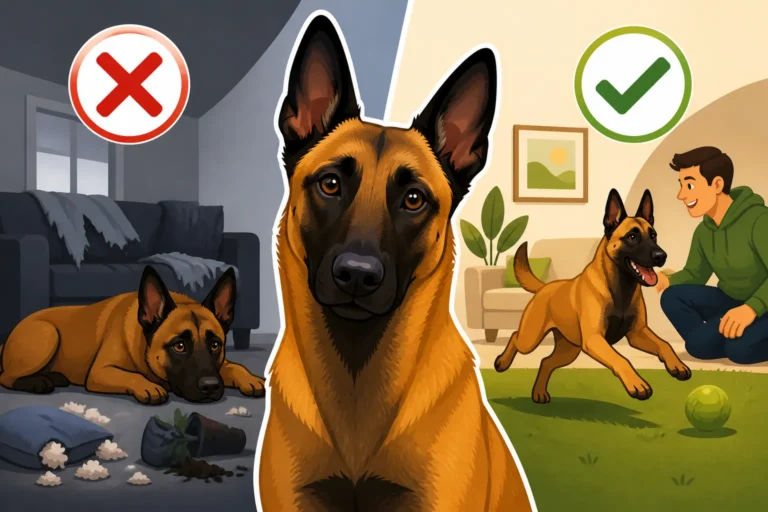
Without these outlets, you will likely find yourself with a destructive, anxious, or vocal dog. They might chew through furniture, bark excessively, or pace relentlessly. It's not maliciousness; it's simply an unmet need. This is why we often say Why Walks Alone Do Nothing for a Belgian Malinois – it's just not enough.
Health and Lifespan Expectations
Since the Malinois and Tervuren share such a close genetic background, a cross between them will generally inherit similar health predispositions. This is not to say they are unhealthy dogs, but rather that certain conditions are more prevalent in the breed as a whole. Responsible breeding practices, which include health testing, are just as important for a cross as for a purebred.
Common health concerns to be aware of include:
- Hip and Elbow Dysplasia: These are structural issues that can lead to arthritis and mobility problems. Reputable breeders will screen their dogs for these conditions.
- Eye Conditions: Certain hereditary eye conditions, such as progressive retinal atrophy (PRA) or cataracts, can occur. An annual eye exam by a veterinary ophthalmologist is a good idea.
- Thyroid Issues: Hypothyroidism is sometimes seen in the breed.
- Epilepsy: A seizure disorder that can manifest in various forms.
- Cancers: Like many larger breeds, they can be susceptible to certain cancers, especially as they age. Understanding The Cancers That Take a Belgian Malinois is important for any owner.
On the whole, these crosses tend to be robust dogs with a good average lifespan, often living between 12 to 14 years, with some living longer. Their active lifestyle and lean build can contribute to their longevity. For more on general lifespan, The Fourteen to Sixteen Years a Belgian Malinois Lives can give you an idea of what to expect. Choosing a responsible breeder who performs comprehensive health screenings on both parent dogs significantly increases the likelihood of a healthy puppy.
Finding a Responsible Breeder
When seeking a Malinois/Tervuren cross, or any Belgian Shepherd variety, finding a responsible breeder is paramount. Be wary of anyone simply "mixing" these dogs without a clear purpose or without understanding the profound responsibility of breeding working lines. A reputable breeder will:
- Health Test: They will perform comprehensive health screenings on both parent dogs for conditions like hip and elbow dysplasia, eye issues, and potentially other genetic disorders. Ask to see certificates and verify results.
- Be Transparent: They will openly discuss the temperament, drives, and health history of their breeding dogs and previous litters.
- Have a Purpose: They will be breeding for specific traits, whether for working lines, sport, or well-rounded companions, and can articulate their breeding philosophy.
- Screen Buyers: They will thoroughly vet potential buyers to ensure their puppies are going to appropriate homes that can meet their demanding needs.
- Offer Support: They will be a resource for the lifetime of your dog and will often require that the dog be returned to them if you can no longer care for it.
Avoid breeders who cannot provide health clearances, seem more interested in making a quick sale, or offer their dogs as "designer mixes" without understanding the breed's inherent working nature. A Malinois/Tervuren cross is a magnificent animal, but only in the right hands.
| Feature | Belgian Malinois (Typical) | Belgian Tervuren (Typical) | Malinois/Tervuren Cross (Expected) |
|---|---|---|---|
| Coat Length | Short, dense | Long, flowing | Variable, often medium/rough, or short carrier |
| Coat Color | Fawn to mahogany, black mask, black overlay | Fawn to mahogany, black mask, black overlay | Fawn to mahogany, black mask, black overlay |
| Energy Level | Extremely high, relentless | Very high, athletic | Extremely high, relentless |
| Drive | Intense prey drive, protection instinct | Strong prey and herding drive | Intense drives, handler-focused |
| Grooming | Moderate shedding, easy care | Significant shedding, regular brushing | Variable, depending on coat length, often more than Malinois |
| Training Needs | Advanced, consistent, experienced handler | Advanced, consistent, experienced handler | Advanced, consistent, experienced handler |
| Ideal Home | Working home, active sport, highly engaged owner | Active sport, highly engaged family, consistent mental/physical work | Working home, active sport, highly engaged family, consistent mental/physical work |
Disclaimer
This article is for general informational purposes only and does not constitute professional advice. Laws, prices and regulations vary by location and change over time. Consult a qualified professional for guidance on your specific situation.